Last January 31, volunteers posted at 11 sites around Maui Nui counted 694 humpback whales between 8:30 a.m. and noon. The year before, the same count had come in at 700. Pacific Whale Foundation chief scientist Jens Currie told The Maui News that "it's very good to see the numbers are about the same."
Six months later, a study led by the same foundation found that the whales wintering around the main Hawaiian Islands had dropped by about a third from their peak.
Both findings are true, and Kihei has the clearest view of each of them. One of the 2026 count stations was the federal whale sanctuary's beachfront visitor center on South Kihei Road, and another was Kihei Surfside Resort. The whales this winter are coming back to a population still recovering from a bad decade. A Kihei resident can watch that recovery, learn the science behind it and help count it without leaving the South Kihei Road corridor.
What the photo-ID study measured
The paper, "Humpback Highs and Lows Amid Shifting Seas and a Northeast Pacific Marine Heatwave," was first published in Marine Mammal Science on August 14, 2026. Its lead author is S. M. Barber-Meyer, and Jens Currie is one of the co-authors. The team did not count spouts from shore. It matched photographs of individual whales seen in Hawaiian waters from 2002 through 2023, then used those matches to estimate how many whales survive from one year to the next and how many arrive each winter.
The heatwave in the title is the warm-water event that sat over the Northeast Pacific from 2013 to 2016 and cut the food supply in the whales' feeding grounds. Before it, the researchers estimated annual survival at 0.987. During the heatwave it fell to 0.684, and afterward it recovered to 0.956, which is better but still below where it started. Over the 2014/15 to 2021/22 seasons, the estimated number of whales in the islands each breeding season fell by 37 percent. The authors link the decline to the heatwave's effect on food in the feeding grounds. Their model cannot tell a whale that died apart from one that stopped migrating to Hawaii.
In Pacific Whale Foundation's August 26 research update, the foundation summed the study up for the public: across the main Hawaiian Islands, numbers fell from a peak near 15,000 whales to roughly 9,900 today. The update says the heatwave likely killed many whales, while others may have skipped the migration or moved outside the study area.
Over all 20 breeding seasons it studied, the paper finds the growth rate averages out as stable. That average includes a stretch of fast growth and a steep drop. The 2019/20 through 2022/23 seasons point to stabilization and possibly slight growth, and the authors call a return to pre-heatwave highs uncertain.
The headline figures differ because each one measures something else. The roughly 9,900 is the foundation's plain-language figure for the population today. The paper's 11,617 is an average of annual breeding-season estimates over the study period, and it leaves calves out. NOAA's broader estimate of more than 12,000 covers a different scope again.
Why a flat shore count fits a smaller population
The Great Whale Count measures something narrower. Pacific Whale Foundation has run it since 1995, and since 2019 it has been held on the same Saturdays as the sanctuary's Ocean Count on the other islands. Each session covers one morning from fixed points on shore. Maui's headline numbers are whole-day totals, and a whale seen from two stations, or from one station at two different times, can be counted twice. Every joint release since February 2023 has said its totals "may represent duplicate sightings of the same whale."
That makes the count a snapshot. It says how many whales were visible from Maui's shoreline on one morning compared with the same morning a year earlier. It cannot say how many whales exist. In its own coverage, The Maui News called the count "a snapshot of the humpback whales that migrate from the North Pacific to Hawaii."
By that measure, the past two winters have been steady. The February 28, 2026 count produced 847 whale observations around Maui, up from 802 on the February 2025 count. Maui Now reported the February tally as 1,935 whales statewide. Flat counts from a smaller population that has stopped falling match what the photo-ID study found for its most recent seasons.
The beachfront at 726 South Kihei Road
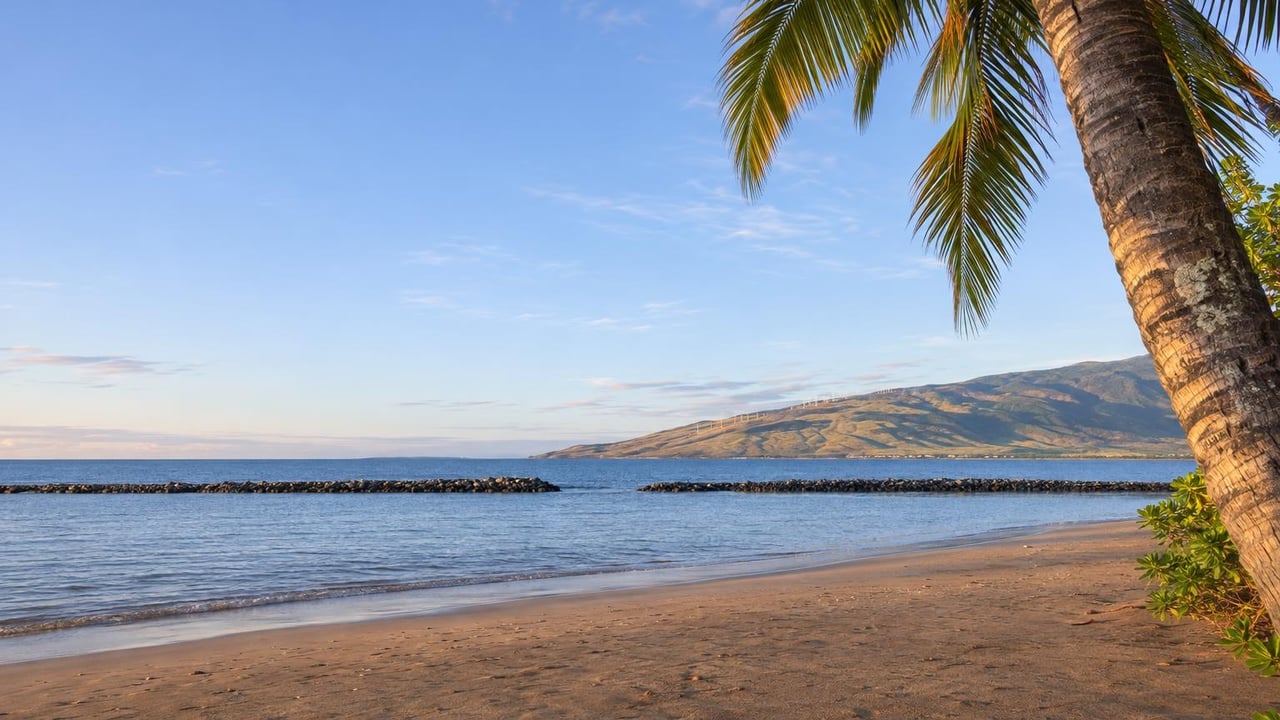
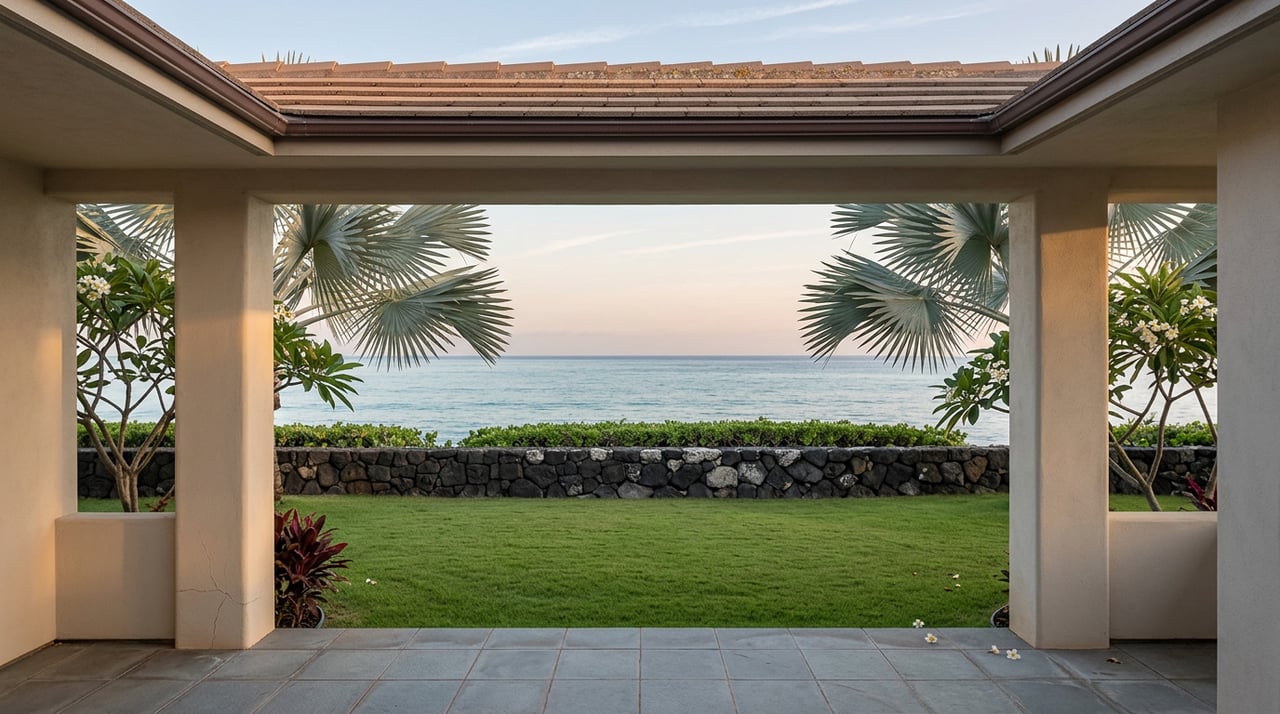
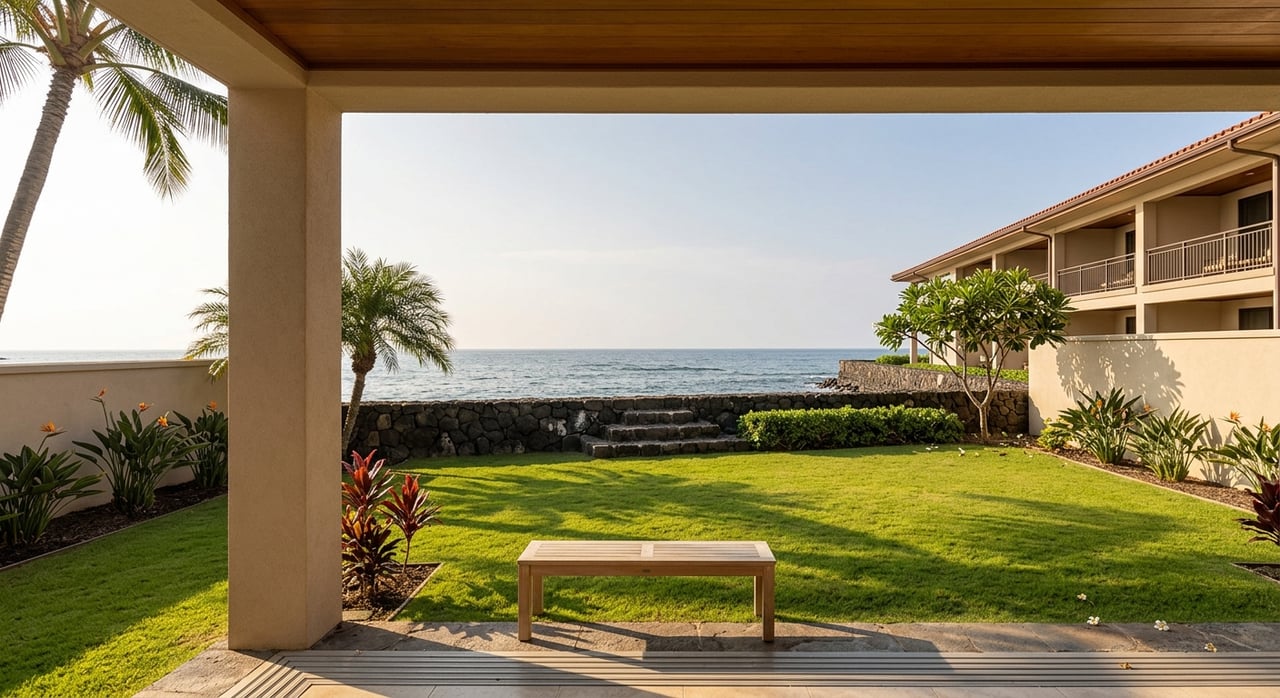
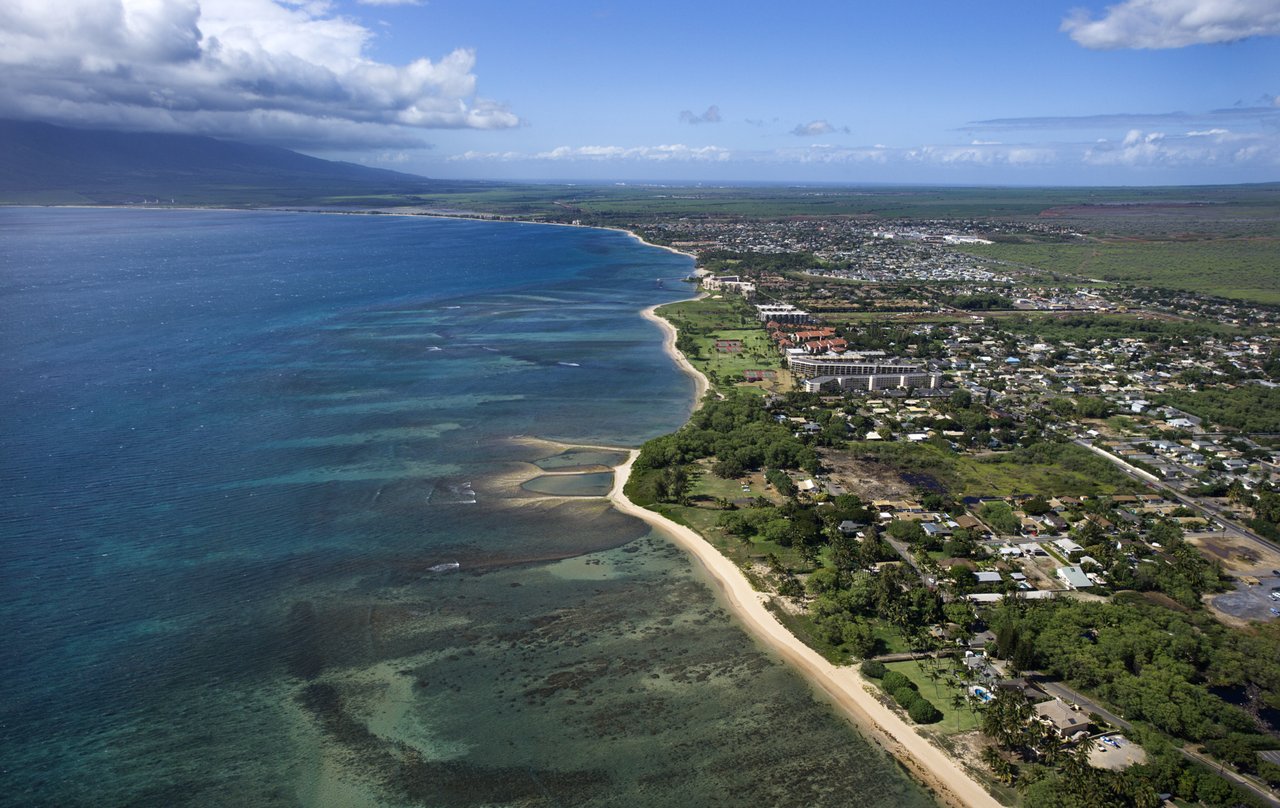
The Hawaiian Islands Humpback Whale National Marine Sanctuary keeps its Maui visitor center at 726 South Kihei Road. NOAA describes the setting as a beachfront at the foot of Haleakalā, looking across sanctuary waters toward Kahoʻolawe, Lānaʻi and West Maui, and calls it a place where visitors can see whales breaching. Posted hours are Monday through Friday, 9:30 a.m. to 2:30 p.m.
The wall of stone in front of the center belongs to Kōʻieʻie, a three-acre fishpond that NOAA counts among the last intact traditional fishponds on the south Maui coast. The sanctuary works with ʻAoʻao O Nā Loko Iʻa O Maui, the Association of the Fishponds of Maui, which is restoring the pond. NOAA says workers and volunteers are rebuilding its wall stone by stone, by hand, using traditional methods. Anyone scanning the channel for spouts from that spot is also looking over an active cultural restoration.
For residents who want the science before the binoculars, the sanctuary's events calendar lists an in-person "40-ton humpback whale" talk at the Kīhei center from 10 to 11 a.m. on Friday, Nov. 27, the day after Thanksgiving. More are scheduled on Tuesday, Dec. 1, Thursday, Dec. 3, Friday, Dec. 4 and Tuesday, Dec. 8. With family visiting over the holiday weekend, a morning talk followed by a walk along the fishpond fits easily between breakfast and the beach. NOAA describes Hawaii's humpback season as generally running from November through May, and suggests bringing binoculars, a spotting scope or a zoom lens.
December 14, then January 30
The next count is where residents move from watching whales to producing data. Pacific Whale Foundation has set the 2027 Great Whale Count for Saturdays January 30, February 27 and March 27, each running from 8 a.m. to noon, and volunteers must stay for the full four hours. Registration opens December 14, 2026, through the Great Whale Count page. The other islands count on the same three mornings under the sanctuary's Ocean Count, listed at oceancount.org.
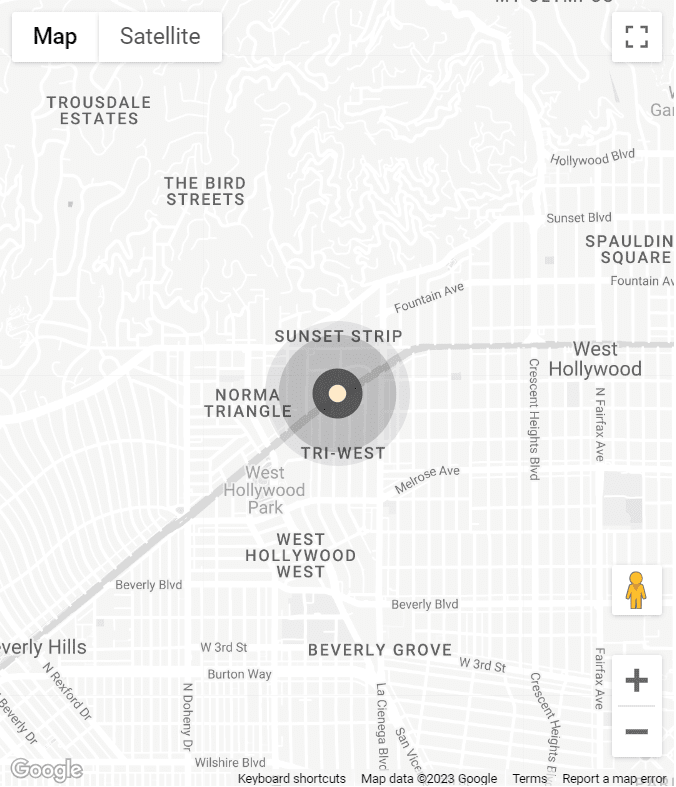
The 2026 station map shows how close the count runs to Kihei homes. It put stations at the sanctuary visitor center and at Kihei Surfside Resort, with Polo Beach and Puʻu Olaʻi Beach farther south, and Māʻalaea Harbor and Papawai Point toward the west. The January 2026 session drew about 90 volunteers and 22 supervisors.
That morning's tallies feed the same long-running record that gives the photo-ID research its context. A resident who counts from the Kīhei visitor center on January 30 is adding a data point to the series the foundation has kept since 1995.
February on South Kihei Road
Through 2020, World Whale Day at Kalama Park was the high point of Pacific Whale Foundation's month-long Maui Whale Festival, with live music, local artists, food vendors and a whale parade. The foundation says the pandemic and the Lahaina wildfires made large events hard to stage in the years after.
Last winter the event came back in a new form. For its 45th anniversary, the foundation ran a week of events across Maui. On February 15, 2026, the parade went up South Kihei Road from Kamaʻole I to Kalama Park. A free family community day was held at Māʻalaea Harbor Shops. For Kihei residents, that put the season's biggest community celebration back on the road they drive every day. It landed between the first and second count Saturdays of 2026, January 31 and February 28.
For a Kihei household, the winter's first dates are already set: a whale talk at 726 South Kihei Road the Friday after Thanksgiving, count registration on December 14, and the first count morning on January 30.
Hosting family this season and wondering which stretches of South Kihei Road look out across the Kahoʻolawe channel? Riette Jenkins is glad to talk through the Kihei shoreline with you. Contact Riette for a private consultation.