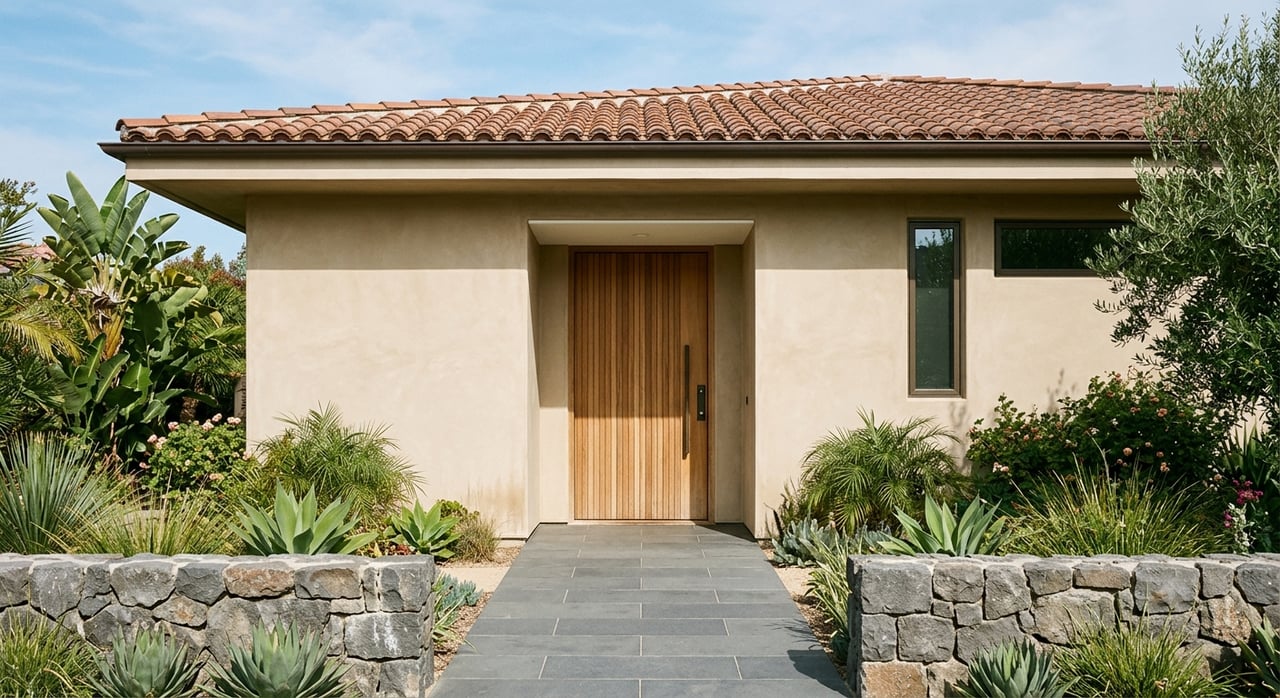
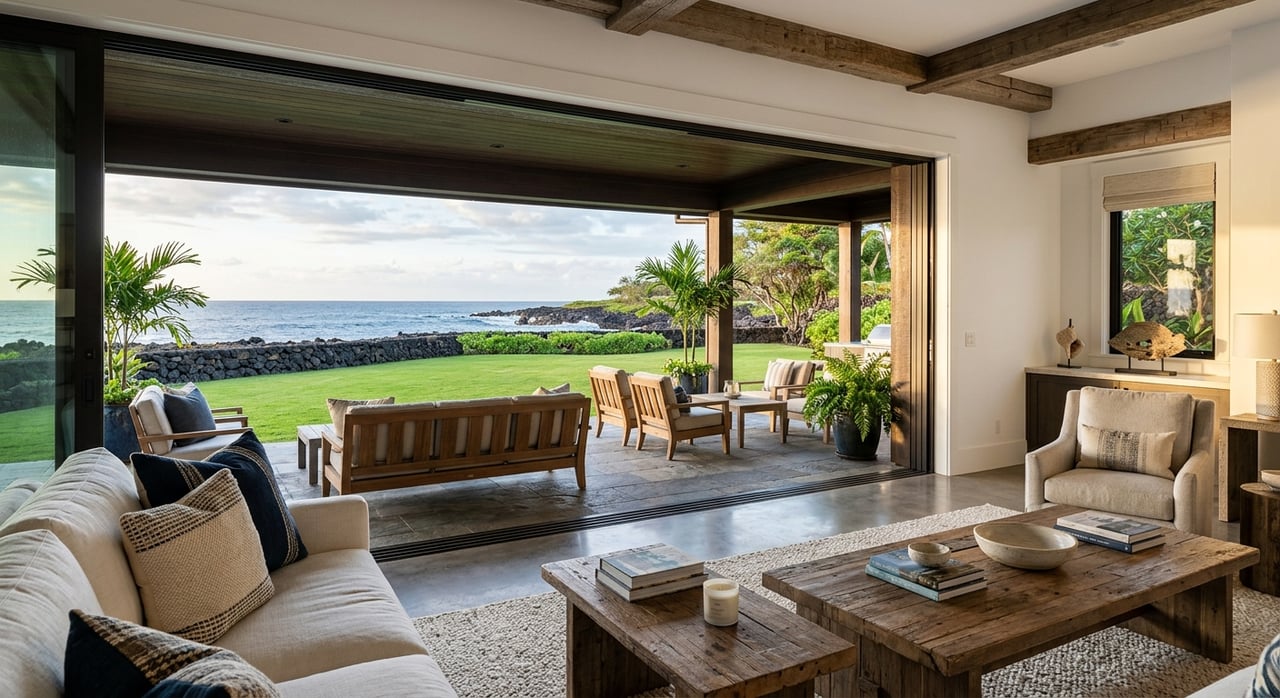
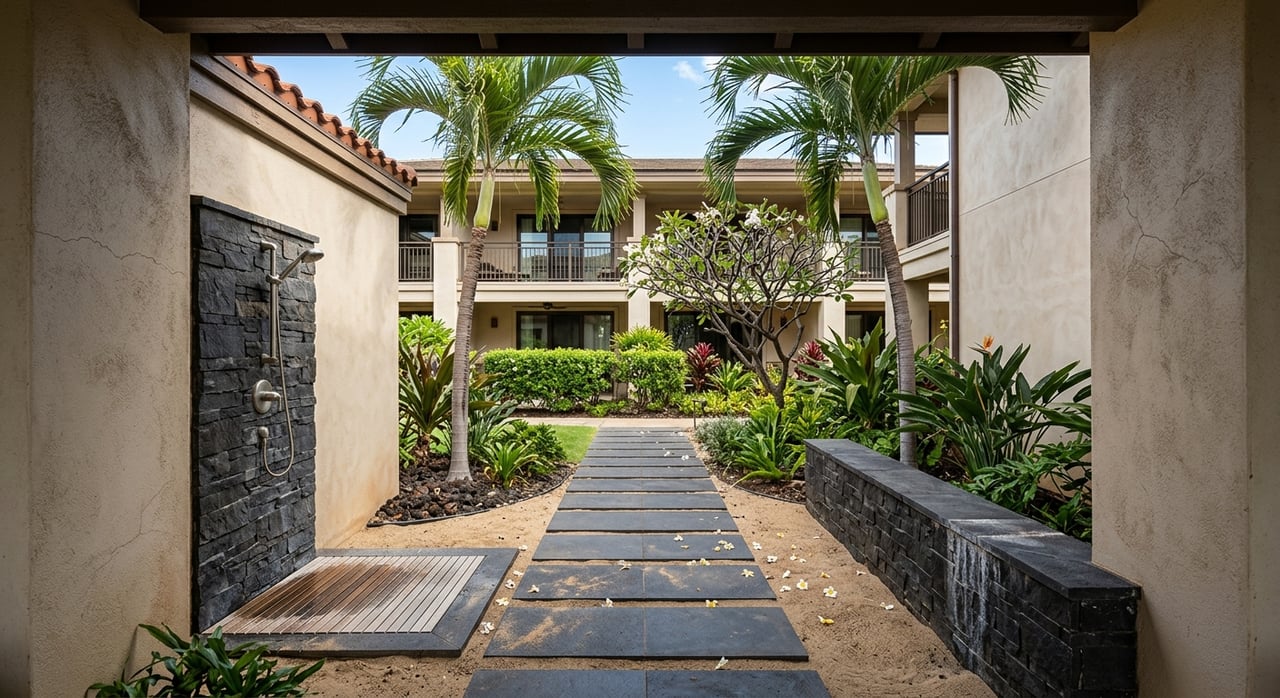
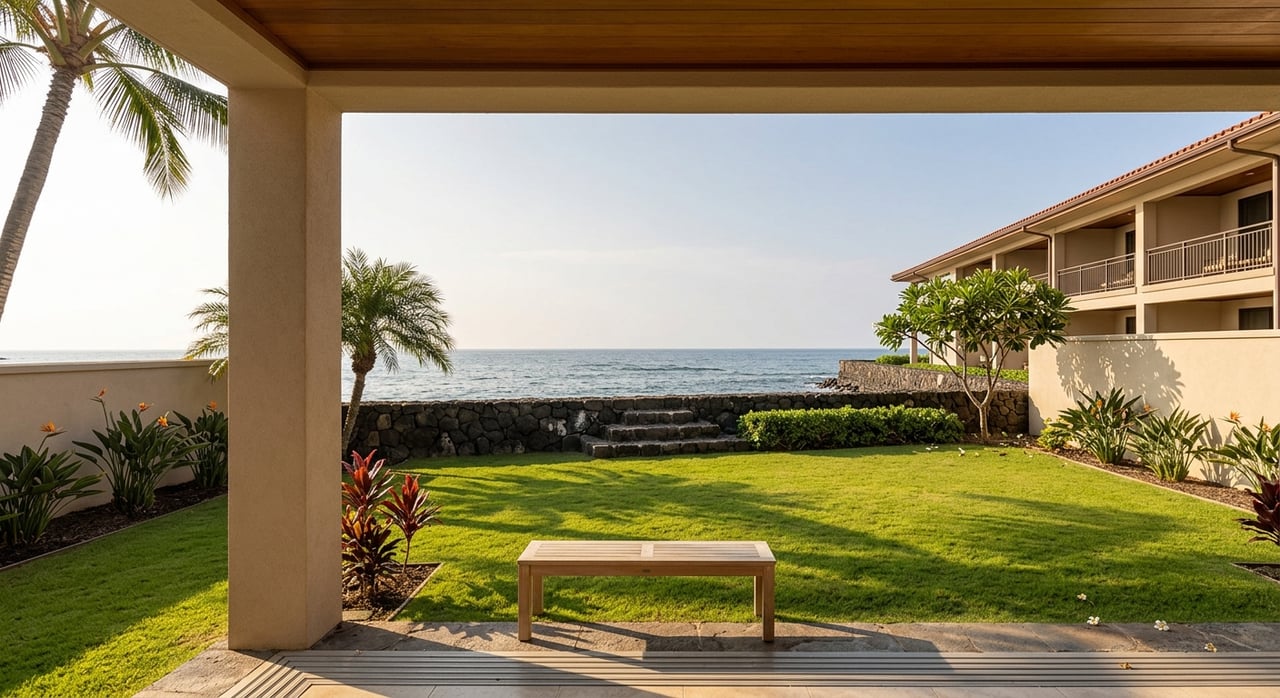
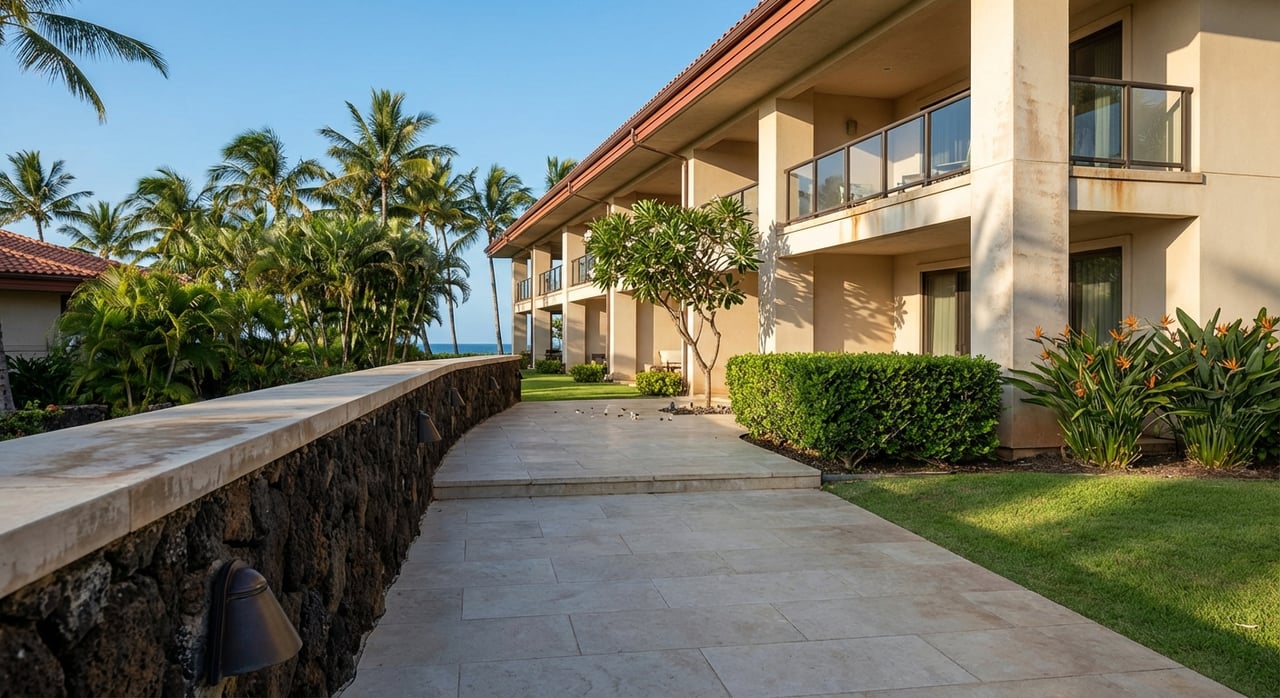
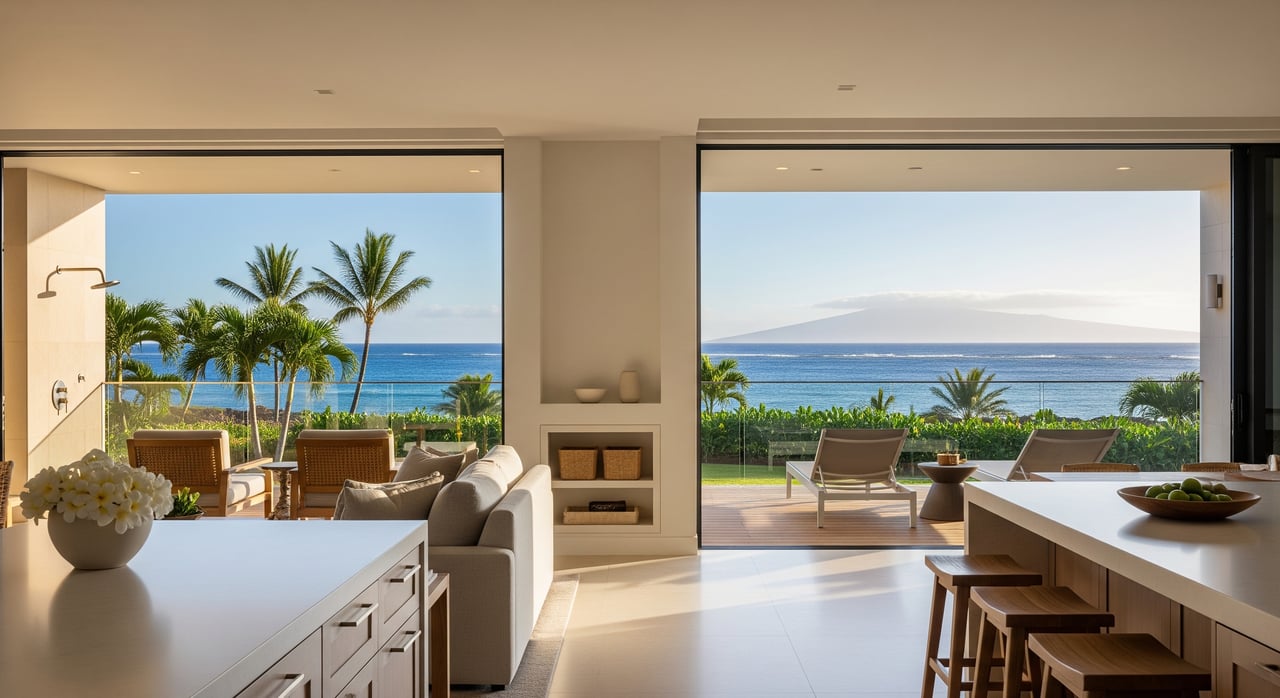
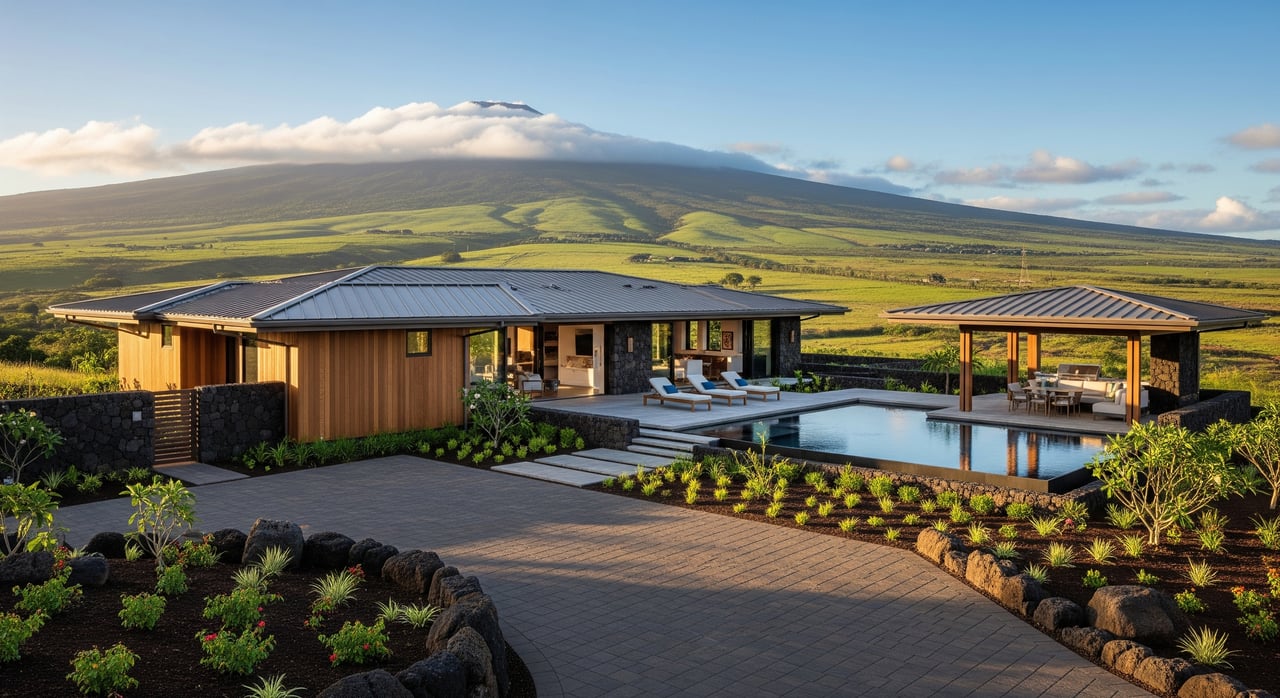
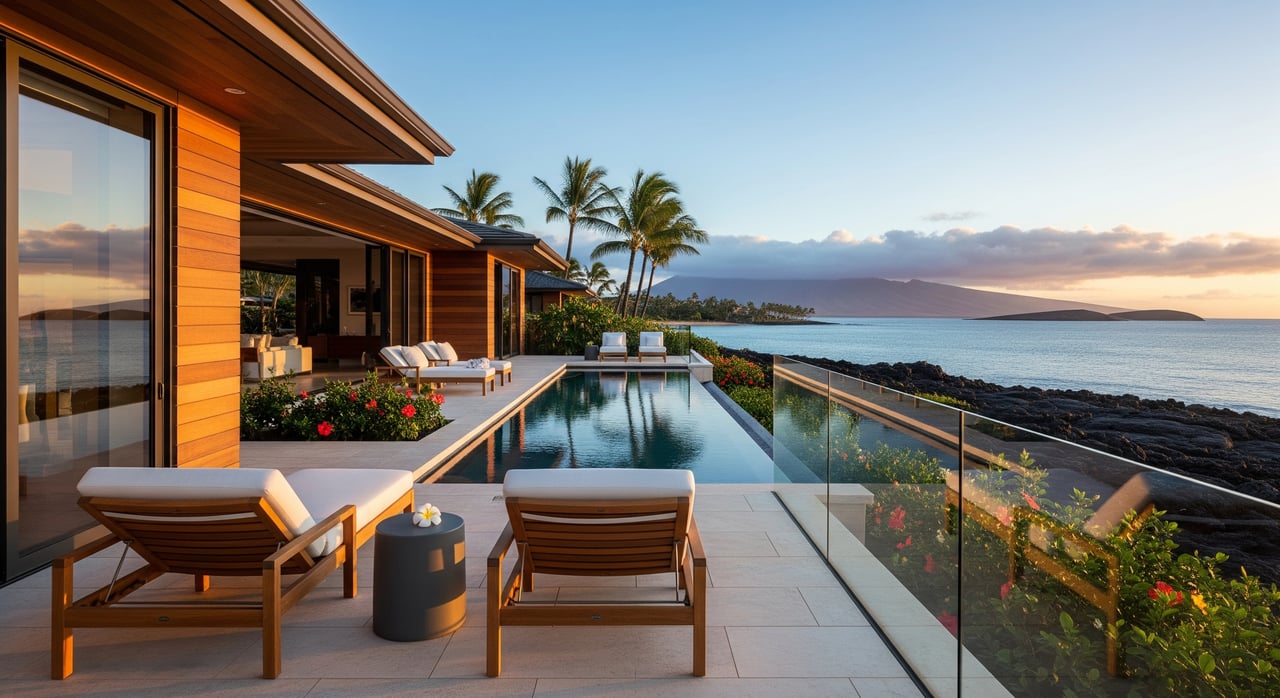
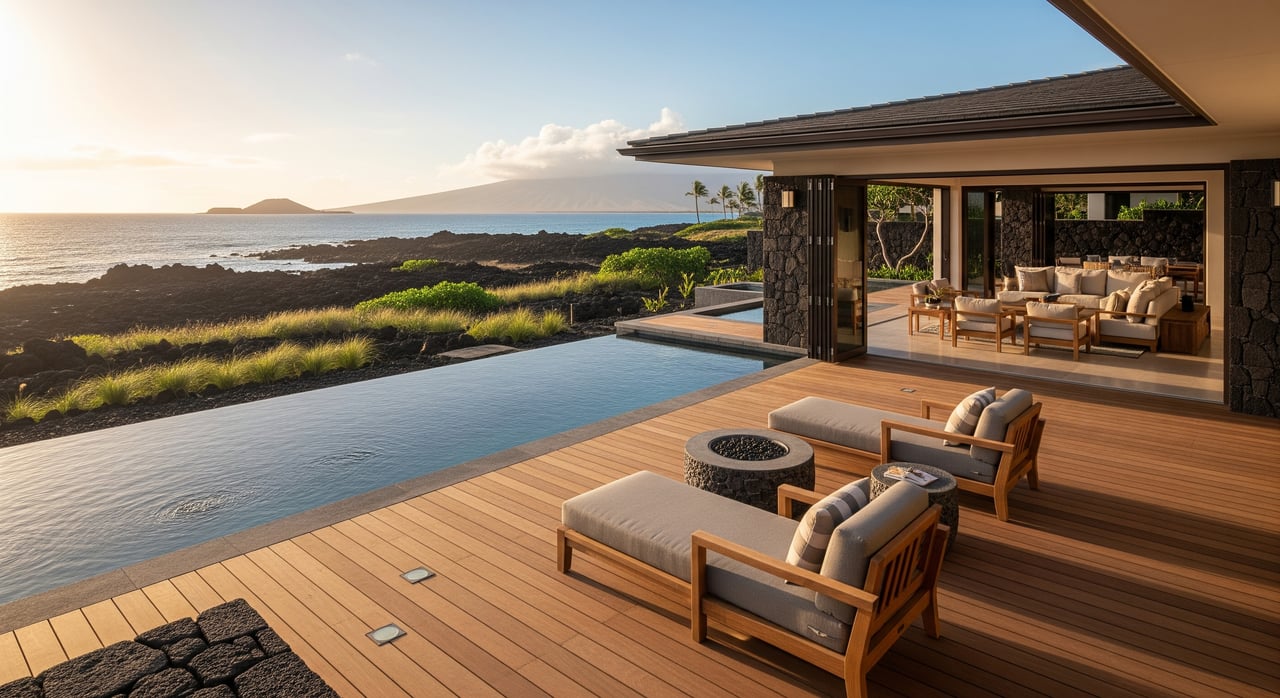
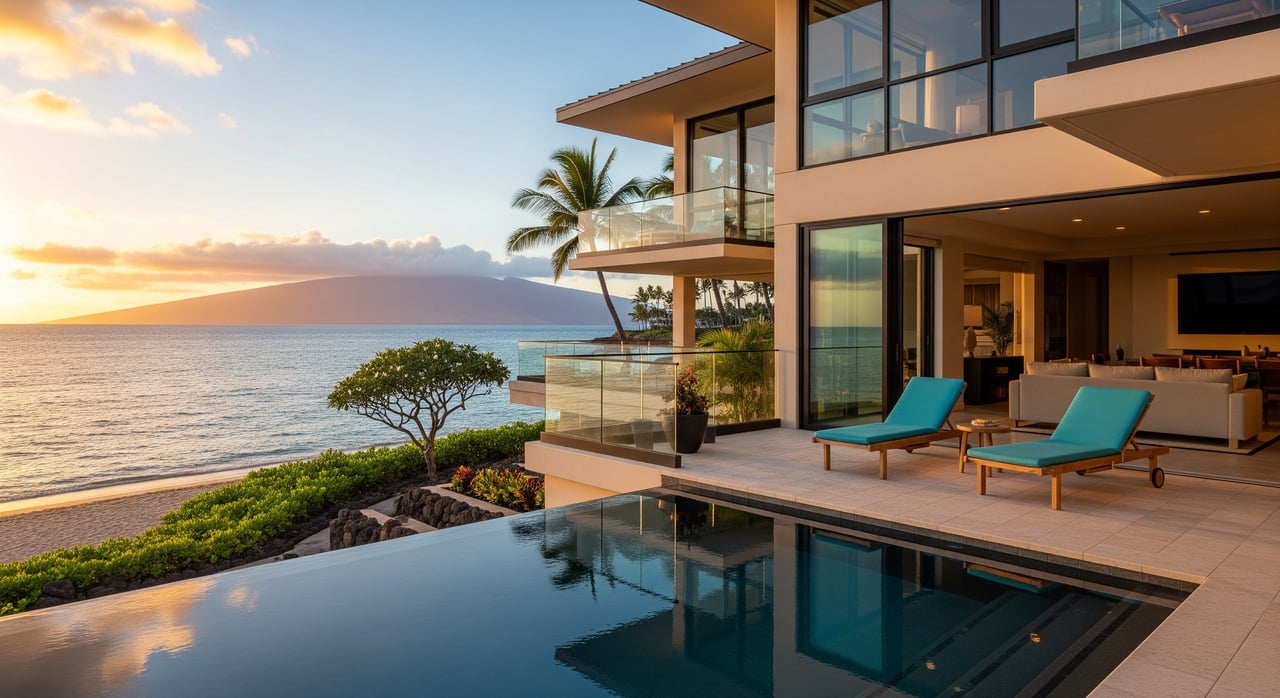
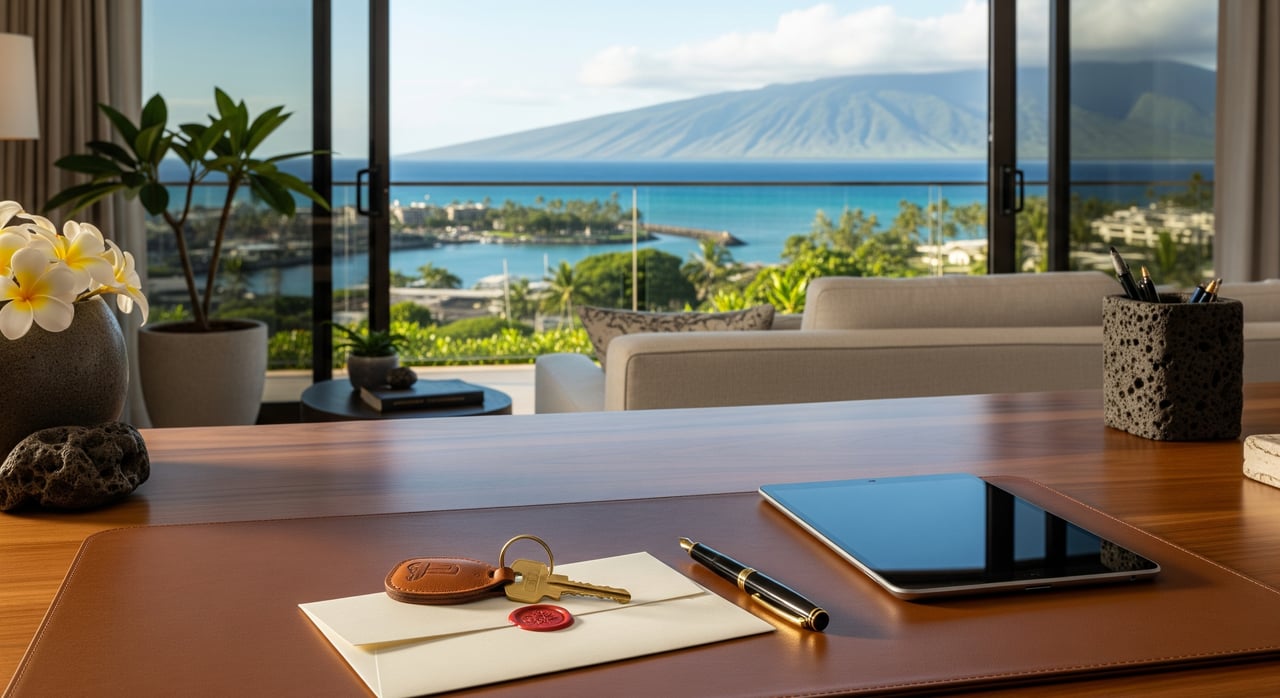
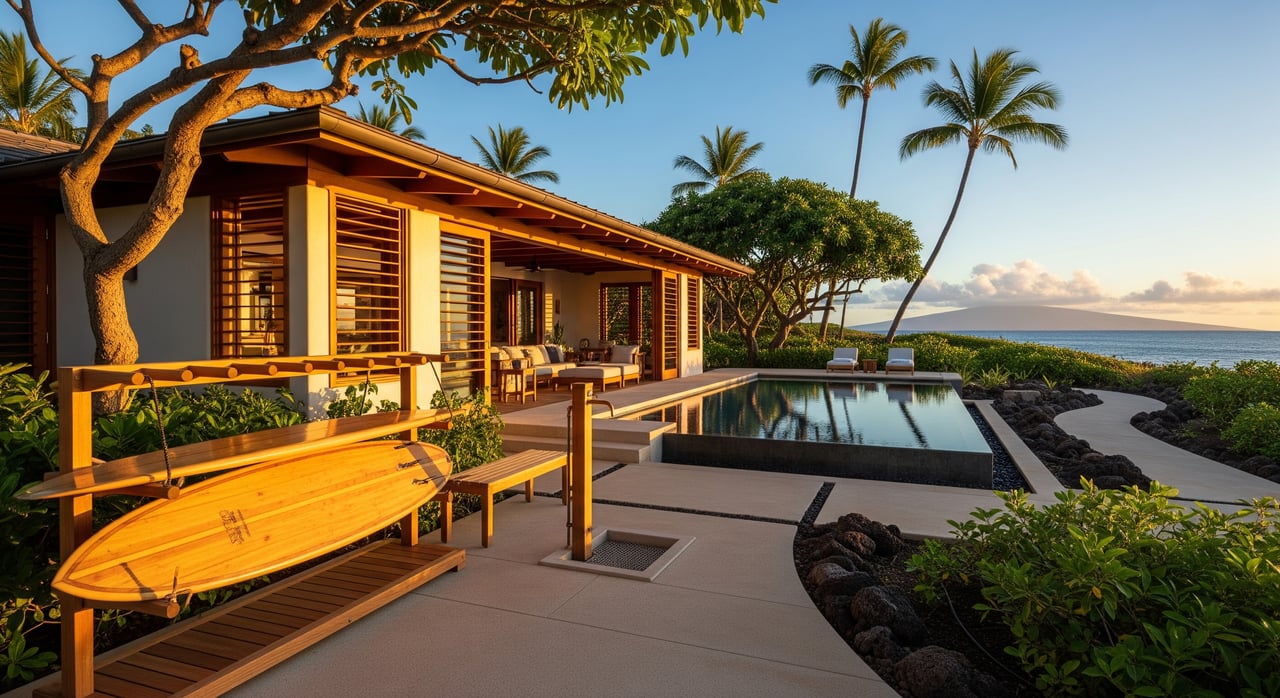
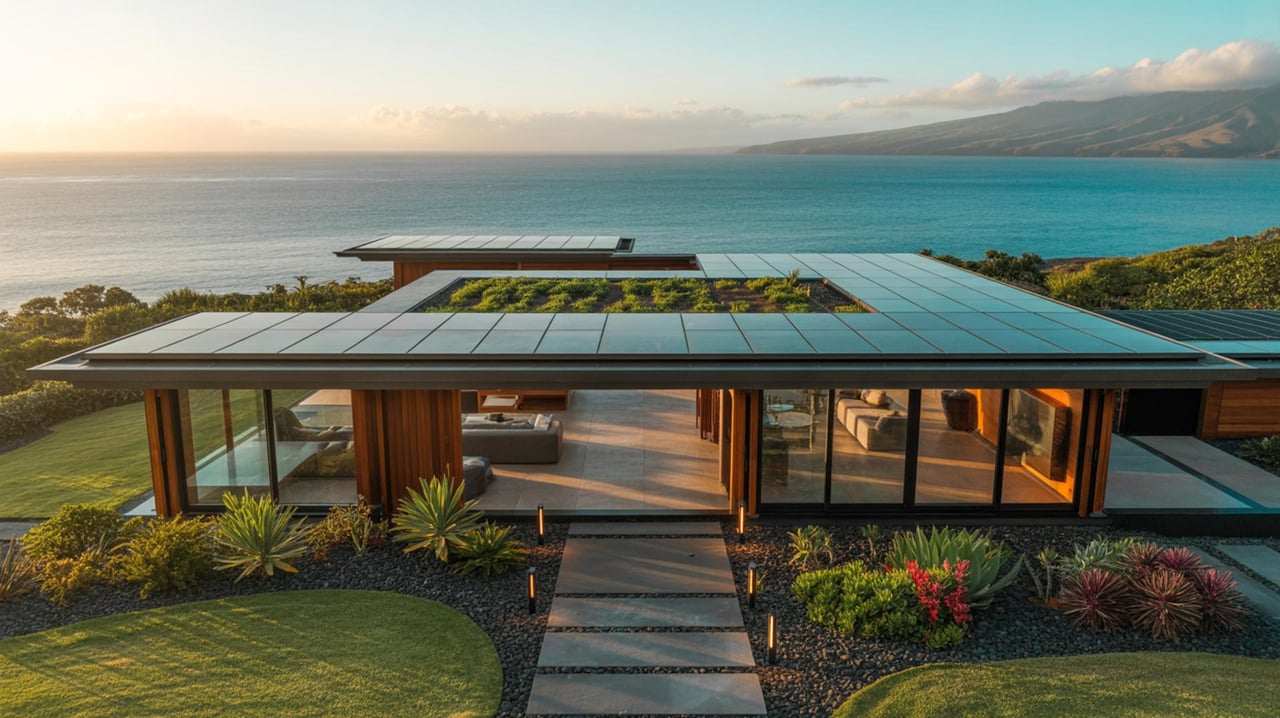
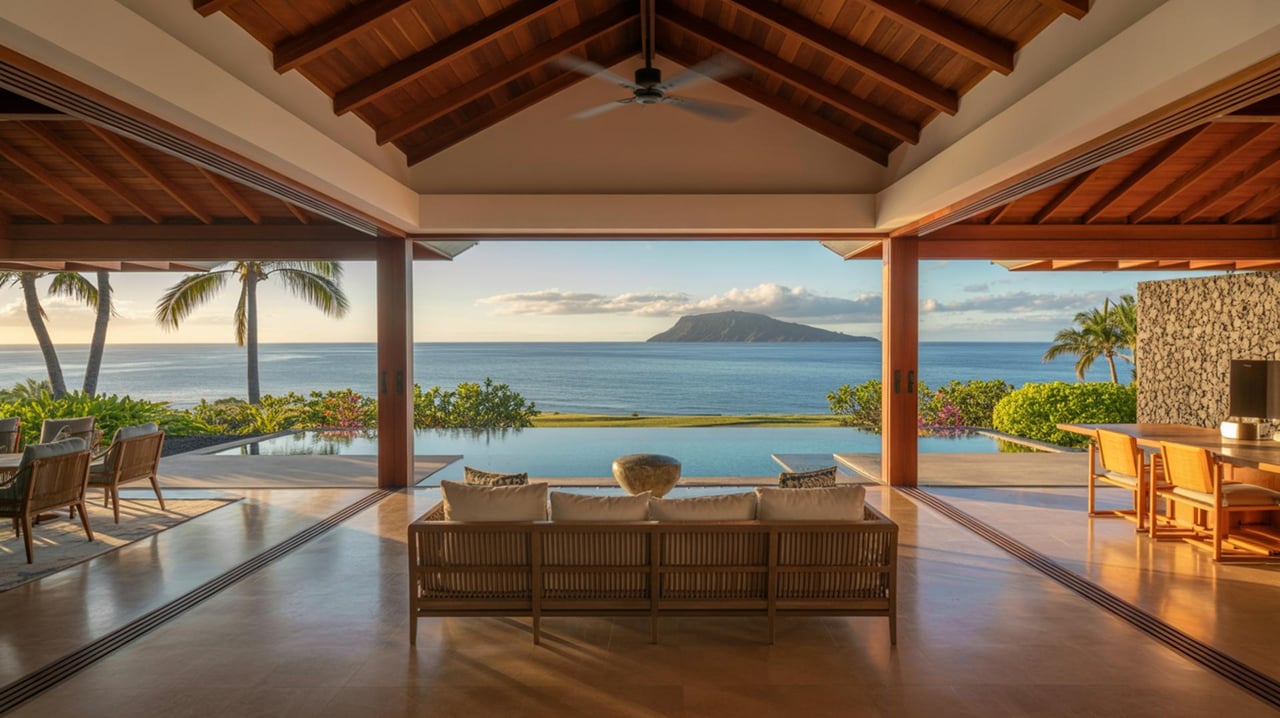
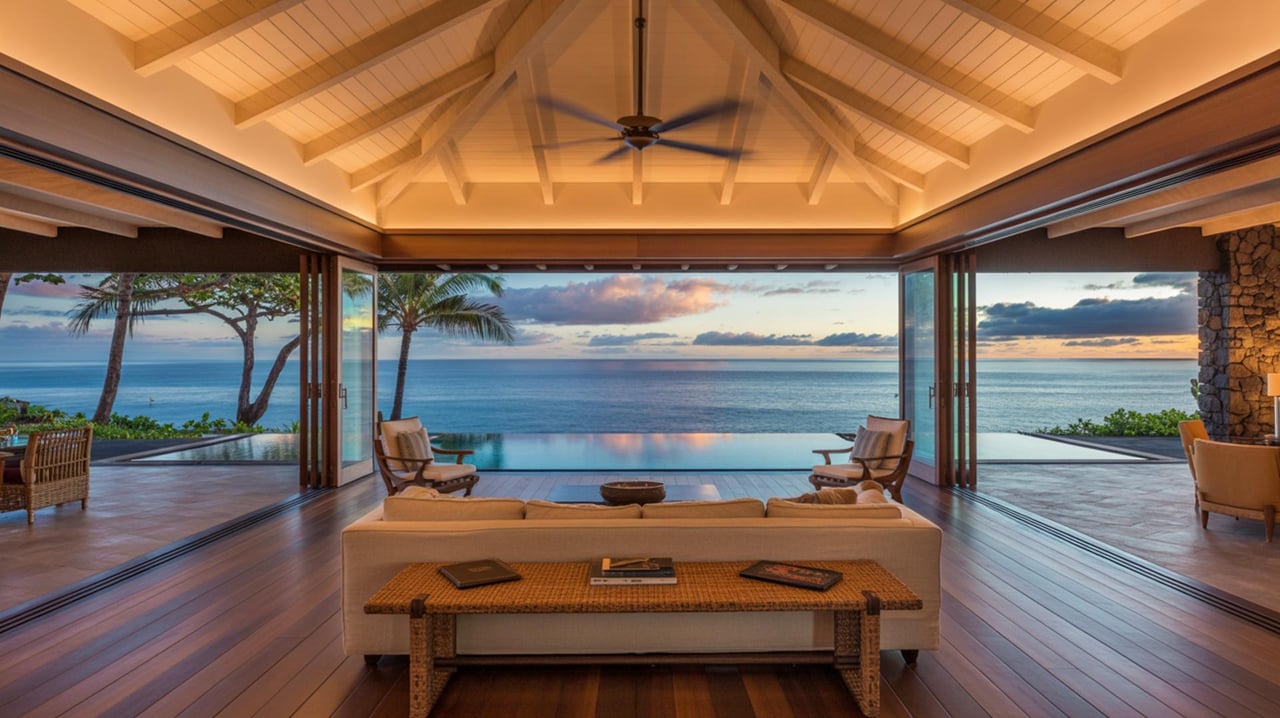
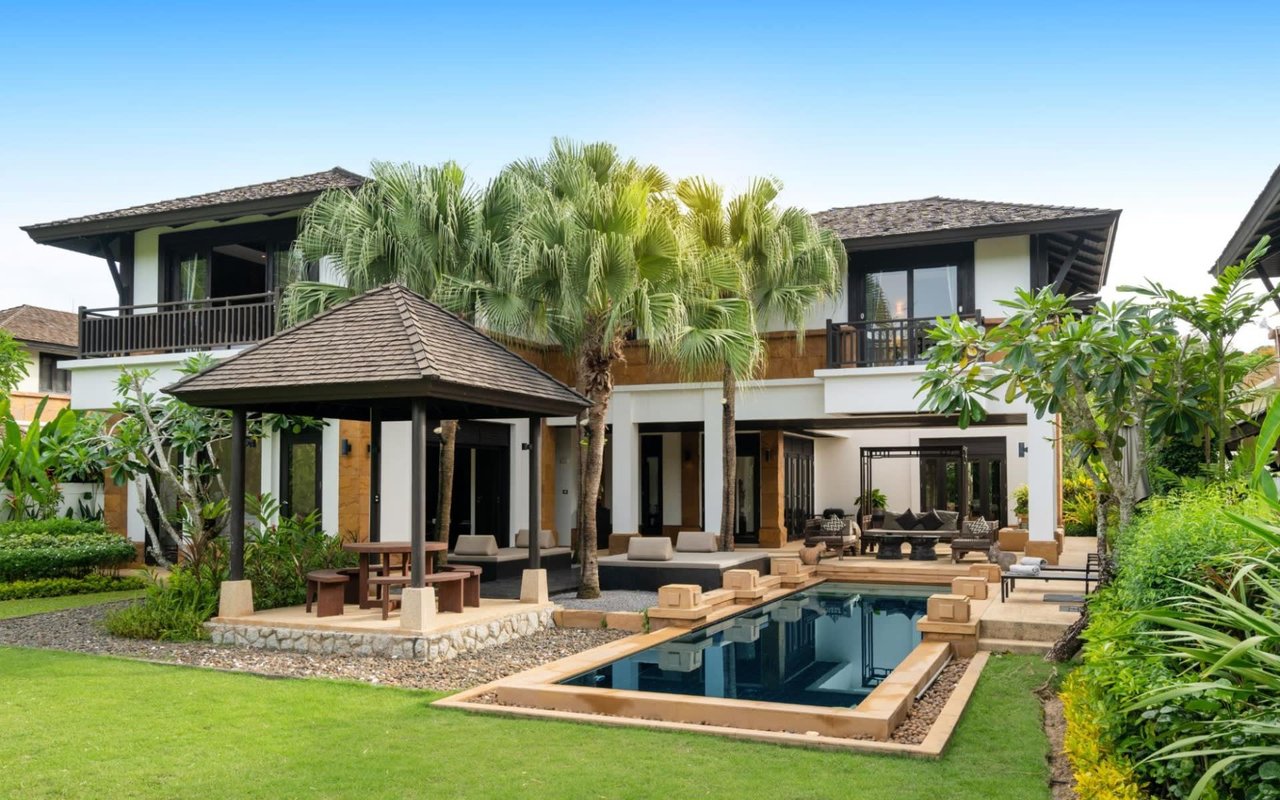
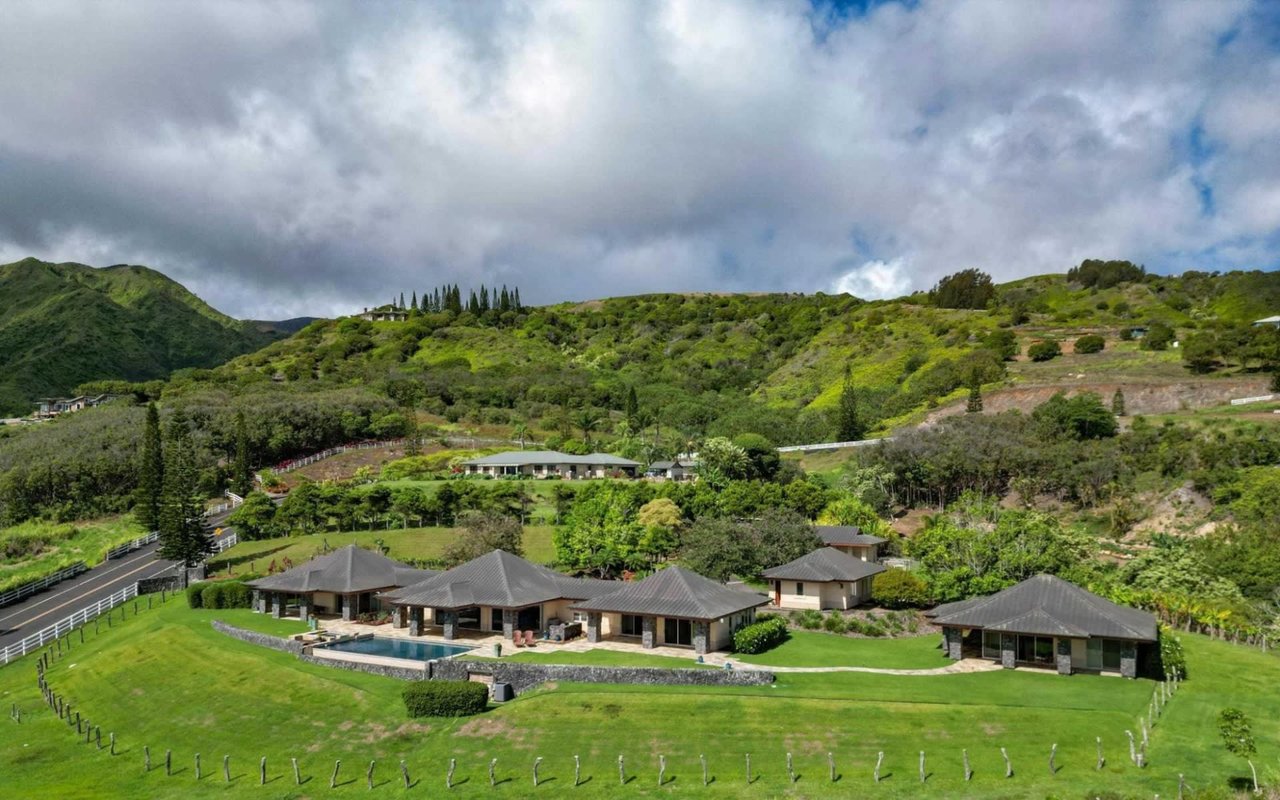
Ever walk into a beach home and feel like the design tried a little too hard? If you are drawn to Paia, chances are you want something more nuanced: a home that feels connected to the ocean, the breeze, and the North Shore without slipping into a themed look. The good news is that Paia gives you a strong design starting point, and with the right choices, you can create interiors that feel elevated, relaxed, and practical for coastal living. Let’s dive in.
Why Paia Inspires a Different Coastal Look
Paia is not a generic resort setting. According to GoHawaii’s guide to Paia, the town is known for colorful historic storefronts, local art galleries, one-of-a-kind boutiques, and its connection to nearby beaches like Hoʻokipa Beach and H.A. Baldwin Beach Park.
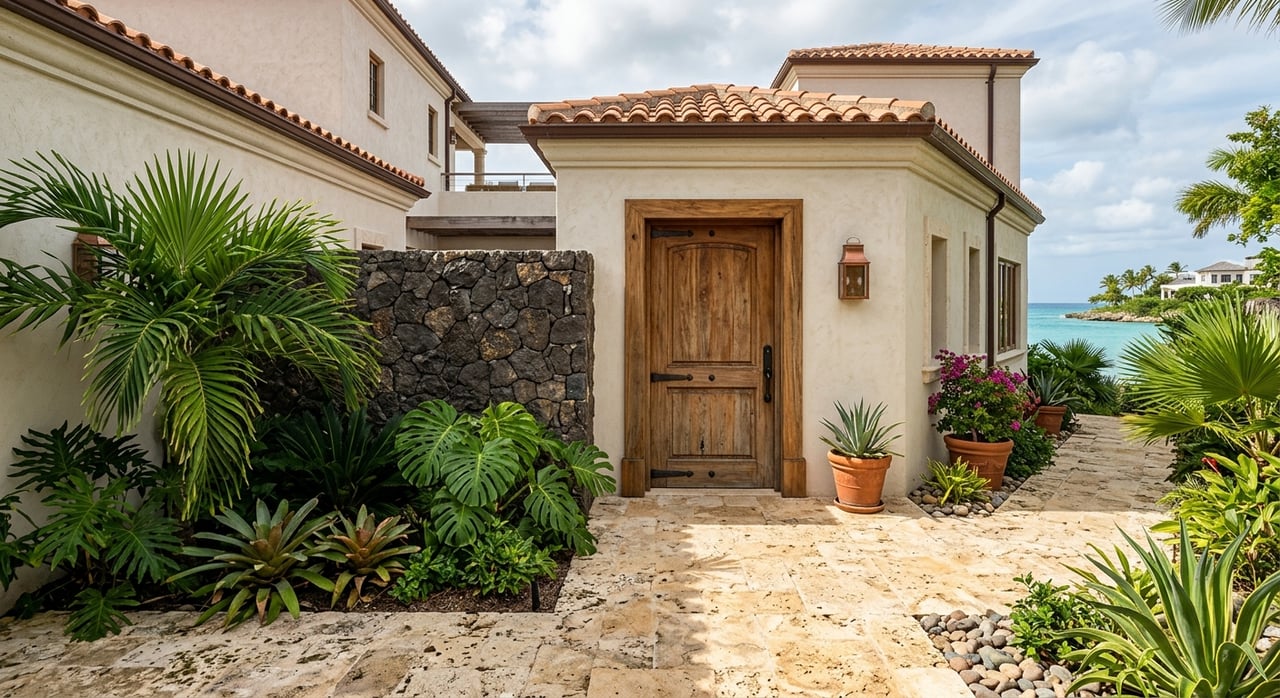
That local identity matters when you think about interiors. In Paia, the most fitting homes tend to feel collected and artful rather than overly matched or heavily nautical. Instead of anchors, rope details, and bright navy-and-white contrast, a better approach is a refined coastal style shaped by texture, light, and personality.
Choose a Sun-Washed Ocean Palette
A sophisticated Paia palette usually starts with softened natural tones. Think sand, oyster, driftwood, sea-glass green, muted aqua, pale blue, reef coral, and deeper ocean shades used in small doses.
This kind of palette feels connected to the shoreline without overwhelming the room. It also suits Paia’s more artistic, North Shore character, where the mood is relaxed and expressive rather than formal or overly polished.
Best Colors for Paia Interiors
If you want your rooms to feel calm and current, focus on layered neutrals first. Then add color through accents, art, textiles, or a single statement piece.
A strong mix might include:
- Sandy cream walls
- Driftwood or warm wood tones
- Sea-glass green pillows or ceramics
- Pale blue upholstery accents
- Muted coral in artwork or decor
- Deep ocean blue used sparingly for contrast
This keeps the home feeling airy while still giving it depth.
Use Natural Textures Over Theme Decor
In a Paia beach home, materials often do more of the design work than decorative motifs. Natural textures help a space feel breathable, relaxed, and grounded in place.
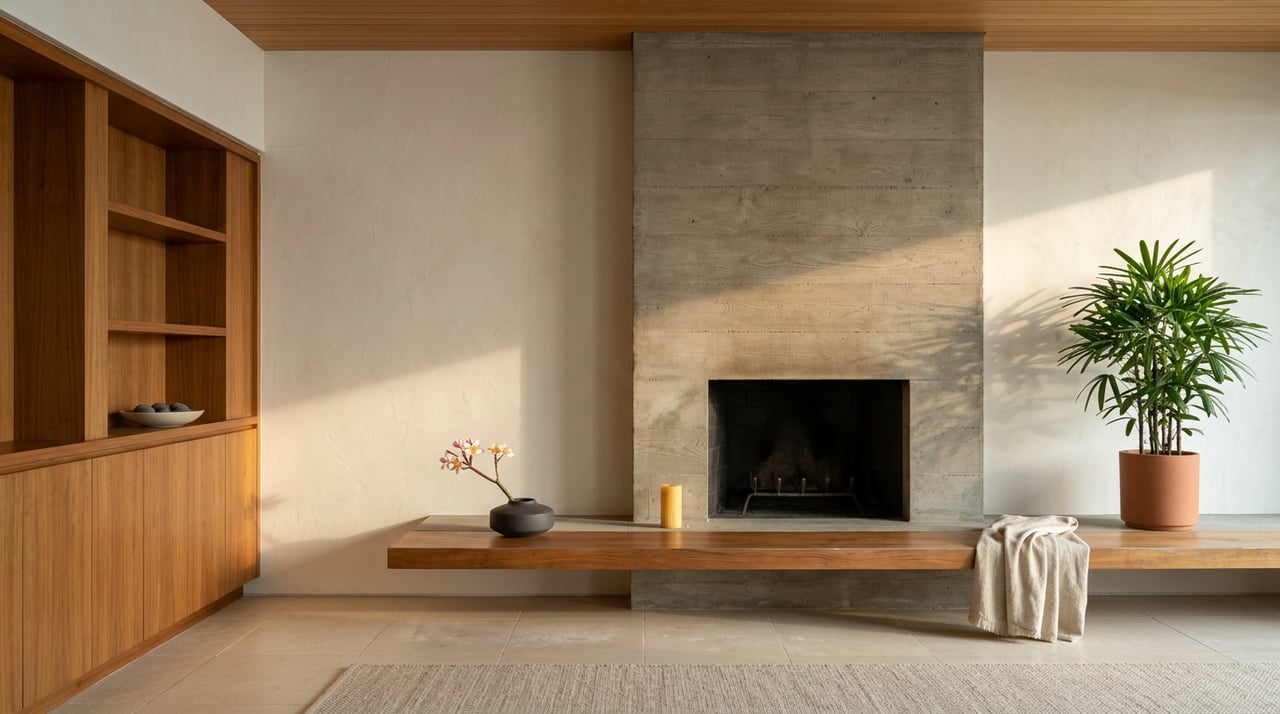
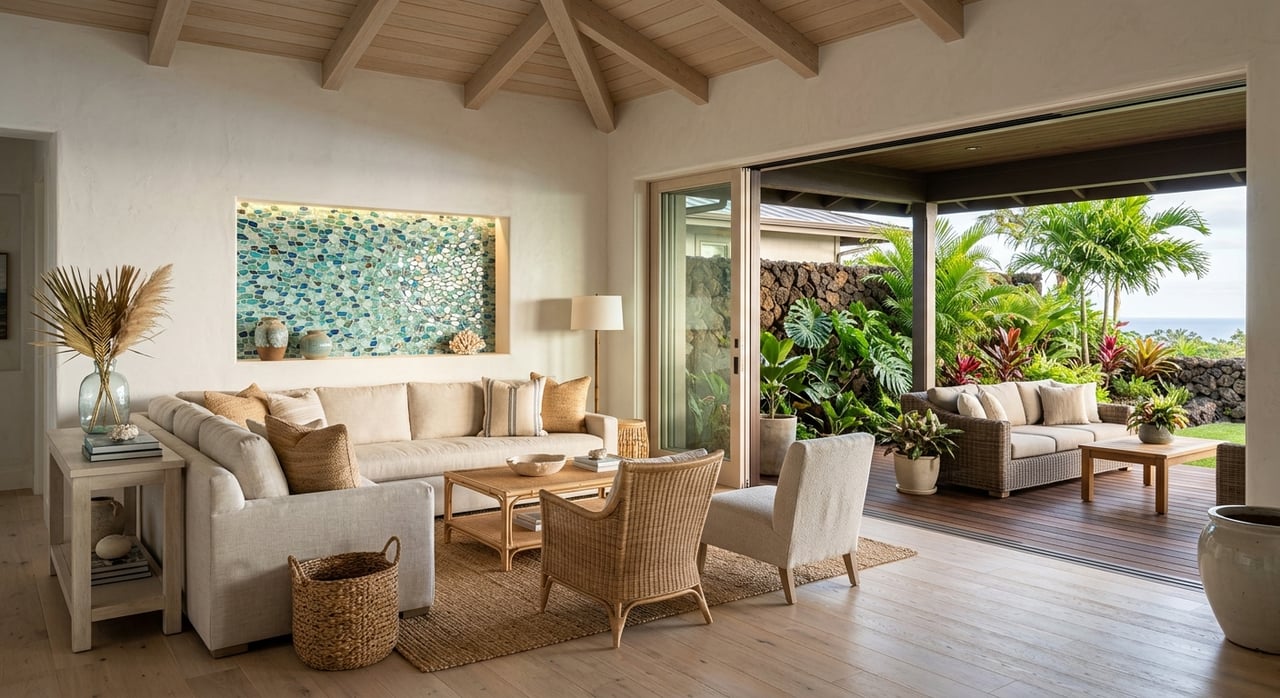
Warm woods, cane or rattan accents, linen or linen-look upholstery, woven rugs, ceramics, and matte finishes all fit well with Paia’s coastal and historic character. These choices create a layered look that feels more timeless than trend-driven.
Materials That Feel Right in Paia
For a polished but easygoing interior, consider using:
- White oak or other warm-toned woods
- Rattan or cane dining and accent pieces
- Linen and linen-look fabrics
- Handmade or artisan-style ceramics
- Woven natural-fiber rugs
- Matte finishes instead of high gloss
The result is a home that feels relaxed, not overly styled.
Let Art Reflect Paia’s Character
One of the best ways to make a Paia home feel authentic is through curation. Since Paia is known for its galleries, boutiques, and local art scene, artwork and collected objects can help the interior feel tied to the town’s identity.
Rather than filling a home with matching coastal decor, look for pieces that suggest the ocean in a quieter way. Abstract seascapes, local photography, handmade ceramics, carved wood, and textiles with subtle wave, reef, or horizon references can all add meaning without feeling literal.
Curated Pieces Work Better Than Matching Sets
A Paia-inspired home often feels strongest when it looks personal. That can mean mixing newer furnishings with collected items, using lower-profile seating, and layering lighting to create warmth and depth.
This kind of interior feels lived in and memorable. It also tends to age better than a room built around one narrow theme.
Design for Airflow and Everyday Living
Paia’s climate should shape your choices as much as the visual style. The Hawaii State Data Book reports nearby Kahului annual normals of 77.7°F average temperature, 17.10 inches of annual precipitation, 10.3 mph mean annual wind speed, and 71% of possible sunshine. NOAA’s local climate summary also notes persistent northeast winds, moderate to high humidity, and generally steady temperatures.
That means a Paia home benefits from interiors that feel open, light, and easy to maintain. Your design should support airflow and smooth movement between indoor and outdoor spaces while still holding up well over time.
Smart Layout Ideas for Coastal Comfort
If you are furnishing or updating a Paia property, these choices make sense:
- Keep furniture arrangements open and easy to move through
- Use lighter visual weight in larger pieces
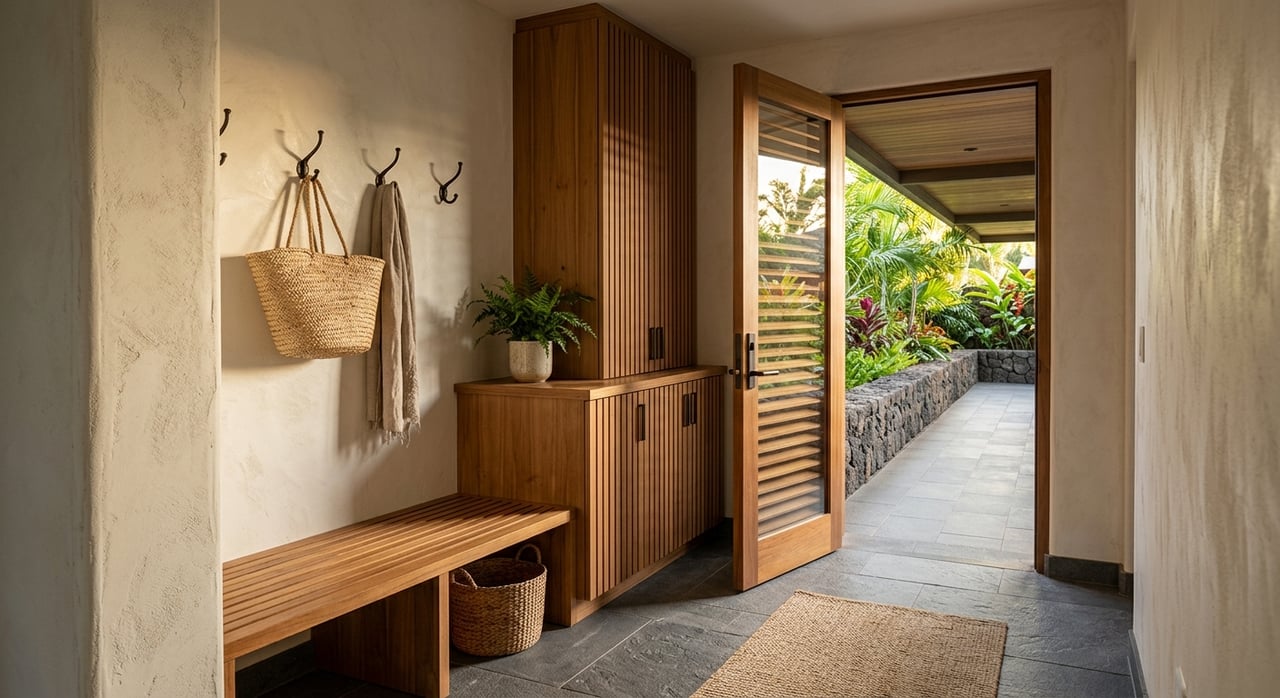
- Create strong entry zones for beach gear and shoes
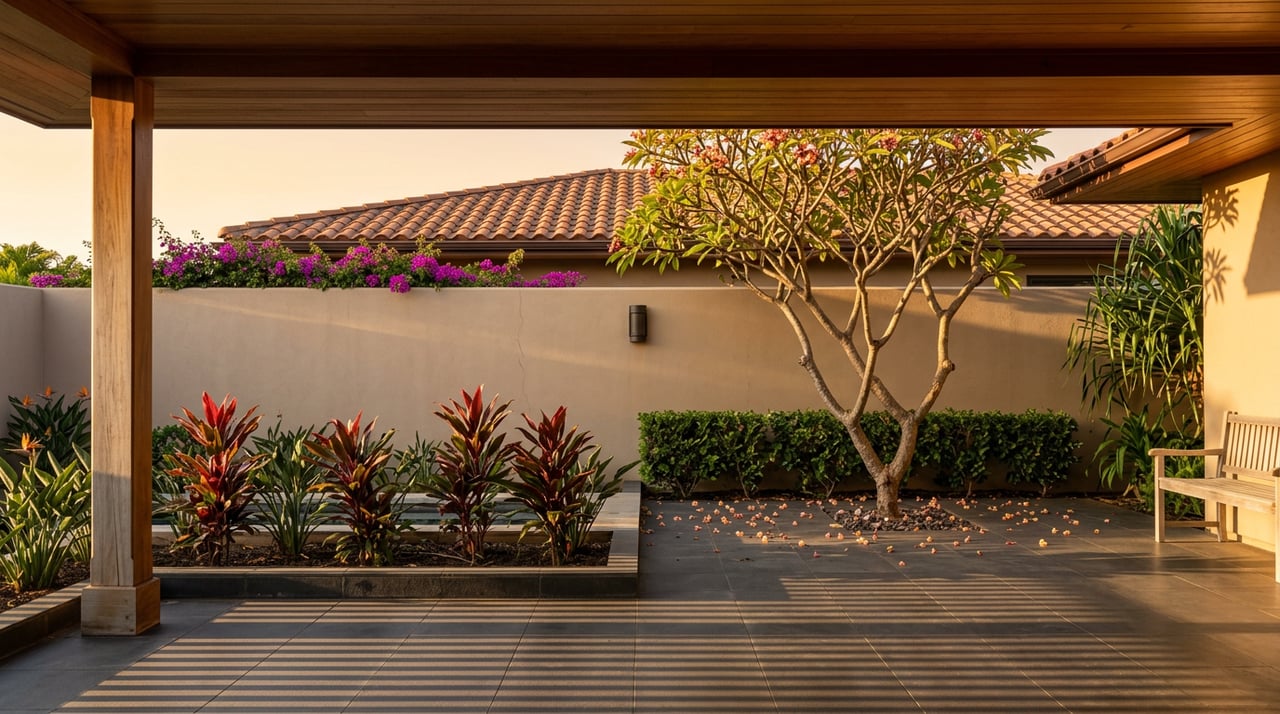
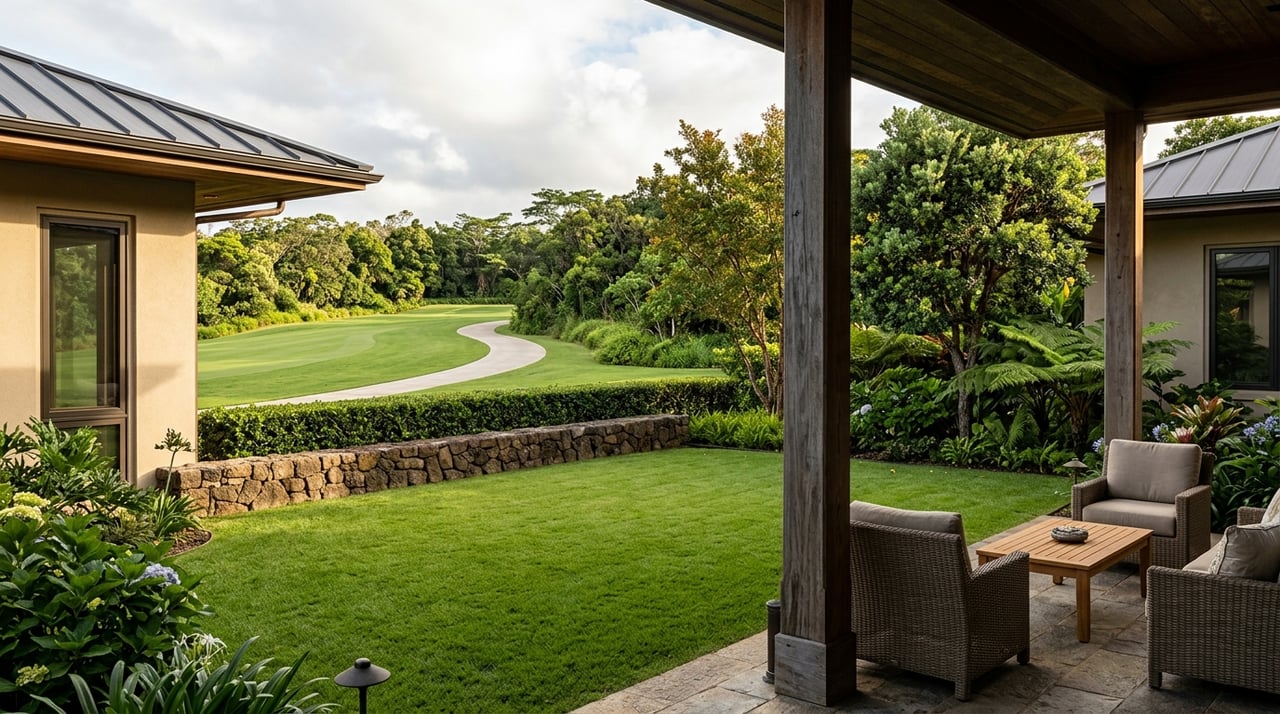
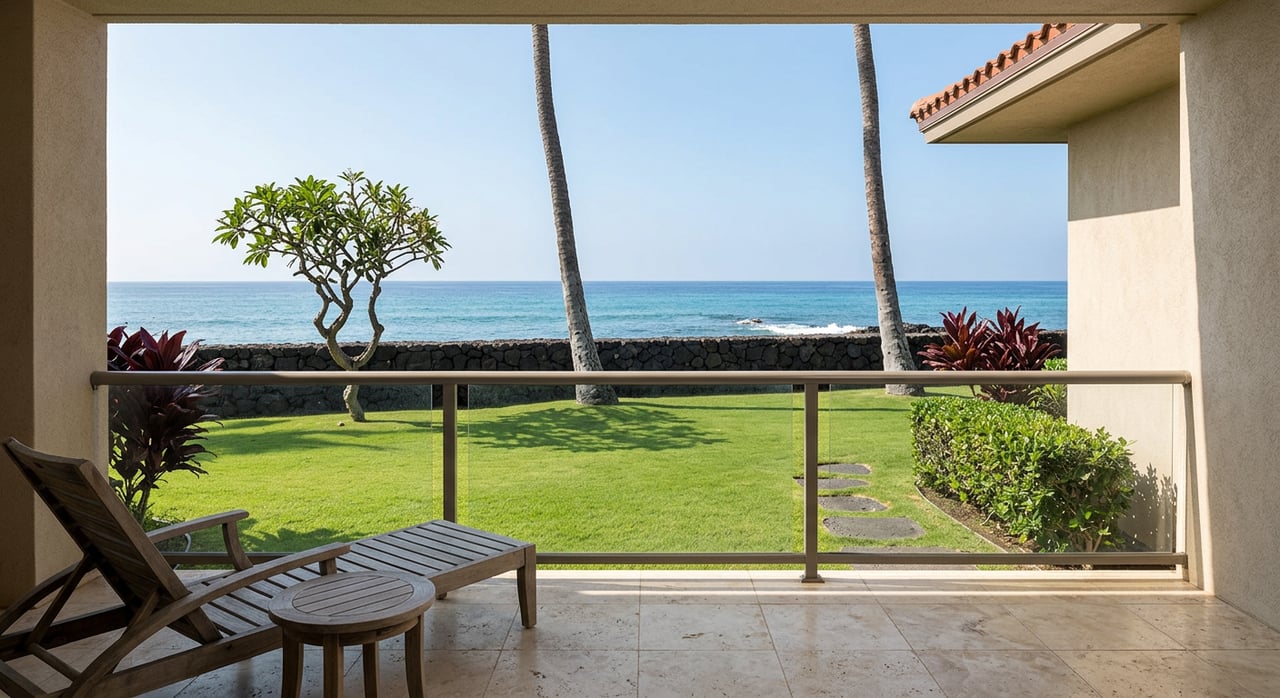
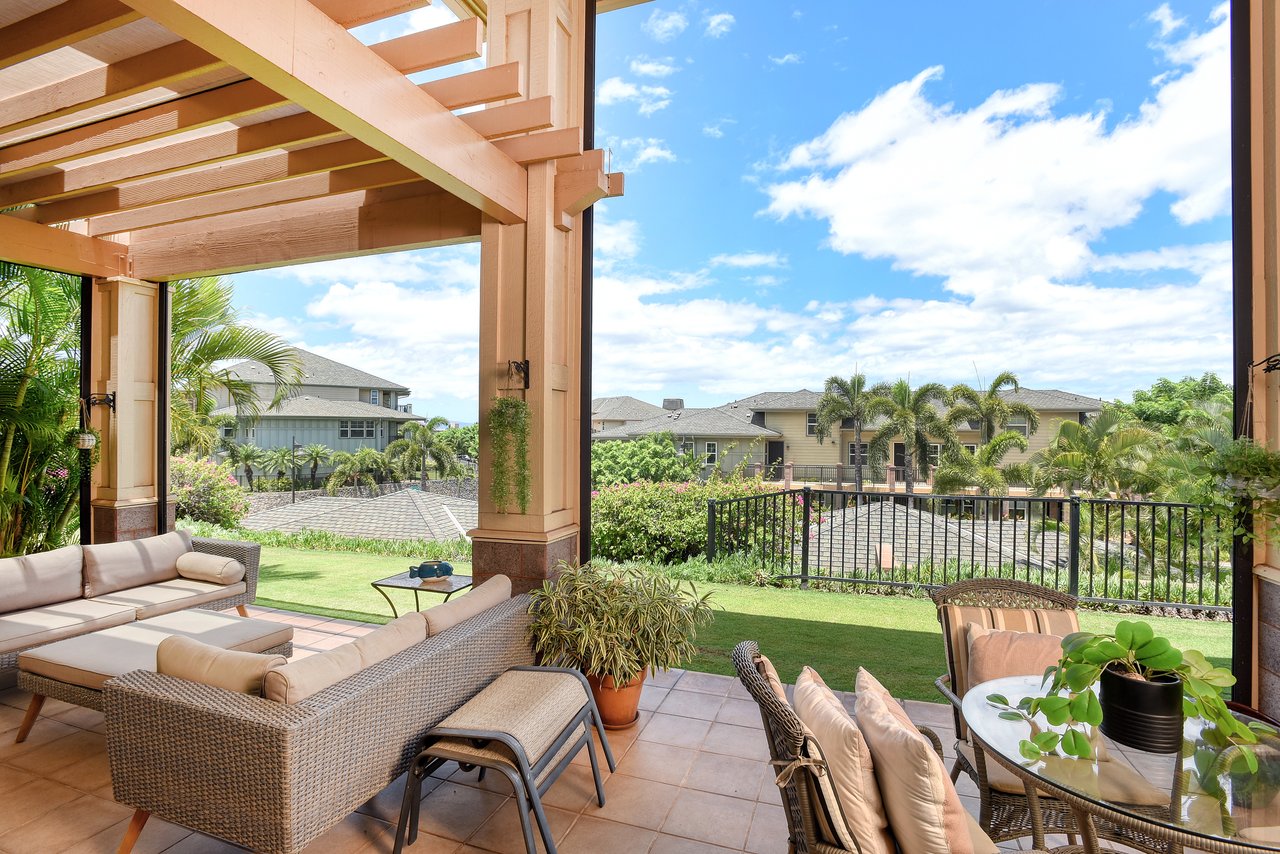
- Add covered transitions like lanais or sheltered seating areas
- Include storage that helps contain sand, towels, and outdoor items
These details make everyday living easier, especially if the home is used seasonally or as a second home.
Pick Finishes That Handle Salt Air
Coastal beauty comes with real wear and tear. For homes near the shoreline, FEMA guidance on coastal construction notes that salt spray is strongest near breaking waves and decreases with distance, and that exposed metal fasteners can corrode within just a few years in coastal settings. FEMA recommends stainless steel within 3,000 feet of the coast and advises corrosion-resistant metals for equipment exposed to salt spray.
Inside the home, that supports a simple rule: choose materials that look good and hold up. Hardware, fixtures, and functional details should be selected with durability in mind, not just appearance.
Better Low-Maintenance Choices
To make a Paia beach home easier to care for, consider:
- Stainless or corrosion-resistant hardware
- Washable upholstery
- Removable cushion covers
- Sealed surfaces that wipe clean easily
- Simple rug layers that can be shaken out or replaced
- Durable finishes in high-traffic areas
These upgrades are especially helpful if the home sits vacant for stretches between visits.
Balance Openness With Resilience
It is easy to focus on the dream of indoor-outdoor living, but North Shore conditions make durability just as important. Maui County’s North Shore information points to exposure from northeast, north, and northwest swell patterns, along with year-round trade-wind waves and a history of tsunami inundation. County planning also addresses coastal erosion, high windstorms, hurricanes, floods, tsunamis, and sea-level rise.
For design, that means the best interiors are not just beautiful. They are thoughtfully edited to handle wind, humidity, sun, and coastal exposure while still feeling open to the outdoors.
What This Means for Your Design Plan
A strong Paia interior often includes:
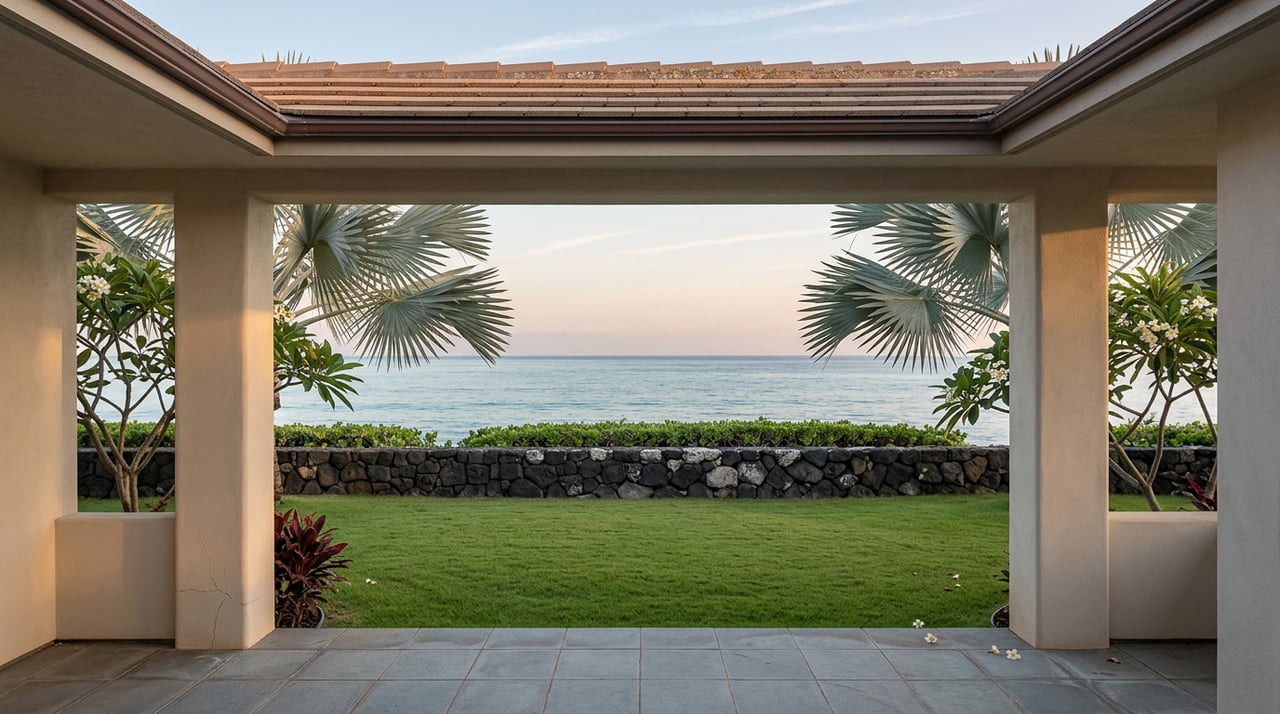
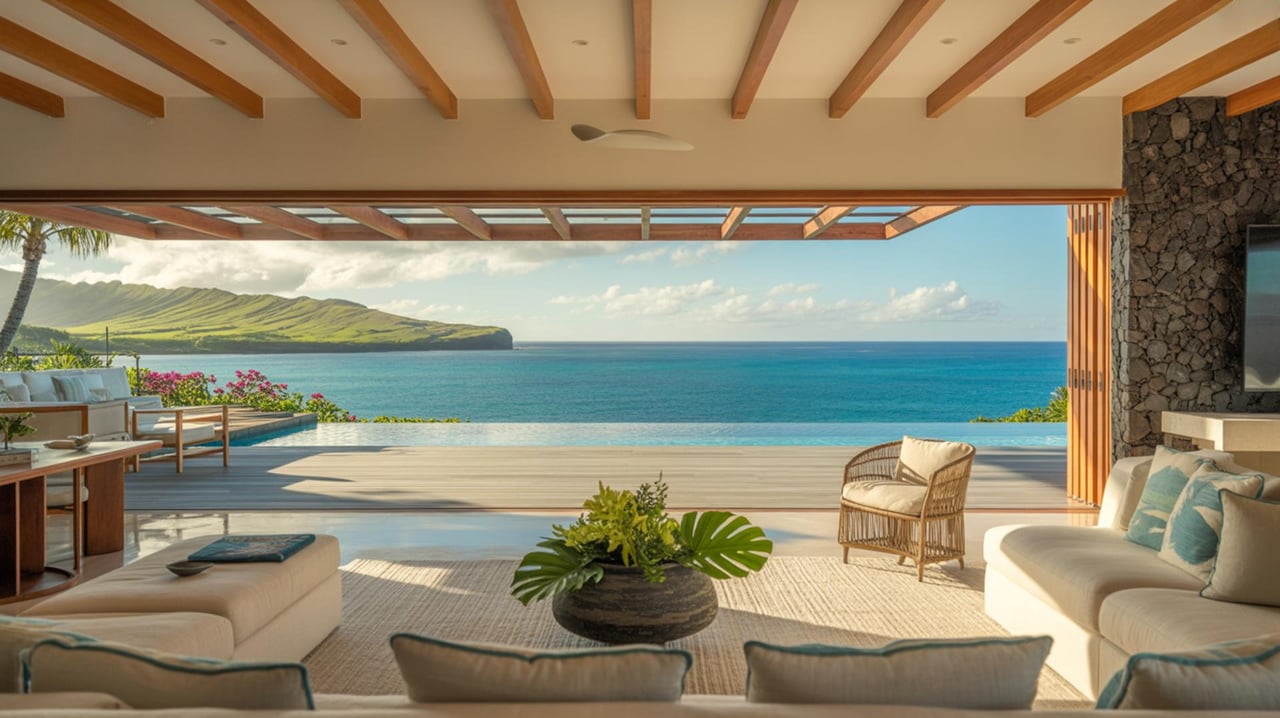
- Large openings and visual connection to the outside
- Furnishings that can handle daily use and moisture
- Minimal clutter so the home feels calm and breathable
- Durable materials in sun-exposed areas
- A layout that supports both relaxing and easy upkeep
This balance is what helps a beach home feel effortless.
Ocean-Inspired Ideas Room by Room
If you want a practical starting point, think about the home one space at a time. Small, intentional choices usually create a stronger result than trying to redo everything at once.
Living Room
Use a neutral foundation with texture doing most of the work. A warm wood coffee table, linen-look sofa, woven rug, ceramic lamps, and a few sea-glass or muted blue accents can create a coastal feel without becoming predictable.
Kitchen and Dining
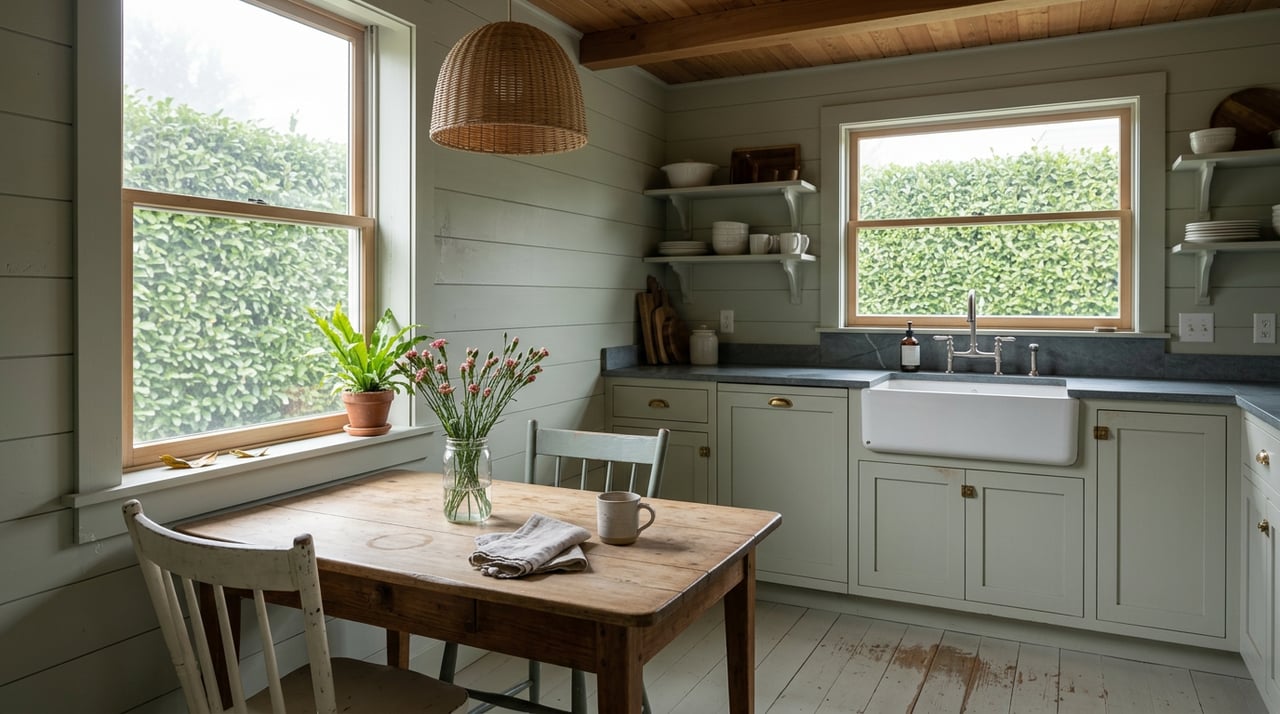
Keep finishes simple and easy to clean. Matte surfaces, warm wood stools, understated pendants, and handmade serving pieces can make the room feel polished and grounded.
Bedroom
Aim for calm and softness. Layer breathable bedding, subtle ocean-toned accents, and minimal decor so the room feels restful and uncluttered.
Entry or Mudroom Area
This is one of the most useful spaces in a beach home. Bench seating, hooks, baskets, and closed storage can help manage towels, sandals, and beach gear before they spread into the main living areas.
Why Design Matters in a Paia Home Search
For buyers considering Paia, interior style is not just about looks. It shapes how a property lives day to day, how easy it is to maintain, and whether it feels true to its setting.
If you are comparing homes or thinking about how to position a property for sale, it helps to understand what works in this part of Maui. A well-designed Paia home should feel connected to the North Shore’s history, art, and coastal environment while also supporting practical island living.
If you are exploring Paia properties and want guidance rooted in long experience with Maui’s lifestyle markets, Riette Jenkins offers a thoughtful, concierge-level approach to helping you evaluate what makes a home truly fit its setting.
FAQs
What makes ocean-inspired interior design work in a Paia home?
- The best approach is usually refined and layered, using soft coastal colors, natural textures, and curated art that reflect Paia’s historic, surf, and gallery-oriented character rather than a literal beach theme.
Which colors work best for Paia beach house interiors?
- Sophisticated Paia palettes often include sand, oyster, driftwood, sea-glass green, muted aqua, pale blue, reef coral, and deeper ocean accents used sparingly.
What materials hold up best in Paia’s coastal climate?
- Natural-looking but practical materials tend to work well, including warm woods, linen-look fabrics, sealed surfaces, woven rugs, and stainless or corrosion-resistant hardware for homes closer to the shoreline.
How should you design a Paia second home for easier upkeep?
- Focus on washable upholstery, removable covers, simple rug layers, strong entry storage, and easy-clean finishes that can handle stretches of vacancy between visits.
How can a Paia home feel coastal without looking overly nautical?
- Skip obvious themed decor and build the look through texture, muted ocean colors, artisan pieces, and art that references the shoreline in a subtle way.
Why do durability and resilience matter in Paia interior design?
- Paia’s North Shore setting includes salt air, wind, humidity, strong sun, and broader coastal hazard considerations, so interiors should be designed to stay open and inviting while also being practical and durable.