Trying to choose between Kihei and Wailea for your South Maui condo base? The right answer comes down to lifestyle, legal use, and long‑term costs. If you want casual beach days and value pricing, Kihei calls. If you want a curated resort feel and hotel‑level services, Wailea fits. In 2026, there is one more key factor to weigh: how Maui County’s new rules affect short‑term rentals and future value. Let’s dive in.
Quick take: Kihei vs Wailea
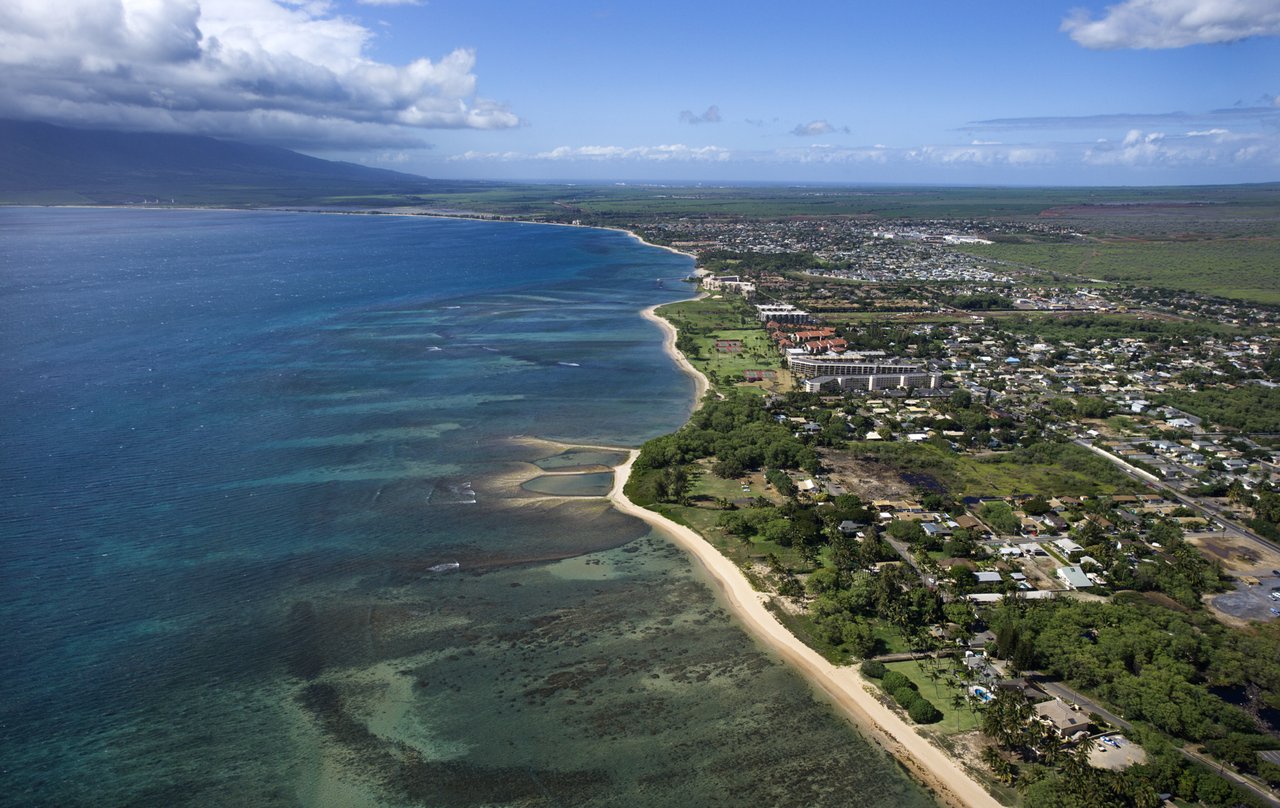
Kihei offers a laid‑back beach town vibe, public beach parks, and a wide range of older low‑rise condos at varied price points. Many complexes historically allowed short‑term rentals under apartment zoning, which is central to today’s regulatory changes. Background reporting on the “Minatoya List” explains why so many Kihei condos are in the spotlight for new limits on transient rentals. Learn more about the Minatoya List.
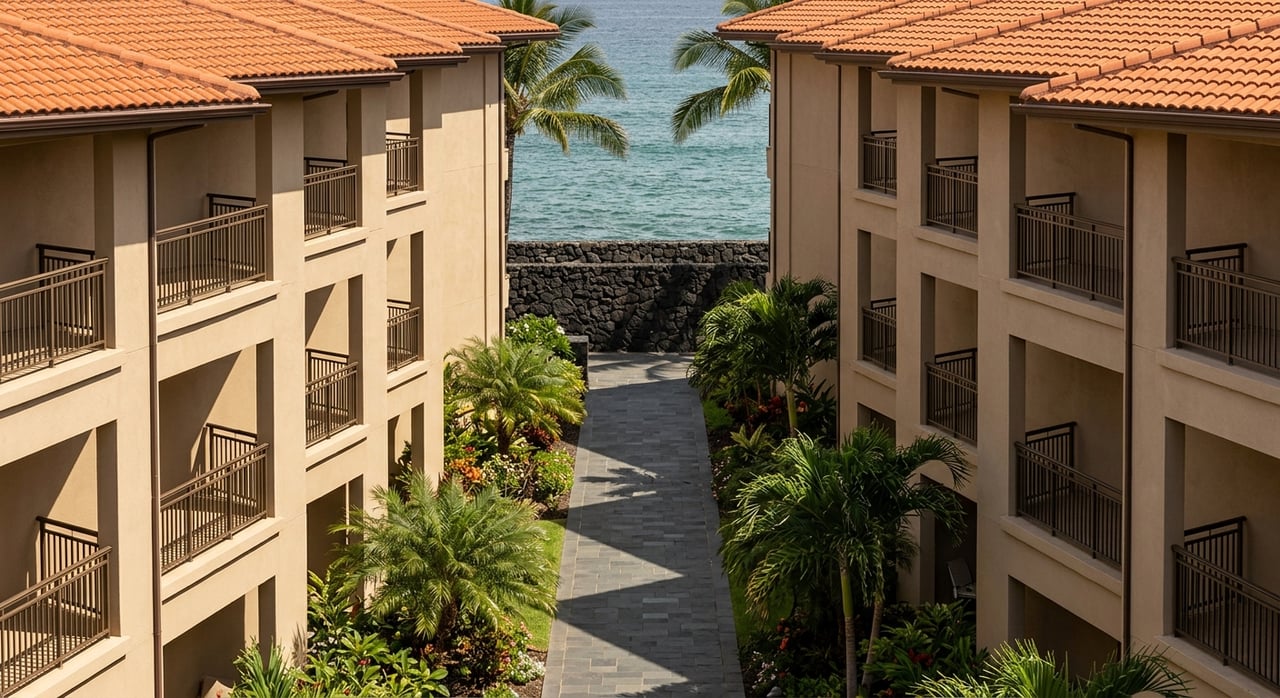
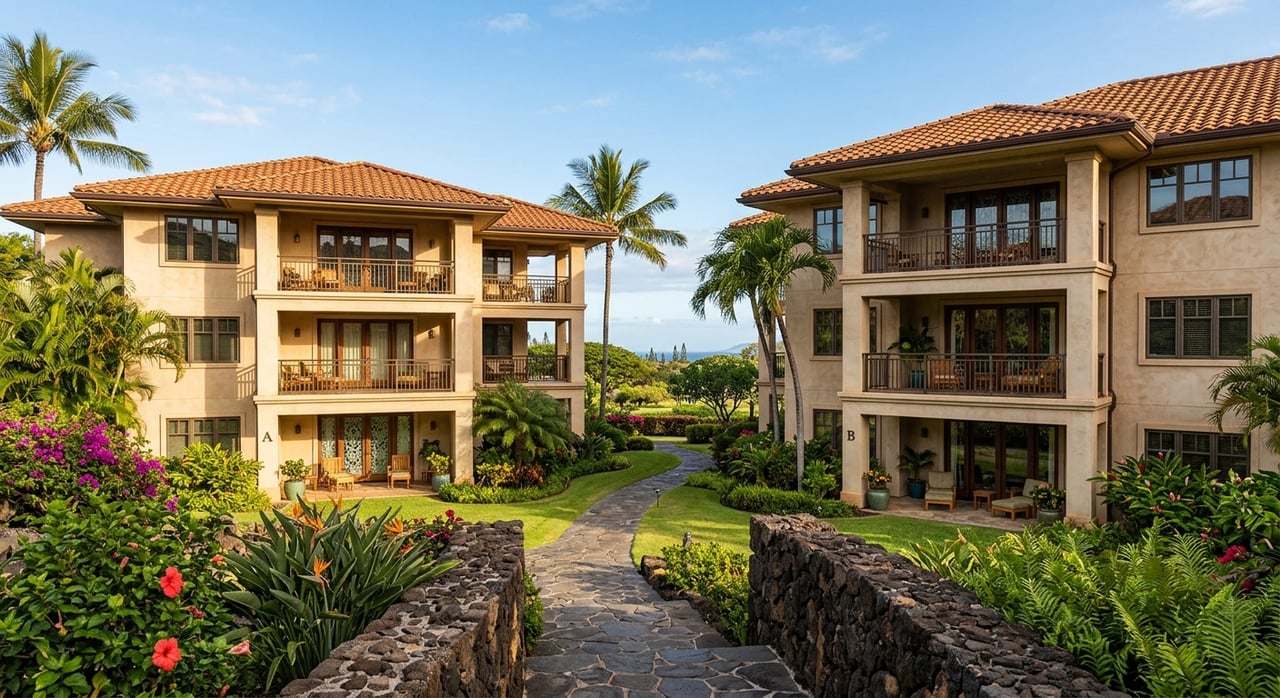
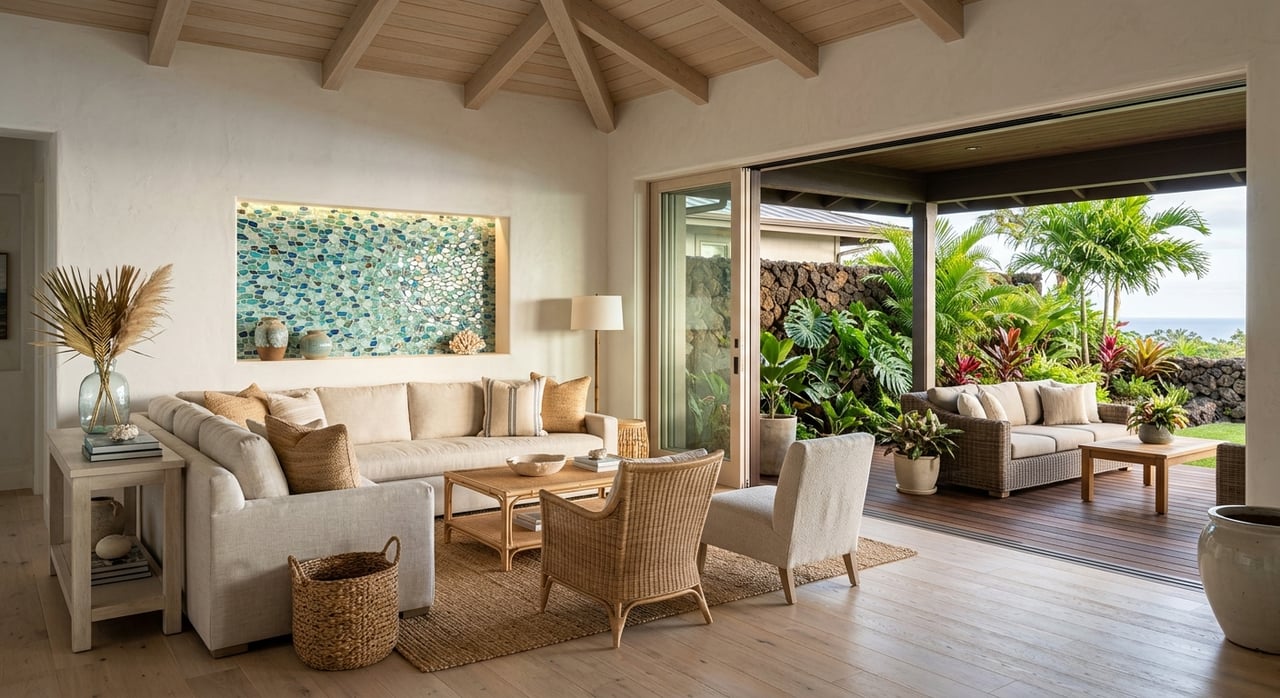
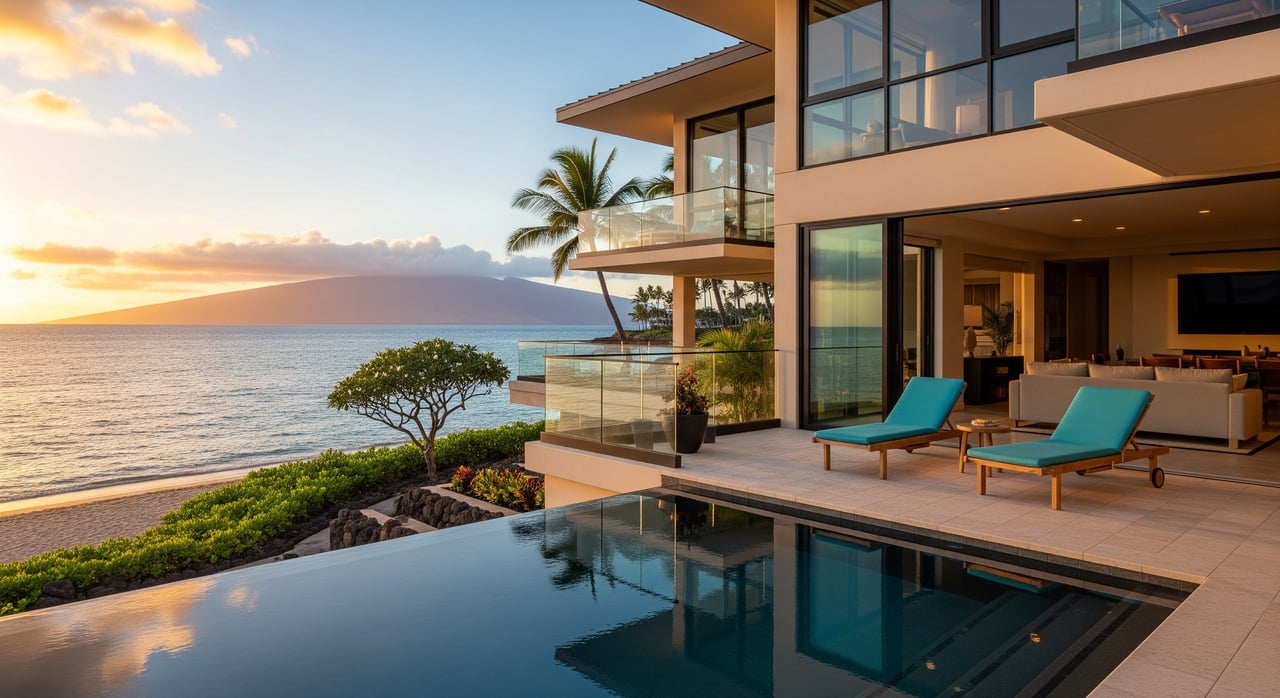
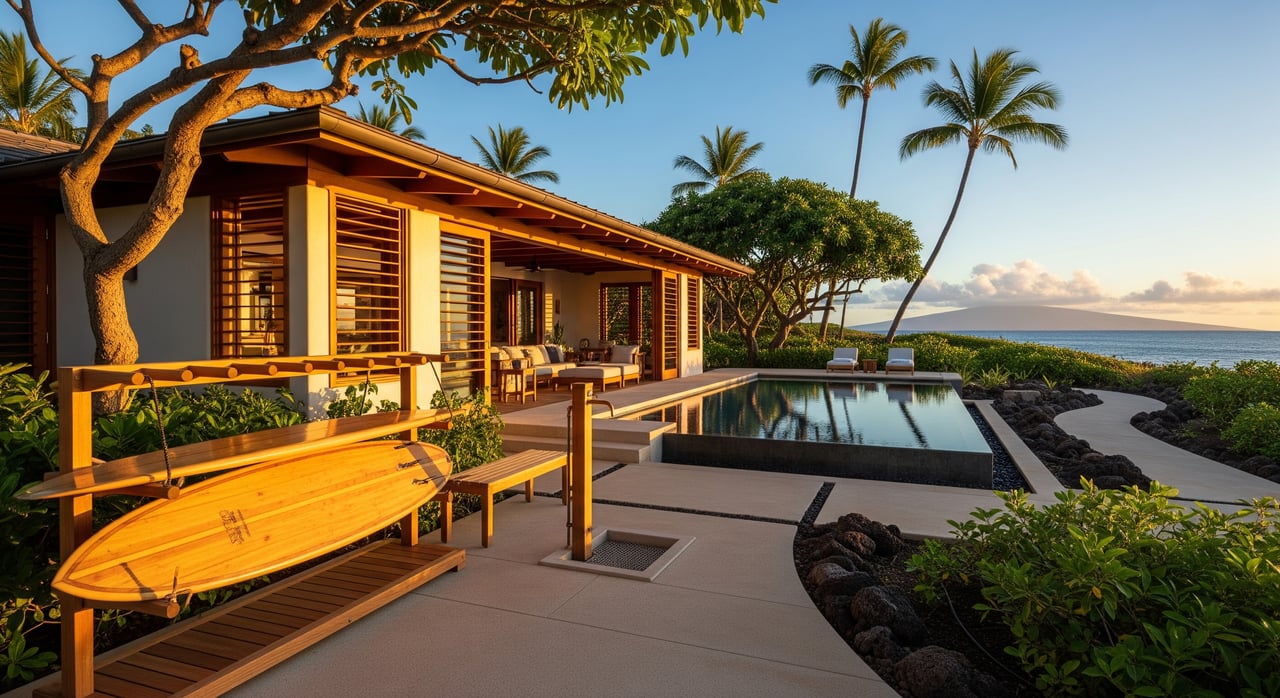
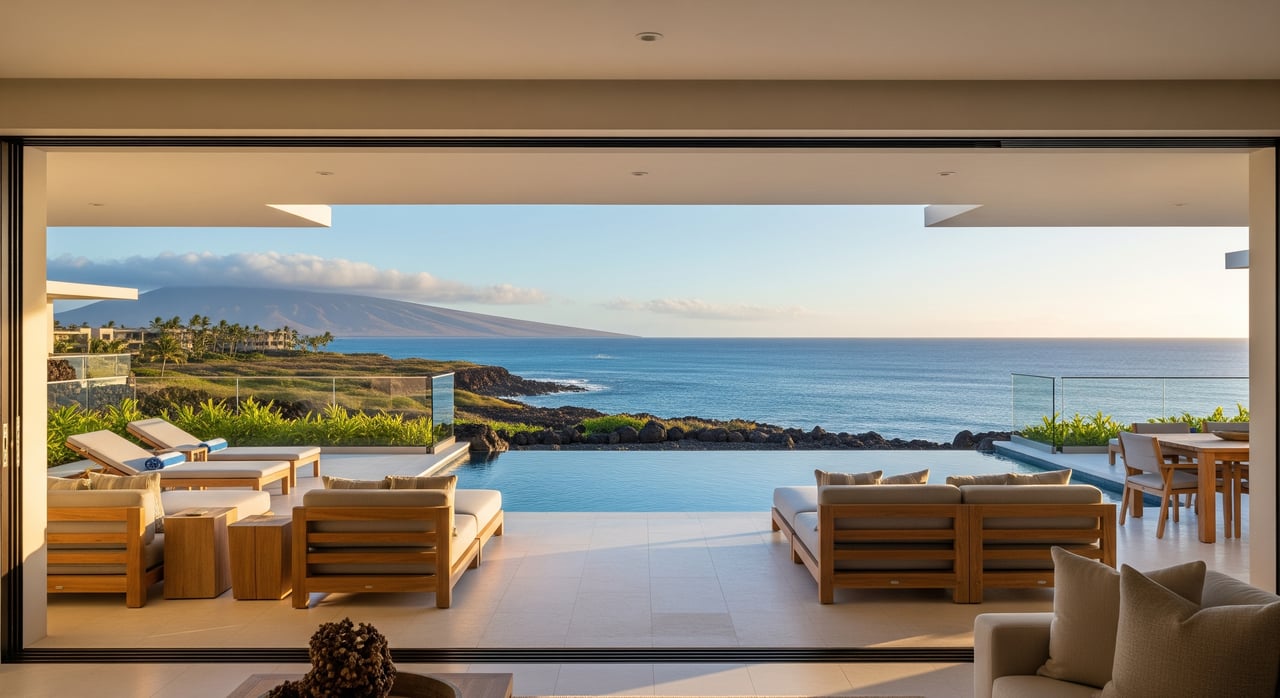
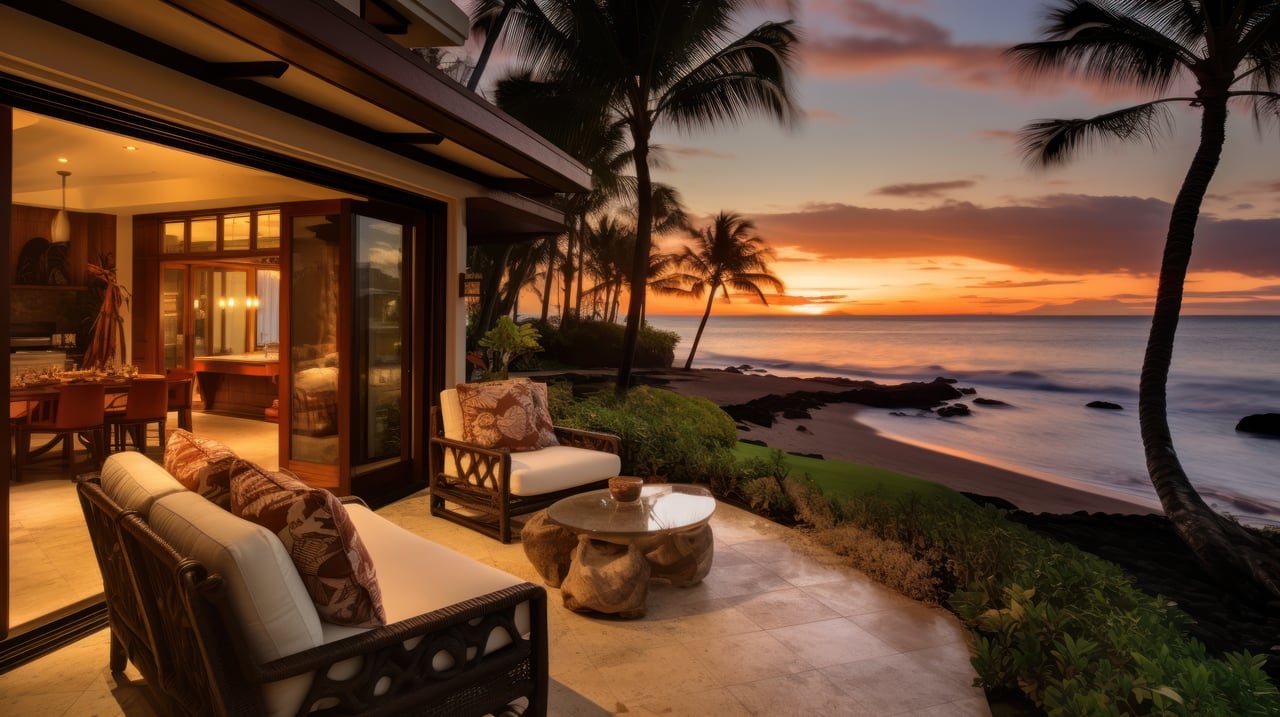
Wailea is a purpose‑planned luxury resort district with five‑star hotels, a compact walkable core, and resort‑zoned or hotel‑zoned condo communities. That zoning context is a big differentiator for buyers who want professionally managed vacation rentals and turnkey services. Explore the resort layout and condo neighborhoods through the Wailea Resort Association.
What Bill 9 means in 2026
Maui County’s Bill 9 set a phase‑out timeline for transient vacation rental use in many apartment‑zoned condos, including a large share in South Maui. This matters most if you plan to rely on short‑term rental income. Always confirm a unit’s zoning and whether it appears on the Minatoya List before assuming rental revenue. Review the County’s overview of Bill 9 and implementation.
Why it matters: as apartment‑zoned STRs convert to long‑term use or face stricter limits, investor demand can shift and pricing in affected complexes can soften. Hotel‑zoned and resort‑zoned properties, which are common in Wailea, are treated differently under the County framework. For ownership patterns behind the policy, see this Minatoya background and ownership analysis.
Lifestyle and location
Beaches and access
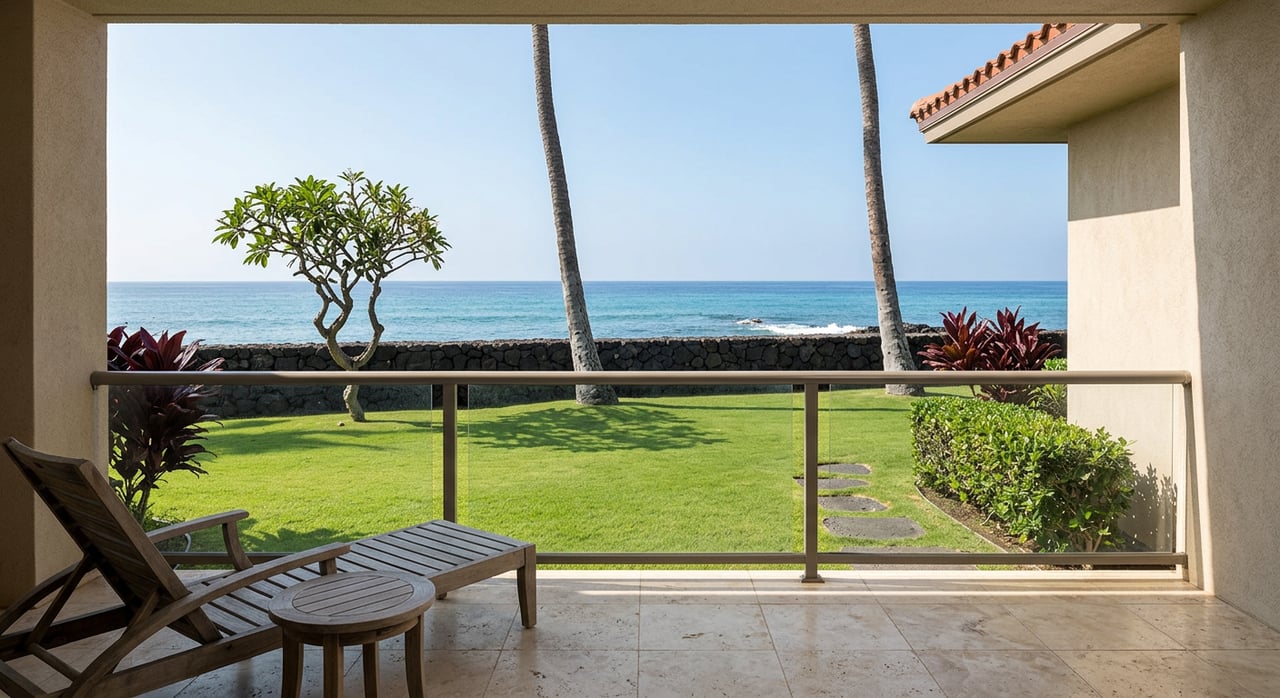
Kihei gives you easy access to public beach parks like Kamaole I, II, III and Keawakapu, often walkable from many condos. The vibe is relaxed and community‑oriented, with lifeguarded parks and great sunset spots. Wailea’s coastline showcases protected crescent beaches such as Ulua, Wailea, Mokapu, and Polo, plus a maintained oceanfront boardwalk that links hotels and resort communities. Get a feel for Wailea’s beach and recreation network through the Wailea Resort recreation guide.
Dining and services
Kihei concentrates casual eateries, local coffee spots, grocery options, and value‑minded retail along South Kihei Road and the Piʻilani corridor. Wailea focuses fine dining, luxury shopping, and spa services around the Shops at Wailea and the resort hotels. Both areas have nearby urgent care and medical clinics, with hospital services up in Central Maui. For a quick scene‑setter on South Maui conveniences, browse this South Maui vacation guide.
Getting around
Kihei sits closer to Kahului Airport and is central for island day trips. Wailea is farther south, still within a reasonable drive of the airport. Drive times vary by traffic and season, especially during peak visitor periods.
Condo types and ownership patterns
Kihei buildings and use
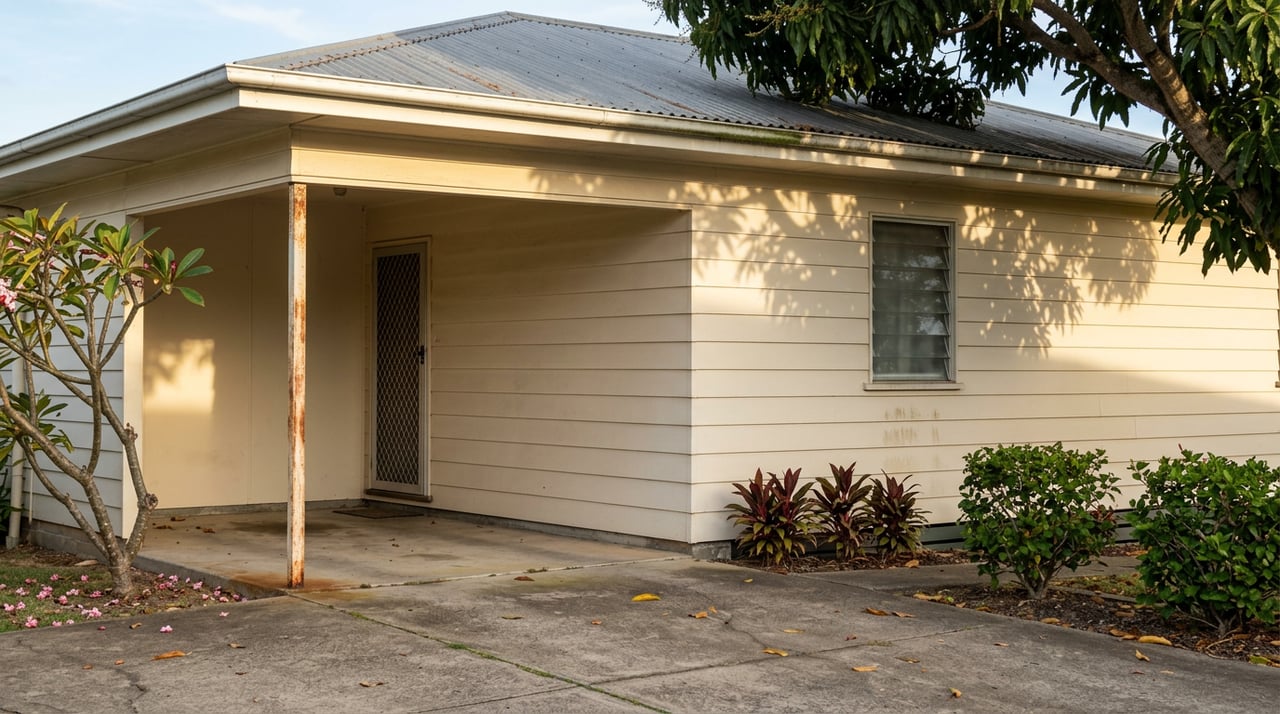
Many Kihei condos were built in the 1970s through the 1990s. Floor plans range from studios and one‑bedrooms to larger two and three‑bedroom layouts in select complexes. Several well‑known properties historically operated as legal short‑term rentals under apartment zoning, which is why Kihei features prominently on the Minatoya List. See the policy background on STR concentration in Kihei through Hawaiʻi Public Radio.
Wailea buildings and use
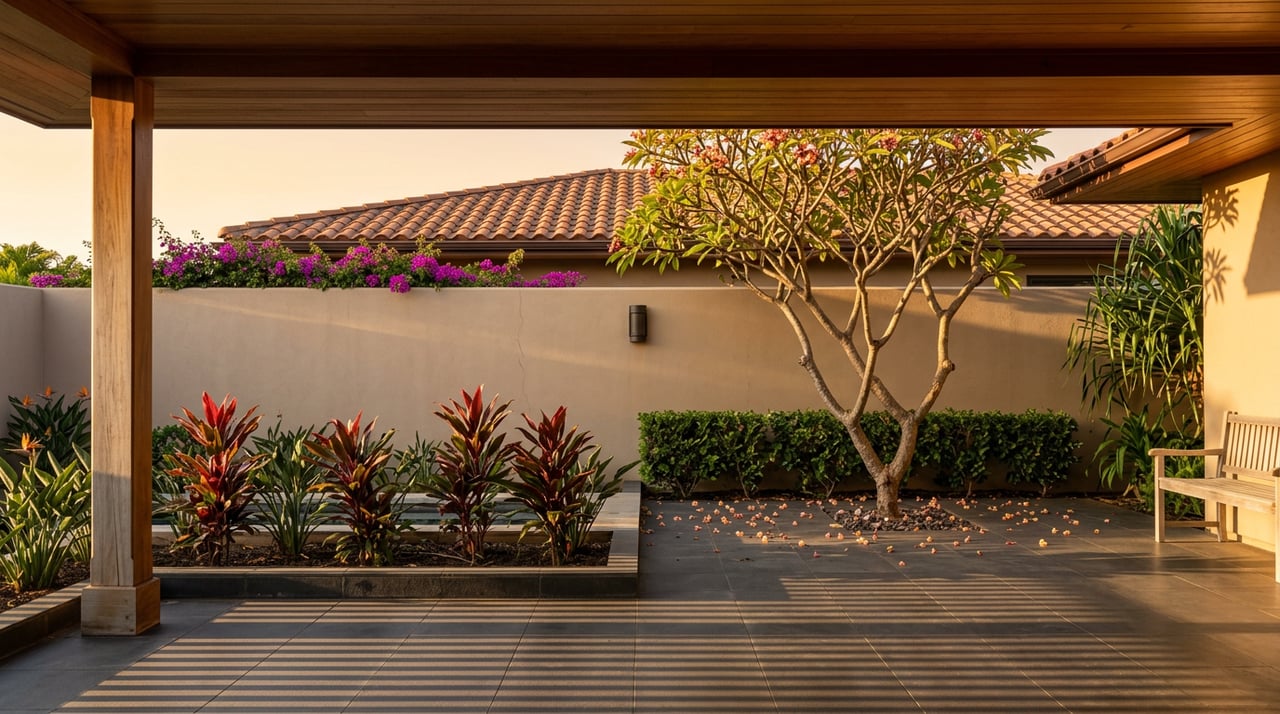
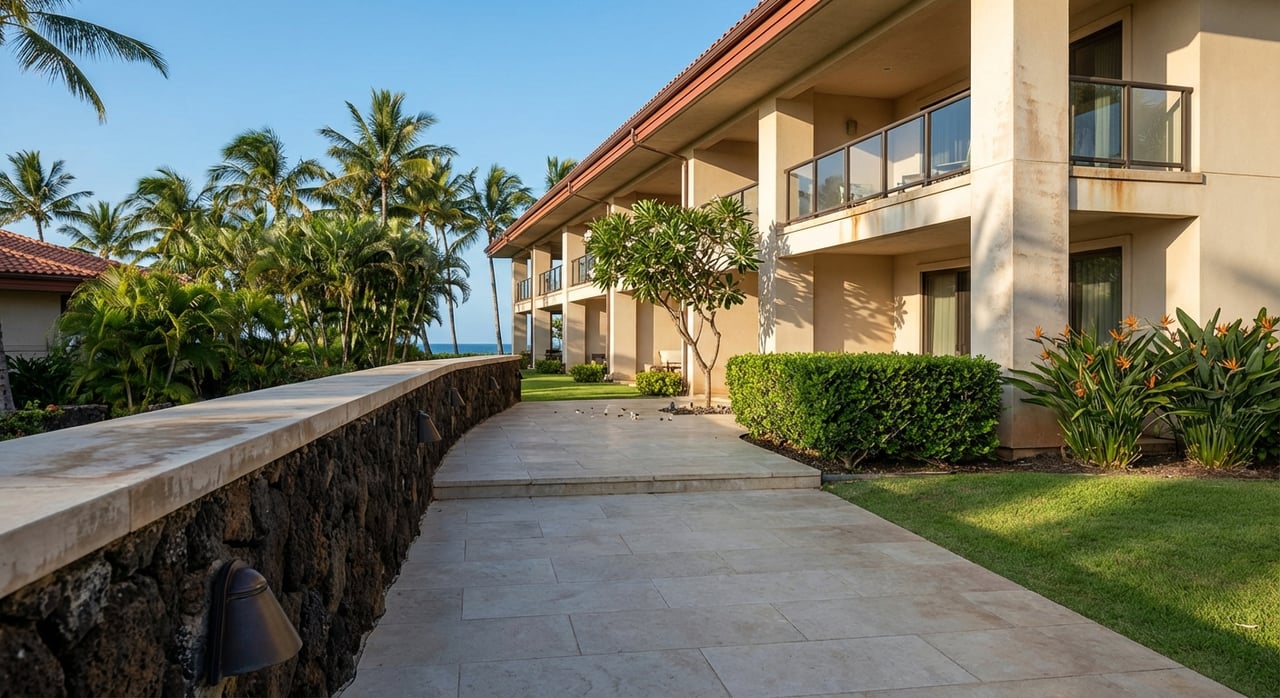
Wailea’s resort communities were master‑planned with larger footprints, resort‑grade finishes, and gated townhome or villa layouts. Notable neighborhoods include Hoʻolei, Wailea Elua, Wailea Ekahi, Wailea Ekolu, and Wailea Beach Villas. Many Wailea addresses benefit from hotel or resort zoning that aligns with professional rental programs and hotel‑style services. For an at‑a‑glance view of the communities and amenities, visit the Wailea Resort Association real estate page.
Cost and carrying considerations
- HOA and common charges: High‑amenity Wailea complexes and gated townhomes often carry monthly fees in the thousands due to services and facilities. Many Kihei properties show lower fees, but services vary widely. Compare line‑item budgets, what is included, and recent or pending assessments.
- Property taxes: Maui County taxes properties by classification, including owner‑occupied, non‑owner occupied, apartment, hotel or resort, and transient vacation rental classes. Hotel and transient categories typically carry higher rates per thousand than owner‑occupied tiers. Confirm the parcel’s current classification with Maui County Real Property before you write offers.
- Insurance and climate risk: After the 2023 Lahaina wildfires, the insurance market tightened. State measures in 2025 aimed to stabilize condo coverage, but availability and pricing remain project‑specific. Review the association’s insurance program and any recent non‑renewals or special assessments. Learn about the policy context from the Hawaii Senate Majority’s insurance updates and news.
- Market context: As of early 2026, condo inventory is elevated compared with 2024 and days on market are longer. That can improve your negotiating leverage, especially for units with regulatory uncertainty.
Which area fits your goals
- Vacation‑first, professionally managed STR: You will likely focus on Wailea’s hotel‑zoned or resort‑zoned communities that align with rental programs and concierge services. Confirm each AOAO’s rental rules and on‑site program terms.
- Lower‑cost second home, casual beach life: Kihei offers broad price variety and easy access to public beaches and local dining. If occasional STR income is part of your plan, verify the unit’s zoning and status on the Minatoya List and model a no‑STR scenario.
- Primary residence or relocation: Kihei often provides more options with lower monthly carrying costs and quick access to everyday services. Wailea suits buyers who want a resort lifestyle and can absorb higher fees.
- Luxury second home or portfolio asset: Wailea’s curated resorts, golf, spa access, and professional management appeal if you want low maintenance and high service.
Due diligence checklist for South Maui condos
- Confirm zoning and STR status. Is the unit apartment‑zoned and on the Minatoya List, or hotel or resort‑zoned? Review the County’s Bill 9 overview and the AOAO’s rules.
- Verify property tax classification. Ask the seller’s agent for the current tax class, then confirm with Maui County Real Property.
- Read AOAO documents. Review CC&Rs, house rules, rental policies, reserve studies, budgets, insurance certificates, meeting minutes, and any special assessment history. The Wailea Resort Association provides useful community context for Wailea projects.
- Get insurance quotes and lender input. Ask for quotes on the unit and association coverage, and check with lenders about project eligibility and underwriting tied to legal use.
- Understand beach and parking rules. South Maui is piloting beach parking programs that prioritize residents and charge visitors. See Maui Now’s overview of the Park Maui beach parking program.
- If you expect STR income, request proof. Ask for three years of booking histories, occupancy, gross and net figures, expense details, and registration documents. Plan for scenarios where STR use changes. The Minatoya analysis from Hawaiʻi Public Radio explains why.
How to compare your shortlists
- Define must‑haves by category. Separate lifestyle factors, legal use, and cost. Keep each list short and measurable.
- Rank legal clarity first. Favor hotel or resort zoning if STR income is essential. For apartment‑zoned units, confirm status and timeline under Bill 9.
- Compare true monthly costs. Add HOA, taxes based on classification, insurance estimates, utilities, and a reserve for assessments.
- Test your use case. If you plan to rent, model conservative revenue and a no‑STR fallback. If you plan to live full‑time, test commute and beach access during peak hours.
- Validate comps and momentum. Review recent sales and days on market in the exact complex, then negotiate accordingly.
If you want a grounded, side‑by‑side plan for Kihei and Wailea options, you do not have to figure it out alone. For private guidance, curated tours, and a strategy that fits your goals, reach out to Riette Jenkins to start the conversation.
FAQs
Can I still rent a Kihei condo short‑term in 2026?
- Only if the unit is legally permitted today. Many apartment‑zoned condos are slated for phase‑out under Bill 9, so verify zoning, Minatoya List status, and AOAO rules using the County’s Bill 9 overview.
How do Wailea condos compare for value stability?
- Wailea typically commands higher prices and caters to luxury demand. Hotel and resort zoning there is currently less exposed to the apartment‑zone phase‑out under Bill 9, which can support long‑term positioning, though market cycles still apply.
How do HOA fees differ between Kihei and Wailea?
- Wailea’s resort‑grade and gated communities often carry monthly fees in the thousands due to services and amenities. Many Kihei complexes show lower fees but fewer services. Compare full budgets, reserves, and assessment history.
What lifestyle differences should I expect between Kihei and Wailea?
- Kihei offers casual dining, local retail, and easy access to public beach parks. Wailea concentrates fine dining, luxury shopping, a maintained oceanfront boardwalk, and hotel‑level services. See the Wailea recreation guide for a feel of resort amenities.
What should I review before making an offer on a South Maui condo?
- Confirm zoning and STR status, tax classification, AOAO rules and reserves, insurance coverage, and beach or parking program impacts. For policy context, start with the County’s Bill 9 summary and cross‑check with association documents.