Are AOAO or HOA fees making you hesitate on a Makena condo? You’re not alone. Monthly dues can shape your ownership experience and long-term costs, especially in an oceanfront, resort setting. In this guide, you’ll learn what these fees cover, how to read reserves and insurance details, and which documents to request so you can buy with clarity. Let’s dive in.
AOAO vs HOA in Hawaii
In Hawaii, most condos are governed by an AOAO, the Association of Apartment Owners. The AOAO operates under Hawaii’s condominium statute and the project’s declaration, bylaws, and house rules. These set how assessments are created, how repairs are handled, and how reserves are funded. When you see AOAO in Makena, think “condo association” and review its governing documents.
Why Makena fees can be higher
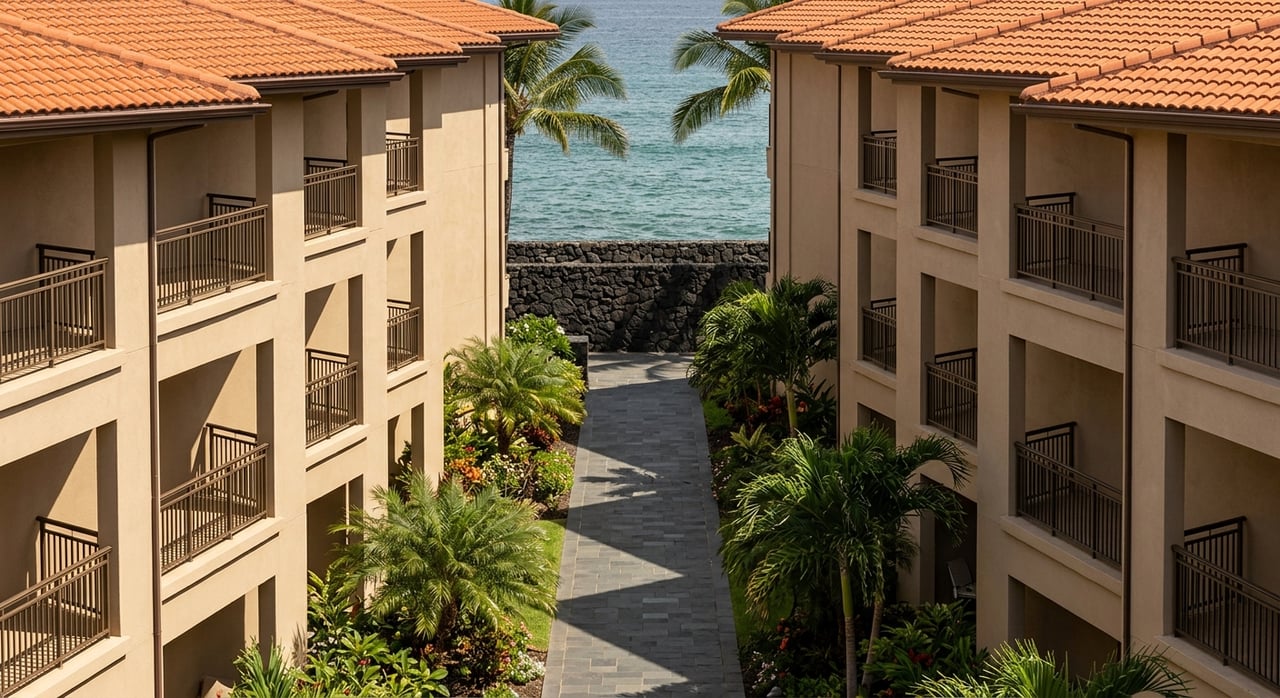
Makena’s oceanfront setting can increase upkeep. Salt air, wind, and tropical conditions often mean faster wear on roofs, rails, exterior finishes, and pool systems. Weather risks and island insurance markets can push premiums and deductibles higher than many mainland areas. Maui’s utility structure also matters, since electricity and water arrangements vary by project, and rates can be higher than mainland averages.
Short-term rental rules and the mix of full-time and part-time use can influence insurance, wear-and-tear, and management needs. Always confirm current rental policies in the AOAO’s rules and recent board minutes.
What AOAO fees include
Types of assessments and fees
- Regular monthly common assessments for operations and reserve contributions
- Special assessments for unplanned capital work or shortfalls
- Transfer, move-in or application fees when units change hands
- Fines or late fees for rules or payment issues
- Amenities-based charges for parking, storage, or resort facilities, when applicable
Typical budget categories
- Master property insurance for the building structure and common elements
- Reserve contributions for capital replacements such as roofs, paint, elevators, or plumbing
- Common-area utilities, including electricity for lighting, pumps, and elevators, plus water for irrigation or pools
- Maintenance and repairs like landscaping, janitorial, pool service, pest control, and common HVAC care
- Management and administration, including professional management or on-site staff, accounting, and supplies
- Trash, sewer, and recycling services
- Elevator contracts and inspections where applicable
- Security or gate systems
- Legal, audit, engineering, and reserve study costs
- Amenities operations such as pool chemicals or fitness equipment maintenance
- Taxes on common elements where applicable, plus a contingency line
Insurance and deductibles
Review what the master policy covers and what you need to insure inside your unit. Ask for the policy’s deductible amounts for wind or hurricane and whether the AOAO’s reserves can cover those deductibles. If a deductible is large, a special assessment may be used after a claim if cash on hand is not sufficient.
Reserves and how to judge health
What a reserve study includes
A reserve study lists major components, their useful life, and remaining life. It recommends a funding plan so future replacements can be paid for without severe disruptions. Best practice is to update the reserve study regularly and refresh financials each year.
Key metrics to watch
- Fully funded balance: the cash needed to stay on track with replacements
- Percent funded: actual reserve balance divided by the fully funded balance
- Funding plan: the schedule for contributions and future spending
Signs of healthy reserves
There is no one-size-fits-all target. Many associations watch percent funded levels and aim to keep reserves trending up while staying aligned with the study. Coastal and resort properties often need higher per-unit capital spending due to exposure. It is normal for oceanfront communities to budget more for reserves and exterior work.
Red flags in reserves
- No recent reserve study
- Very low percent funded levels
- Repeated special assessments without a clear capital plan
- Reliance on loans or credit lines to fund routine replacements
- Large deductibles that exceed reserve cash
Makena Surf-style example: line items to expect
The outline below is illustrative only, not actual Makena Surf financials. Use it as a guide for what you might see in a Makena AOAO budget, then confirm with current documents.
- Master insurance premium for common property and liability
- Reserve contributions for capital replacements
- Property management fee or on-site staff payroll
- Landscaping and irrigation
- Pool and spa maintenance and chemicals
- Elevator service and inspections
- Common-area electricity and water
- Trash collection and recycling
- Pest control
- Roof and exterior maintenance or painting
- Janitorial for lobbies and walkways
- Legal, accounting, and annual audit
- Administrative expenses and office supplies
- Contingency or operating surplus
How to analyze similar budgets:
- Expect larger allocations to insurance and reserves in oceanfront luxury communities. Confirm the age of costly components like roofs, balcony railings, and exterior paint.
- If insurance looks unusually high, ask for the declaration page and deductible details.
- If utilities are a big line, ask which utilities are included in your dues and which are separately metered to the unit.
- Compare reserve contributions year over year. Are they increasing in line with the study or getting trimmed to keep dues flat?
Due diligence checklist for buyers
Documents to request
- Current operating budget and recent financial statements
- Most recent reserve study and any updates
- Current reserve balance and a 12 to 36 month reserve transaction history
- Master insurance declarations with coverage and deductible summaries
- Board meeting minutes for the last 12 to 24 months
- Bylaws, declaration, and house rules, including rental policies
- Special assessment history and any planned assessments
- Delinquency report with percentages past due over 30, 60, and 90 days
- List of any litigation involving the AOAO
- Contracts for major vendors such as management, landscaping, elevators, and pool services
- Inspection or engineering reports for common elements
- Vendor certificates of insurance for active projects
- Permits history for major common work
Questions to ask
- When was the last reserve study completed and by whom? Are any recommendations deferred?
- What is the current percent funded and how will contributions change?
- What are the wind or hurricane, flood, and earthquake deductibles? How would deductibles be funded?
- Are any capital projects pending? Are bids and timelines available?
- Have there been special assessments in the past five years? Are any planned now?
- What are the rental rules and have they changed recently?
- Are there any open insurance claims, litigation, or regulatory actions?
- What is the current delinquency rate by percentage and dollar amount?
Budgeting for ownership in Makena
Start with the stated AOAO fee, then add your separately billed utilities, your unit’s interior insurance needs, and property taxes. Build in a contingency for special assessments. A conservative planning approach is to set aside 1 to 3 percent of the purchase price per year, adjusted by the property’s age, reserve strength, and coastal exposure. Ask your lender how AOAO fees and any pending assessments factor into qualification.
Use your inspection and escrow period to gather the documents above. If a major project is scheduled soon, consider negotiating a closing timeline or a credit to offset an assessment.
Common red flags before you buy
- Reserve study older than five years or none available
- Low percent funded reserves with major replacements due soon
- Multiple or recurring special assessments without a plan
- High delinquency rate among owners
- Large insurance deductibles relative to cash reserves
- Ongoing, significant litigation or regulatory actions
- Board or management turnover that signals instability
- Deferred maintenance in inspections or minutes
Your next step
A clear read on AOAO fees can protect your investment and your peace of mind. If you want help reviewing reserve studies, insurance details, and upcoming projects for Makena condos, reach out for a confidential, concierge-level consultation. Connect with Riette Jenkins to move forward with confidence.
FAQs
What is an AOAO in Hawaii condos?
- In Hawaii, AOAO stands for Association of Apartment Owners and functions as the condo association, governed by state law and the project’s declaration, bylaws, and rules.
What do Makena AOAO fees usually cover?
- Typical fees fund insurance, reserves, common utilities, maintenance, management, amenities, and professional services, with oceanfront exposure often increasing insurance and reserve needs.
How can I tell if reserves are healthy?
- Review the latest reserve study, percent funded, reserve balance trends, and planned projects; a current study and steady funding aligned with recommendations are positive signs.
Who pays special assessments in Makena condos?
- Special assessments are typically paid by unit owners as determined by the AOAO; ask for history, amounts, and any planned assessments during due diligence.
How do master insurance deductibles affect me as an owner?
- Large deductibles can lead to special assessments after a claim if reserve cash is short; confirm the amounts and the AOAO’s plan for funding them.
Are utilities included in Makena condo dues?
- It depends on the project; some utilities are common and included, while others may be separately metered to your unit, so confirm in the budget and governing documents.