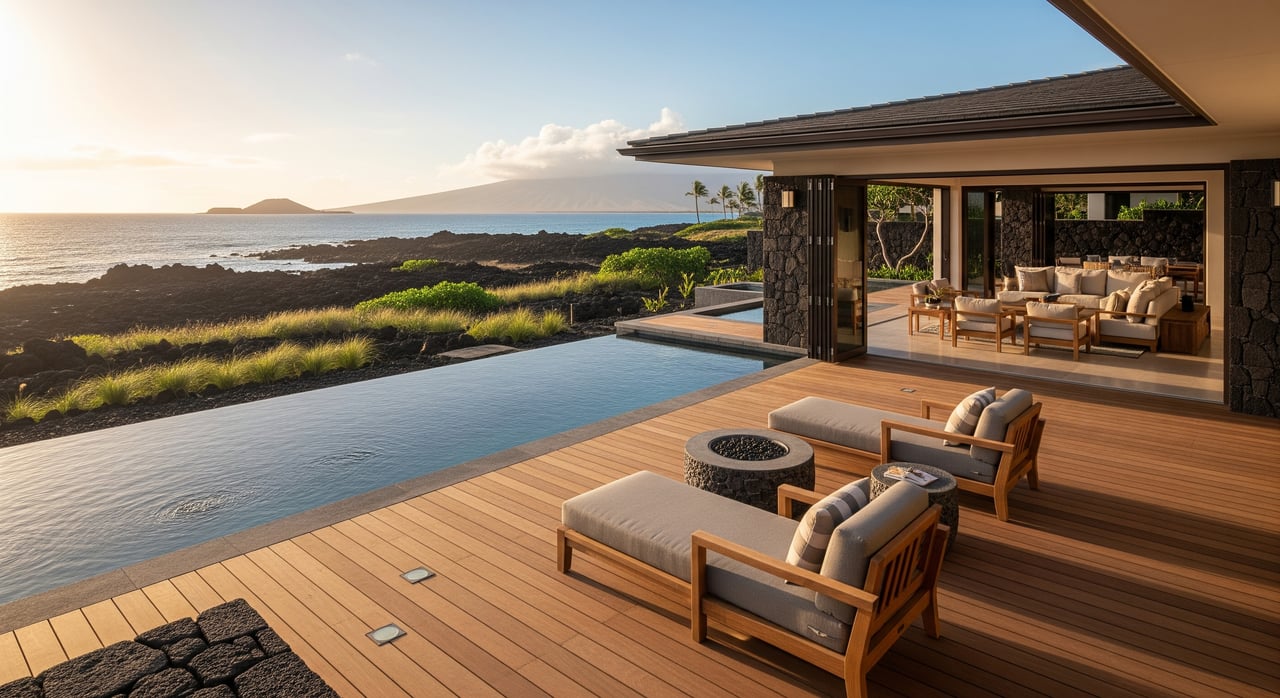
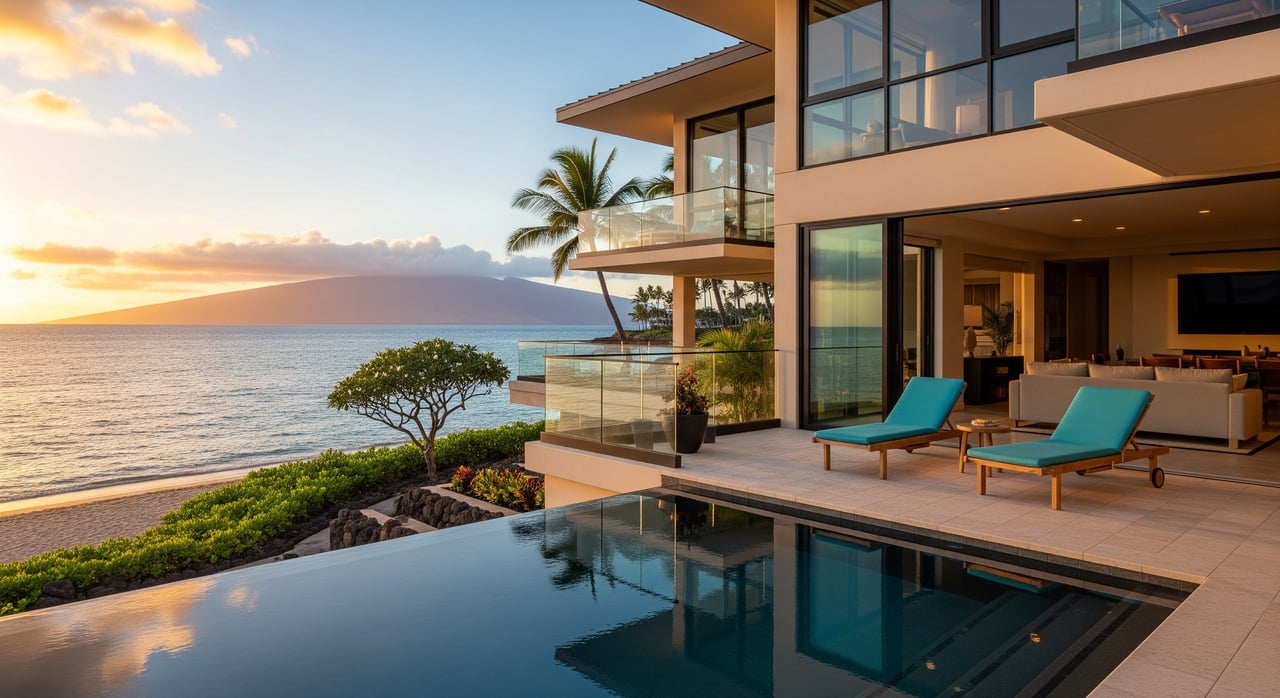
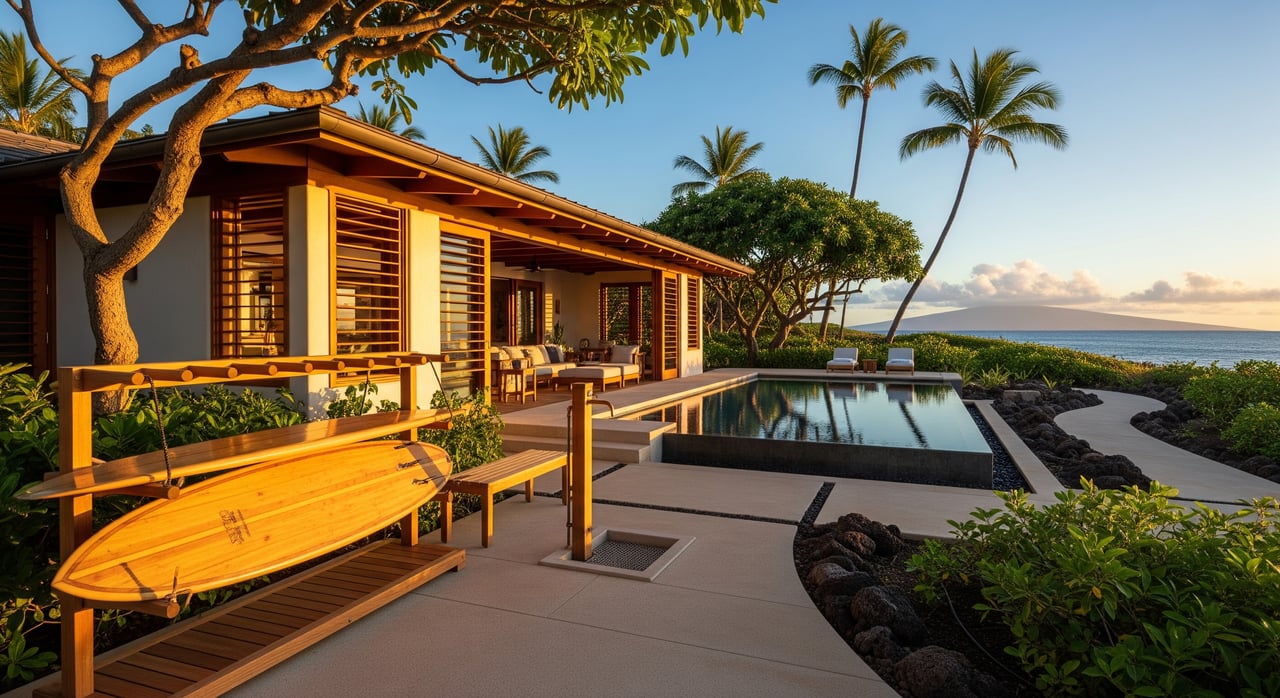
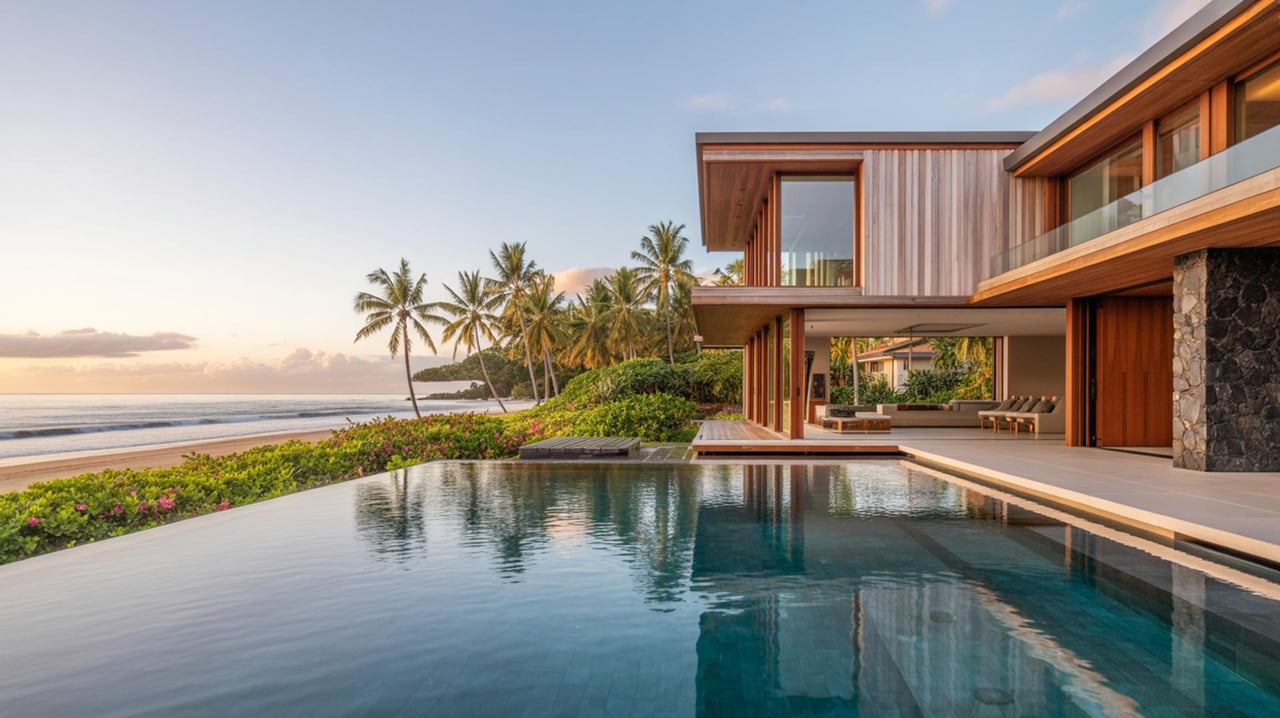
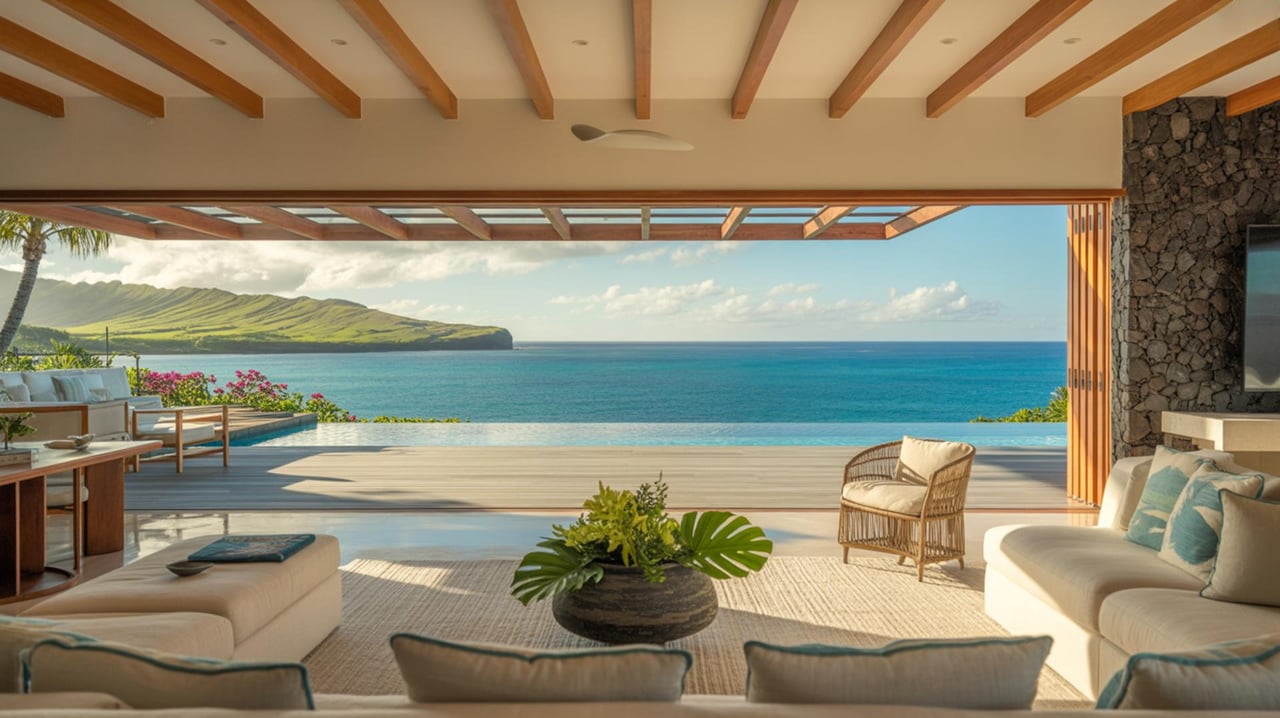
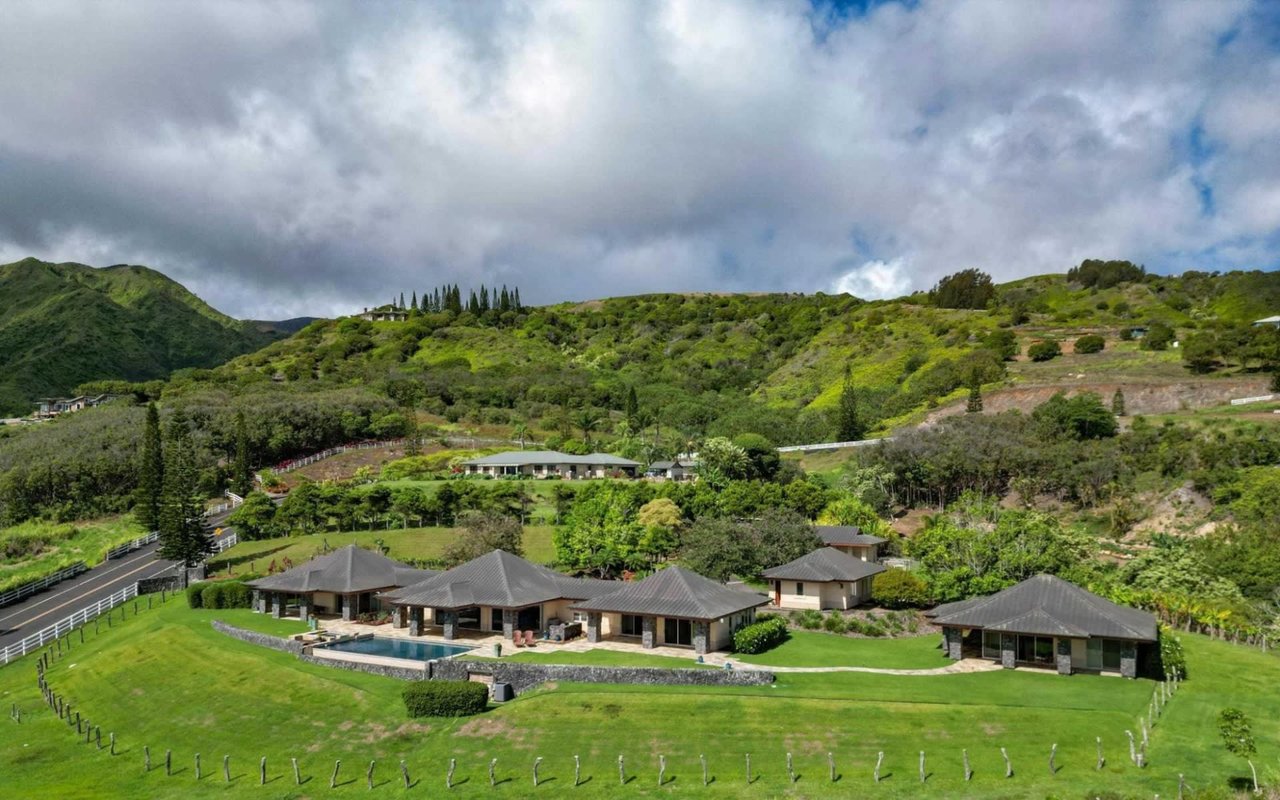
If you picture beachfront living in Kihei as one long vacation, you are only seeing part of the story. Daily life here is sunny, ocean-focused, and easy to enjoy, but it is also active, practical, and shaped by real shoreline conditions. If you are trying to decide whether Kihei fits your lifestyle, this guide will help you picture the pace, the beach culture, and the neighborhood feel in a more grounded way. Let’s dive in.
Why Kihei Feels So Lived-In
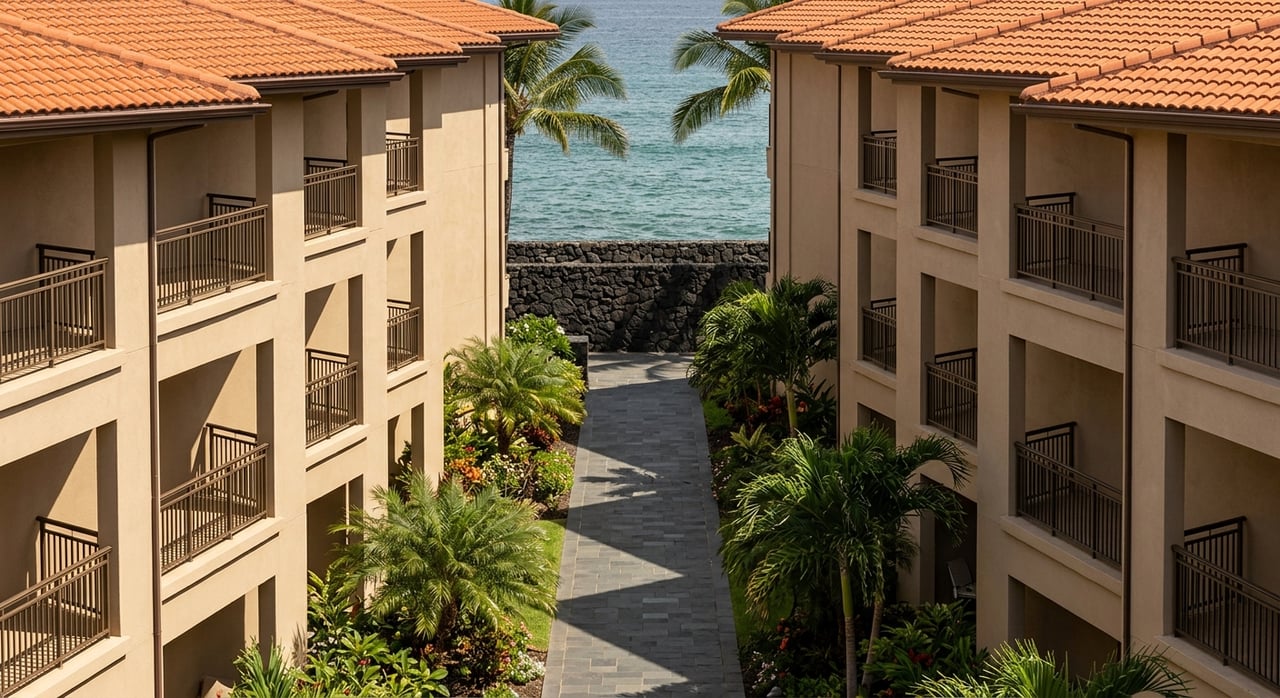
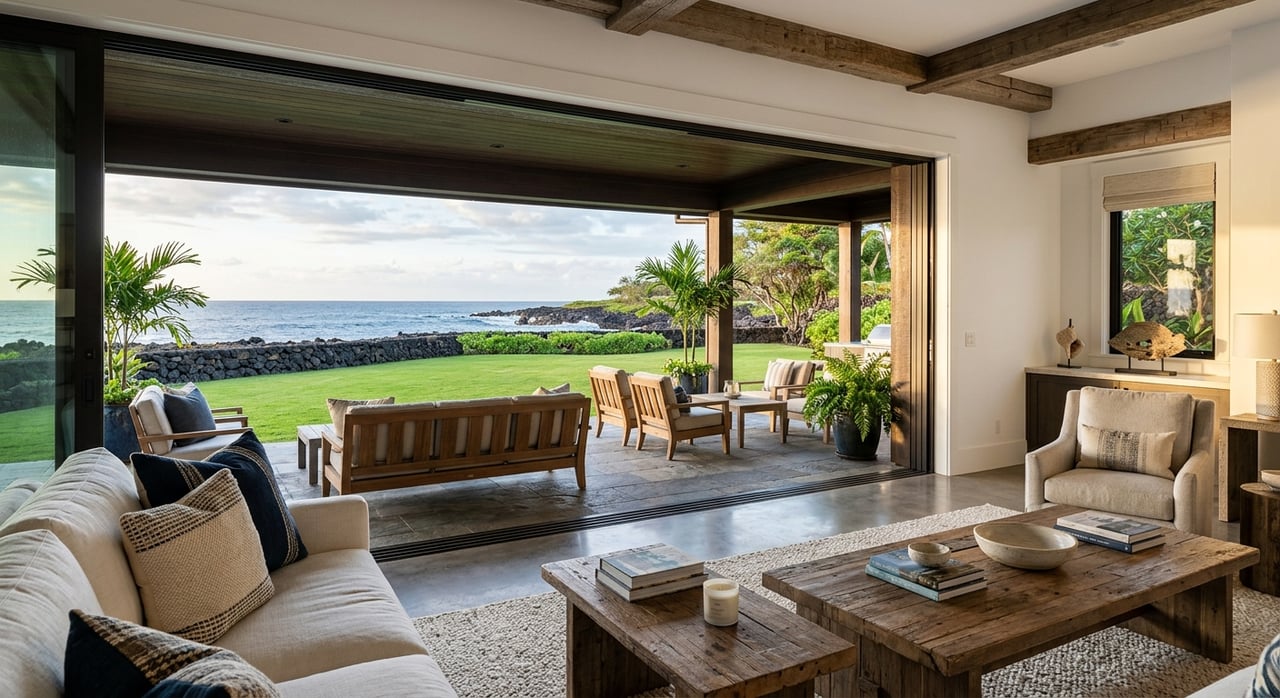
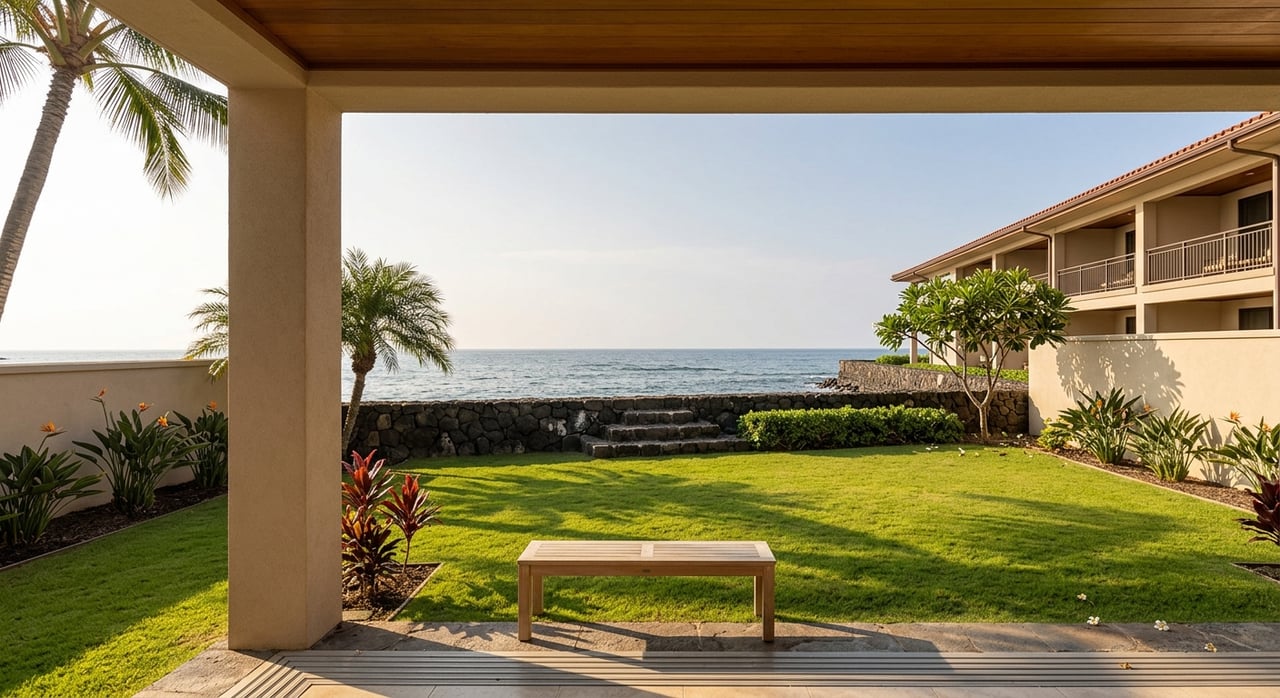
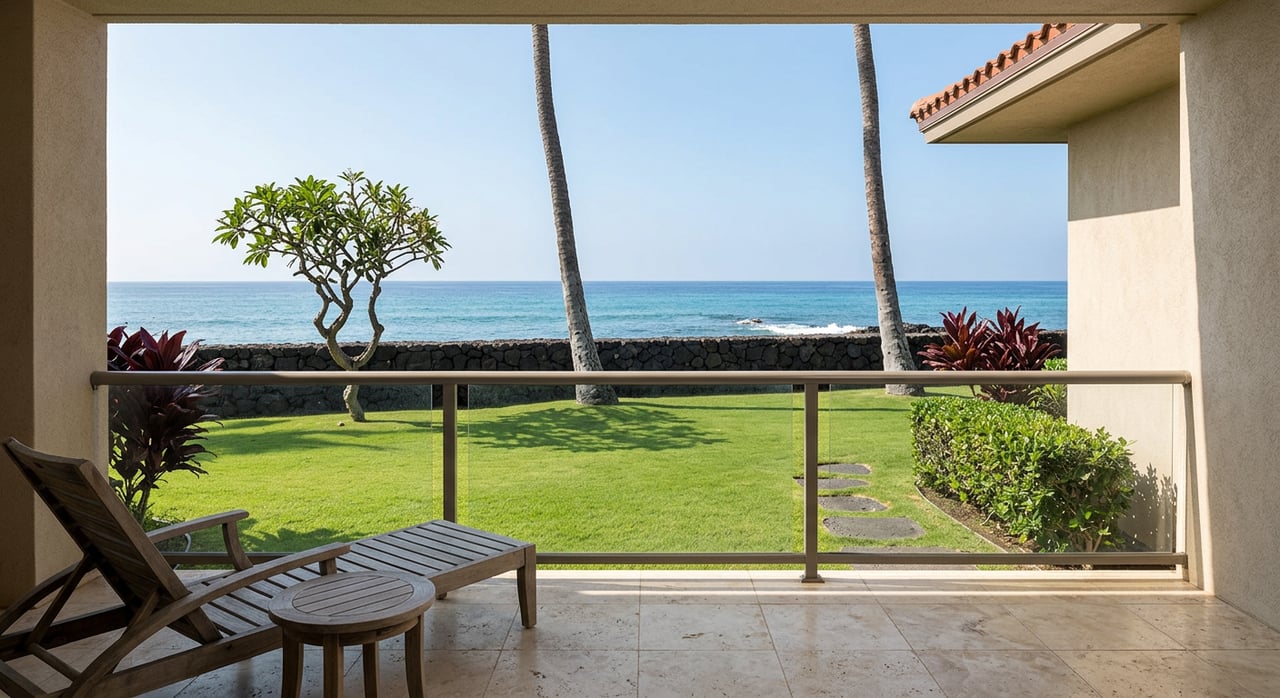
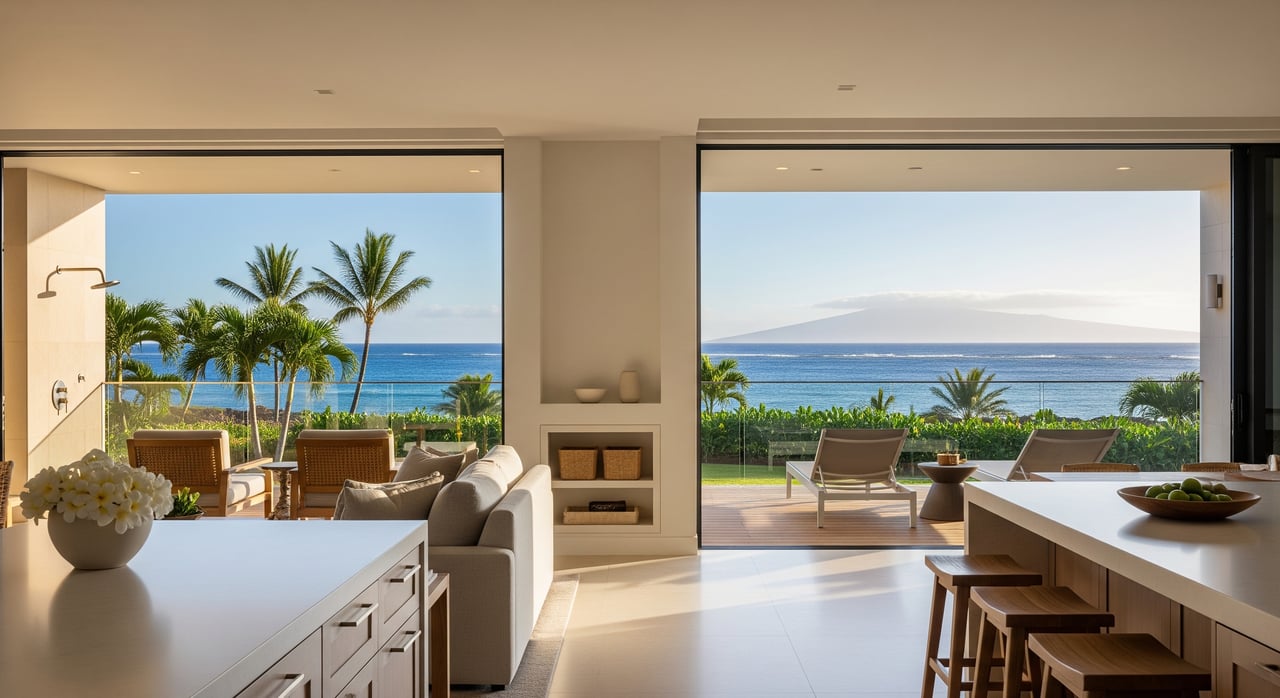
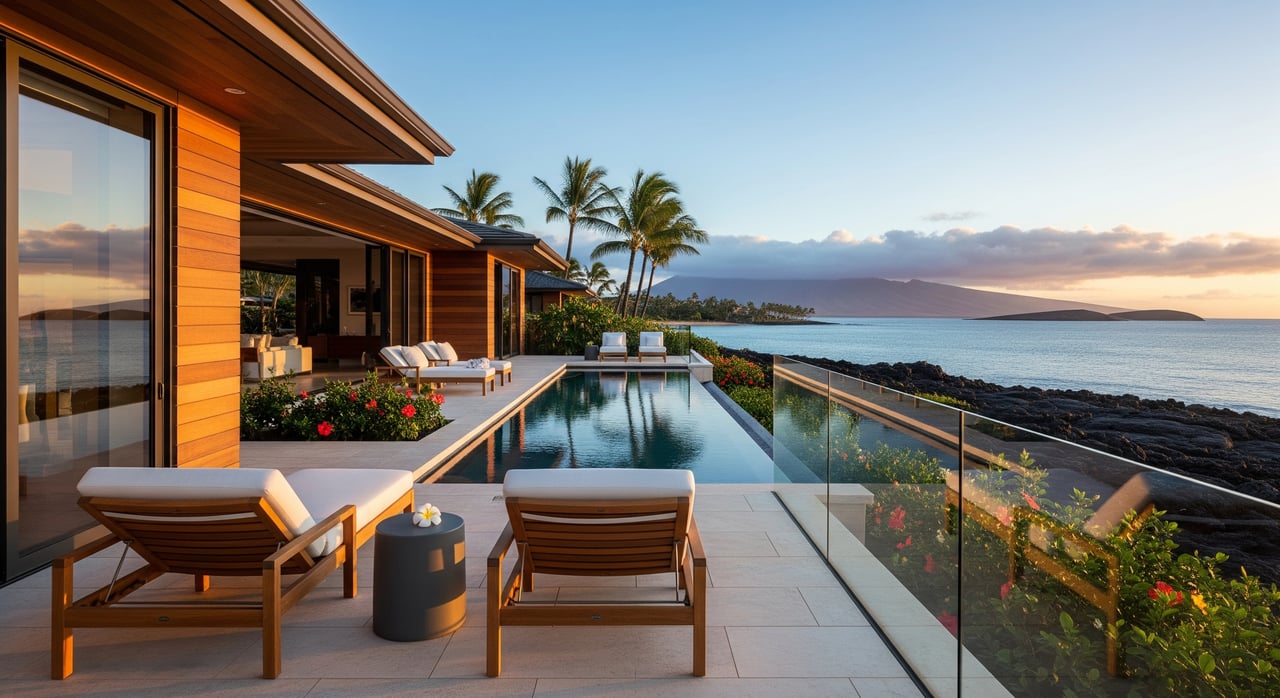
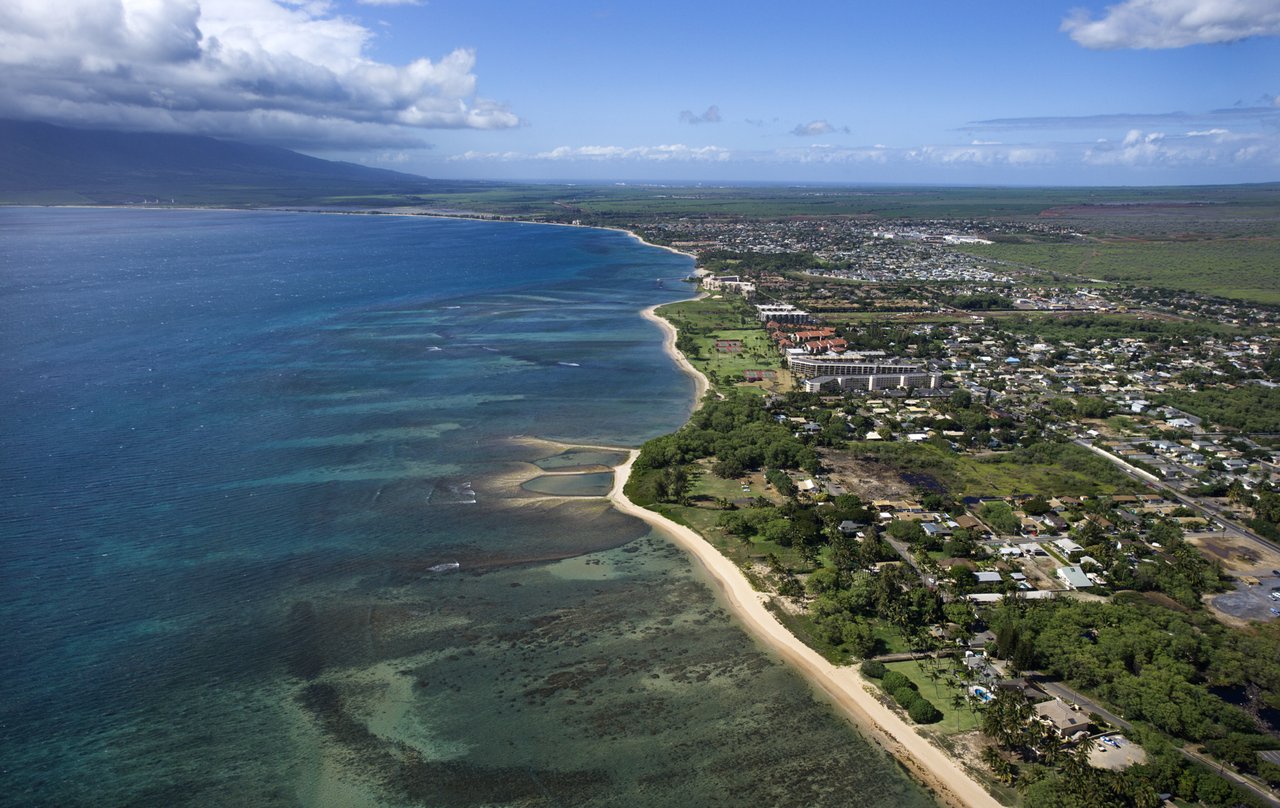
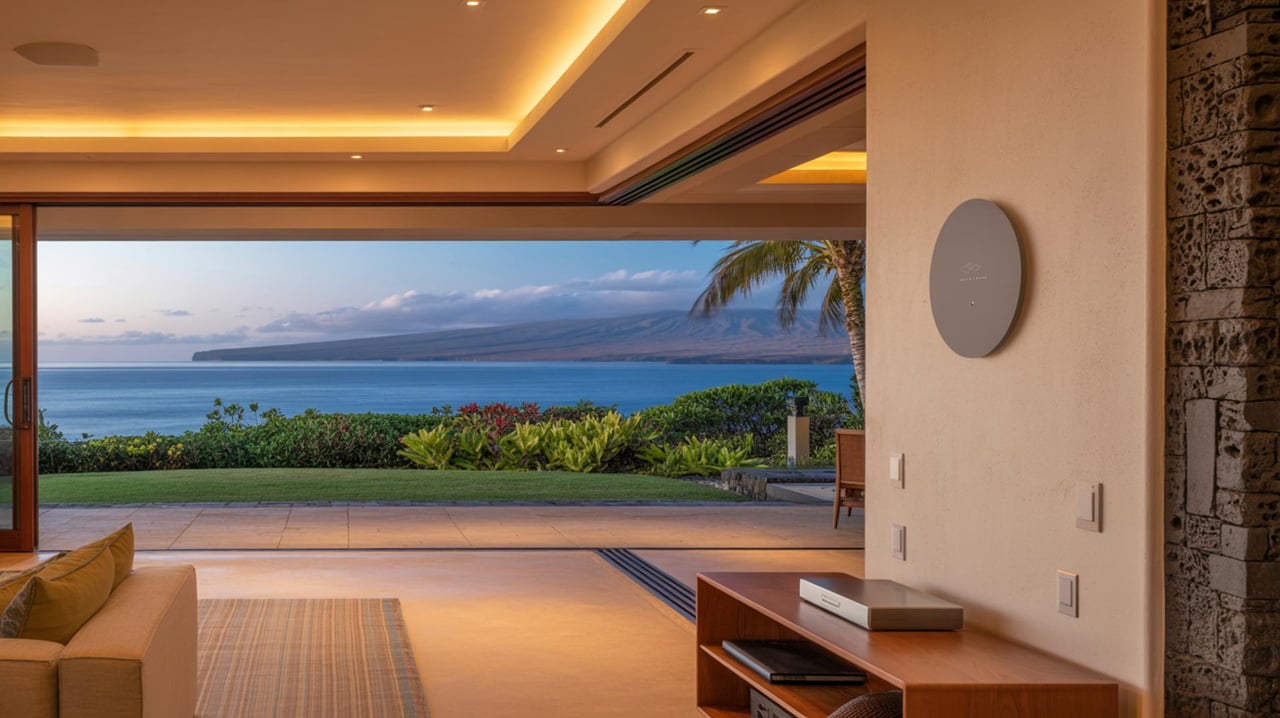
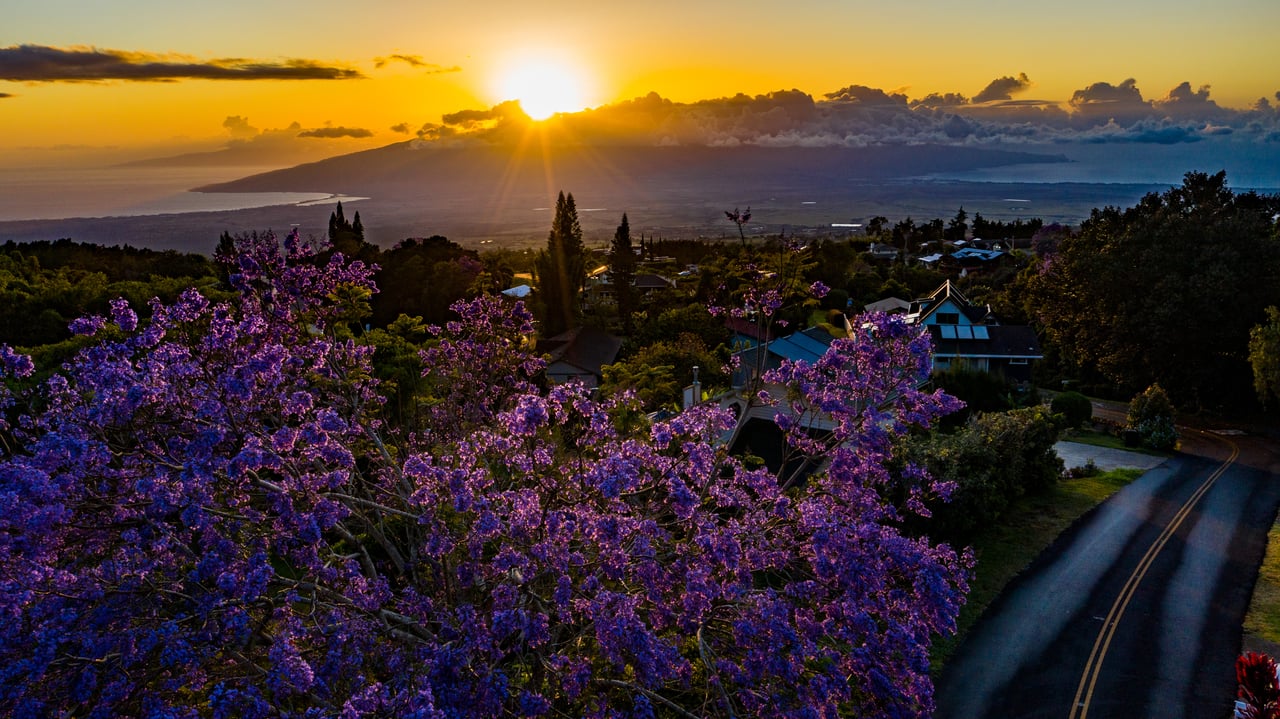
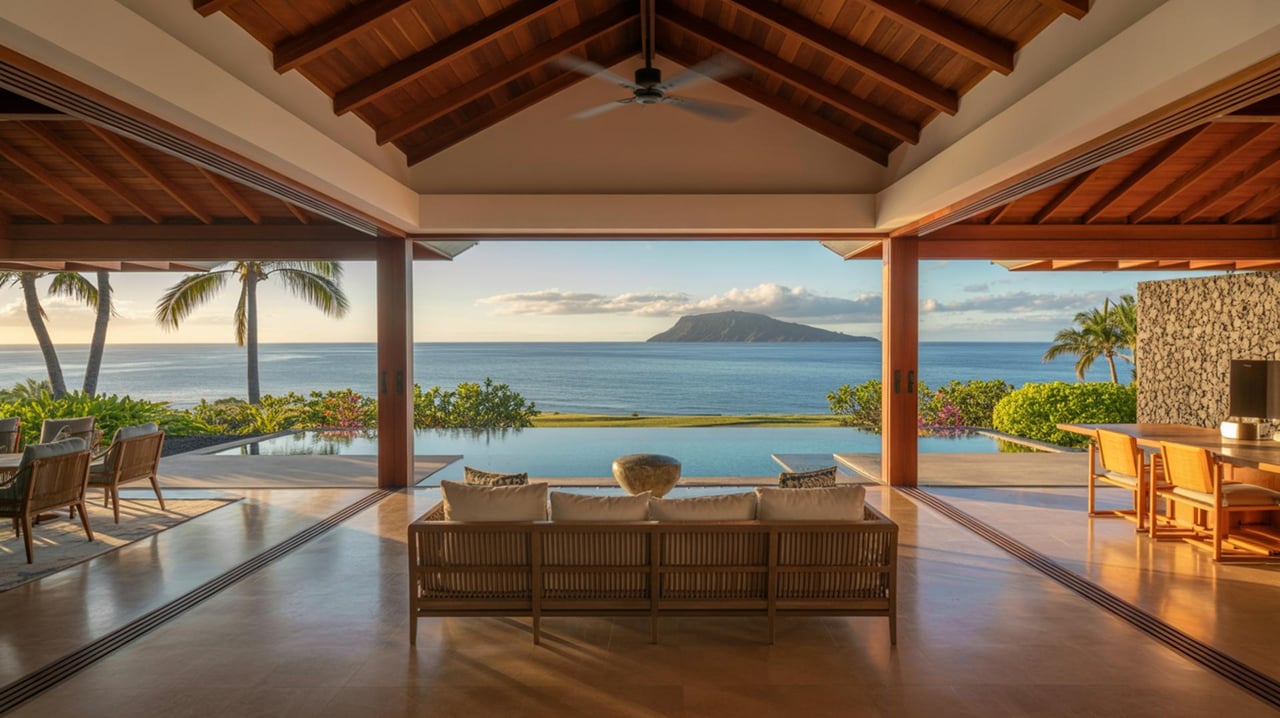
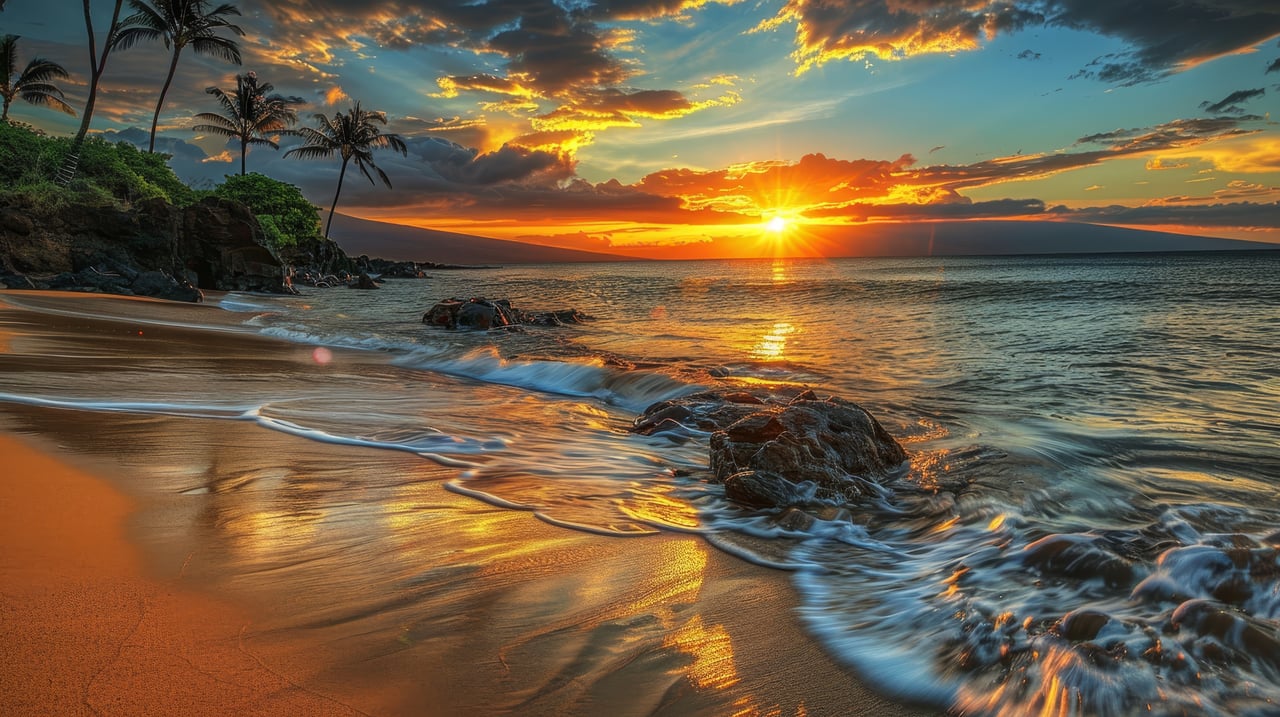
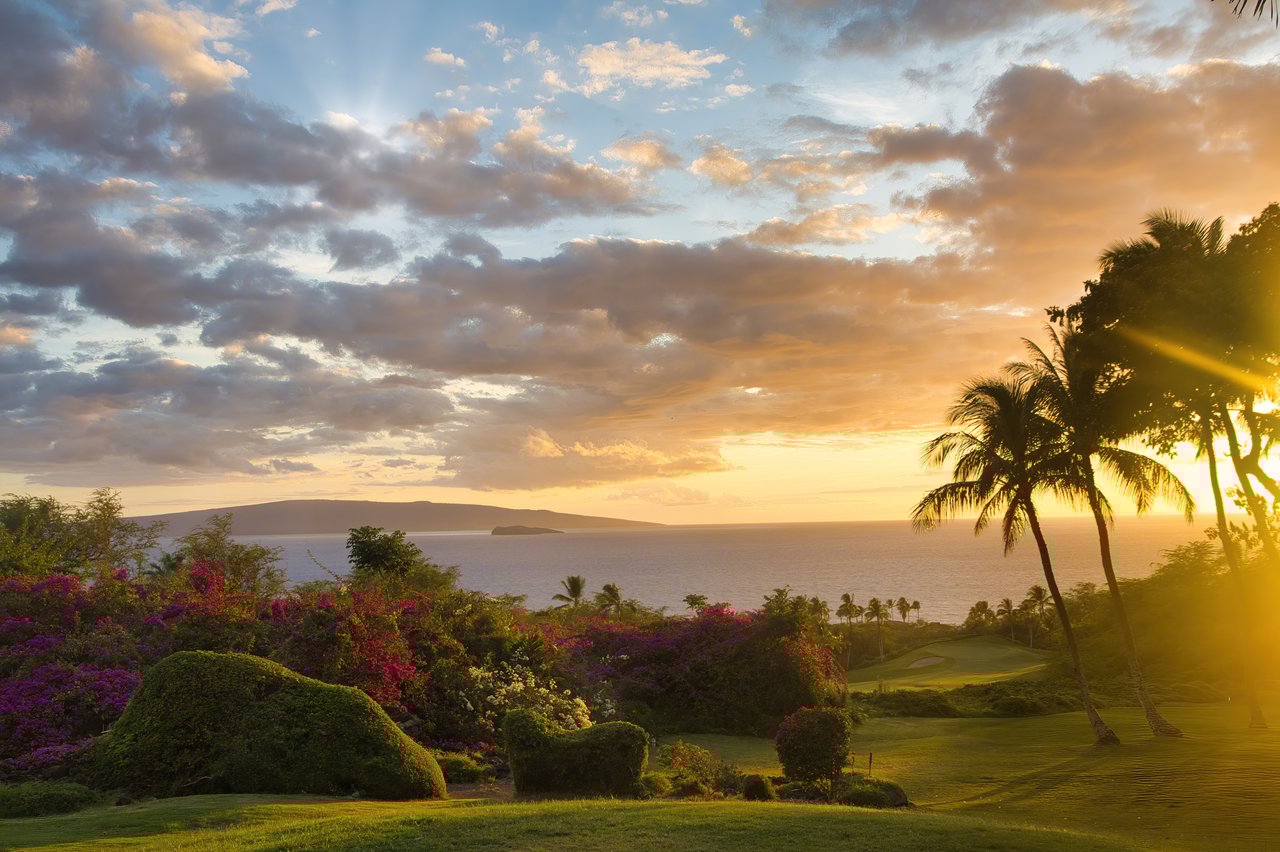
Kihei sits on Maui’s southwest shore and is widely described by official sources as one of the island’s sunniest and driest coastal areas. GoHawaii notes that the area spans about 6 miles of beaches with views toward Kahoʻolawe, Molokini, Lānaʻi, and West Maui. That creates a setting where the ocean is not just scenery, but part of your everyday routine.
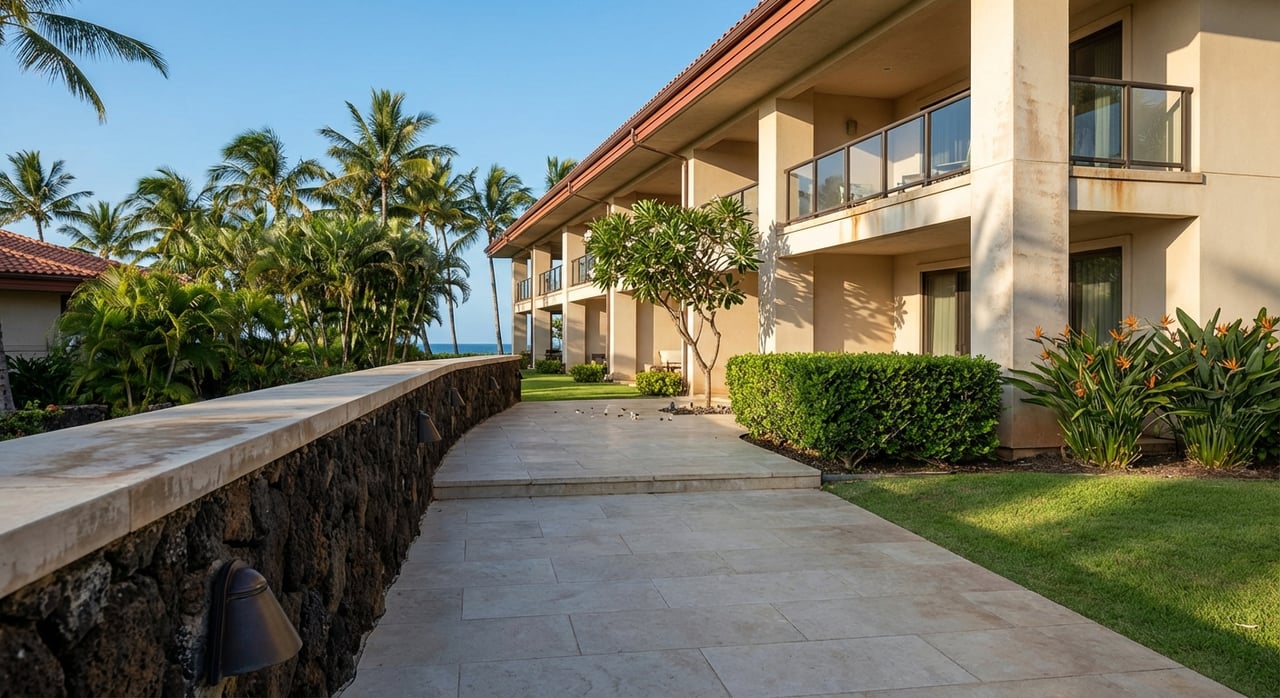
What makes Kihei stand out is that it does not feel like a closed resort enclave. Official descriptions point to a mix of condominiums, cottages, small hotels, shopping areas, restaurants, nightlife, and a farmers market. In practical terms, that means you can build a day around coffee, errands, a beach walk, dinner out, and sunset without needing to leave town.
Daily Life Near the Water
Beachfront living in Kihei tends to feel casual and outdoors-first. Mornings often center on beach walks, paddling, or checking the water before deciding where to swim. Even if you are not in the ocean every day, the shoreline becomes part of how you move through the day.
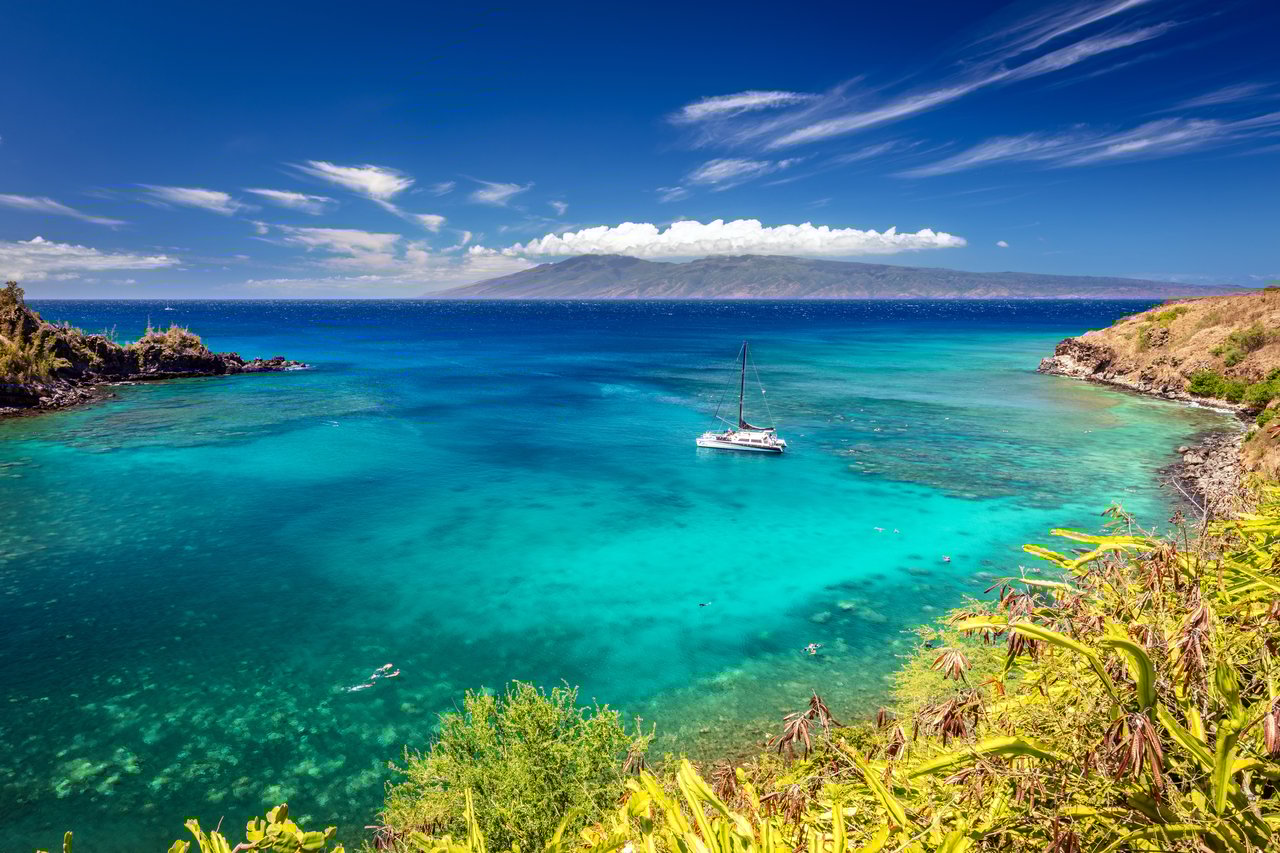
The town also gives you more than just sand and surf. On the north end of Kihei, Keālia Pond offers a nearby nature setting, and Māʻalaea Bay serves as a launch point for whale-watching, charter fishing, and Molokini snorkel trips. That adds to Kihei’s appeal as both a place to live day to day and a strong base for weekend recreation.
Beach Access in Kihei
One of the most important things to know about Kihei is that beach life revolves around public parks and access points. This gives the shoreline a neighborhood feel. It also means the coast is active, shared, and shaped by how different beach parks are set up.
Kamaole Beach Parks
The Kamaole Beach Parks are some of the most central beach spaces in Kihei. According to Maui County, Kamaole I offers lifeguards, ADA features, picnic tables, volleyball, parking, restrooms, and showers. Kamaole II also has lifeguards, picnic tables, restrooms, showers, and street parking, while Kamaole III includes lifeguards, parking, picnic areas, a playground, restrooms, and an accessible ramp to the sand.
For many people, these parks define the rhythm of beachfront living in Kihei. They are not just scenic beaches. They are places where people swim, gather, picnic, and fit the shoreline into ordinary daily life.
Low-Key Beach Spots
Other access points feel quieter and simpler. Maui County notes that Charley Young Beach Park has no lifeguard on duty, a small city lot, one portable restroom, and one outdoor shower. County listings for Keawakapu I and Keawakapu II also show support for swimming, sunbathing, and bodyboarding, but no lifeguards.
That variety matters when you think about where and how you want to spend time near the water. Some Kihei beaches are more amenity-rich and organized, while others feel more spontaneous and low-key. Depending on the day, you may prefer one over the other.
Kalama Park and Active Oceanfront Living
Kalama Park adds another layer to the Kihei lifestyle. Maui County describes it as a 36-acre oceanfront park with beach access, sports fields, tennis and basketball courts, an inline skating rink, a performance gazebo, picnic pavilions, a skateboard park, and a playground. GoHawaii also identifies it as home to the Cove surf spot.
This is a big part of what gives Kihei its lived-in energy. The shoreline is not only for lounging. It also supports surfing, skating, sports, family outings, and casual gatherings that make the neighborhood feel active and social.
Ocean Conditions Shape the Experience
Beachfront living in Kihei is beautiful, but it is not static. Maui County notes that the coast is partly protected by Lānaʻi and Kahoʻolawe, yet it still experiences winter North Pacific swell, summer south swell, trade winds, and daytime thermal updrafts from Haleakalā. In other words, conditions can shift, and the right beach for one day may not be the right beach for the next.
That is why many residents get used to checking conditions before heading out. Hawaii Ocean Safety lists Kamaole 1, Kamaole 2, Kamaole 3, and Mākena State Park among the lifeguarded beaches on Maui’s south shore. A practical beach routine in Kihei often means matching your plans to the ocean instead of assuming every shoreline access point will feel the same.
Errands, Dining, and Social Rhythm
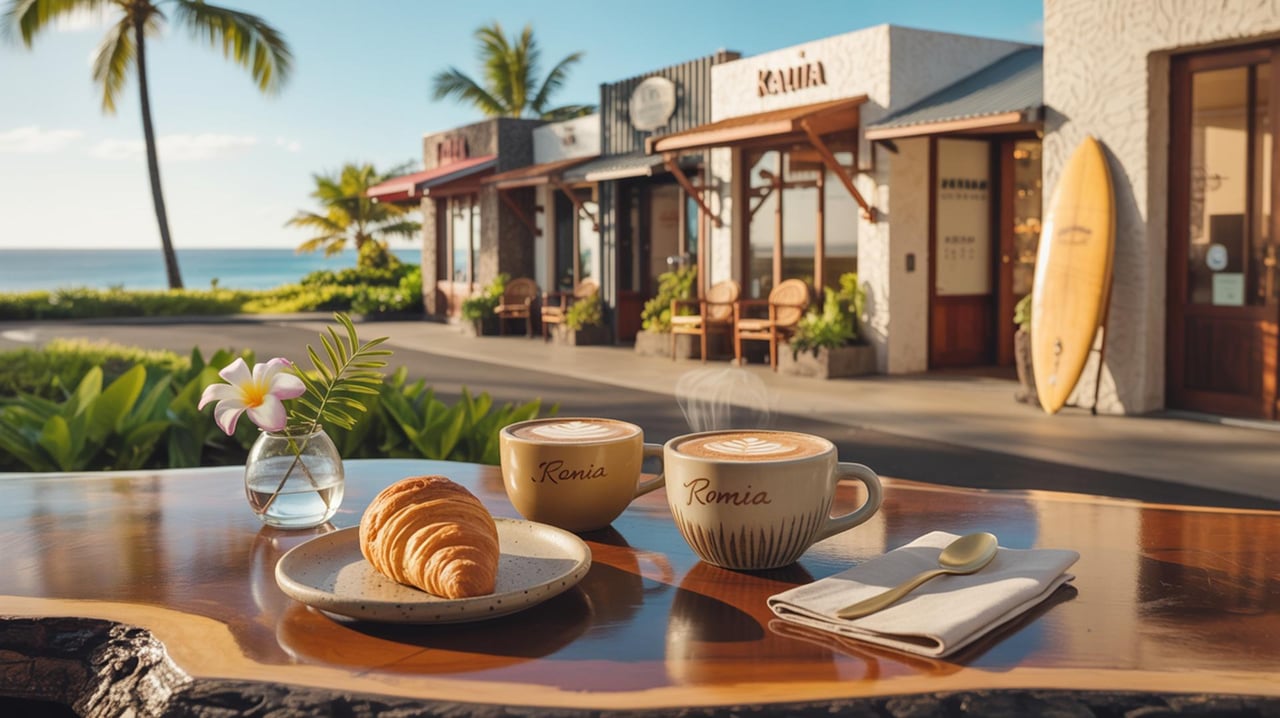
Kihei’s appeal is not only about water access. It is also about convenience and atmosphere. GoHawaii describes the town as having small shopping malls, a farmers market, restaurants, and nightlife that includes karaoke, dance clubs, and sports bars.
That mix gives Kihei a more relaxed and everyday social rhythm than a pure resort district. You are just as likely to build your week around practical stops and casual meals as around special-occasion outings. For many buyers, that balance is exactly what makes the area comfortable for longer stays or full-time living.
Community Spaces Add to the Vibe
South Maui Community Park supports that lived-in feel. Maui County lists features such as free public Wi Fi, meeting rooms, a gymnasium, parking, and space for food trucks. These are everyday amenities, and they help reinforce Kihei as an active South Maui community rather than a place built only for short-term visits.
South Maui Gardens adds another social layer. GoHawaii describes it as a 6-acre venue in Kihei with a nursery and garden setting, weekly hula, live music, comedy, and more than 10 food trucks. It reflects the kind of casual outdoor gathering spaces that many people have in mind when they talk about Kihei’s neighborhood vibe.
Sunset Culture and Evening Pace
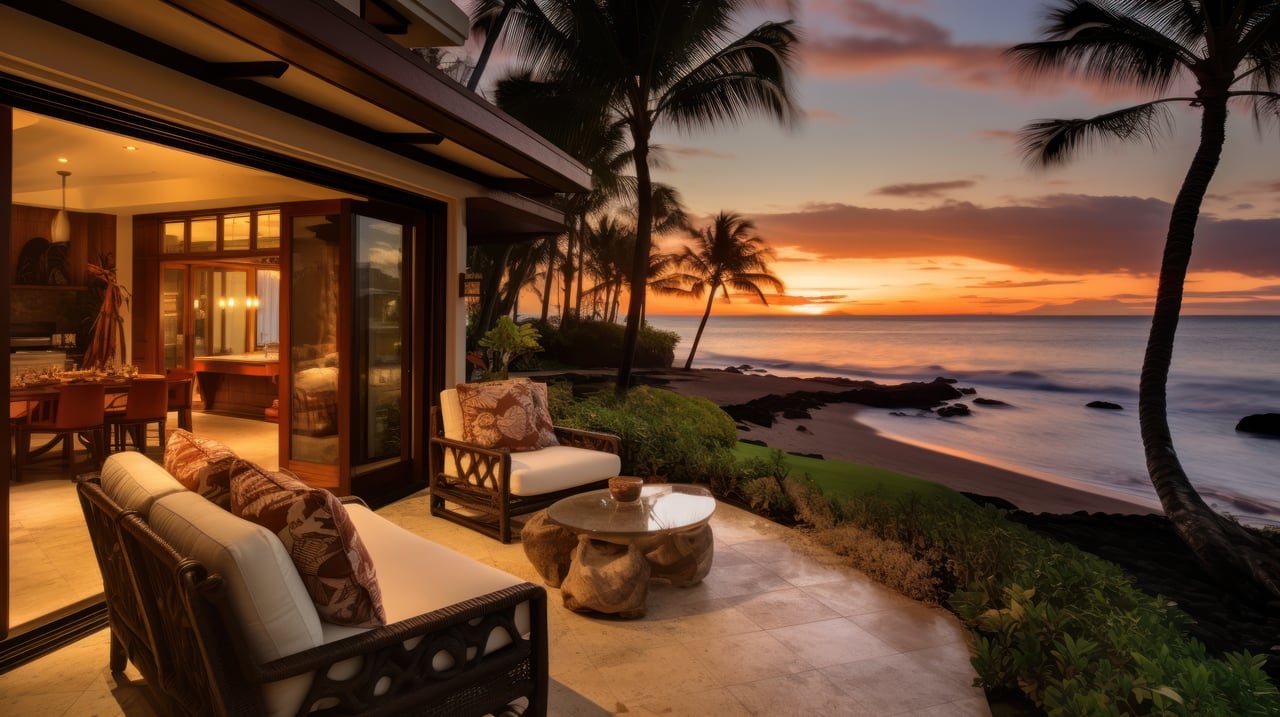
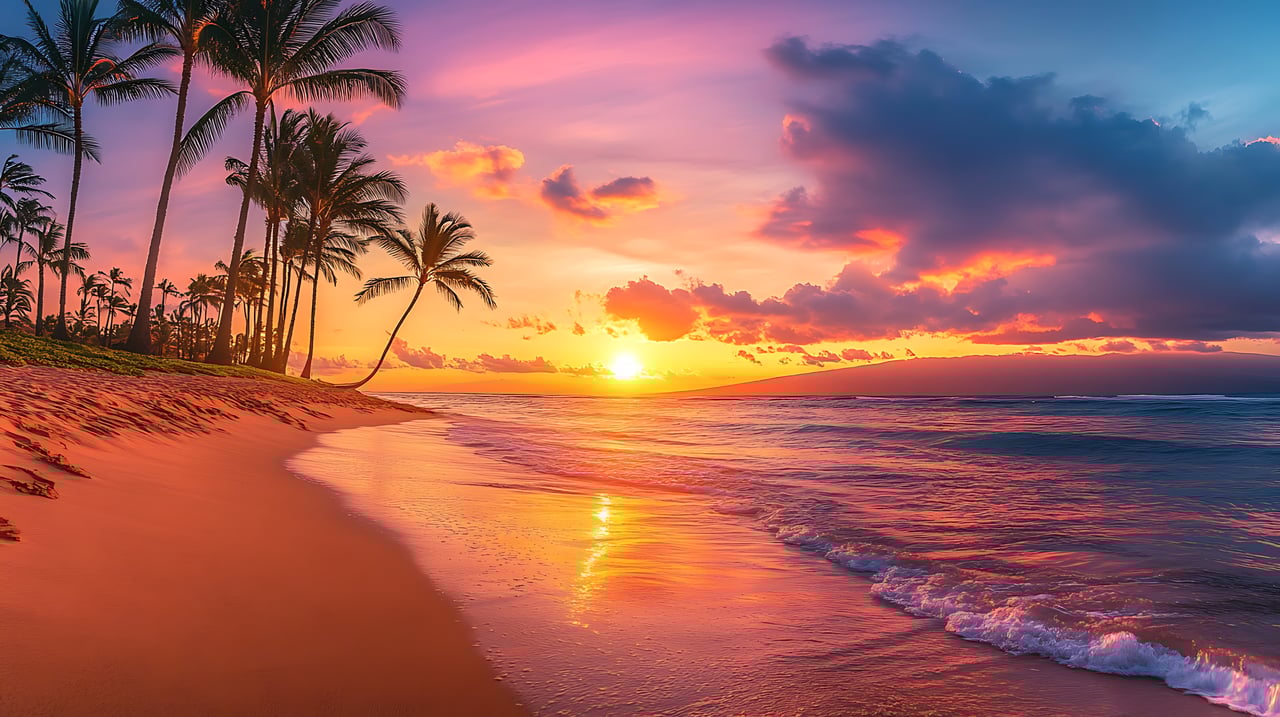
South Maui’s west-facing shoreline naturally creates a strong outdoor evening rhythm. Official tourism sources describe South Maui as a place for relaxed days and romantic nights, and nearby Wailea’s official fact sheet notes year-round sunset views. In Kihei, that tends to show up as beach-park sunsets, informal meetups, and easy dinners rather than a nightlife scene centered on luxury venues.
That difference is worth noting if you are comparing South Maui areas. Kihei usually feels more approachable and everyday in tone. The evenings can still be beautiful and memorable, but the overall pace is generally more casual than formal.
Kihei Compared With Wailea and Makena
If you are exploring South Maui, it helps to place Kihei in context. Based on official descriptions, each area offers a distinct day-to-day experience.
Kihei vs. Wailea
The Wailea Resort Association describes Wailea as a 1,500-acre resort with more than 50 restaurants and lounges, five crescent-shaped beaches, three beach access parks, a 1.5-mile coastal walking trail, three championship golf courses, spas, luxury hotels, vacation rental condos, and resort homes. That creates a more curated and resort-focused setting.
Kihei, by contrast, feels more mixed-use and casual. You still get excellent shoreline access and strong South Maui location appeal, but the tone is less polished-resort and more everyday beach town. For some buyers, that feels more flexible and easier to live in regularly.
Kihei vs. Makena
Makena has a different identity again. DLNR describes Mākena State Park as a scenic wildland beach park with notable beaches, shore-break hazards, no drinking water, and paid parking. That points to a setting that feels more natural, more open, and less convenience-oriented than Kihei.
If Kihei feels practical and beach-centered, Makena feels more secluded and park-like. Buyers who want easy access to daily services may prefer Kihei, while those drawn to a more natural shoreline atmosphere may be pulled toward Makena.
Practical Realities of Beachfront Ownership
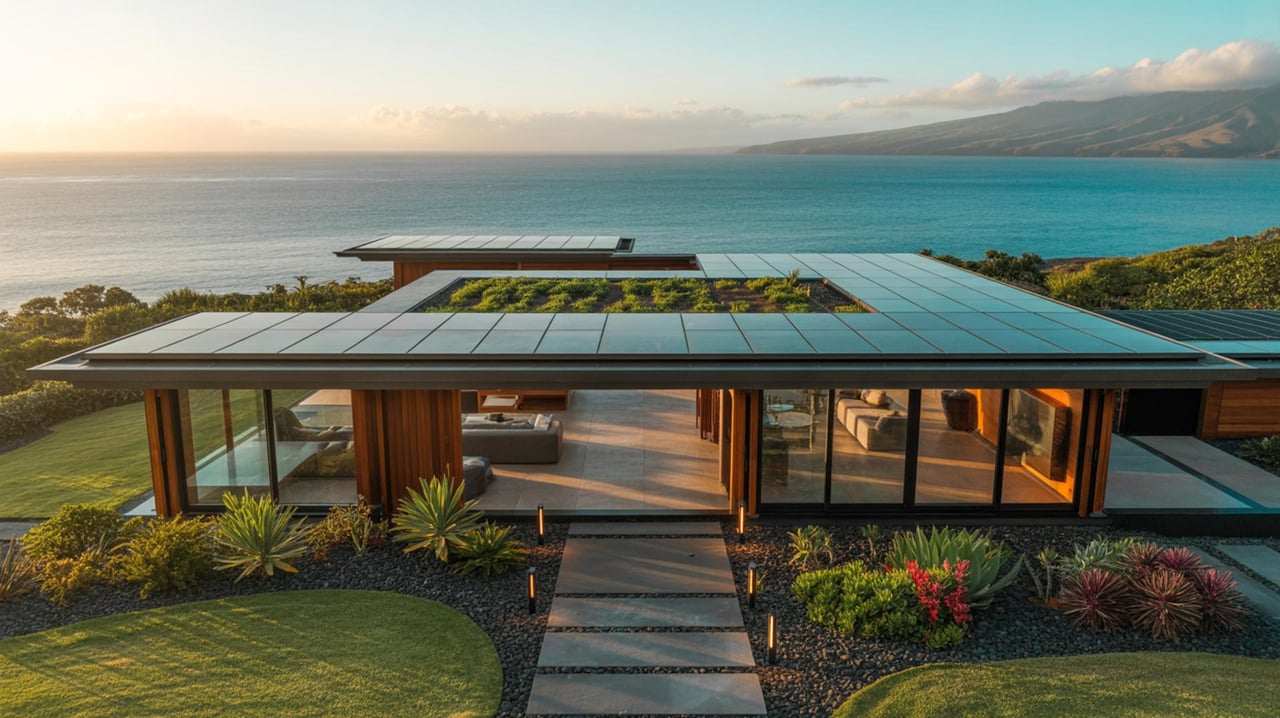
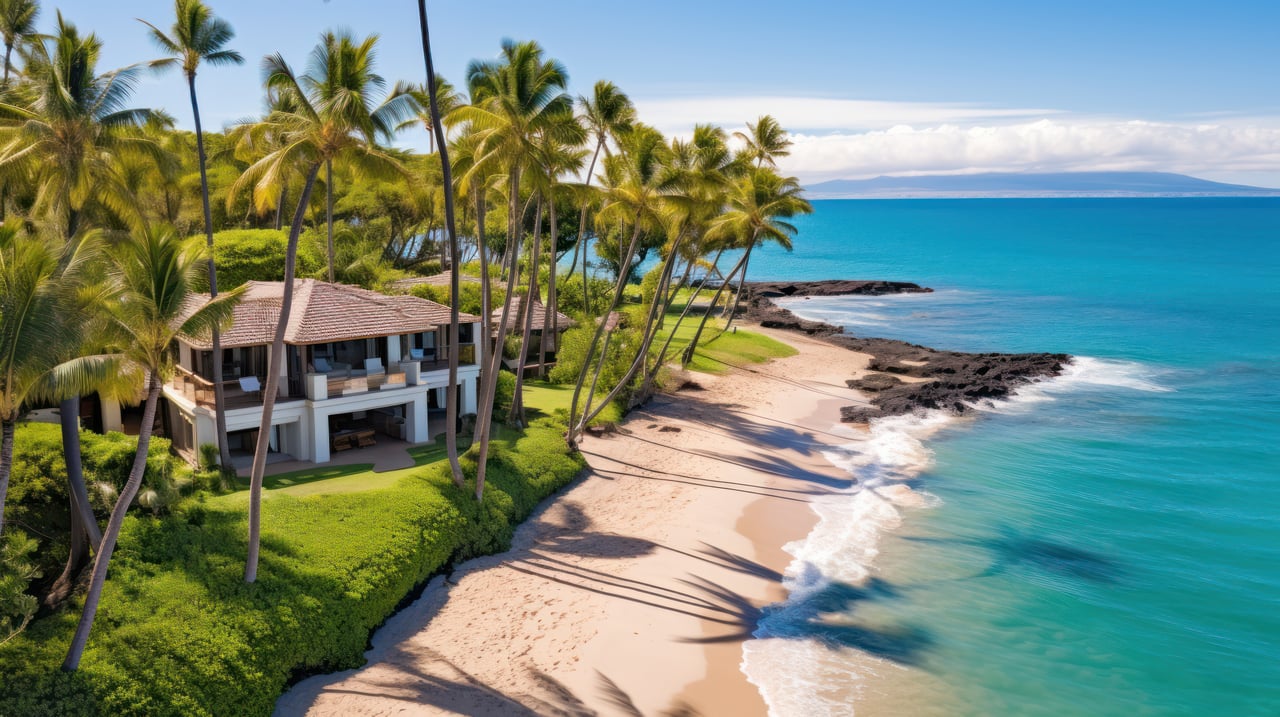
Oceanfront appeal in Kihei also comes with real ownership considerations. Maui County’s 2024 shoreline rule update states that 85% of Maui shorelines are experiencing long-term erosion. The update also explains that shoreline setbacks now account for projected erosion using 3.2 feet of sea-level rise, and that structures or activities within shoreline setback areas may require approvals or variances.
This is one of the most important behind-the-scenes realities for oceanfront buyers to understand. A beautiful location may still involve shoreline-management questions that affect future plans, improvements, or expectations. Maui County also notes that hard shoreline armoring is strongly discouraged in many cases.
Parking is another practical piece of the lifestyle. Maui County’s Park Maui program manages paid parking in South Maui beach and business districts, and Makena State Park also has paid parking. Even in a place known for relaxed beach-town energy, convenience can still be shaped by parking rules and peak demand.
Is Kihei Beachfront Living Right for You?
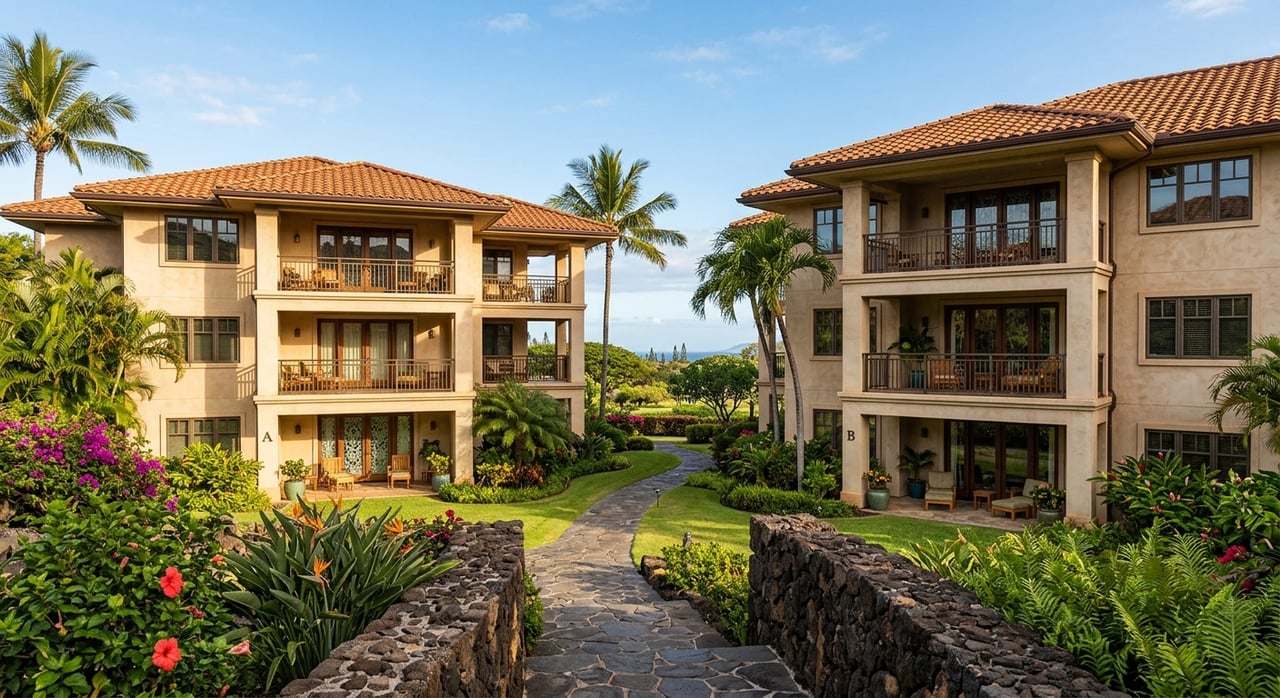
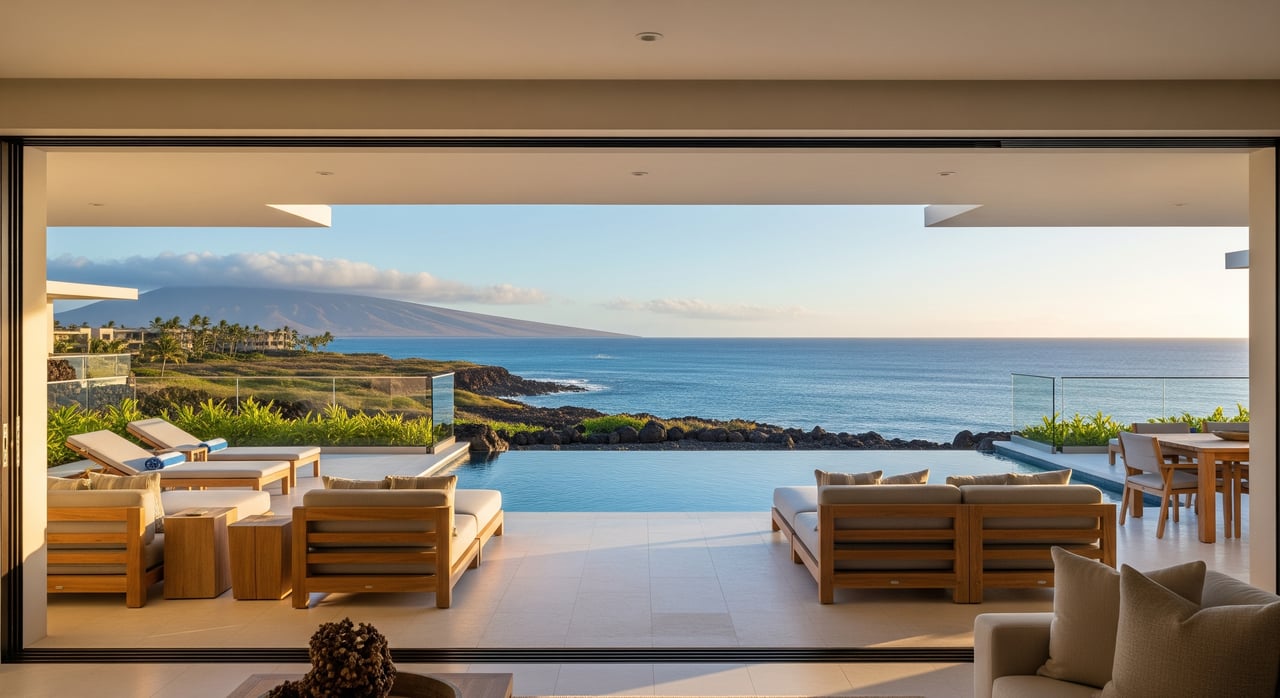
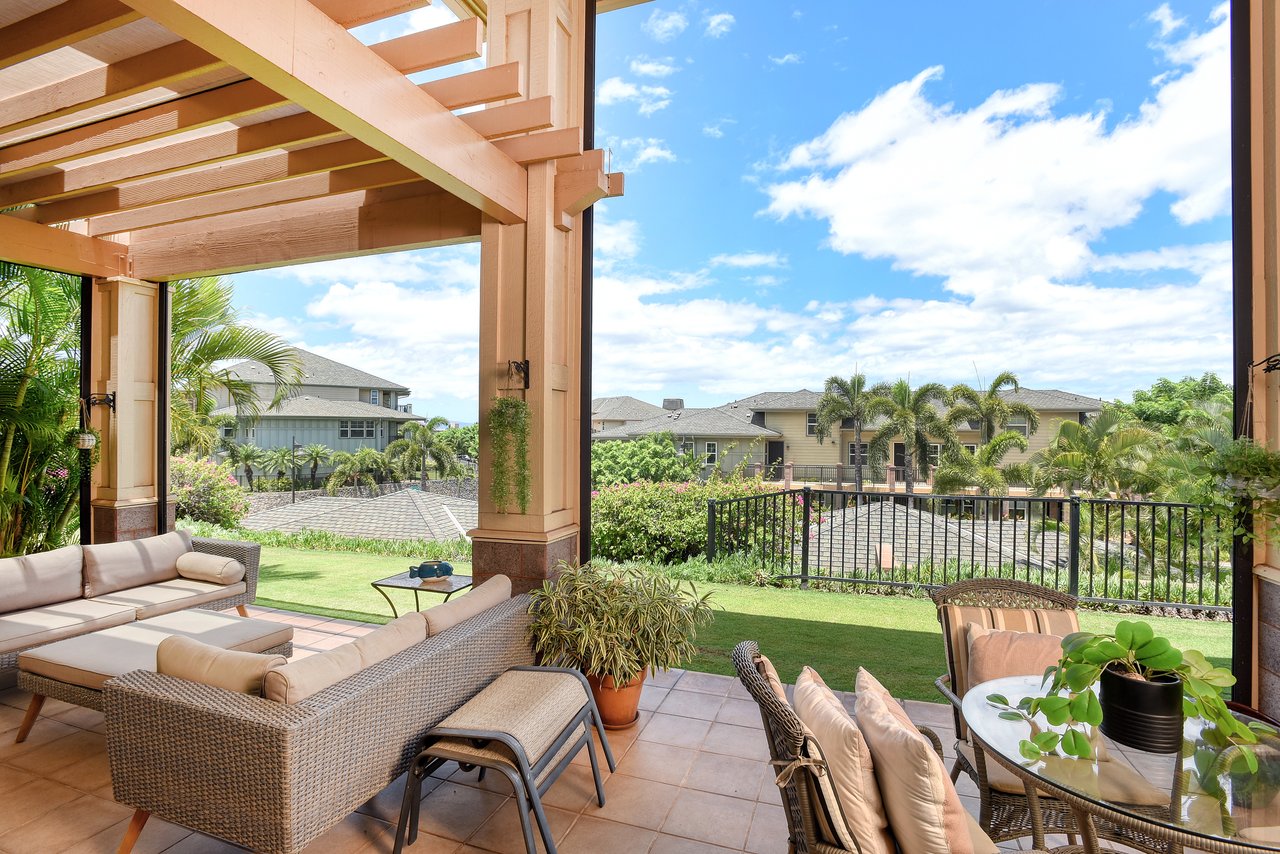
Kihei tends to work best if you want a beachfront lifestyle that feels active, accessible, and genuinely connected to everyday life. The area offers public beach parks, varied shoreline access, casual dining, practical amenities, and a social rhythm that feels local as well as visitor-friendly. It is a good fit for people who want to be near the ocean without being fully inside a luxury resort bubble.
It also helps if you are comfortable with the realities that come with a dynamic shoreline. Ocean conditions change, public beaches stay active, and ownership near the coast requires attention to local rules and long-term shoreline factors. If that balance sounds appealing, Kihei can offer a very rewarding version of South Maui living.
Whether you are exploring a second home, a beachfront condo, or a long-term move in South Maui, local guidance matters. For a private consultation and thoughtful insight on Kihei, Wailea, and Makena, contact Riette Jenkins.
FAQs
What does daily beachfront living in Kihei feel like?
- Daily life in Kihei often centers on beach access, outdoor routines, casual dining, errands close to home, and choosing beach activities based on changing ocean conditions.
Which Kihei beaches have the most amenities?
- Maui County lists Kamaole Beach Parks I, II, and III as key amenity-rich options, with features that include lifeguards, restrooms, showers, parking, picnic areas, and accessible features.
Are all Kihei beach access points lifeguarded?
- No. County listings show that some beaches, such as Charley Young Beach Park and the Keawakapu access areas, do not have lifeguards.
How is Kihei different from Wailea for everyday living?
- Official descriptions suggest Kihei feels more casual, mixed-use, and everyday in character, while Wailea feels more curated, resort-focused, and amenity-dense.
What should buyers know about owning near the shoreline in Kihei?
- Maui County says much of Maui’s shoreline is experiencing long-term erosion, and shoreline setbacks and approval requirements may affect properties or activities near the coast.
Does Kihei offer more than beach activities?
- Yes. Official sources point to shopping areas, restaurants, a farmers market, community park amenities, food truck gatherings, live entertainment, and nearby nature and boating access.