If you picture mornings that start with cool Upcountry air over green pastures and evenings that end with gallery openings and live music, Makawao may be your place. This small Maui town blends living paniolo tradition with a creative, small‑town rhythm that feels both authentic and elevated. In this guide, you’ll learn how Makawao’s cowboy roots shaped the town, what luxury estates look like today, and the practical steps to take before you buy. Let’s dive in.
Paniolo heritage in Makawao
Makawao’s identity is rooted in the paniolo story, which grew from 19th‑century ranching as Hawaiian cowboys learned stock work from Spanish‑speaking vaqueros. To understand the legacy and its island reach, explore the background shared by the Paniolo Preservation Society.
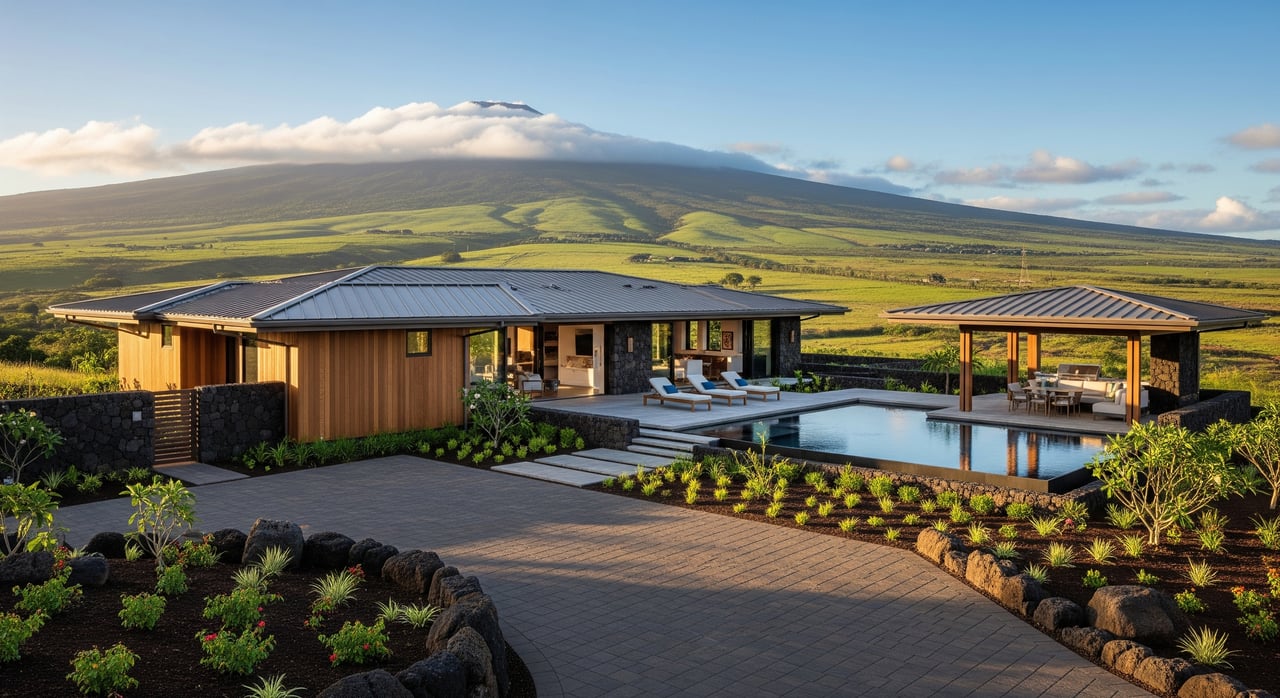
That heritage lives on in Upcountry land use and community priorities. Makawao sits along the slopes of Haleakalā and historically served as a hub for ranching and agriculture. The County’s guiding document emphasizes preserving rural character and open space across the Makawao–Pukalani–Kula area, which helps explain today’s mix of town homes, farm parcels and ranchlands reflected in the Makawao–Pukalani–Kula Community Plan.
Paniolo culture is not just history. Each summer the community gathers for a pāʻū‑style parade through town and a rodeo weekend often called the Makawao Stampede. Recent coverage celebrates more than five decades of this tradition, including festivities at the Oskie Rice Event Center. For a feel of the calendar and community pride, see local parade coverage and the Oskie Rice event page.
What Makawao feels like today
On Baldwin Avenue, you’ll find a walkable main street filled with galleries, boutiques and cafés. Longtime institutions like T. Komoda Store & Bakery anchor the morning routine, with a century‑plus of local history celebrated in a County press release on its 105th anniversary. By afternoon, shoppers drift in and out of small storefronts, and by evening, art openings and live music often spill onto the sidewalks.
A few minutes away, Hui Noʻeau Visual Arts Center brings the town’s creative spirit into focus with classes, rotating exhibits and community programs set on a historic estate. If you love learning or collecting, browse the Hui’s overview and programs via this visual arts center guide. For deeper local context, the Makawao History Museum offers exhibits on ranching, plantation life and the town’s evolution.
Climate, land and estate character
Elevation and microclimates
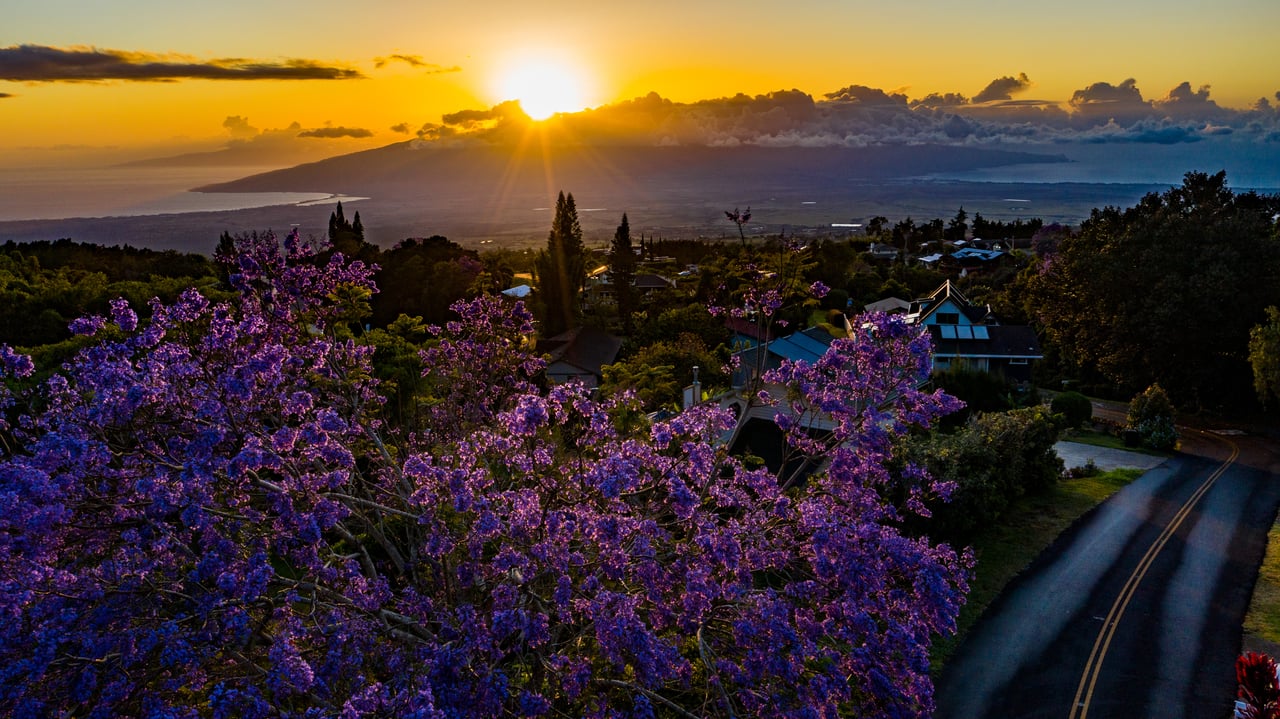
Makawao sits at roughly 1,578 feet above sea level, which brings cooler nights and distinct Upcountry microclimates that are different from the coast. That climate supports orchards, lavender and specialty agriculture, all of which often show up on estate parcels as edible gardens, small orchards or pastures. See Makawao’s elevation and overview on Wikipedia.
Land use and rural character
The region balances compact town areas with extensive agricultural lands. County priorities focus on preserving open space and the country feel while guiding where growth belongs. This is why you’ll see small, historic lots near central Makawao and larger acreage as you move mauka into Kula, Olinda and Piʻiholo. For the official framework, review the Makawao–Pukalani–Kula Community Plan.
Water and infrastructure basics
Upcountry water service relies heavily on surface‑water diversion systems and treatment facilities like Olinda, Piiholo and Kamole. For buyers planning orchards or equestrian uses, water availability and storage can be important. A technical overview of East Maui water supply helps explain why verification matters for large parcels. Start with the East Maui water decision document and work with County departments to confirm service, entitlements and on‑site system needs for any property you are considering.
The luxury estate picture Upcountry
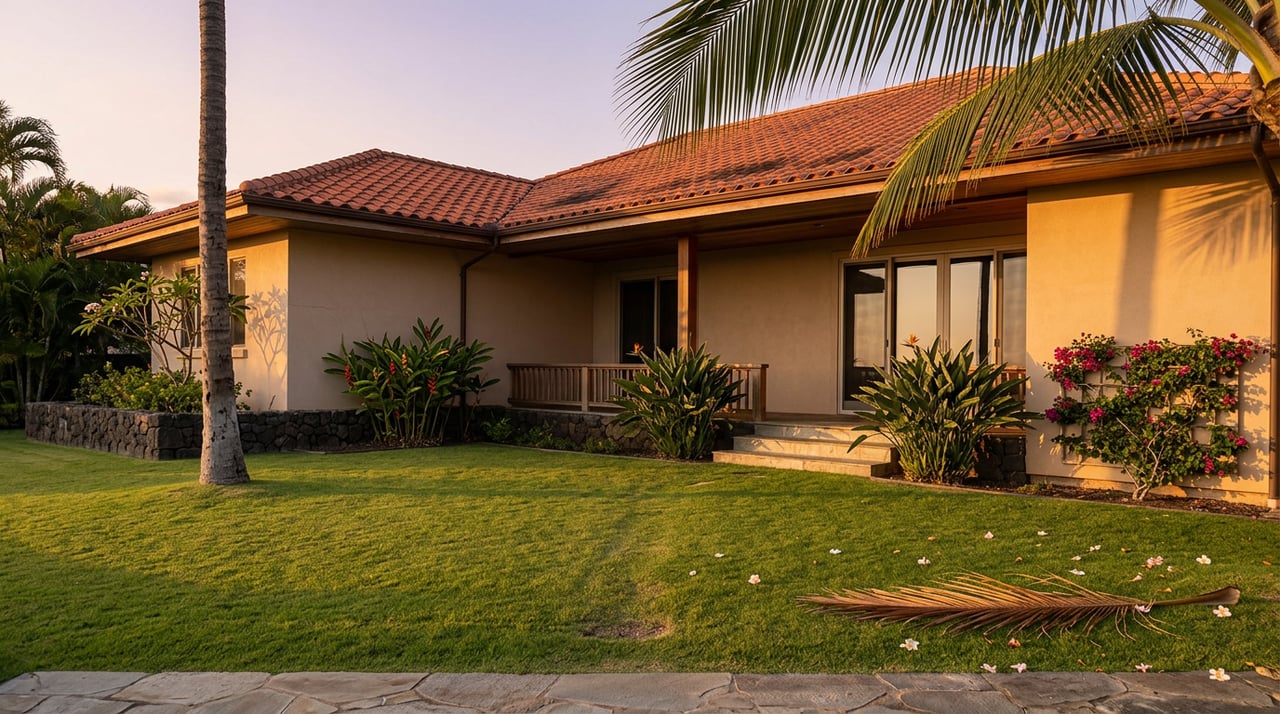
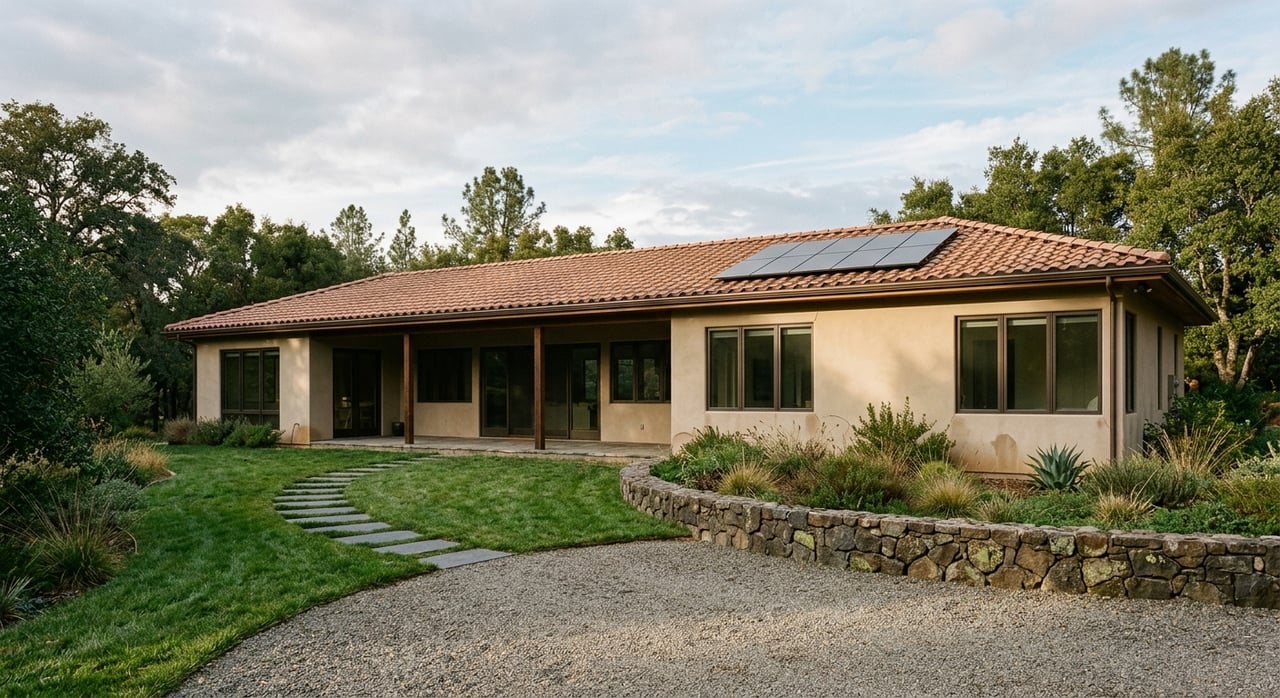
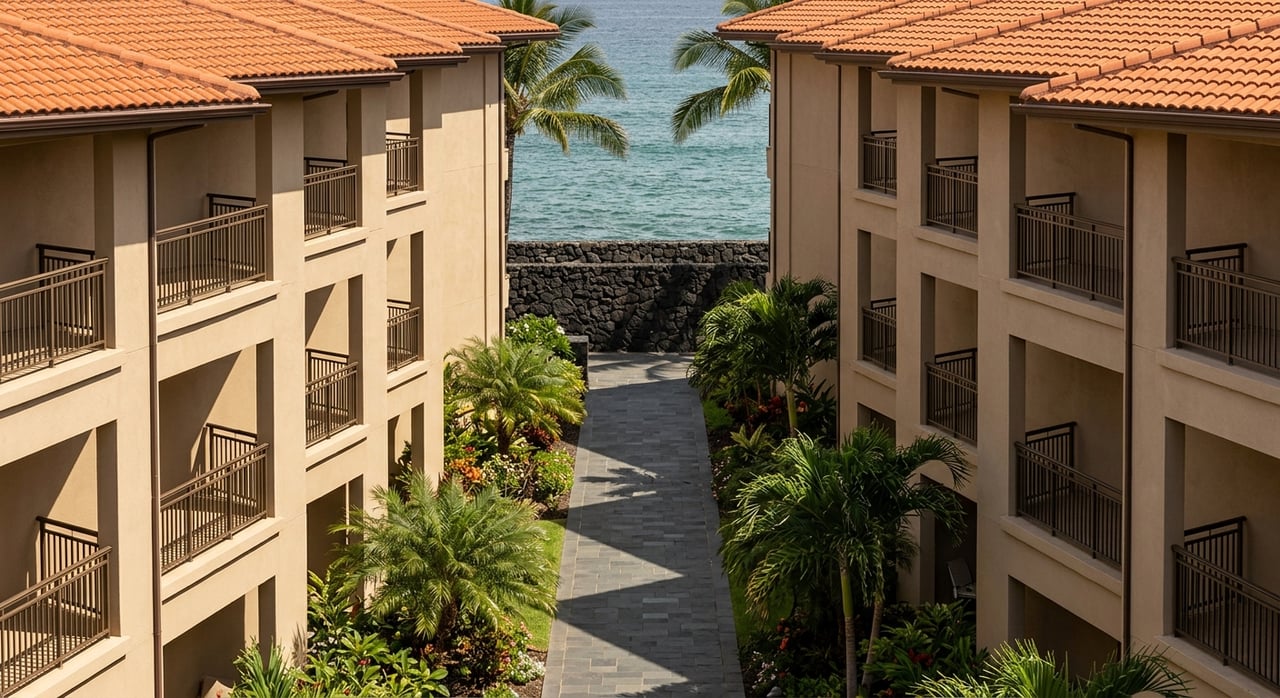
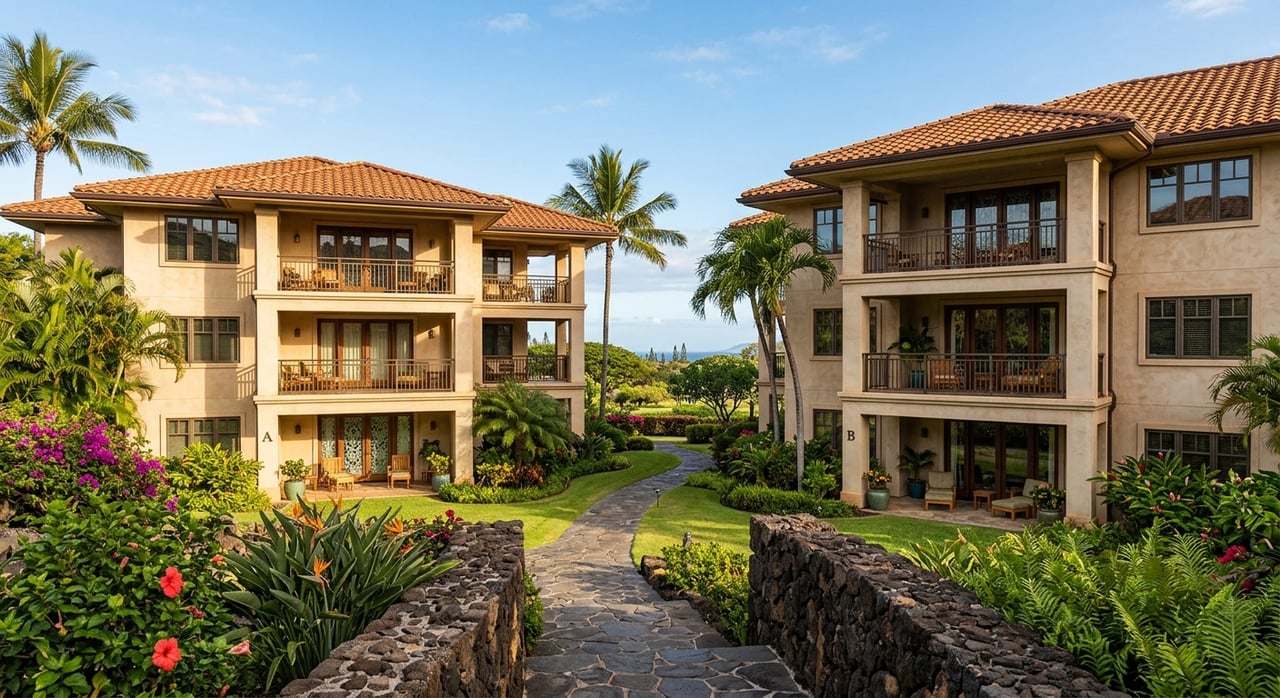
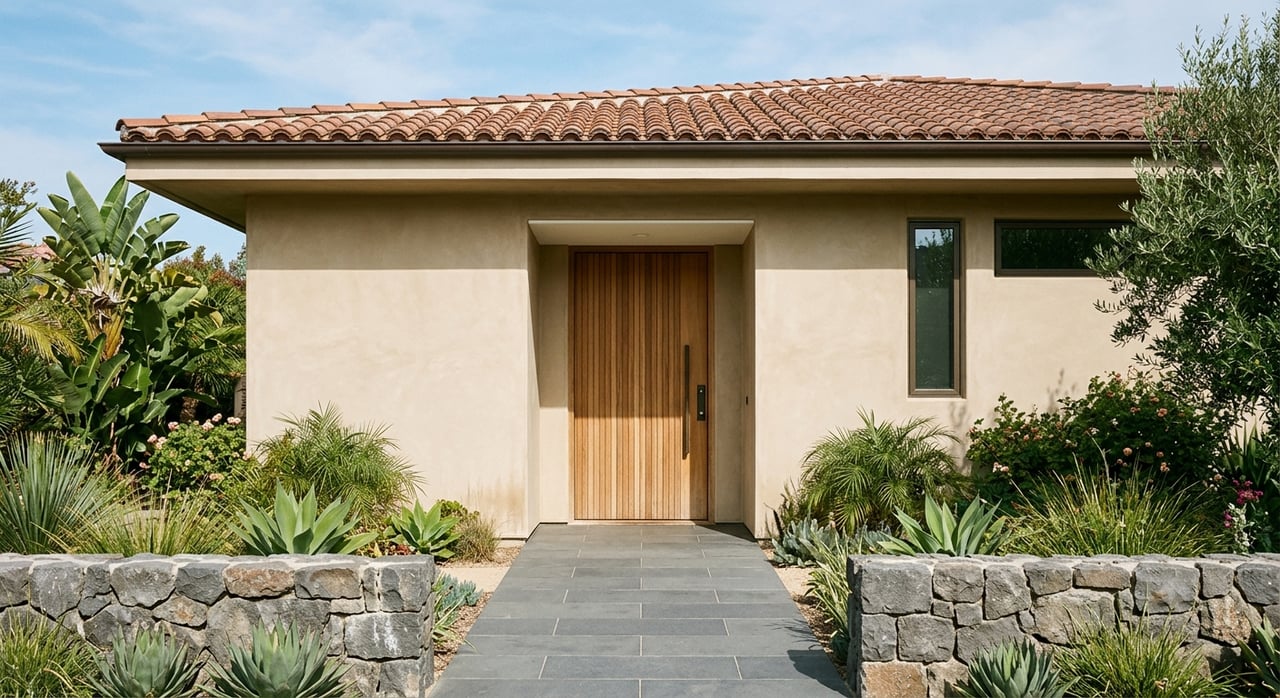
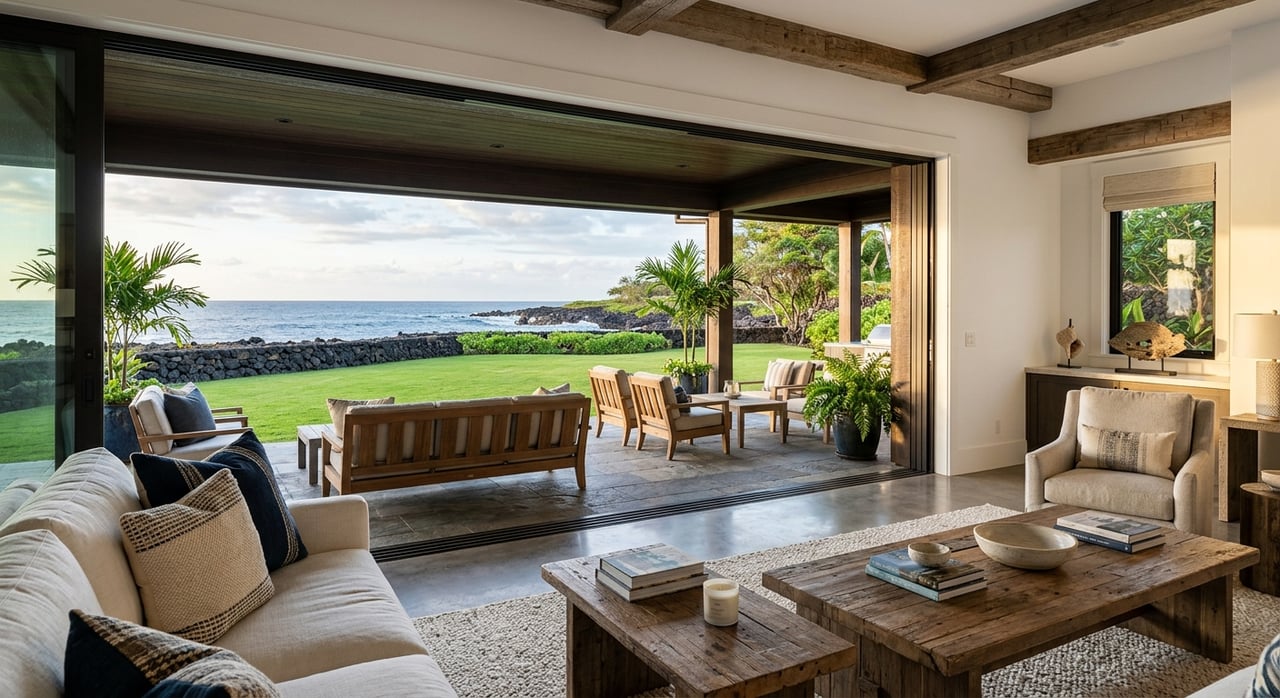
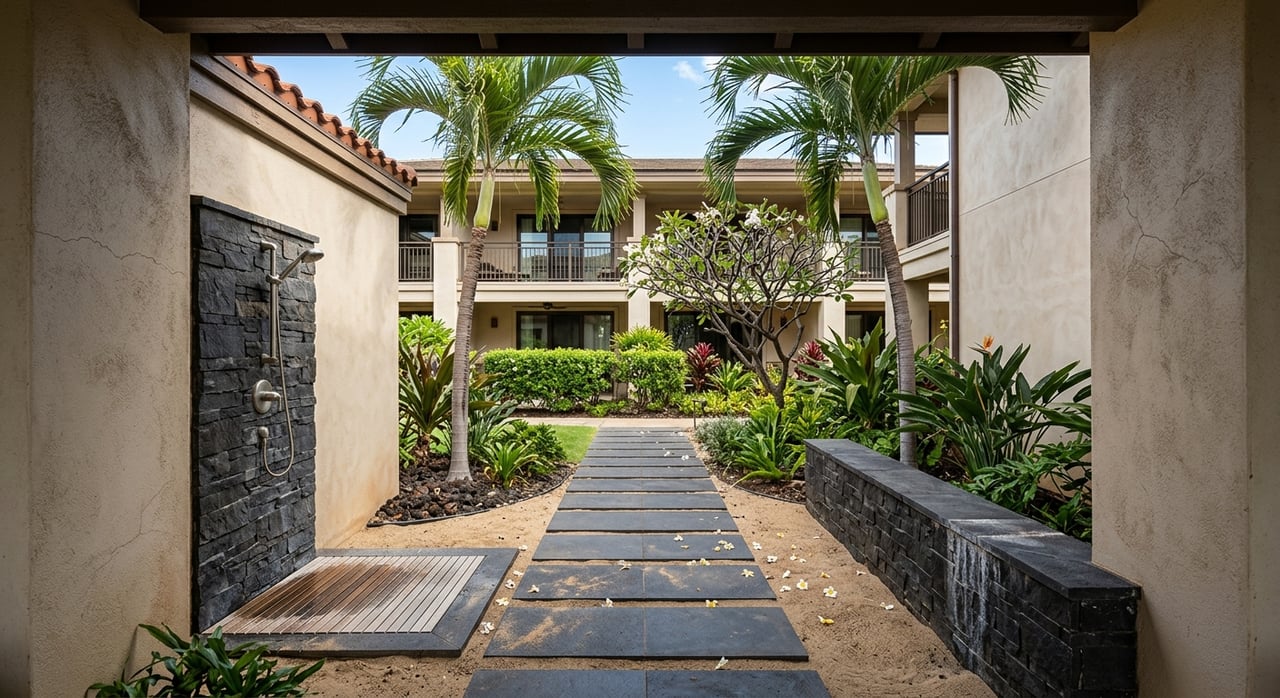
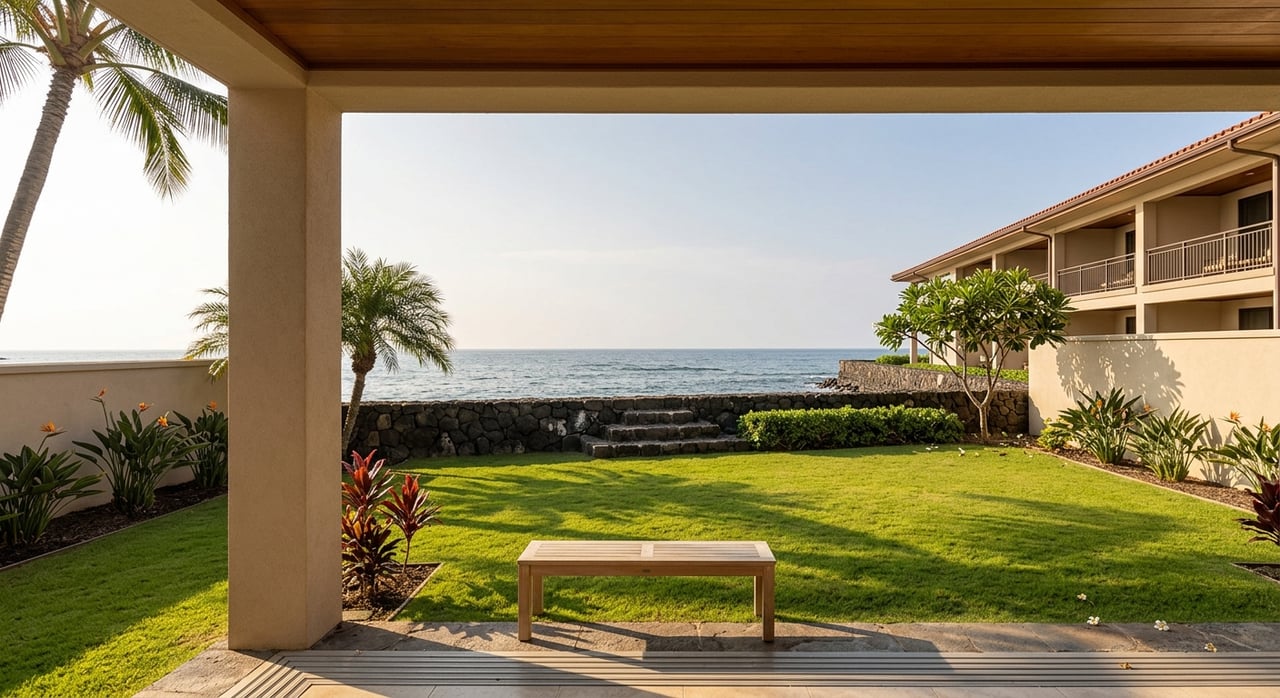
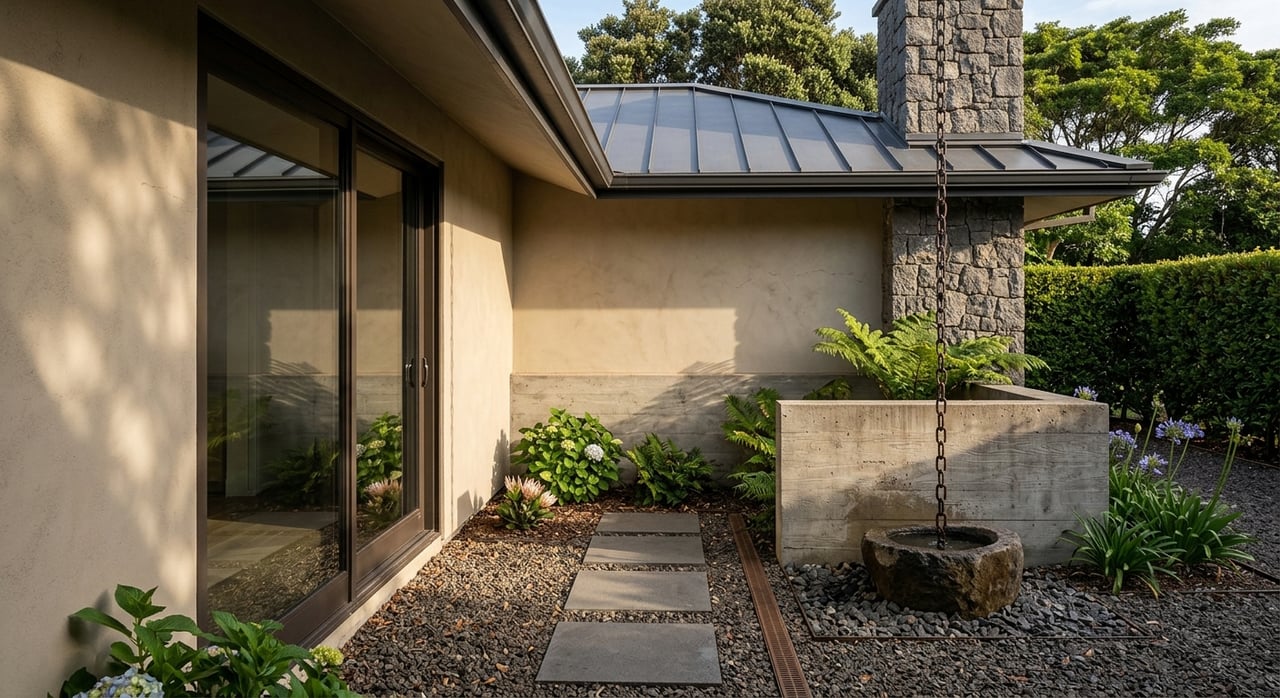
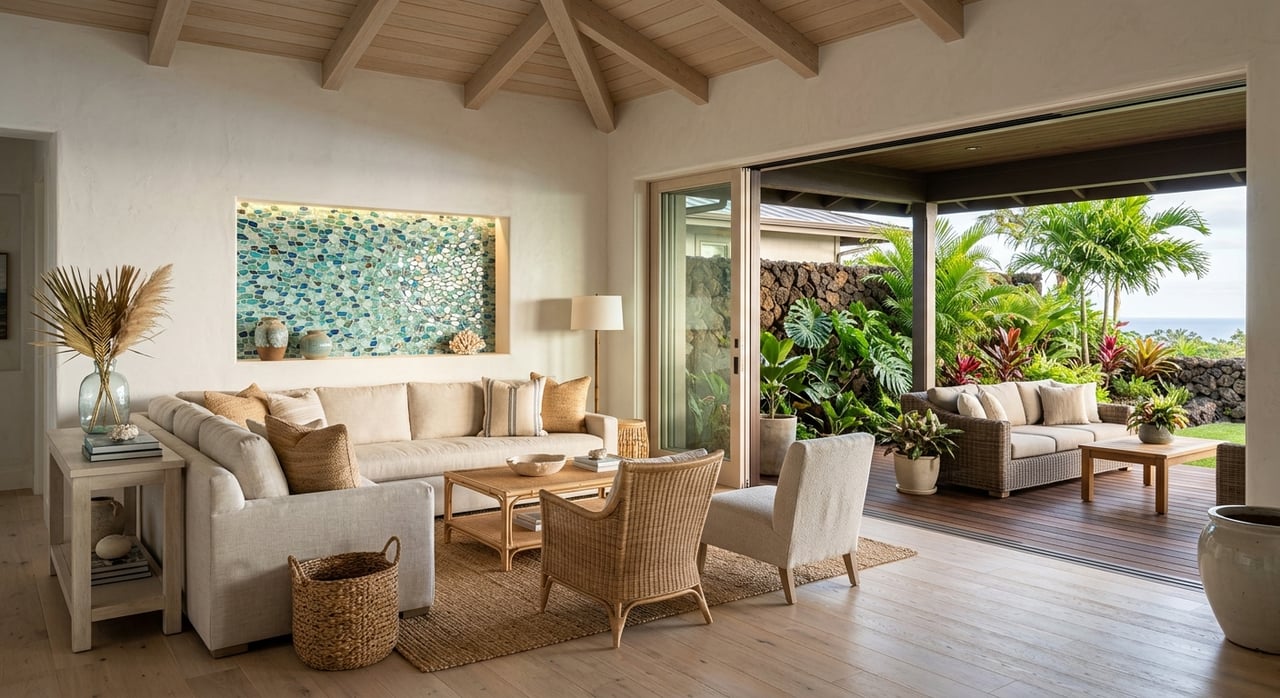
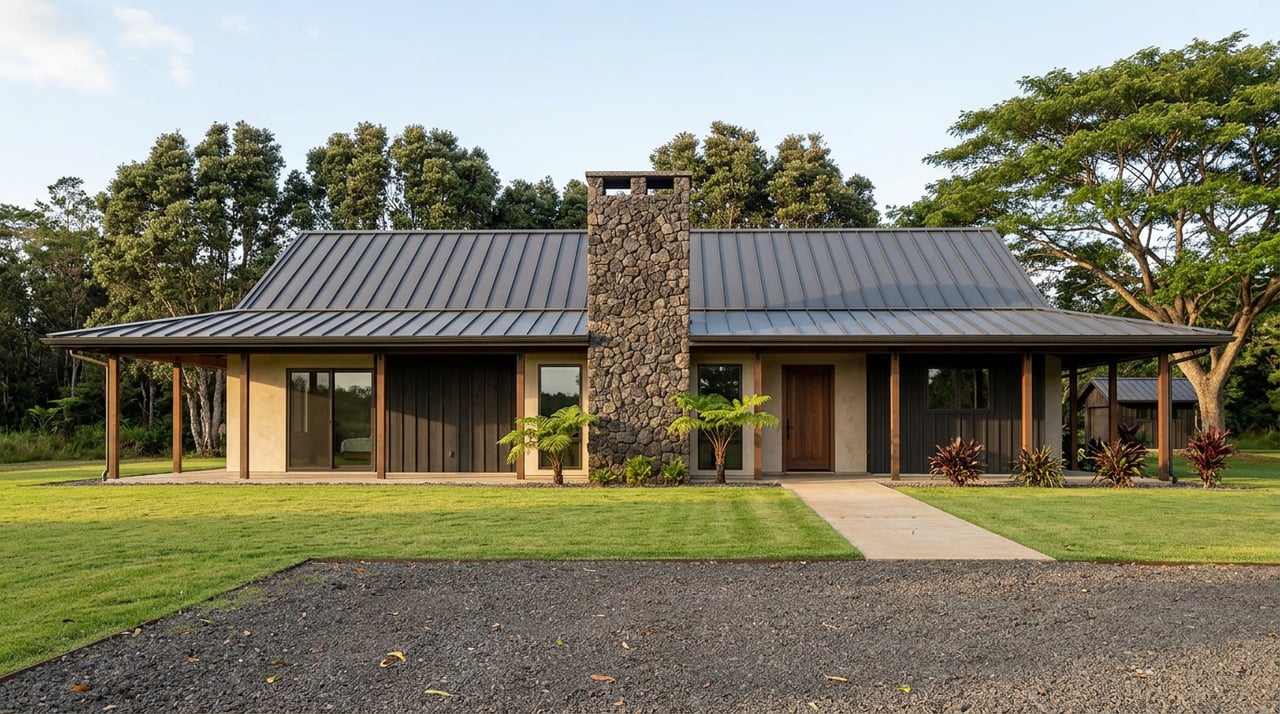
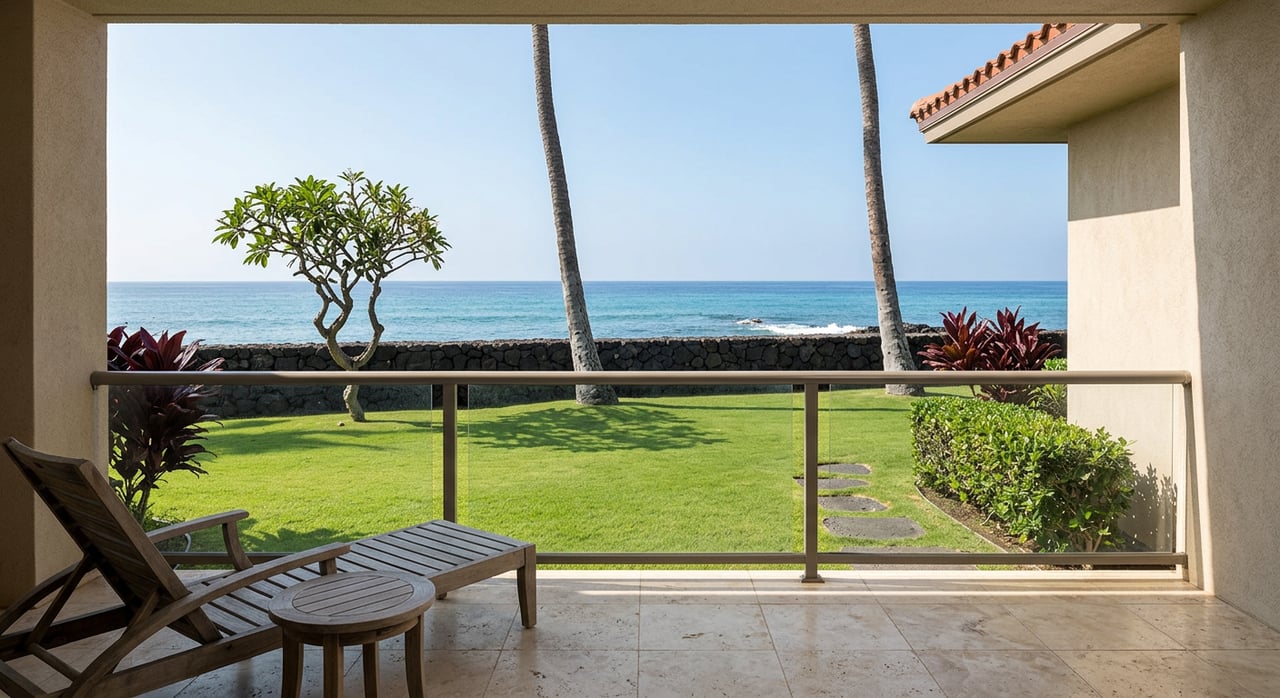
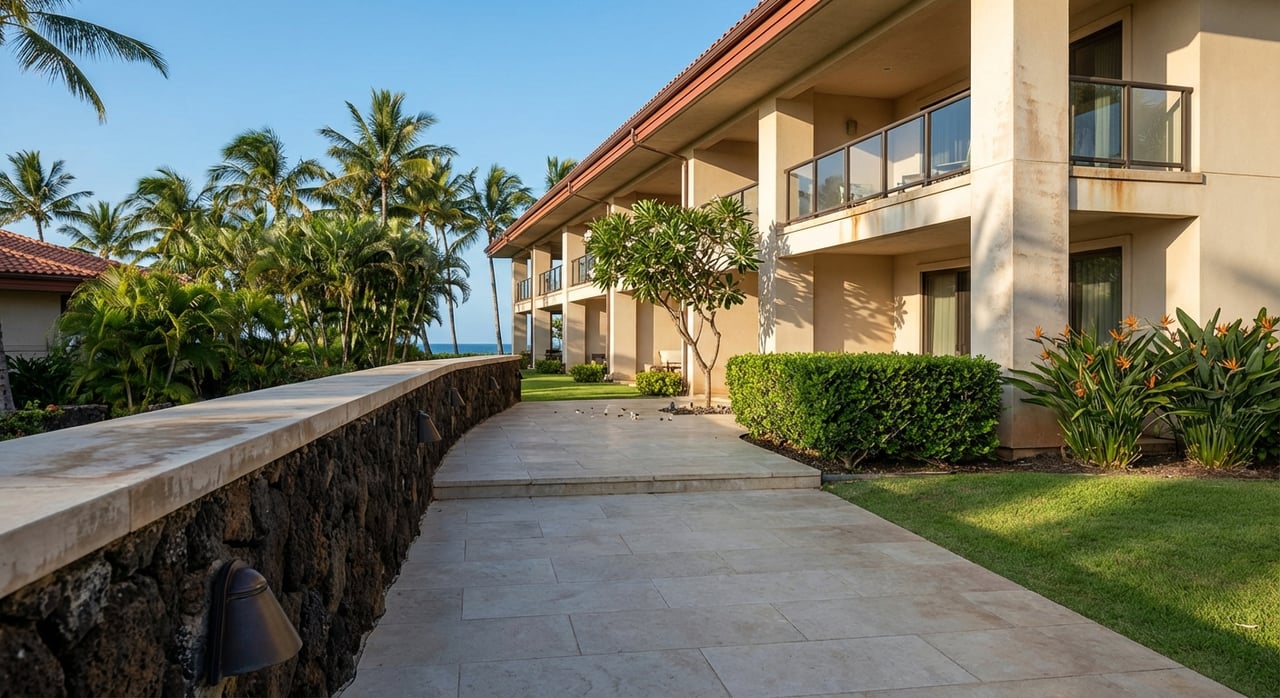
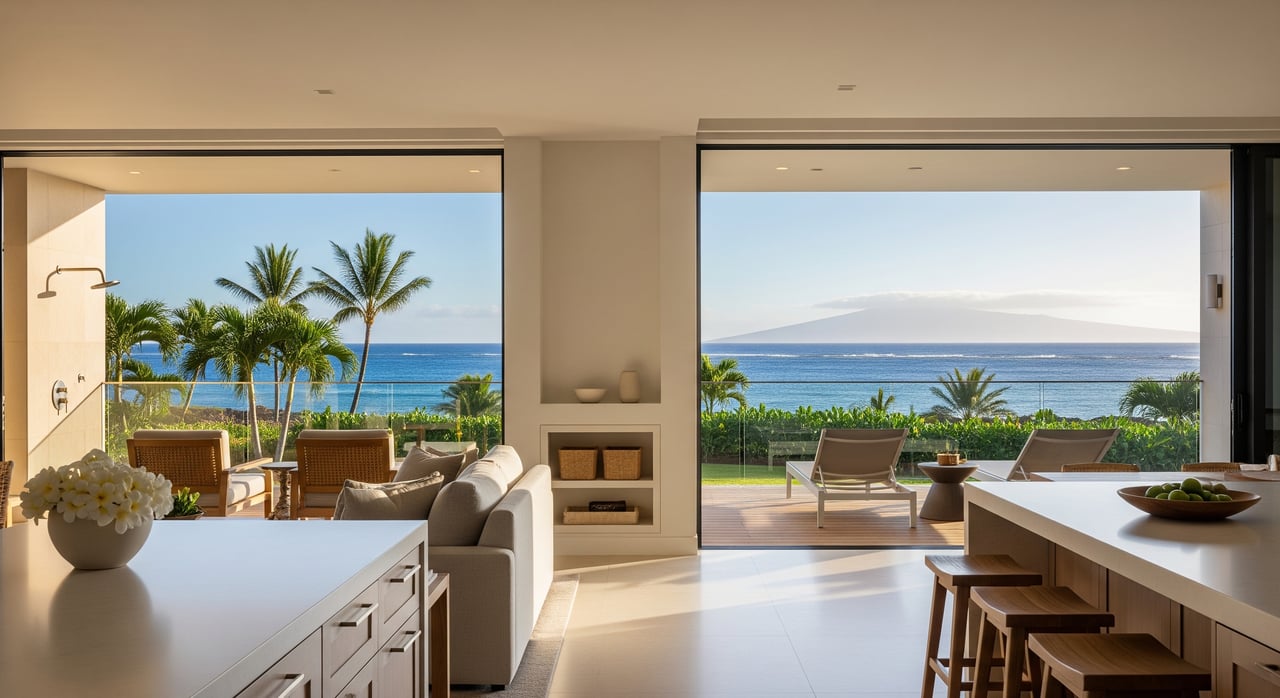
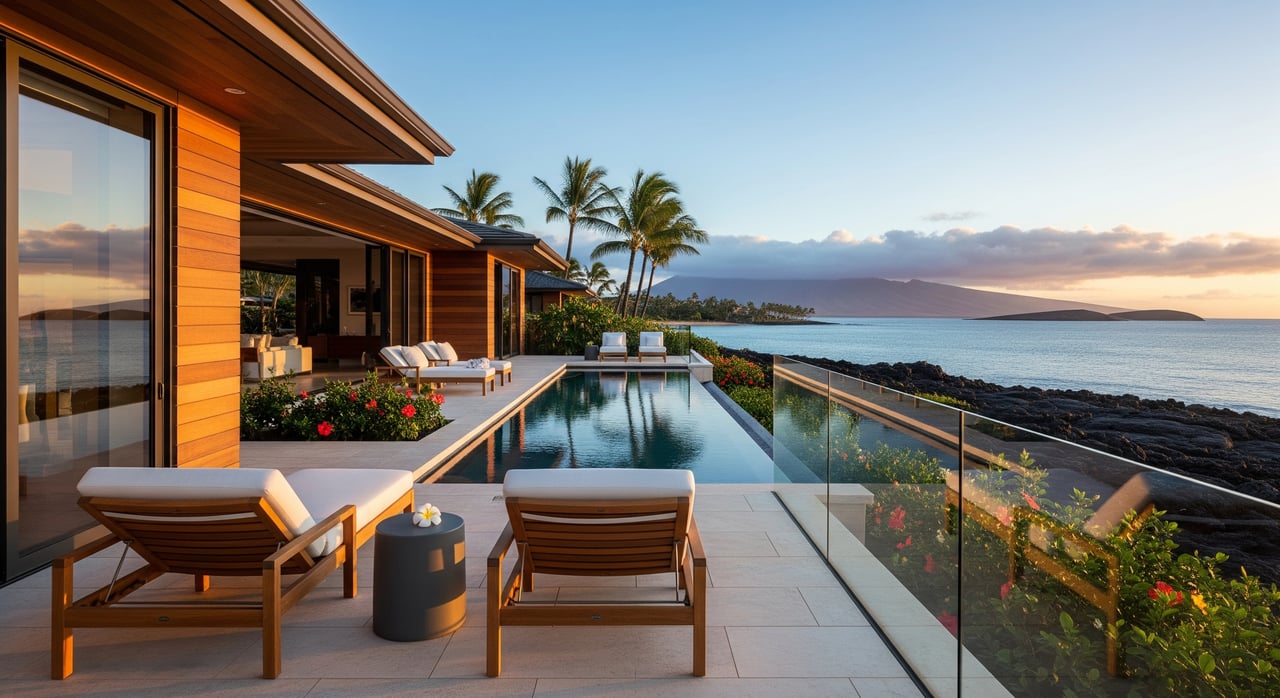
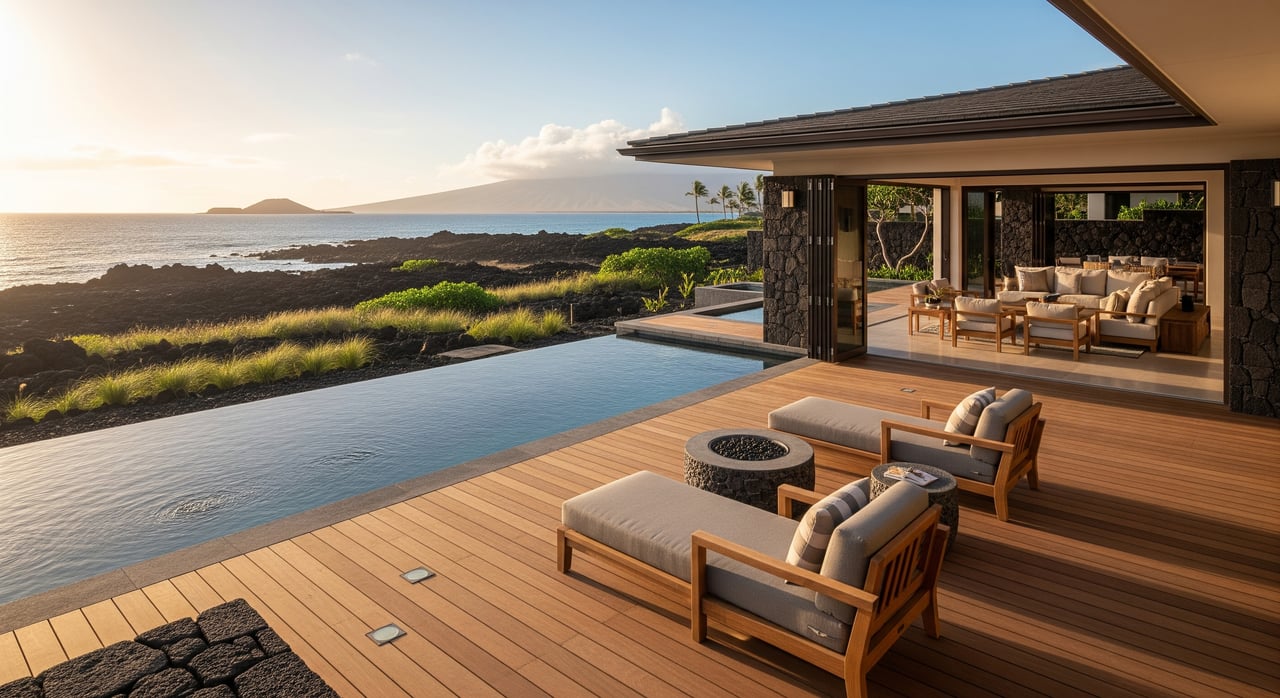
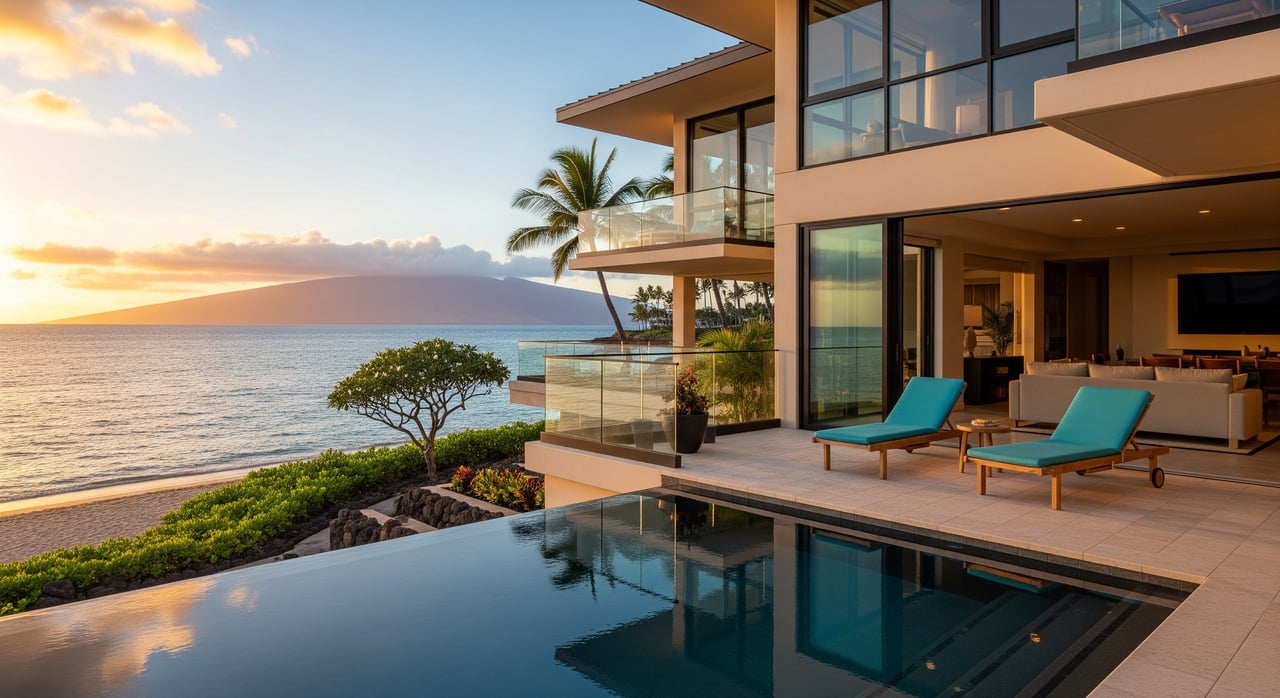
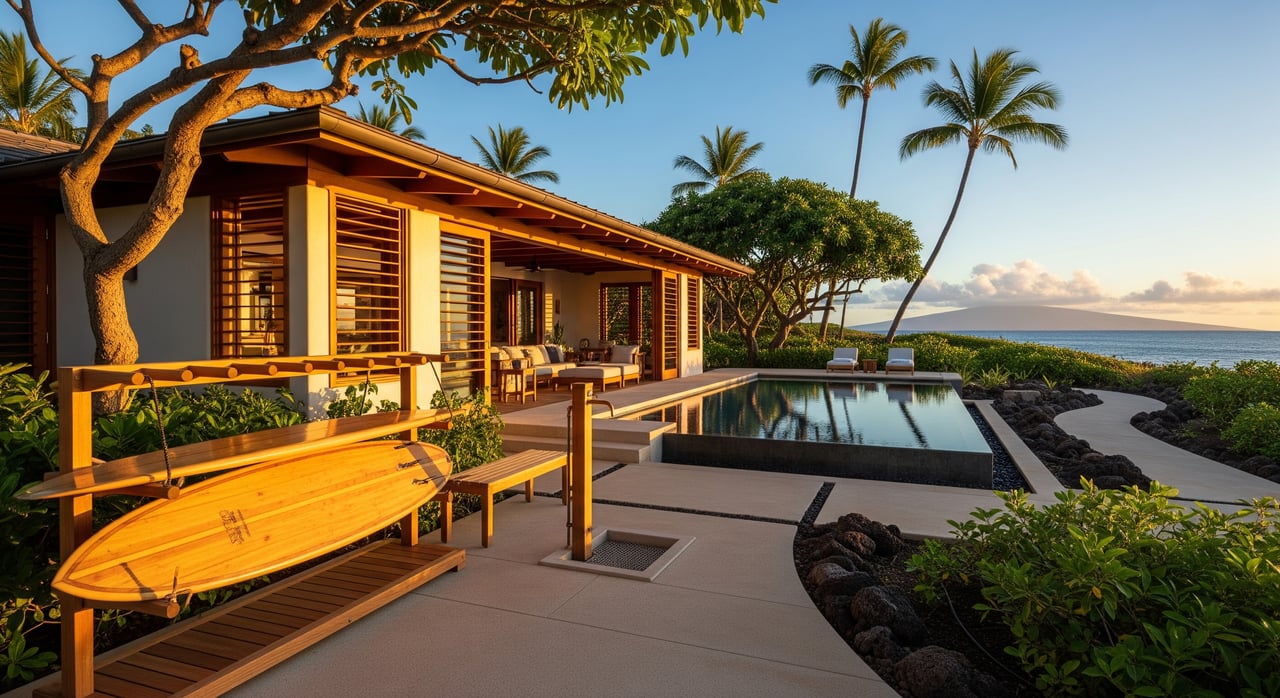
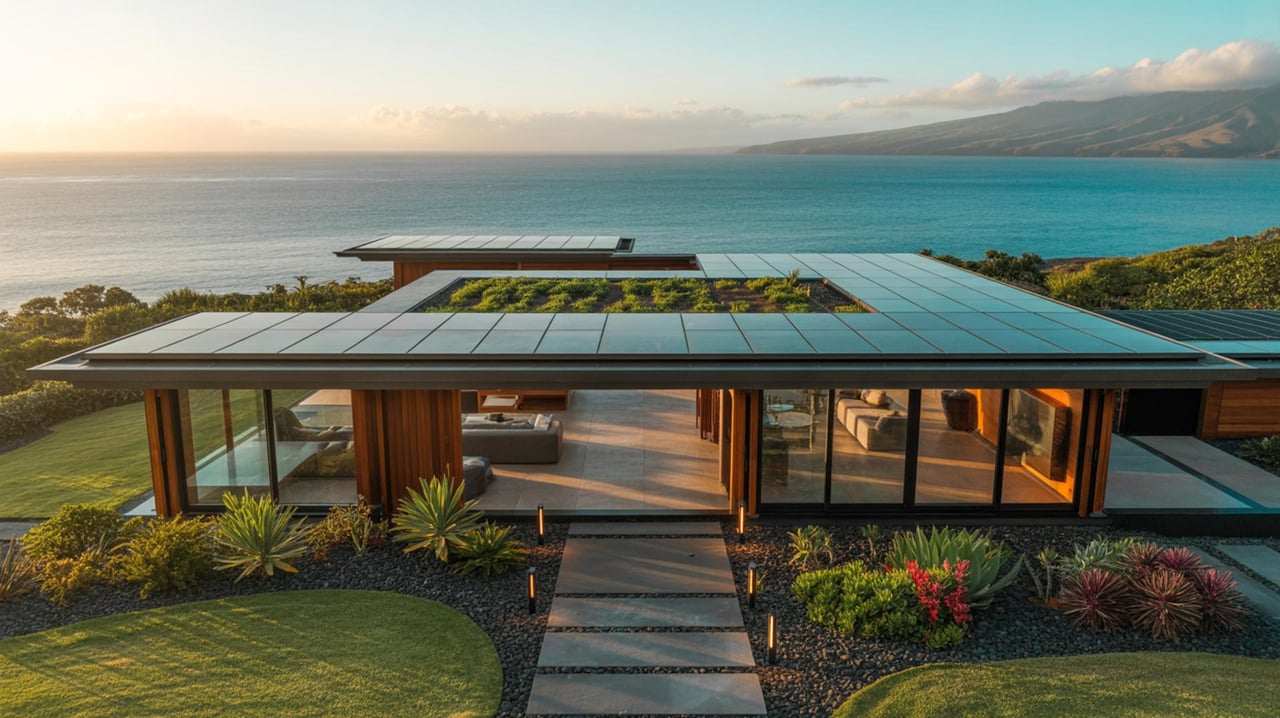
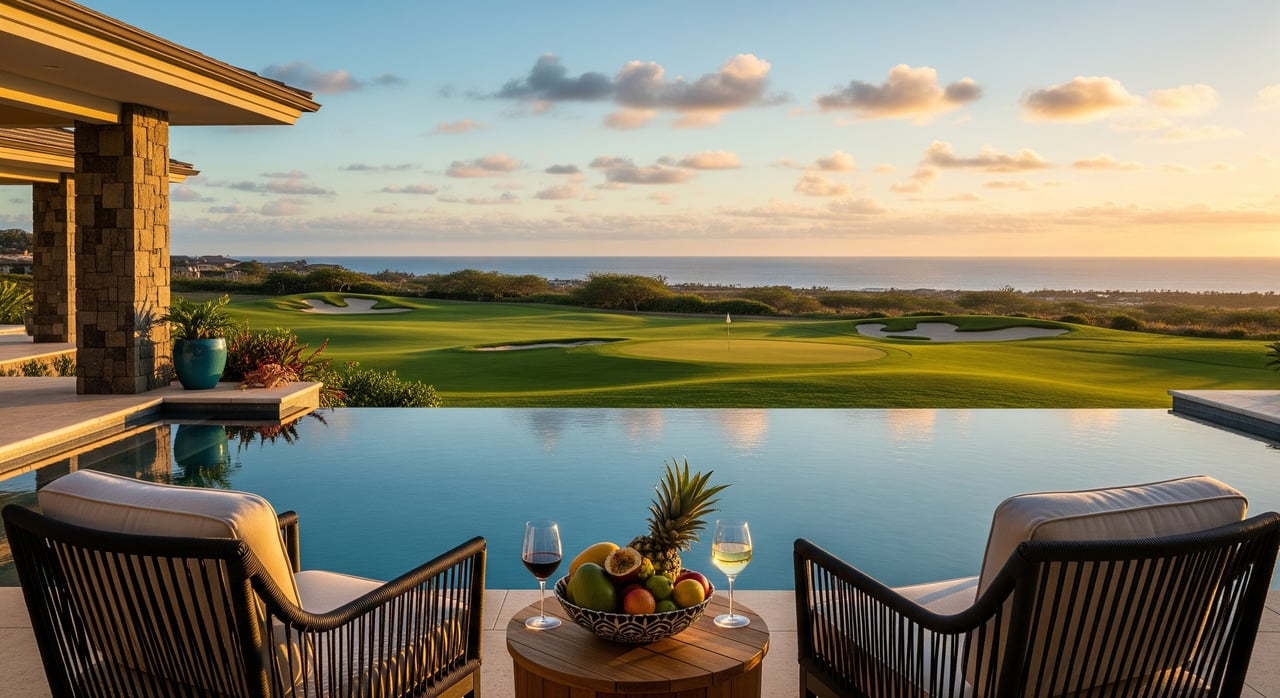
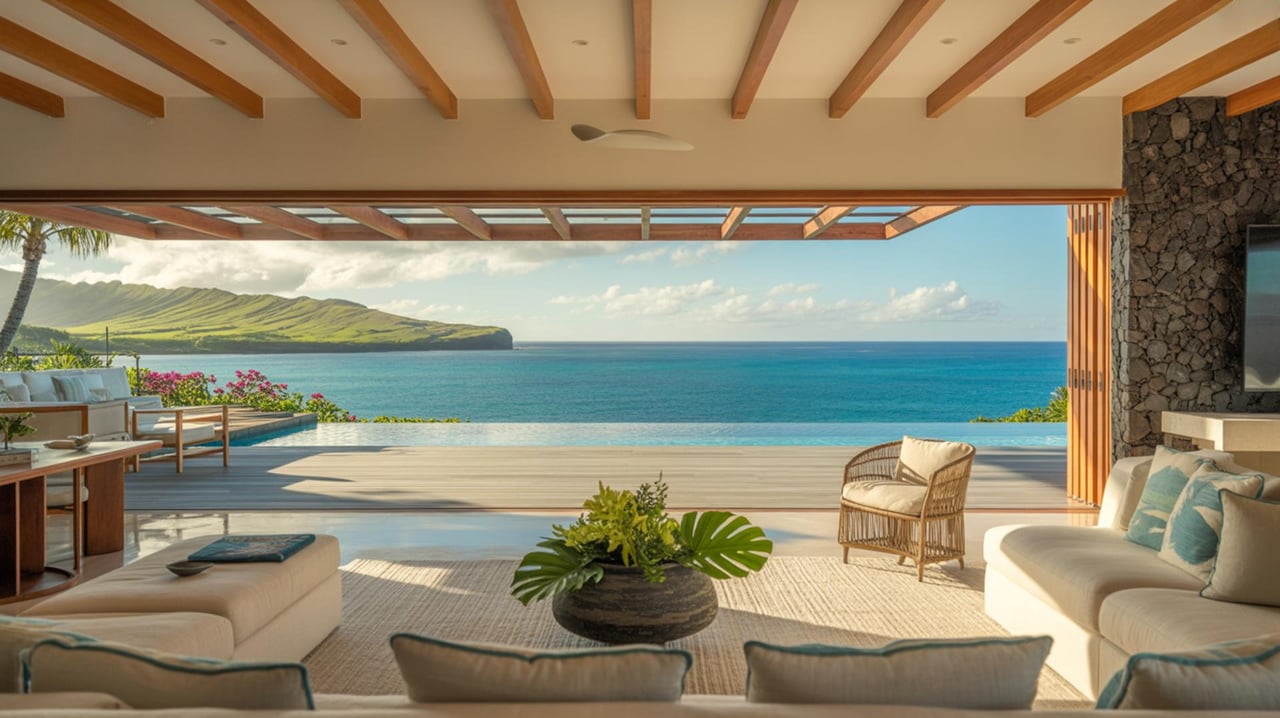
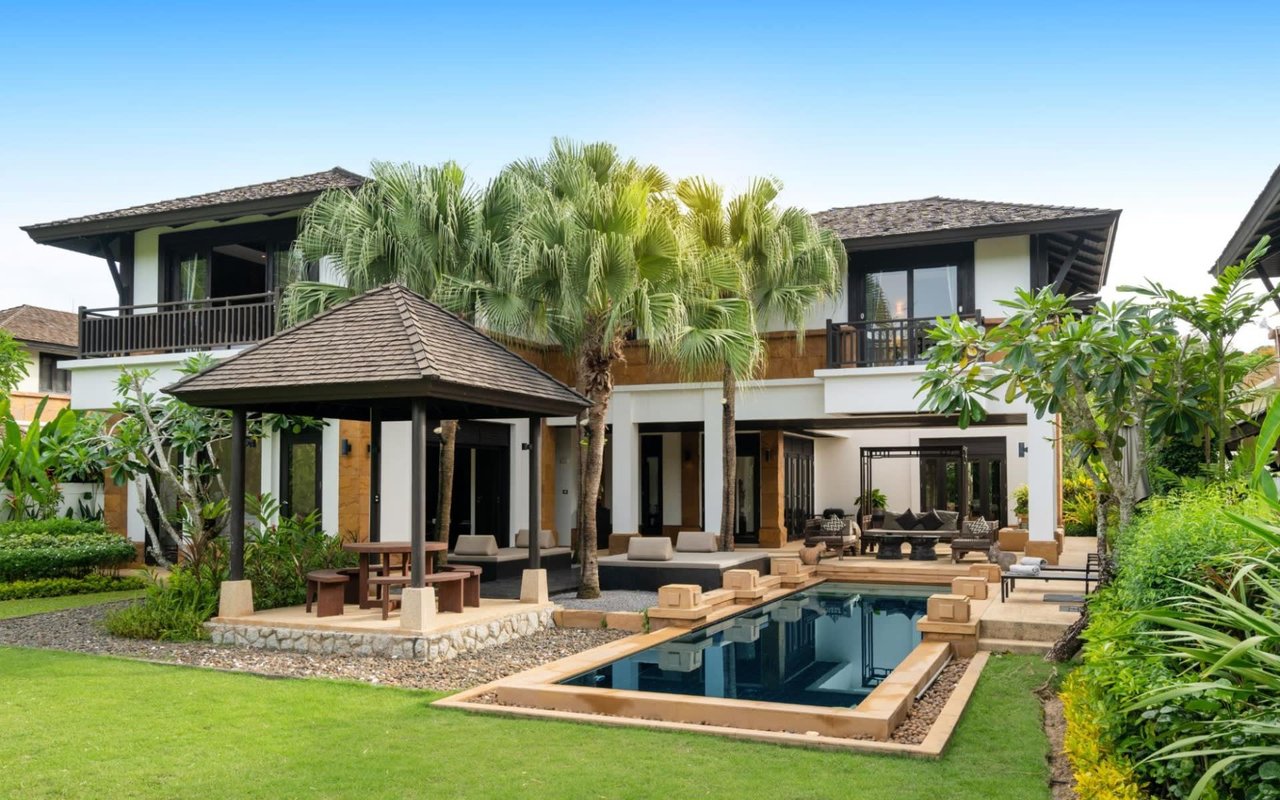
Luxury in Makawao is not one look. You will find elevated in‑town cottages, private small‑acreage estates and working equestrian properties. Here is how those lifestyles typically take shape.
Town cottages near Baldwin Avenue
- Renovated historic homes on small lots, often less than a quarter acre.
- High‑end finishes, lush landscaping and sometimes an ʻohana unit for guests.
- Walkability to cafés, galleries and community events.
- Appeal if you value a charming, low‑maintenance base with strong town energy.
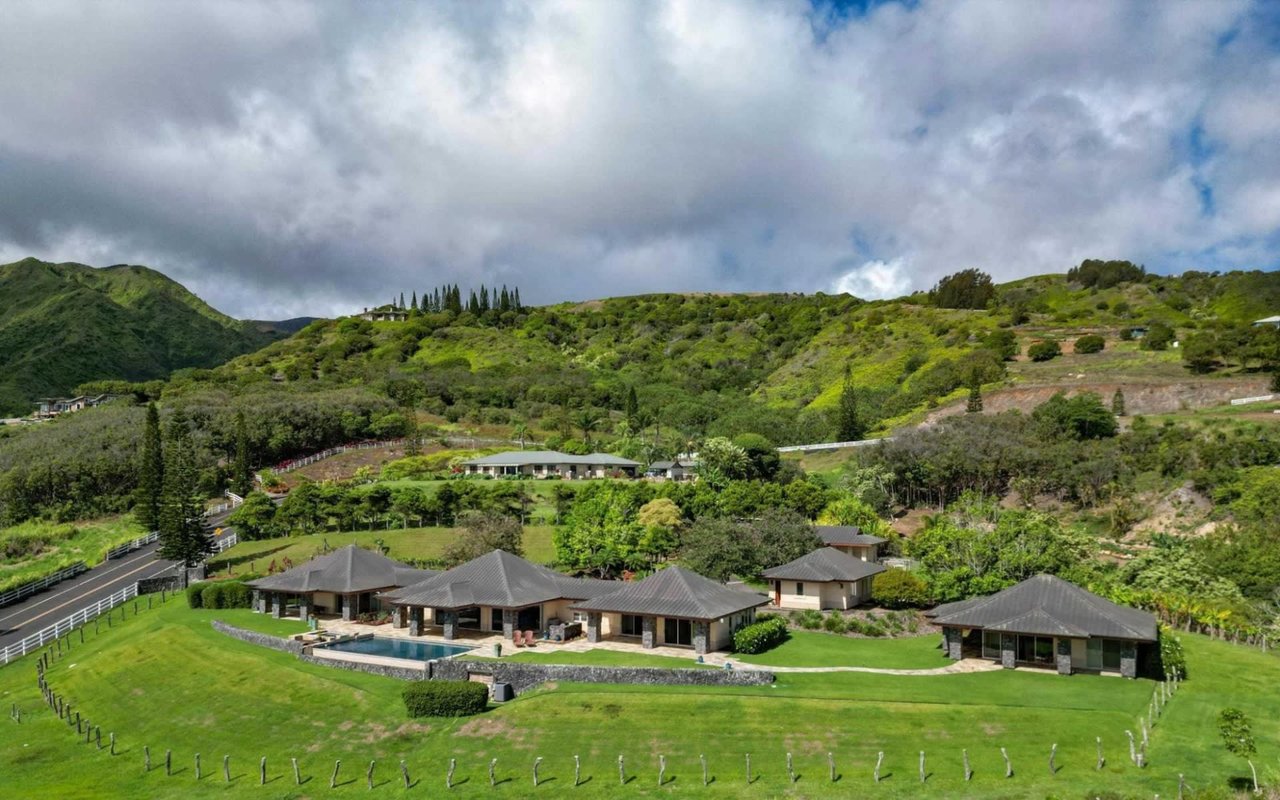
Small‑acreage lifestyle estates
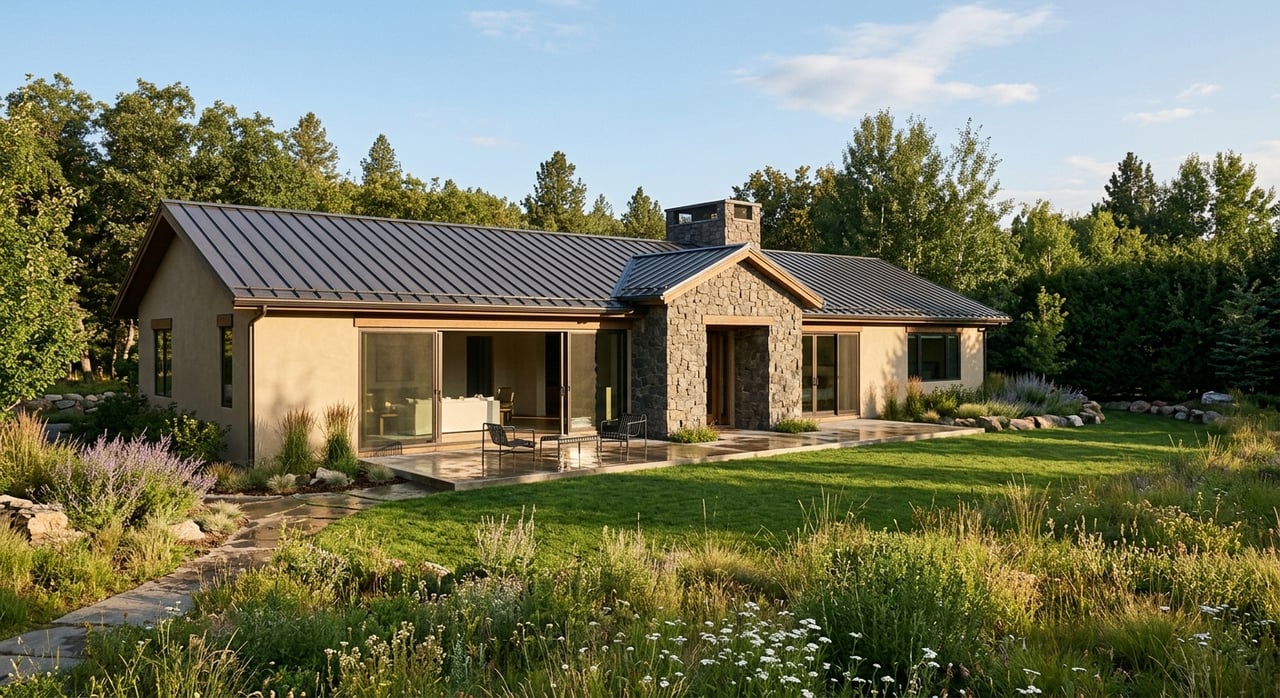
- Custom homes on acreage with space for orchards, gardens or hobby paddocks.
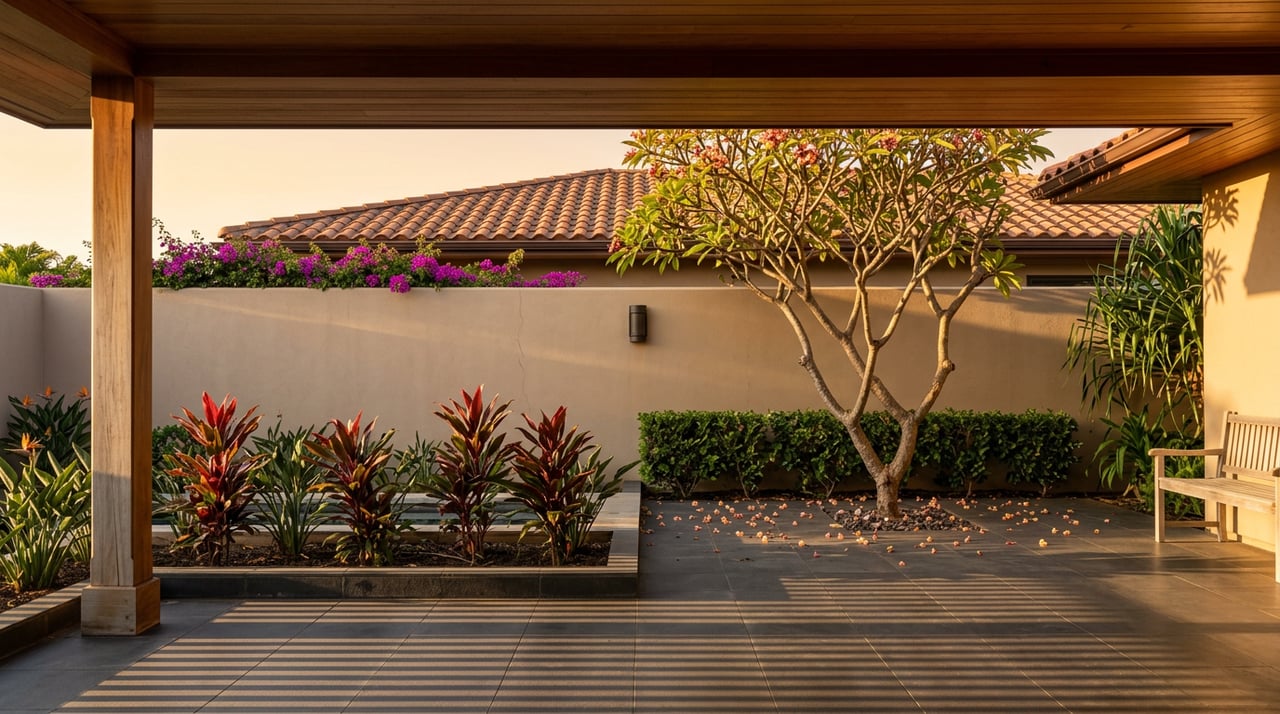
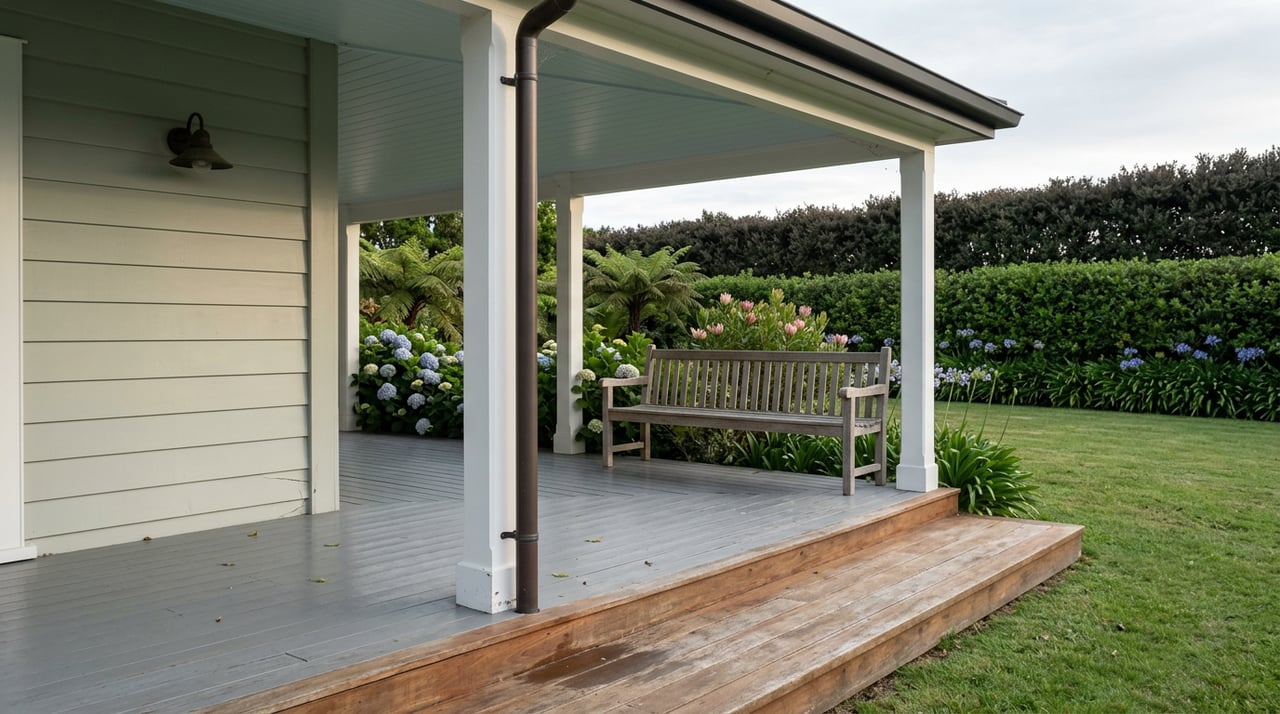
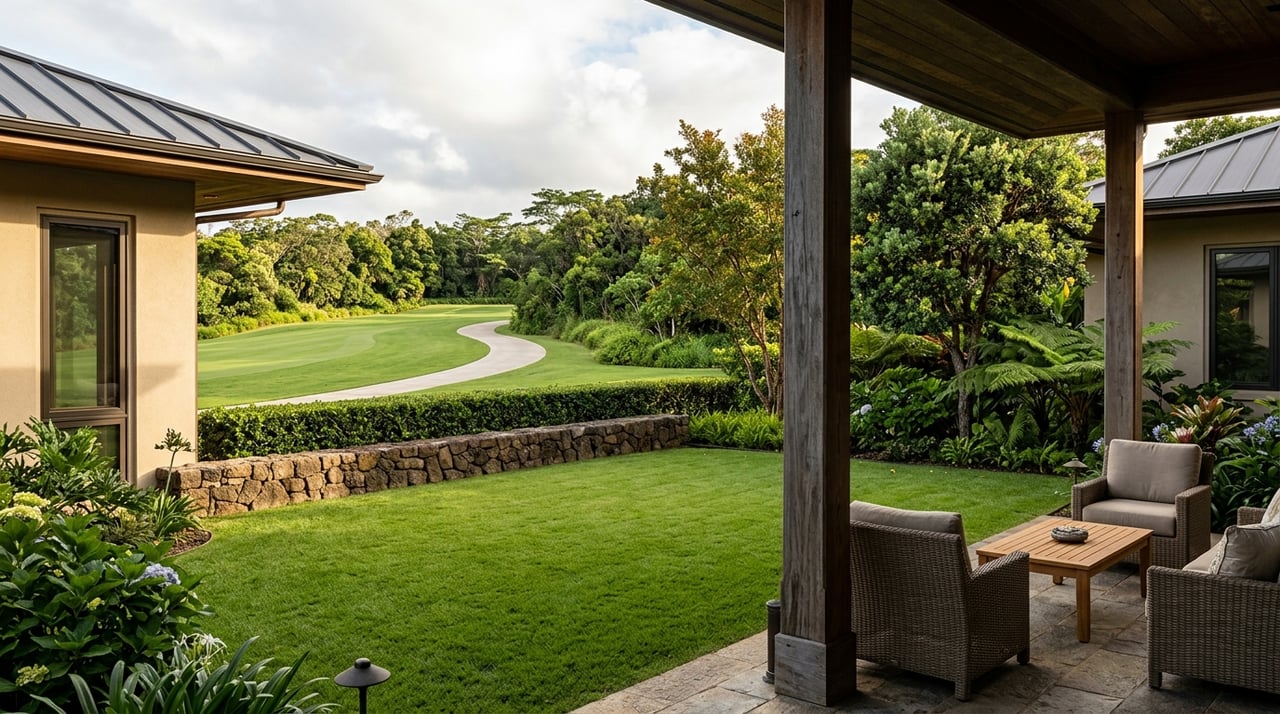
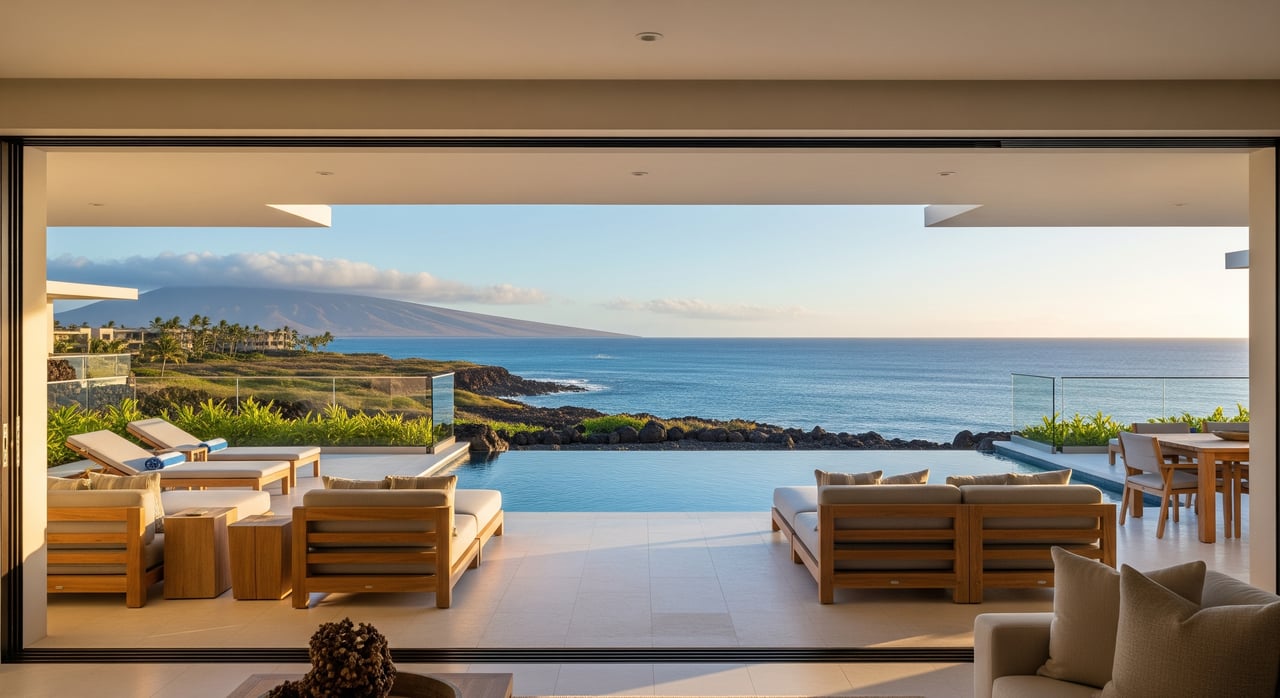
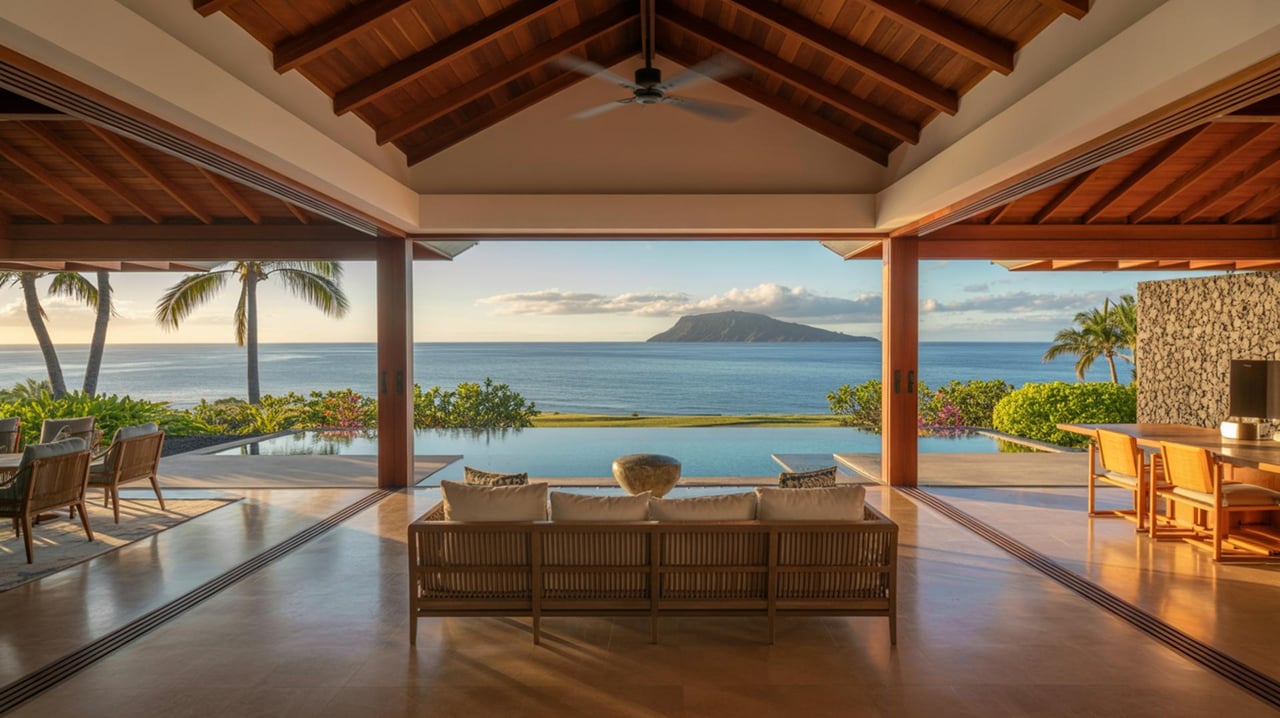
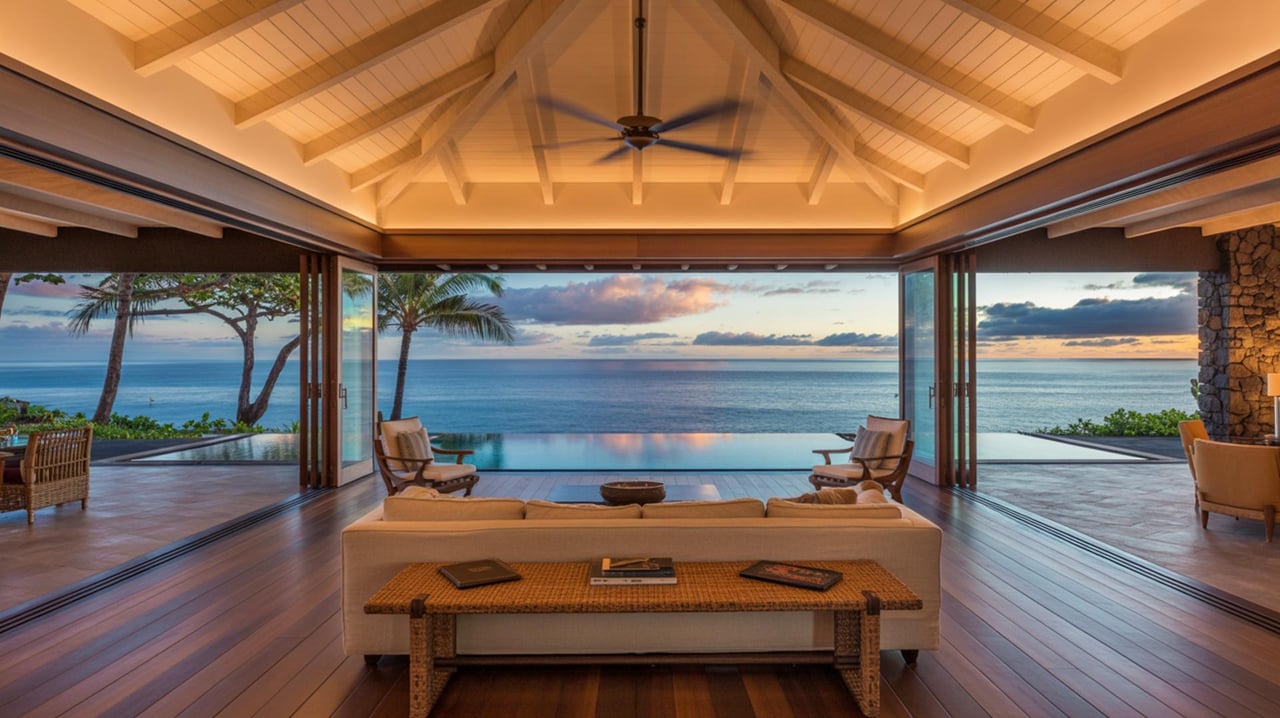
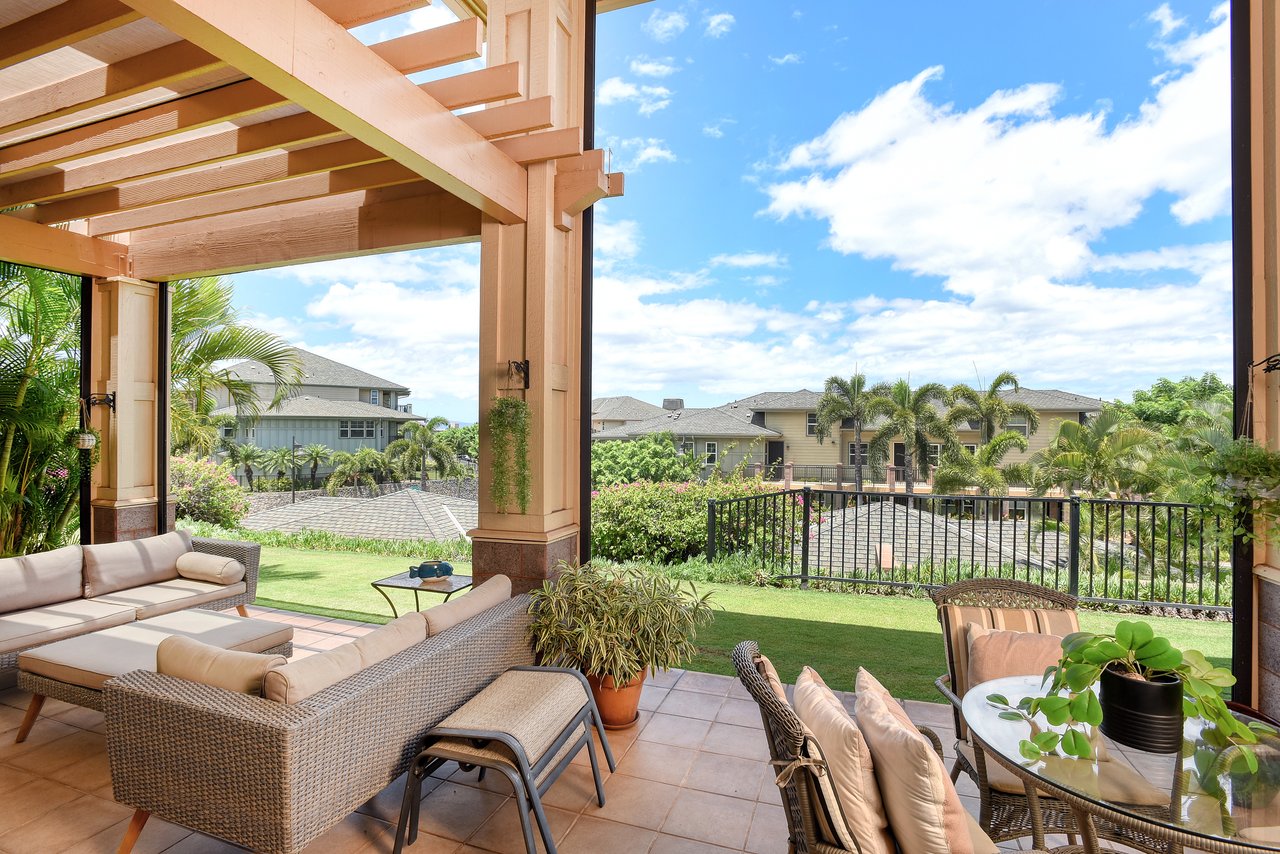
- Covered lanais oriented to light and wind, with view‑driven design.
- Common infrastructure: solar and battery systems, on‑site water storage and septic where applicable. Verify all utilities during due diligence.
- Acreage patterns in Upcountry vary, with single‑digit to multi‑tens of acres common in agricultural contexts.
Full ranch or equestrian estates
- Purpose‑built features like barns, tack rooms, round pens and fenced pastures.
- Separate guest or worker quarters may be present, subject to County rules.
- Access to riding and a community that celebrates the paniolo lifestyle.
- Before you expand operations, confirm agricultural zoning, permitted uses and any subdivision limitations outlined by the County.
Daily rhythms estate owners love
- Saturday mornings at the long‑running Upcountry Farmers Market in Kulamalu for fresh produce and local products.
- Art classes or exhibits at Hui Noʻeau, plus evening gallery strolls in town.
- Pāʻū parade day and Makawao Stampede weekend for community connection and tradition.
- Unhurried afternoons tending orchards, riding in the late light and gathering on the lanai.
Smart steps before you buy in Makawao
A thoughtful plan helps you enjoy the lifestyle you want from day one. Use this quick checklist to guide your process.
- Confirm water supply and storage. Ask the Maui Department of Water Supply about service and allocations, and evaluate storage or catchment needs if you plan intensive gardens or livestock. Reference the East Maui water background for context.
- Verify zoning and permitted uses. Review the Makawao–Pukalani–Kula Community Plan and County zoning to understand what is allowed on agricultural parcels and any limits on additional units.
- Assess wastewater systems. Many rural properties use septic or other on‑site systems. Confirm capacity and requirements for upgrades if you plan to add living areas.
- Evaluate access and site conditions. Consider driveway slope, road maintenance, drainage and wind. These details shape daily living on acreage.
- Engage respectfully with local culture. Learn the area’s paniolo and Hawaiian history, support long‑standing businesses and participate in community events.
Makawao gives you the rare chance to live close to a storied ranching tradition while enjoying a refined estate lifestyle tailored to you. Whether you are drawn to an artful cottage in town or a view‑rich acreage with pastures and gardens, the key is pairing vision with grounded due diligence. If Makawao feels like your next chapter, connect with Riette Jenkins for a private consultation and a guided path to the right Upcountry property.
FAQs
What does “paniolo” mean in Makawao’s context?
- Paniolo means Hawaiian cowboy, and Makawao is known for its ranching heritage and annual parade and rodeo that keep the tradition alive.
How does Makawao’s elevation affect daily living?
- At around 1,578 feet, you get cooler nights and microclimates that favor orchards, gardens and comfortable outdoor living compared with the coast.
What does a Makawao luxury estate typically include?
- Expect view‑oriented design, generous lanais, and on larger parcels features like orchards, paddocks, barns and sustainability systems such as solar and water storage.
Are there farmers markets and arts programs near Makawao estates?
- Yes, the Upcountry Farmers Market runs on Saturdays in Kulamalu, and Hui Noʻeau offers ongoing classes and exhibits close to town.
What due diligence should I do before buying acreage in Makawao?
- Confirm water service and storage, check zoning and permitted uses, verify on‑site wastewater systems, and review site access, drainage and wind exposure.