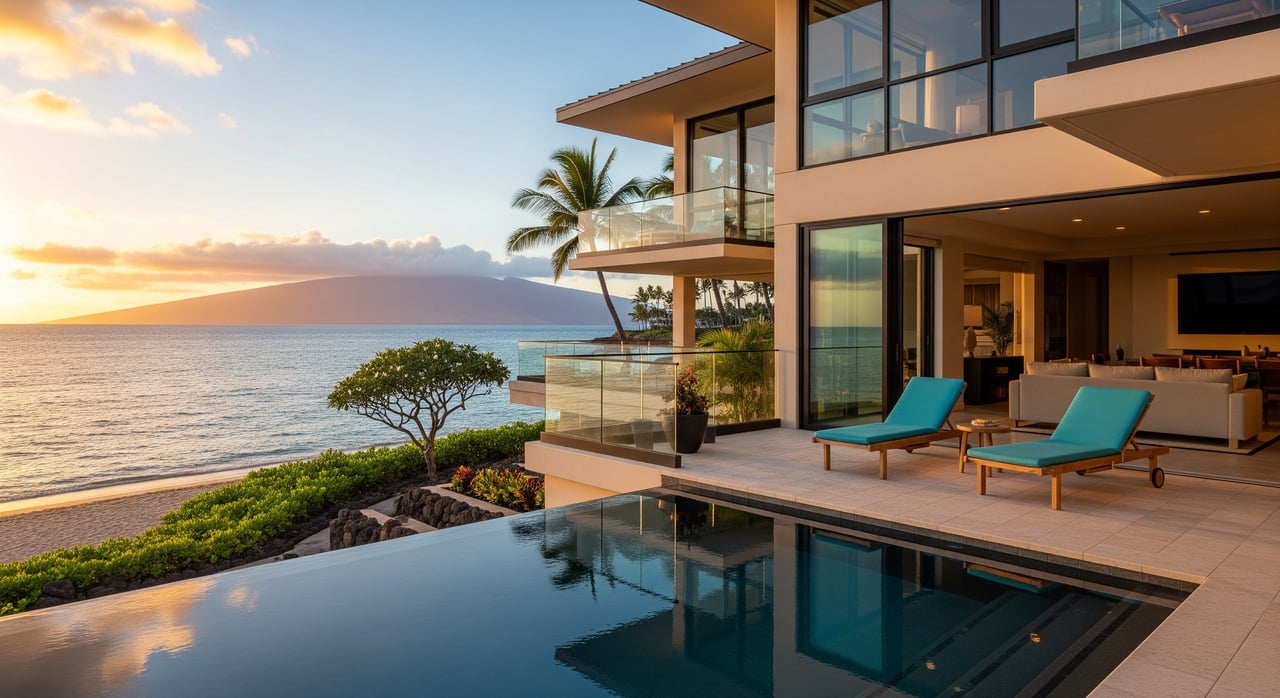
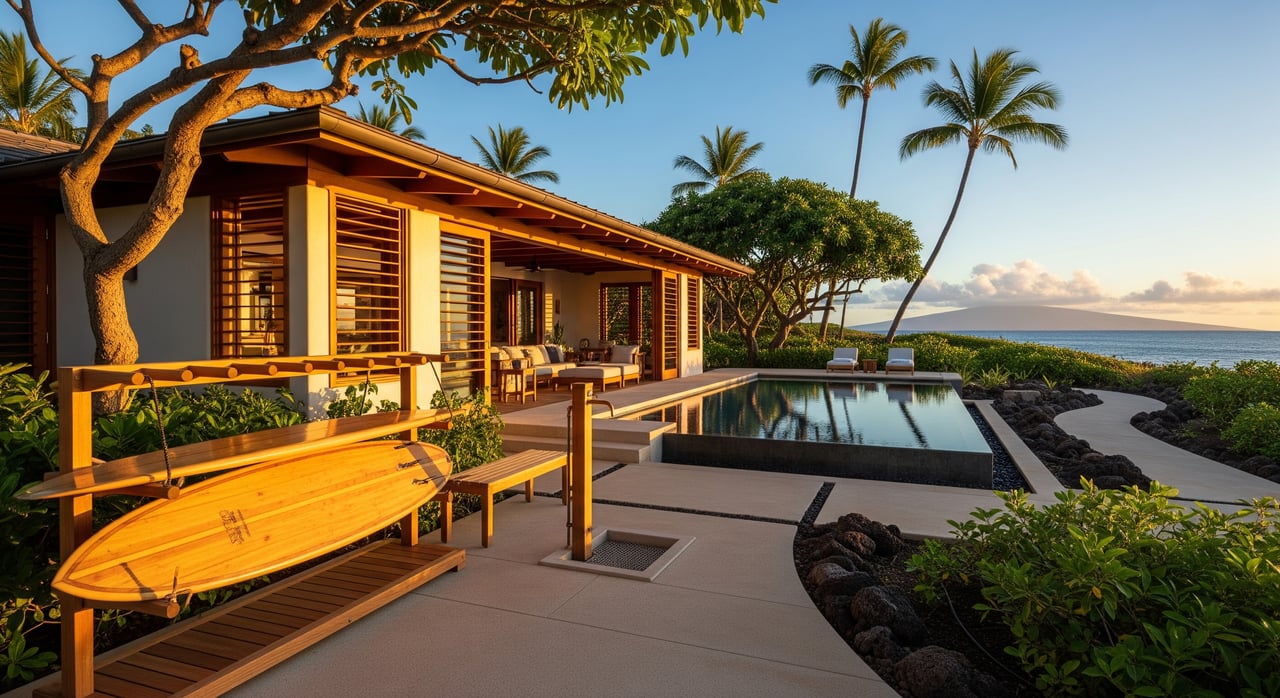
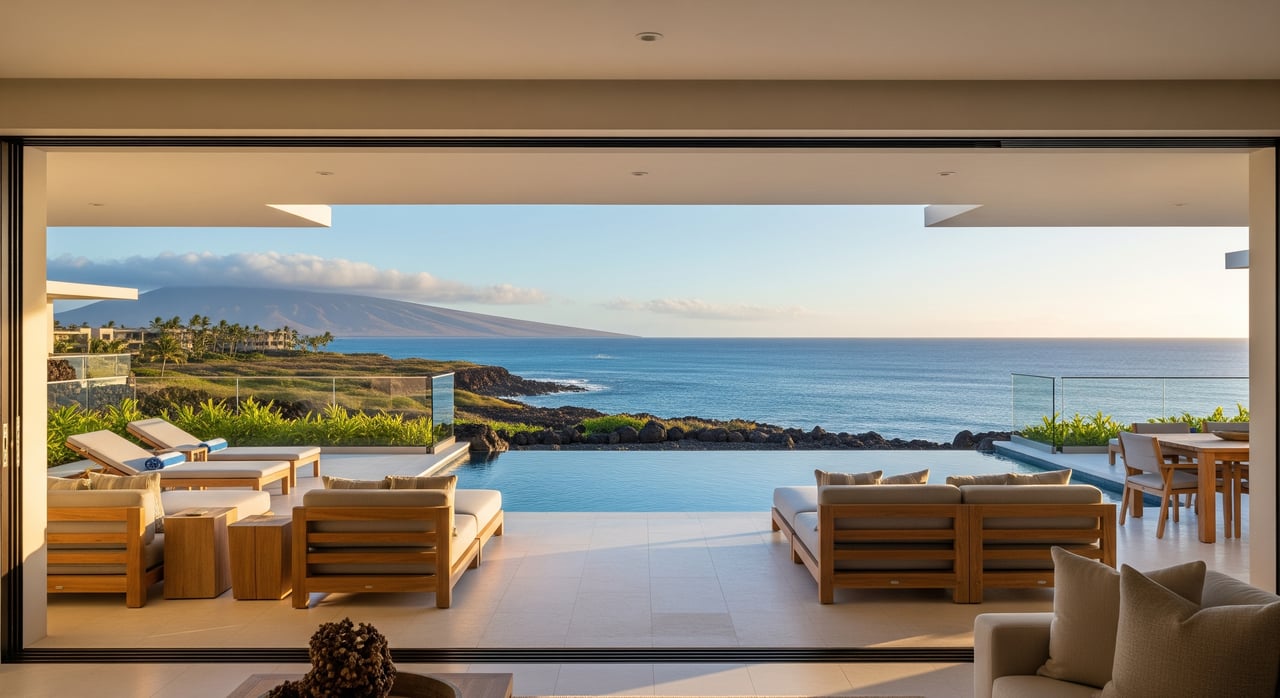
Pull the numbers on Makena today and you get a district that barely behaves like a market at all. Nine single-family homes closed in the first quarter of 2026, at a median of $2,737,500. Twenty-eight condos closed in the same window, at a median of $1,985,000, down from $2,850,000 a year earlier. Two segments, two directions, and a sample size small enough that any single estate sale can swing the median by six figures. If you've been comparing Makena to Wailea using the same spreadsheet logic that works for a normal subdivision, the logic breaks down here before you get past the first row.
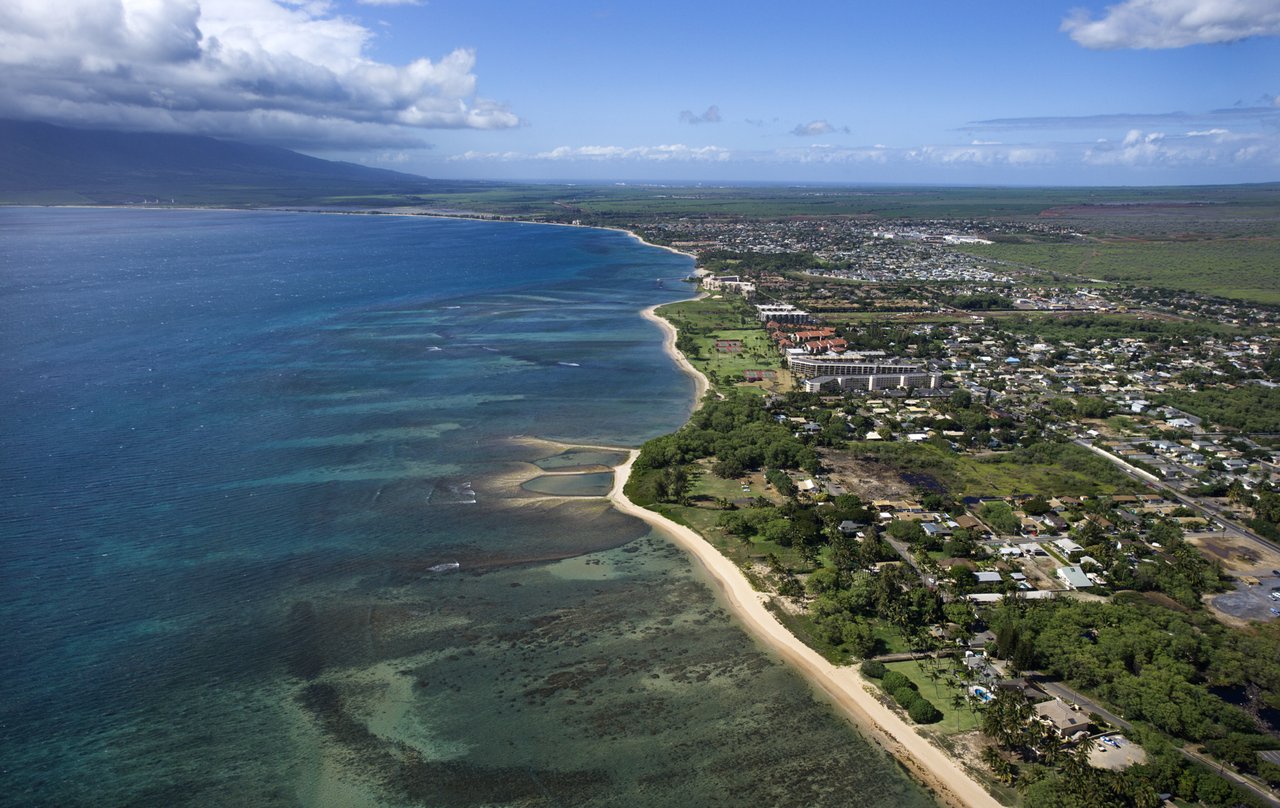
Part of that is geography. Makena has never had much land to sell. Another factor is a 2009 zoning change that included public benefits such as beach parking, some of which remain planned. Understanding where those public benefits actually stand right now, not where they stood five years ago, is the difference between reading Makena's thin numbers correctly and reading them as a district in decline.
The 2009 Zoning Change and Its Parking Condition
According to Maui Now, in 2009, Maui County passed Ordinance 3613, changing the zoning on Makena Resort's holdings to allow hotel, business, residential, and park uses. That kind of entitlement doesn't come free. One of the conditions attached to it called for 60 public beach parking stalls, built by whoever developed the land next.
Here's where that promise stood as of this year:
| Year | Public parking stalls delivered | Where |
|---|---|---|
| 2009 | 0 of 60 required | Ordinance passed, no construction yet |
| Through 2026 | 10 of 60 | North end of Maluaka Beach |
| Planned, tied to Mākena Mauka | 33 more | On the developer's own land holdings |
| Planned, separate project | 17 more | H-2 Residential Project, owned by H2R LLC |
As of 2026, 10 of the 60 required stalls have been delivered. The remaining 50 are planned through Mākena Mauka and a separate project; construction on Mākena Mauka is expected to begin in 2028.
What Changed on August 11
That's the context for why the Maui Planning Commission's vote on August 11, 2026 matters more than a routine approval. The commission accepted the Final Environmental Impact Statement for Mākena Mauka, a master-planned community proposed for the hillsides above Makena State Park. The project had started at roughly 900 homes; after community pushback, it now calls for 652, split between 543 market-rate homes and 109 workforce units, at an estimated cost of $4 billion carried out over three ten-year construction phases beginning in 2028.
The scale-back wasn't cosmetic. Developers cut parking by half, eliminating more than four acres of impermeable surface tied to stormwater runoff. They reduced golf course irrigation by 15.3 acres, a 20.2 percent cut, and dropped projected nonpotable water demand from 630,190 to 567,300 gallons a day. Sixteen wiliwili trees have already been relocated this year as part of a native landscape restoration commitment, with 1,200 seedlings propagated on site.
This wasn't a quiet approval. When developers first floated 900 homes for this site back in 2024, Native Hawaiian community members pushed back hard. Janelle Kekiwi, whose family ties to Mākena go back generations, described the area at the time as having become "unrecognizable with all the development." That opposition is a large part of why the project arrived at this year's Planning Commission meeting already cut by more than a quarter. At the August 11 meeting itself, a social impact assessment presented to the commission found residents still worried about strain on water and traffic, and wanted the needs of Native Hawaiians and longtime local families prioritized over the pace of construction. Kula resident and retired professor Dick Mayer has raised a related concern: county policy calls for widening Piʻilani Highway from two lanes to four before or alongside major projects like this one, and that widening hasn't happened yet.
Mākena Mauka isn't arriving in isolation, either. Honuaʻula, a 1,150-home project south of Maui Meadows, and a nearly 1,000-unit development from Ledcor Maui in Wailea are moving through the same pipeline. Whatever changes Makena's access profile over the next decade will be happening across the wider South Maui coastline at the same time.
Golf Course Access and Mākena Mauka's Plans
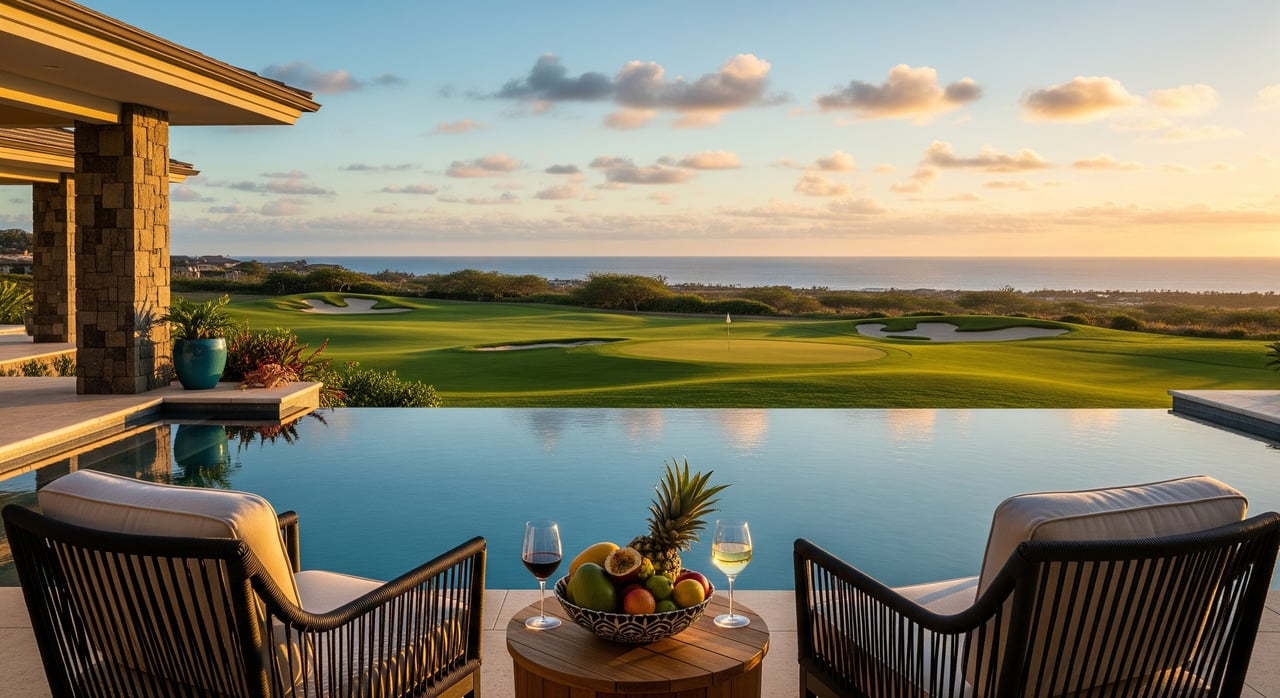
Makena's coastline already carries a version of this story that predates Mākena Mauka entirely. The resort that once anchored this stretch, the Maui Prince Hotel, opened in 1986, closed in 2016, and was demolished in 2018. Discovery Land Company rebuilt the site as the Makena Golf & Beach Club, a members-only community where access is tied to owning property inside it. The North Course was renovated and reopened as part of that conversion. The South Course, closed since the late 2000s, has sat dormant since.
Mākena Mauka's plans call for renovating that closed South Course as part of the new build-out. What it won't do is make the club itself any less private. The gathering place, hiking trails, and golf-cart paths described in the project's public materials sit on the mauka side of Mākena Alanui Road, on land separate from the beach club. For buyers considering a parcel in Makena outside the Discovery Land community, the club remains members-only; the public-facing improvements in the project materials are planned on separate land mauka of Mākena Alanui Road.
Reading the Median Correctly
This is where the numbers from the first quarter of 2026 become useful again, not as a snapshot of "the market" but as evidence of how a two-tier district actually prices. Nine single-family sales at a $2.7 million median isn't a sign of collapsing demand. It's what you get in a place with almost no organized new supply, where the same handful of large parcels change hands and each one sets the number for the whole quarter. The condo side is a different story. Twenty-eight sales at $1,985,000 in the first quarter of 2026, down from $2,850,000 the year before, tracks closer to the broader softening happening across Maui's condo market county-wide, where regulatory uncertainty around short-term rental zoning has weighed on pricing even as the county's overall condo median sat around $699,000 in the same period, a fraction of what Wailea and Makena condos still command.
The mistake would be reading either number as a verdict on the neighborhood's direction. Makena's single-family scarcity and its condo correction are two separate mechanisms, not two symptoms of the same disease. And both are about to run into a third variable: the Mākena Mauka project, with three ten-year construction phases scheduled to begin in 2028.
If you're comparing Makena to Wailea right now, a useful comparison considers more than which median is higher; it asks whether you're buying into the quiet, still mostly-private version of Makena that exists today, or waiting for the slower, more accessible version that this approval sets in motion three decades from now. Neither answer is wrong. But only one of them matches what a buyer actually gets at closing.
A Few Questions Worth Asking Before You Compare
When does construction on Mākena Mauka actually start? Not until 2028, according to the developer's own project timeline, and it runs in three separate ten-year phases after that.
Will Mākena Mauka make the private Makena Golf & Beach Club open to the public? No. The club remains a members-only community. Mākena Mauka sits on separate land mauka of Makena State Park.
Will public beach parking actually improve soon? Some of it will, eventually. Ten of the 60 promised stalls exist today at Maluaka Beach. The remaining 50 are split across Mākena Mauka and a separate project, both still working through state and county approvals.
Is Makena's single-family market shrinking? Not by the evidence available. Nine sales in a quarter is ordinary for a district with this few transactable large parcels, not a sign that buyers have lost interest.
Makena rewards buyers who understand what they're actually purchasing access to, and what they're waiting on the county and a decades-long build-out to eventually deliver. If you're weighing a Makena estate against a Wailea condo, or trying to figure out what a specific parcel's proximity to the coming Mākena Mauka phases means for long-term value, that's exactly the kind of conversation worth having before you start touring. Contact Riette Jenkins for a private consultation.
This article is general information, not legal, tax or financial advice. Consult a qualified professional about your situation.