Are these Upcountry areas really that different? Yes, and if you are searching for an estate property in Maui, the differences between Kula, Makawao, and Pukalani can shape your daily life as much as the home itself. From climate and parcel patterns to convenience and overall setting, each area offers a distinct version of Upcountry living. Let’s dive in.
Upcountry Means Three Different Lifestyles
Maui County groups Kula, Makawao, and Pukalani within one planning area, but the county does not treat them as interchangeable. Its planning framework gives each community a different role, which is a helpful starting point if you are comparing estate settings.
In broad terms, the county describes Pukalani as the region’s commercial and housing hub, Makawao as a place that should retain its country-town ambiance, and Kula as an area that should retain its rural and agricultural atmosphere. For you as a buyer, that translates into a simple question: do you want more privacy, more town character, or more everyday convenience?
Another important point is geography. This planning region sits on the western slopes of Haleakalā and does not include shoreline resources, so your decision is less about beach access and more about elevation, weather, views, land use, and how much space you want around you.
Kula: Rural Space and Estate Feel
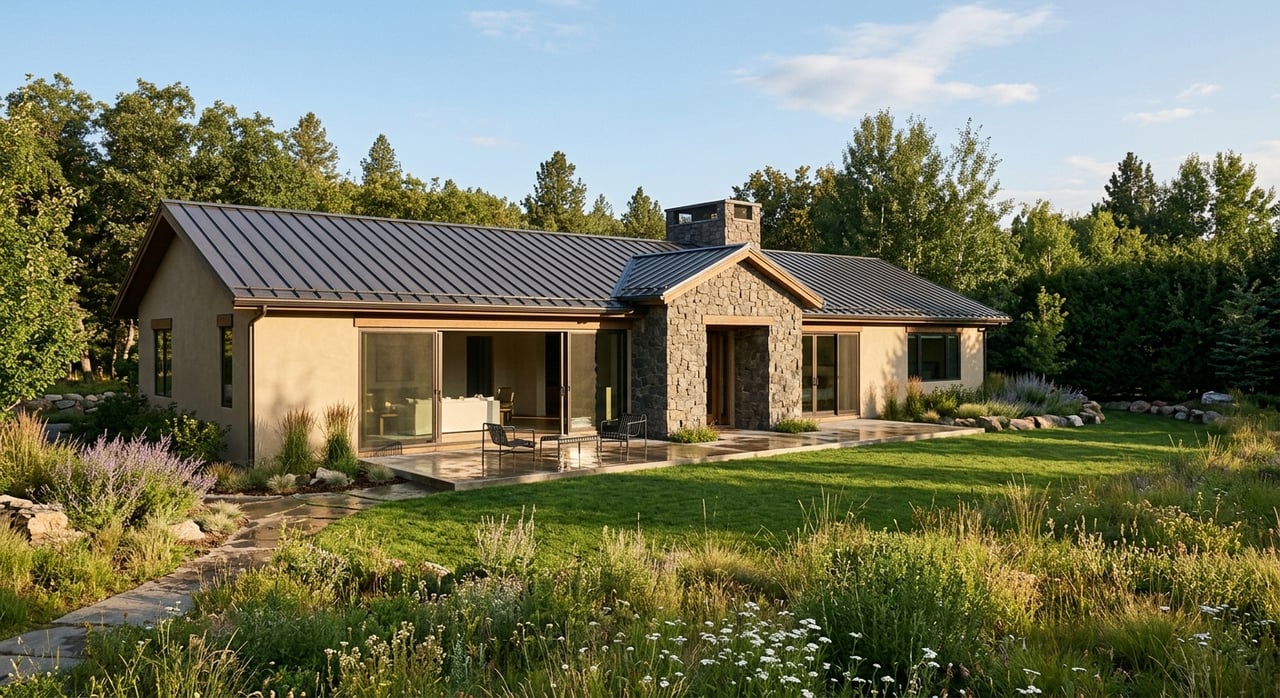
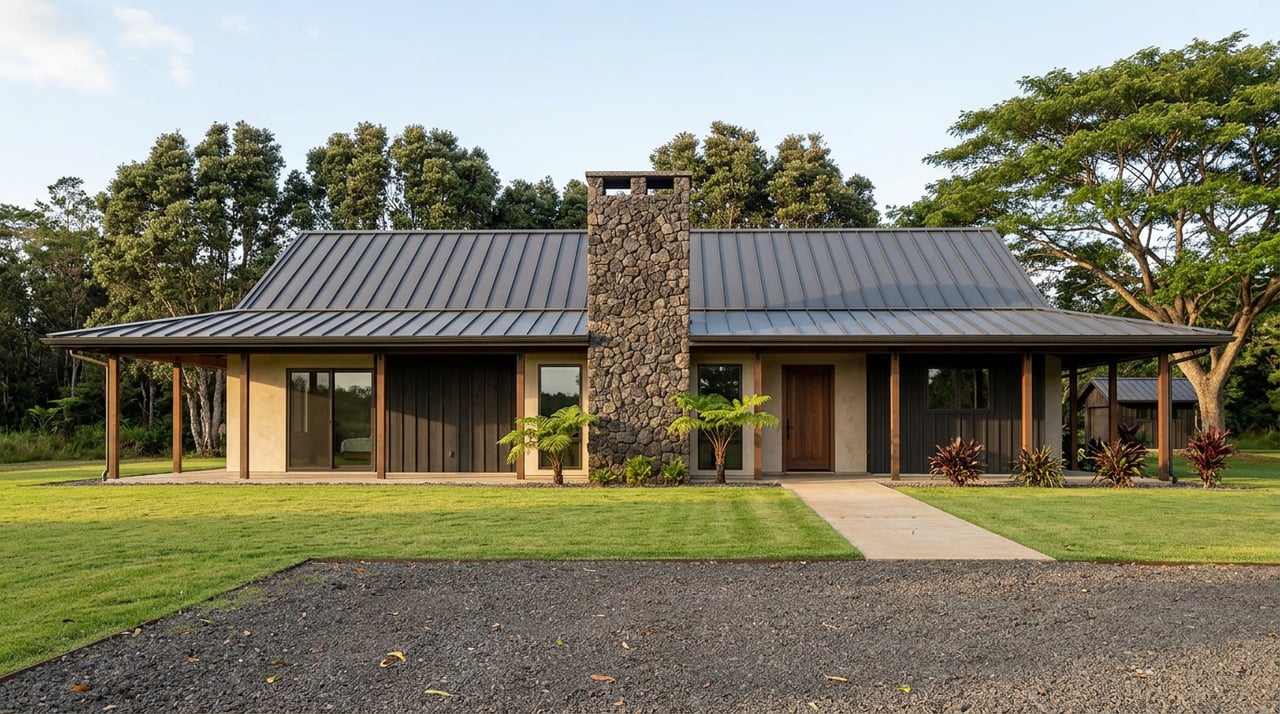
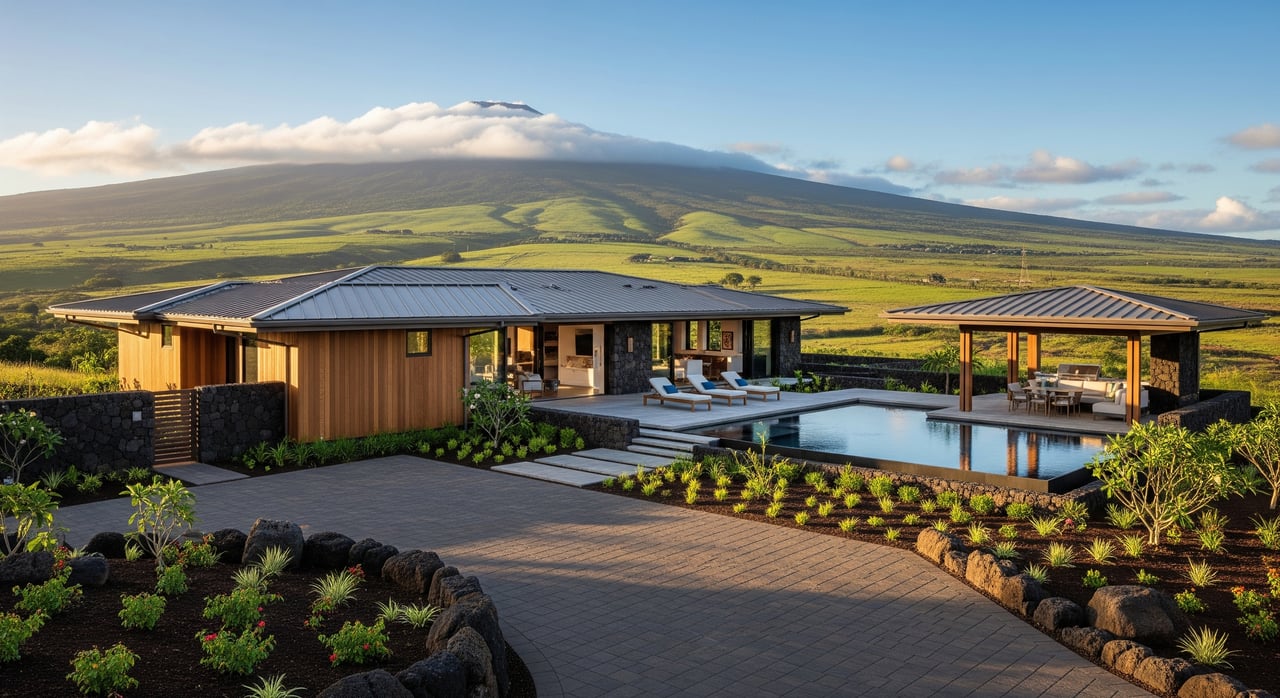
If your vision of Upcountry living includes open land, a quieter setting, and a stronger estate or ranch feel, Kula often stands out first. Maui County consistently frames Kula as rural and agricultural, with open space and farming land as central parts of its identity.
Kula also sits higher than Makawao and Pukalani. County guidance places Kula-area towns at roughly 2,000 to 4,000 feet above sea level, and NOAA normals for the Kula Branch station at 3,100 feet show a mean annual temperature of 63.9°F and annual precipitation of 23 inches.
That combination usually feels cooler, drier, and more open than the lower Upcountry areas. County guidance also notes that Kula is more shielded from the tradewinds and tends to follow a daytime sea breeze and nighttime land breeze pattern, rather than the steadier trade exposure seen elsewhere.
For estate buyers, Kula’s land-use pattern matters just as much as its climate. The county plan supports rural zoning concepts tied to larger-lot residential patterns, including gentleman-estate or pseudo-agricultural uses, and Kula is best understood as the most acreage-oriented of the three, even though actual lot sizes vary by area and subdivision.
That does not mean every Kula property sits on the same parcel size. The county plan references both one-acre and smaller subdivision examples in parts of Kula, but the larger policy direction remains clear: preserve the rural and agricultural atmosphere.
Why buyers choose Kula
Buyers often lean toward Kula when they want:
- More separation between homes
- A stronger sense of privacy
- A cooler, drier climate
- A property that feels tied to land and open space
- An estate, ranch, or acreage-oriented lifestyle
Kula can be especially compelling if the setting itself is a major part of your purchase decision. In many cases, the land is not just a backdrop. It is part of the value.
Makawao: Country-Town Character
Makawao offers a different kind of Upcountry appeal. Instead of leaning most heavily into acreage and rural separation, it is defined more by town character and a traditional central core.
Maui County’s plan directs business use toward the established area around Baldwin and Makawao Avenues and emphasizes preserving the town’s country-town ambiance. That planning language is important because it helps explain why Makawao often feels more like a place with a historic center and social identity, rather than just a collection of homes on the slope.
Makawao sits lower than Kula, generally within the 1,400 to 1,800 foot elevation range described by county guidance for Makawao and Pukalani. The same county source says these areas are normally swept by tradewinds of about 10 to 15 mph and receive around 50 to 75 inches of rain annually, with wetter winters than summers.
In practical terms, that often means a greener and breezier setting than Kula. The terrain also slopes gently upward, and county guidance describes the soils as well-drained and suitable for both homesites and agriculture.
For many buyers, Makawao’s biggest draw is not just the weather or topography. It is the feeling of place. County guidance supports pedestrian, equestrian, and bicycle connections among sections of town, which reinforces the idea of Makawao as the clearest traditional town-center environment among the three.
Why buyers choose Makawao
Makawao may be the best fit if you want:
- A country-town atmosphere
- Proximity to an established town core
- A setting with more social and village-like energy
- Upcountry character without feeling too remote
- A balance between homesites and town access
For estate-minded buyers, Makawao can appeal when you want charm and identity as much as land. It is often less about maximum separation and more about lifestyle texture.
Pukalani: Convenience and Daily Ease
If your priority is smooth day-to-day living, Pukalani usually makes the strongest case. Maui County explicitly identifies Pukalani as the geographic, public service, and commercial hub of the Upcountry region.
That role shapes how the area functions. County materials point to clustered business uses along Makawao Avenue and Haleakalā Highway, along with service landmarks such as Pukalani Terrace Shopping Center and Pukalani Superette. Compared with Makawao’s older town-core structure, Pukalani is more corridor-based and more automobile-oriented.
For some buyers, that is a major advantage. Running errands, accessing services, and staying connected to the practical side of everyday life can feel easier here than in a more rural setting.
Pukalani shares a similar elevation band with Makawao, roughly 1,400 to 1,800 feet above sea level. It also shares the same general climate pattern described by the county for Makawao-Pukalani: tradewinds, solid rainfall, and a greener feel than Kula.
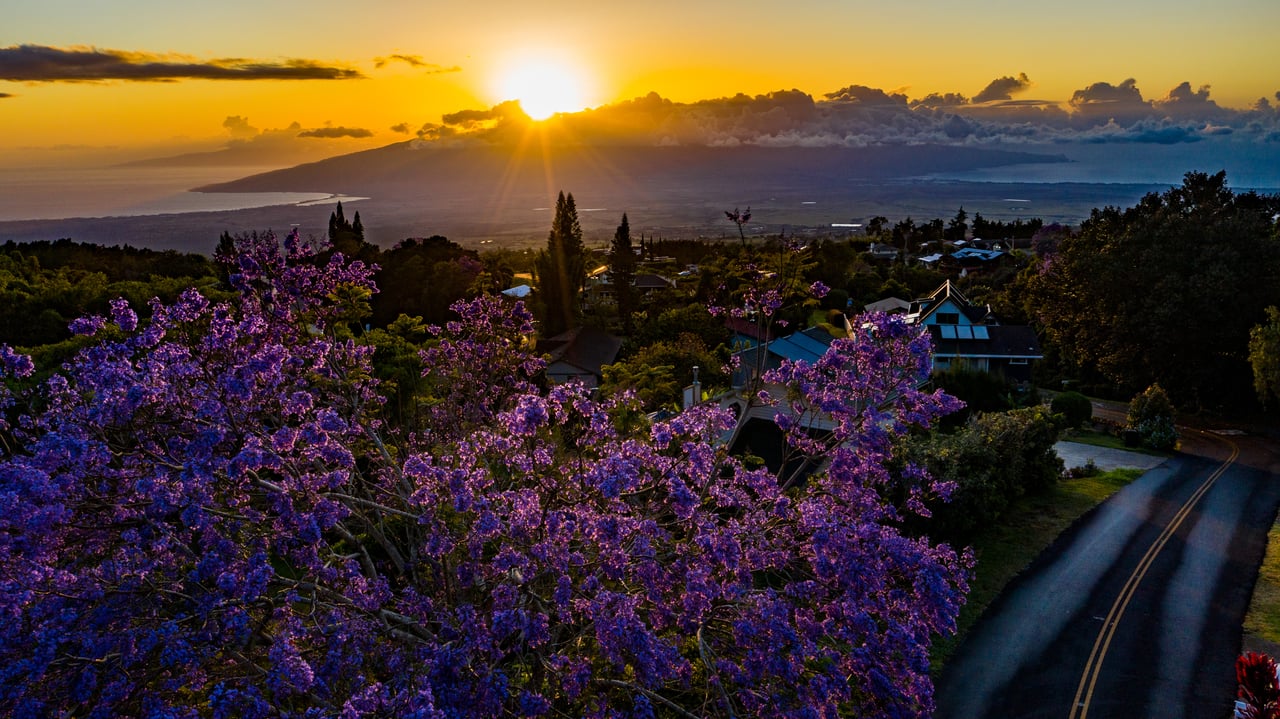
County guidance also highlights Pukalani’s downslope views toward Kahului and the ocean, along with mauka views toward Haleakalā’s slopes. For buyers who want a strong visual connection to both mountain and coast, that can be a meaningful part of the appeal.
Why buyers choose Pukalani
Pukalani often fits buyers who want:
- The shortest errand list
- Easy access to regional services
- A residential setting with practical convenience
- Greener, breezier Upcountry conditions
- A middle ground between town and rural living
For estate buyers, Pukalani can work well when you want space but do not want to feel far removed from daily necessities.
Comparing Parcel Patterns and Scale
When buyers say they want an “Upcountry estate,” they often mean different things. Some mean true acreage. Others mean a premium home with more breathing room than they would find in more urban parts of Maui.
That is why parcel pattern matters. Maui County’s plan supports a rural designation with a minimum two-acre lot size in certain contexts to recognize large-lot residential patterns, including gentleman-estate and pseudo-agricultural uses. The same plan also notes that existing lot-size and density rules may be superseded by later ordinances, so each property still needs case-by-case review.
As a broad comparison, Kula is the most acreage-oriented setting, Pukalani is the middle ground, and Makawao is more closely tied to a town-core pattern. On the ground, however, lot sizes can vary significantly by subdivision, TMK, and zoning history.
The Census also gives a useful sense of relative scale. In the 2020 Census, Pukalani had 8,299 residents, Makawao had 7,297, and Kula had 6,942. That does not define lifestyle on its own, but it supports the idea that Pukalani functions as the largest hub, while Kula reads as the quieter and more open-feeling option.
Home Values and Market Position
If you are looking at estate property, broad housing values are only one signal, but they still help frame the market. Census QuickFacts show median owner-occupied home values highest in Kula at $1,127,700, followed by Pukalani at $973,700 and Makawao at $888,000.
These are community-wide figures, not estate-only price points, so they should not be used to price a specific luxury property. Still, they suggest that Kula commands the highest value profile of the three at a broad market level, which aligns with its stronger acreage and rural-estate appeal.
In a luxury search, the real question is not which area is “best.” It is which setting aligns best with the way you want to live. An estate purchase in Upcountry is as much about fit as it is about square footage or price.
Which Upcountry Setting Fits You Best?
If you want the simplest summary, think of the three areas this way.
Choose Kula for privacy and land
Kula is often the strongest match if you want a true estate setting, more open space, a cooler and drier climate, and a distinctly rural atmosphere.
Choose Makawao for charm and town feel
Makawao is often the best fit if you value country-town character, a defined central core, and an Upcountry lifestyle with a bit more social texture.
Choose Pukalani for convenience and access
Pukalani is usually the most practical choice if you want day-to-day services nearby, a central regional location, and a comfortable middle ground between rural and residential living.
No matter which direction you lean, the right comparison goes beyond labels. It comes down to elevation, climate, lot pattern, road access, and how you want your property to function every day.
For discerning buyers weighing a Maui estate purchase, those details matter. A well-chosen Upcountry property should support your lifestyle as naturally as it supports long-term value.
If you are exploring Kula, Makawao, or Pukalani and want clear guidance tailored to your goals, Riette Jenkins offers experienced, concierge-level insight across Maui’s luxury and acreage markets.
FAQs
What is the main difference between Kula, Makawao, and Pukalani?
- Kula is generally the most rural and acreage-oriented, Makawao is known for country-town character, and Pukalani functions as the Upcountry service and commercial hub.
Which Upcountry Maui area feels most like an estate setting?
- Kula typically offers the strongest estate feel because Maui County frames it as rural and agricultural, with more emphasis on open space and larger-lot living patterns.
Which Upcountry Maui area is most convenient for errands and services?
- Pukalani is usually the most convenient because the county identifies it as the geographic, public service, and commercial hub for the region.
How does climate differ between Kula and Makawao-Pukalani?
- Kula is generally cooler and drier at higher elevations, while Makawao and Pukalani are lower, greener, windier, and receive more annual rainfall according to county guidance and NOAA normals.
Are lot sizes the same across Kula, Makawao, and Pukalani?
- No. Lot sizes vary by area, subdivision, and parcel history, although county planning documents support larger-lot rural patterns in parts of the region, especially for estate-style and pseudo-agricultural uses.
Which Upcountry Maui area has the highest broad home value profile?
- Census QuickFacts show the highest median owner-occupied home value in Kula, followed by Pukalani and then Makawao, though these figures are not specific to estate homes.