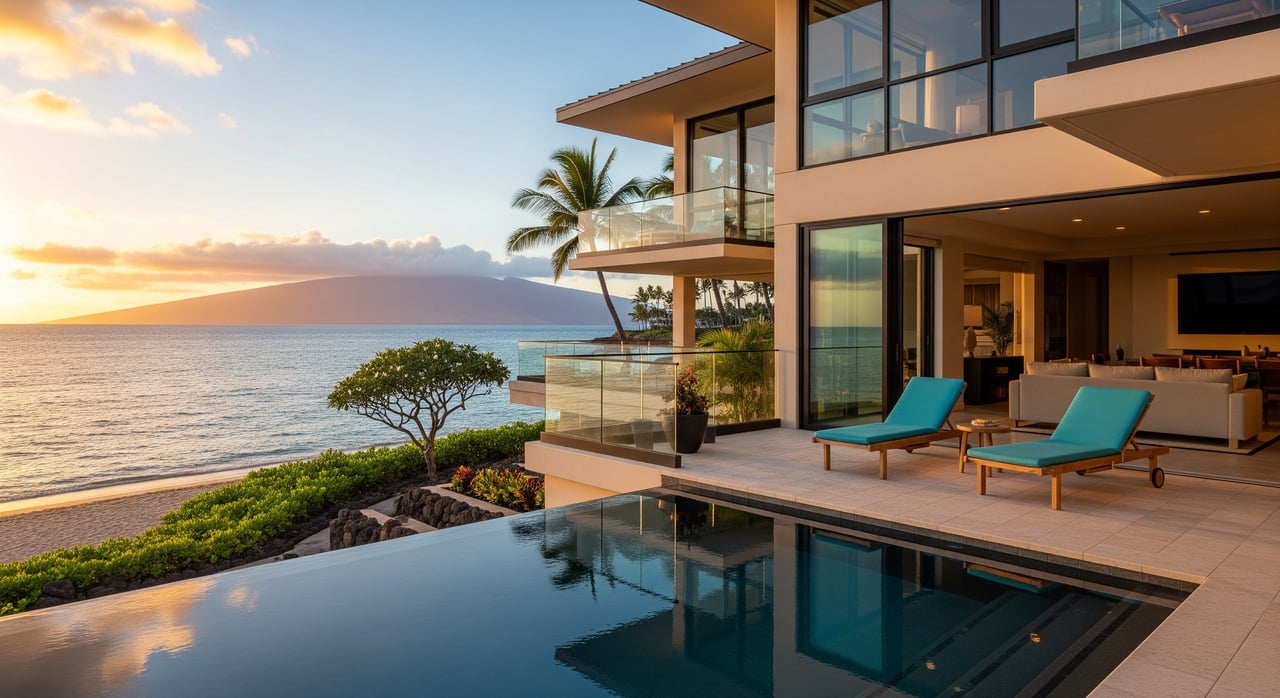
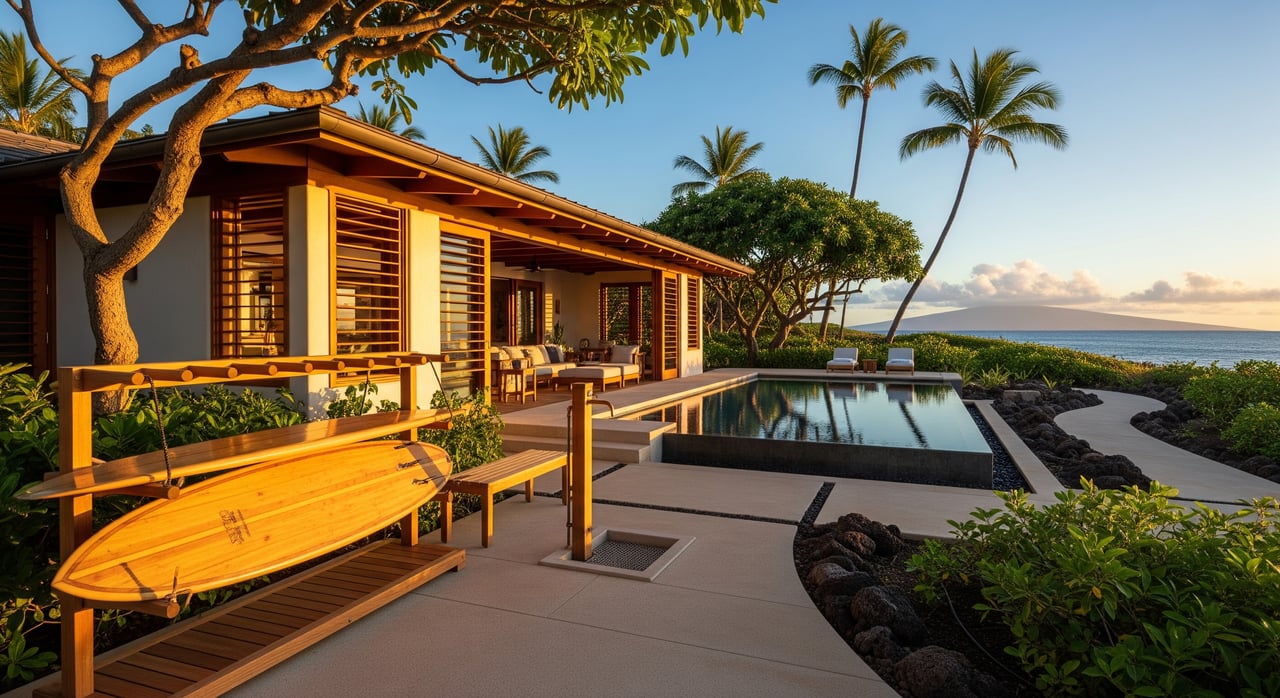
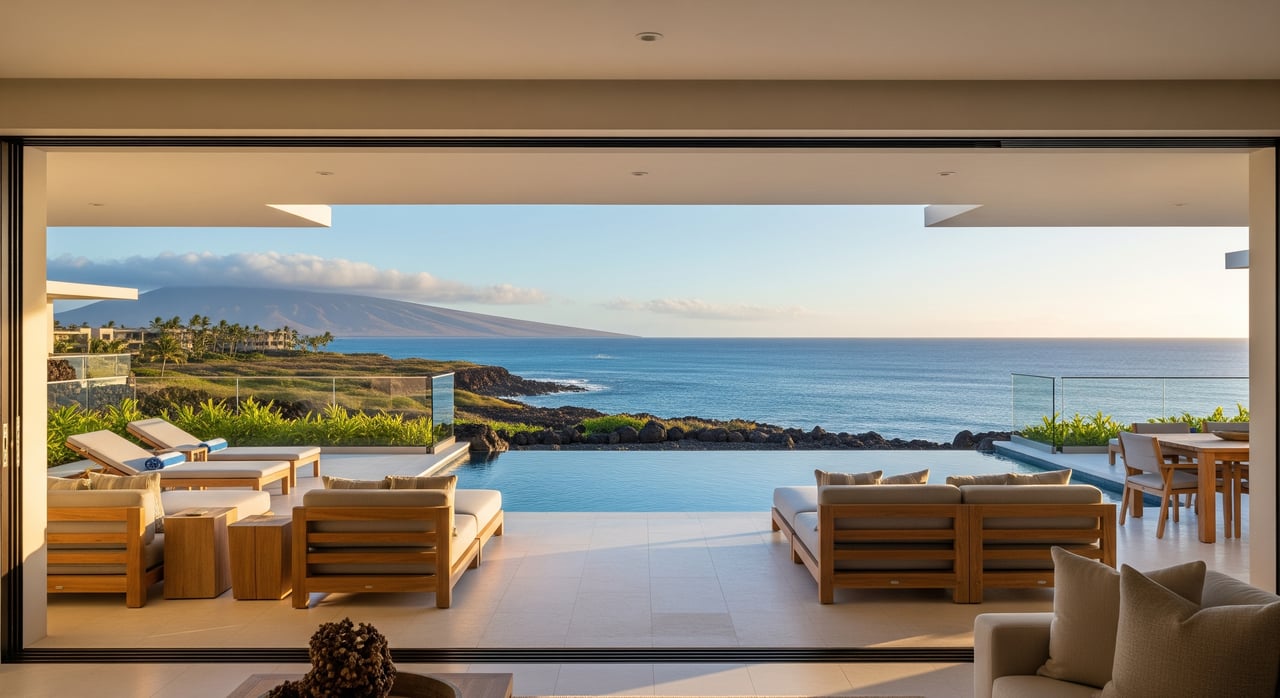
Thinking about making Pukalani your Maui home base? If you want cooler breezes, more land, and an easy launch point to the rest of the island, Upcountry living can be a smart move. The logistics are different from a mainland relocation though, and the details matter at every step. This concierge-style checklist walks you through the timing, vendors, compliance items, and lifestyle choices that help high-net-worth families land in Pukalani with confidence. Let’s dive in.
Why Pukalani works for HNW families
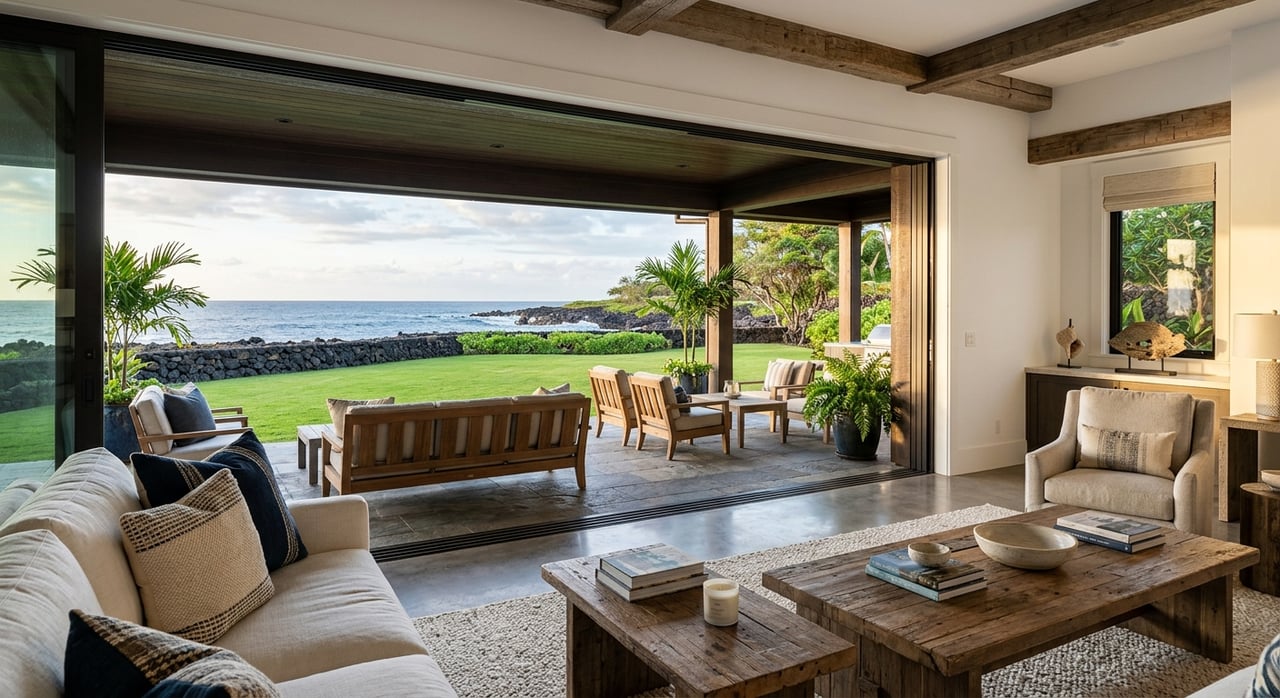
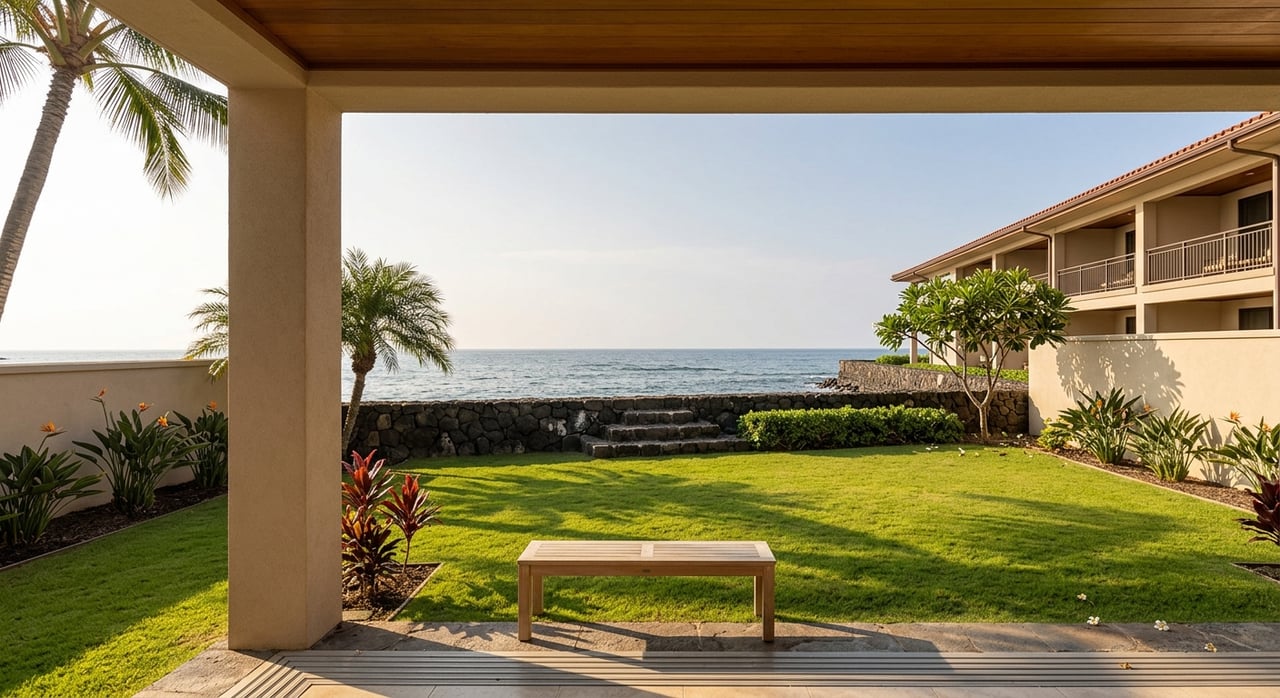
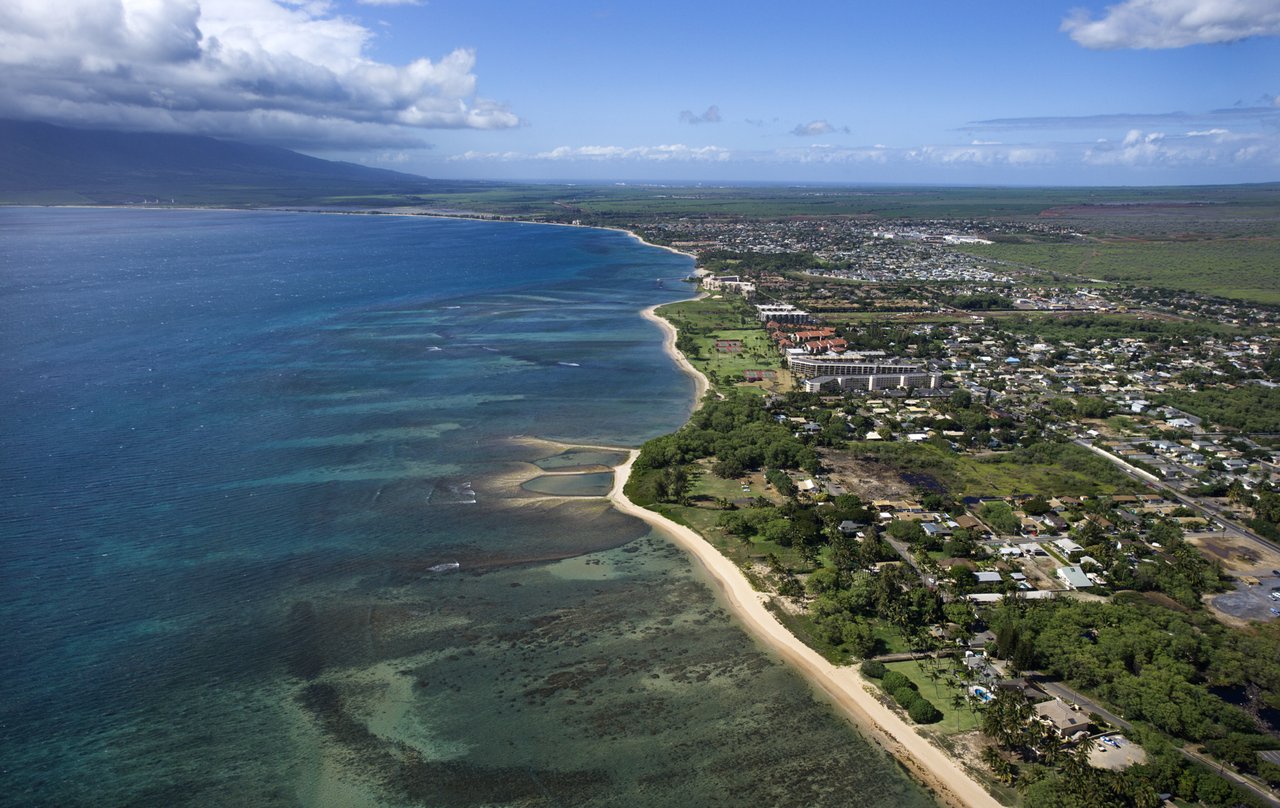
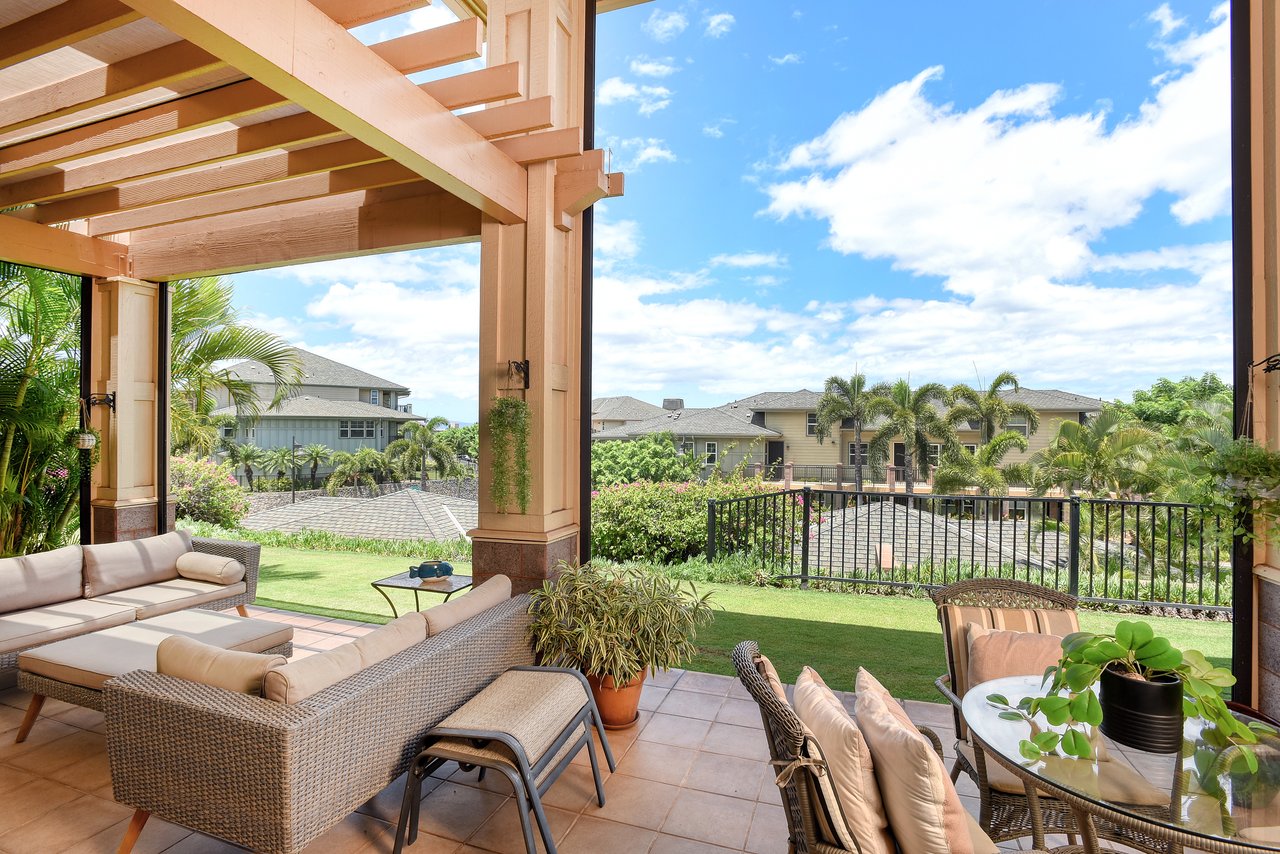
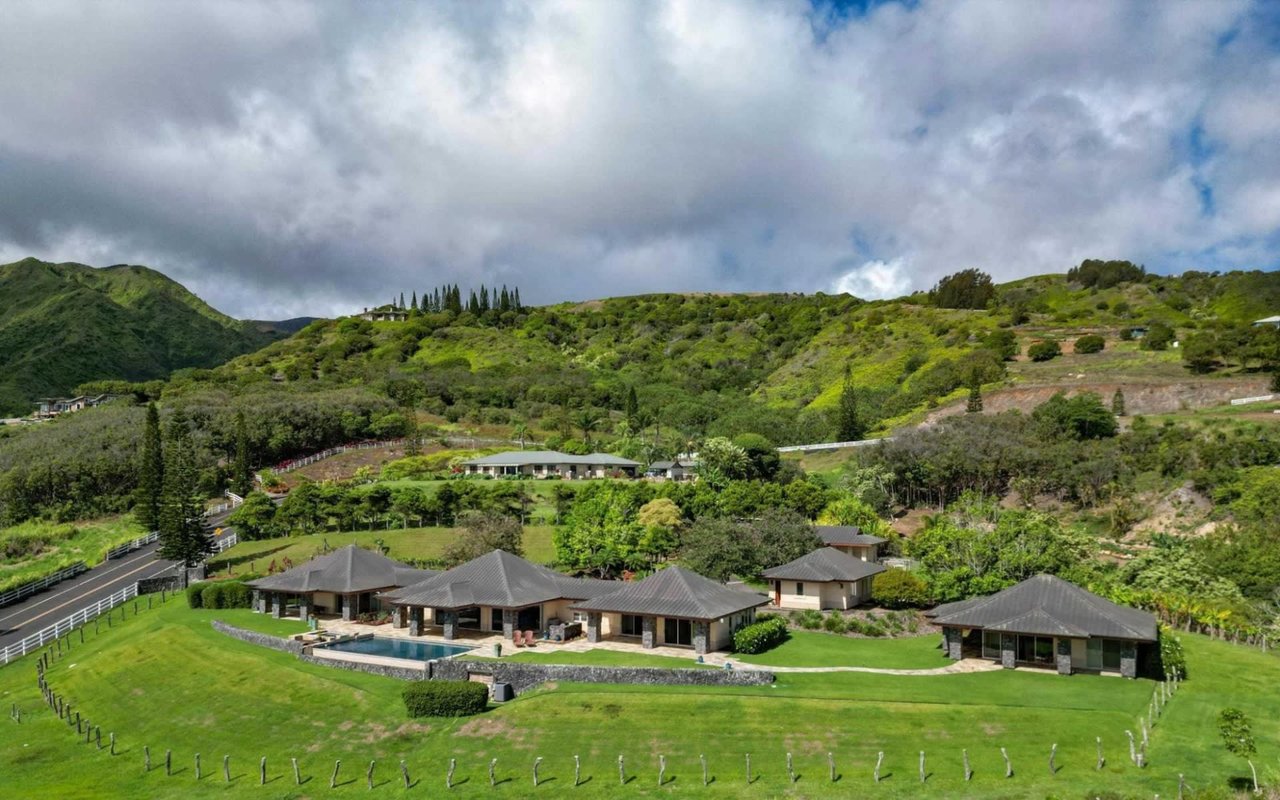
You get privacy, acreage options, and a cooler climate compared to the coast, plus sweeping ocean and mountain views. Upcountry’s microclimates shift quickly, so temperatures feel milder and breezier, and some pockets get higher rainfall. Many families blend an Upcountry residence with resort club access elsewhere on the island.
Approximate drive times from Pukalani vary with traffic and conditions:
- Kahului Airport (OGG): 10 to 25 minutes
- Kahului/Wailuku commercial centers: 10 to 25 minutes
- South Maui (Wailea/Kihei): 40 to 60 minutes
- West Maui (Lahaina/Kapalua): 50 to 90 minutes
For services, Maui Memorial Medical Center in Wailuku is the island’s primary hospital. Specialty or tertiary care often means a trip to Oʻahu. Electricity comes through Hawaiian Electric, and water is served by the Maui County Department of Water Supply in many areas, although some estates use catchment or ancillary systems. Internet coverage is strong near populated corridors, while more remote parcels may rely on DSL, fixed wireless, or satellite backup.
Your 12-month relocation timeline
6–12 months out: vision and scouting
- Plan two to three site visits to tour Pukalani and nearby Upcountry neighborhoods. Walk properties at different times of day to feel microclimate swings and trade winds.
- Define your goals: full-time vs. seasonal residency, desired acreage, orientation for views and wind, proximity to schools and the airport, and the property style that fits your maintenance plan.
- Start school planning now. Private schools in or near Upcountry, such as Seabury Hall and Kamehameha Schools Maui, have application windows and potential waitlists. Public options like King Kekaulike High School serve the area. Many families add private tutoring and college-prep support.
- Begin healthcare planning and evaluate concierge and telemedicine options. Identify specialists you may visit on Oʻahu.
- Select a moving partner with mainland-to-Hawaii expertise and Kahului Harbor logistics. For high-value collections, confirm crating expertise and insurance details.
- Start pet import steps early. Hawaii requires microchipping, rabies vaccinations, and specific testing timelines. Follow the Hawaii Department of Agriculture’s current checklist exactly.
3–6 months out: shipping, vehicles, storage
- Choose transport modes. Ocean freight containers are most economical for full households, while air freight is faster but costly for large loads. Expect 2 to 8 or more weeks door-to-door plus port handling.
- Prepare for inspections. Shipments from the mainland can be inspected for agriculture and pest risks. Complete required declarations for plants, wood products, and similar materials.
- Decide on vehicle shipping: roll-on/roll-off or containerized. Plan for Hawaii registration and titling soon after arrival based on state timeframes.
- Line up storage. Book climate-controlled and pest-aware space in Kahului if you need a buffer. For art or wine, consider bonded or specialty storage with insured inventories and climate control.
Move week to day 30: onboarding fundamentals
- Stagger arrivals. You may need a resort stay or a furnished rental while goods clear the harbor and deliver to the property.
- Turn on essentials right away: electric, water, Internet, cellular, and gate/security systems. Arrange locksmith, pest control, pool/spa service, and housekeeping if applicable.
- If bringing pets, complete the animal quarantine branch protocols for direct release at the airport to avoid delays.
- Register vehicles, obtain a Hawaii driver’s license, register to vote, and update tax residency if you are establishing domicile in the state.
Days 30–90: settle and integrate
- Formalize vendor contracts and verify licensing and insurance for every recurring service.
- Schedule whole-home inspections, including roof, termite, drainage and landscape evaluations, and solar/backup power assessments.
- Finalize school enrollments, extracurriculars, and tutoring support. Introduce kids to local activities to build community connections.
- Meet with legal and financial advisors to review Hawaii residency, property tax classification, and estate structures suited for privacy and asset protection.
Compliance essentials you cannot miss
Pet importation
Hawaii protects its rabies-free status with strict rules. Most families need to plan months in advance for microchipping, rabies vaccinations, a FAVN blood test, and exact paperwork to qualify for direct release. The Hawaii Department of Agriculture’s Animal Quarantine Branch provides the current checklist and timing requirements. For horses or other large animals, follow USDA and state transport protocols.
Plants and landscape materials
Many live plants and soil cannot be brought from the mainland without treatment or inspection, and some are prohibited. Wood products, mulch, turf, and large landscape items may require permits and inspections. Work with local landscapers who understand island restrictions and native plant options suited for Upcountry rainfall and winds.
Short-term rentals and taxes
Maui County rules on short-term rentals evolve, and Upcountry neighborhoods often have restrictions or covenants that limit transient accommodations. If you plan to rent during a transition, verify county permits and HOA rules, and confirm Transient Accommodations Tax and General Excise Tax requirements. Do not commit to rental plans until you confirm eligibility.
Water, building permits, and development
Upcountry development can hinge on water meter availability and county permitting. If you intend to renovate or build, engage a local planner or civil engineer early and budget for permit timelines. Any significant construction or major systems work requires Maui County building permits and inspections.
Trusted-vendor onboarding checklist
Core household and property partners
- Licensed general contractor and trades
- Property or estate manager
- Landscape and irrigation specialists familiar with Upcountry microclimates
- Pool and spa maintenance
- Pest and termite control with documented treatment plans
- Solar and battery-backup installers with HECO interconnection experience
- Housekeeping and linen services
- Private chef or catering, nanny and household staffing agencies, and security consultants
- Legal, tax, and financial advisors experienced in Hawaii residency and trusts
- Yacht and private-air charter brokers, art conservators and fine-arts shippers, and high-value asset storage providers
Documentation and safeguards
- Hawaii business license checks for vendors, plus professional licenses where required
- General liability and workers’ compensation certificates, and errors and omissions where applicable
- W-9s and detailed contracts with scope, warranties, termination terms, and payment schedules
- Formal payroll for household staff with I-9 verification and proper tax withholding
- References and local project portfolios, plus community feedback
Temporary housing and club access
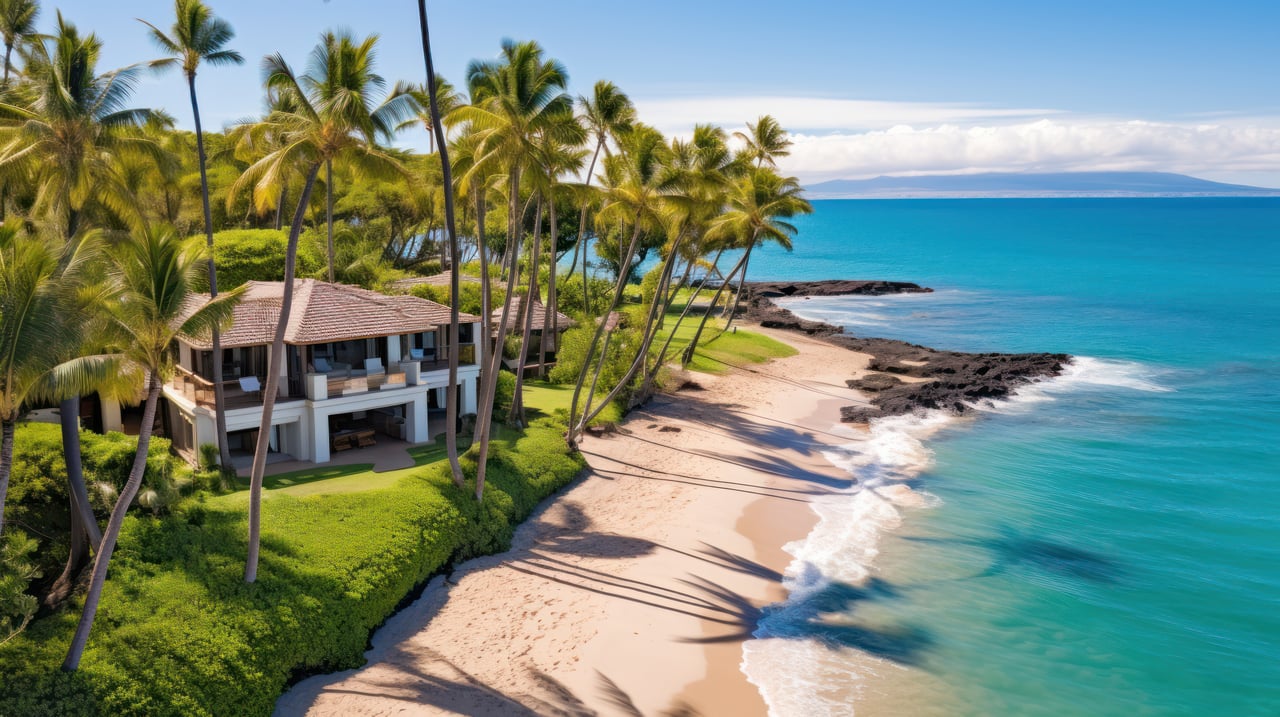
Upcountry short-term rentals are limited by county rules and neighborhood covenants, so many families choose resort stays in Wailea or Kapalua during the transition. These provide high-touch hospitality, easy island access, and introductions to clubs. A furnished 6 to 12-month lease can be a smart way to test school routes and daily drive times before purchasing.
For lifestyle access, consider memberships at Wailea Golf Club or resort clubs in West Maui, subject to availability and membership processes. Closer to home, Upcountry’s social fabric includes paniolo and ranch events, equestrian clubs, farmers’ markets, and arts communities in Makawao and Pukalani.
Family life: schools, health, and safety
Upcountry offers a mix of public and private education. Public King Kekaulike High School serves the area, and private options nearby include Seabury Hall and Kamehameha Schools Maui. Application timelines and waitlists vary by school. Many families supplement with private tutoring and college-prep support.
Maui Memorial Medical Center in Wailuku is the main hospital. For complex specialty care, plan periodic visits to Oʻahu or coordinate concierge or telemedicine services. Many high-net-worth families also secure medical evacuation coverage and an air-ambulance plan for urgent transport.
For risk management, evaluate homeowner, flood, hurricane, wildfire, and umbrella policies. Build a family emergency plan for hurricane season from June to November, including evacuation routes, water and power redundancy, and communications backups.
Sample first-90-day property setup
Use this quick-start list to get your Upcountry estate humming:
- Utilities and connectivity: confirm electric, water, Internet, and cellular boosters where needed; set up monitoring for outages.
- Power resilience: assess solar potential, battery storage, and generator options; begin HECO interconnection steps if installing solar.
- Security and access: rekey locks, update gate codes, integrate cameras or alarm systems, and set vendor access protocols.
- Pest and termite: schedule inspections and create a preventive treatment calendar.
- Landscape and drainage: tune irrigation to local rainfall, address erosion, and review fire-wise defensible space.
- Building systems: check roofs, gutters, septic or sump systems, and pool equipment; set seasonal maintenance schedules.
- Inventory and storage: document high-value items, confirm insurance riders, and arrange climate-controlled storage if needed.
- Vendor cadence: contract recurring services with clear scopes, site maps, and communication protocols via your estate manager.
The Upcountry trade-offs
Pukalani rewards you with space, privacy, and a comfortable climate yet requires a different daily rhythm. You will drive longer for resort beaches and some amenities, and connectivity can be variable on certain parcels. Shipping, permitting, and specialty medical access all take planning. With a clear timeline and the right team, the trade-offs are manageable and the lifestyle is exceptional.
Ready to make the move?
If Pukalani feels right for your family, a seasoned local guide makes the journey smoother. Since 1988, Riette Jenkins has helped discerning buyers secure Upcountry estates and South Maui properties with a concierge approach and global marketing reach. If you want private, informed representation and a calm, step-by-step plan for your move, connect with Riette Jenkins for a private consultation.
FAQs
How long does shipping household goods to Maui take?
- Typical ocean freight can run 2 to 8 or more weeks door-to-door, plus port processing time. Book early in peak moving seasons.
What should I know about Pukalani’s climate and elevation?
- Pukalani sits around 1,000 to 1,500 feet, with cooler temperatures, breezes, and microclimates that can change quickly over short distances.
How do Hawaii’s pet import rules work for direct release?
- You must follow the Animal Quarantine Branch checklist exactly, including microchipping, rabies vaccines, and a FAVN test on strict timelines to qualify for direct release.
Can I short-term rent my Upcountry home during a transition?
- Maui County rules and neighborhood covenants often restrict short-term rentals. Verify permits, HOA rules, and tax requirements before planning any rental activity.
What are typical drive times from Pukalani to key Maui hubs?
- Plan about 10 to 25 minutes to the airport and Kahului/Wailuku, 40 to 60 minutes to Wailea/Kihei, and 50 to 90 minutes to Lahaina/Kapalua, depending on conditions.
What Internet and power options should I plan for Upcountry?
- Many areas have cable or fiber nearby, while remote parcels may rely on DSL, fixed wireless, or satellite redundancy. Solar with battery backup is popular for resilience.
What are my school options near Pukalani?
- Public King Kekaulike High School serves the area, and private options include Seabury Hall and Kamehameha Schools Maui. Check application timelines and waitlists.
Do I need backup power in Pukalani?
- Backup power is a common choice. Many estates add solar and batteries, with generator support, to maintain comfort and security during outages.