Thinking about buying a condotel in Kihei and wondering how the financing really works? You’re not alone. Resort condos on Maui don’t fit the typical lending box, and that can surprise even experienced buyers. In this guide, you’ll learn how lenders view condotels, which loan paths are realistic on Maui, what documents to prepare, and how to avoid underwriting delays. Let’s dive in.
What a condotel is in Kihei
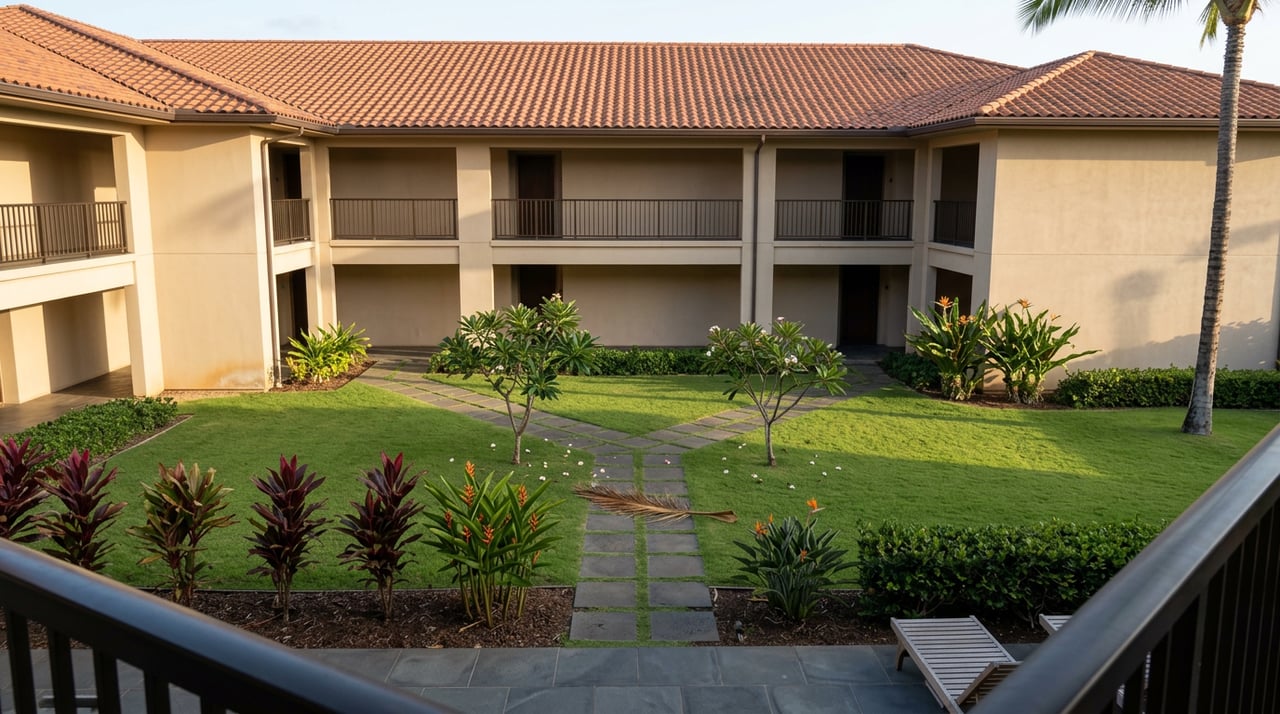
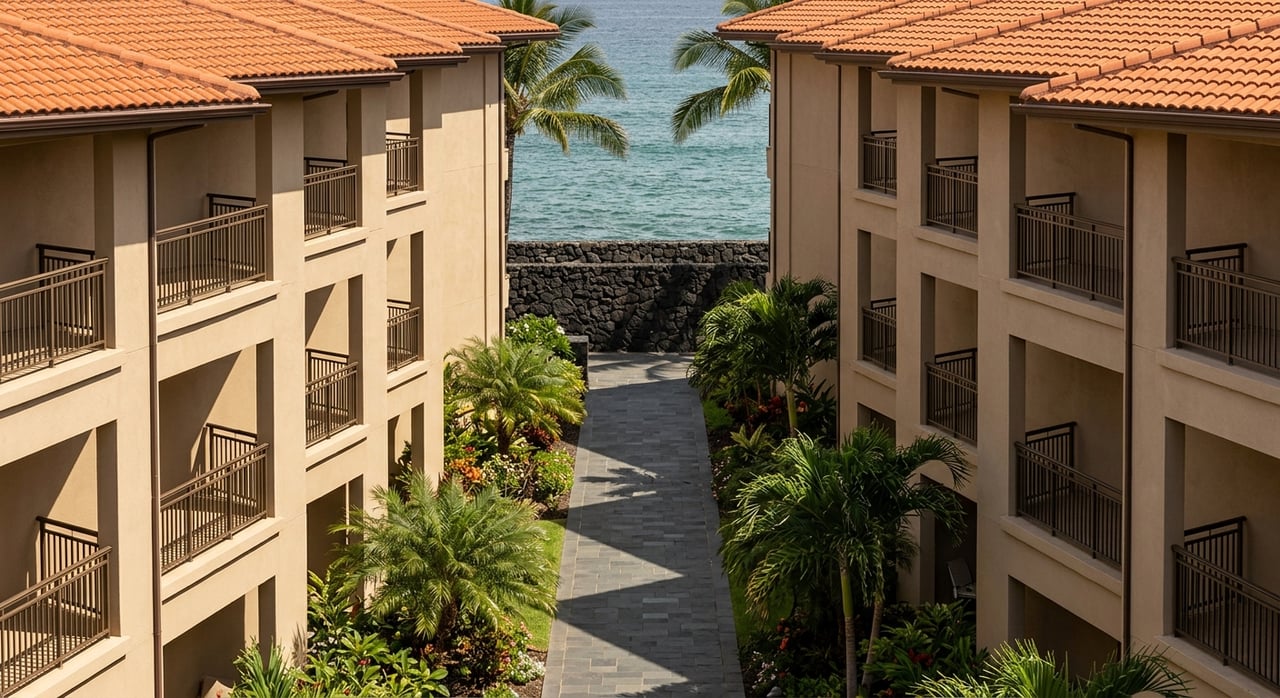
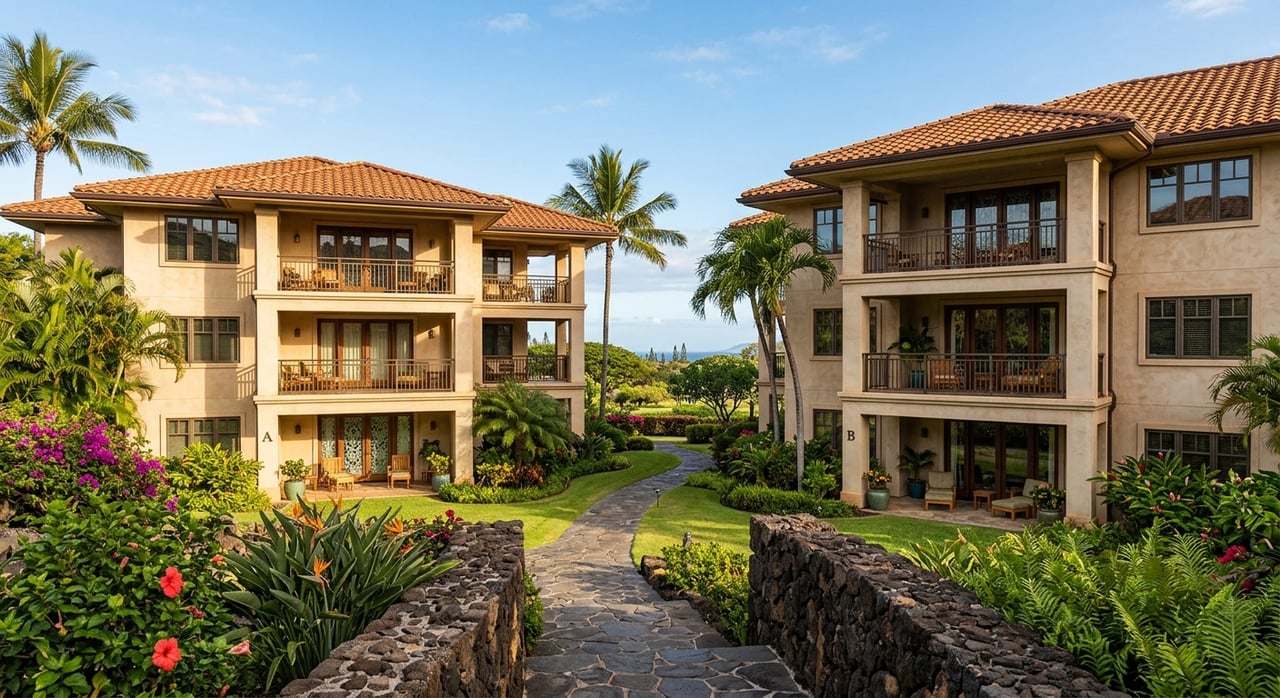
A condotel is a condo in a building that operates like a hotel. Units are individually owned, but the property often has hotel-style services such as a front desk, housekeeping, and on-site rental management that markets units to short-term guests. Buildings can include restaurants, lobbies, and other commercial spaces.
That hotel-like profile matters because lenders often treat condotels differently from residential condos. Short-term rental income can be volatile, and many national underwriting rules were designed for primarily residential projects. In Kihei and nearby Wailea, resort-use is common, so this classification often drives which financing options are available.
Your main financing options
Conventional agency loans
Fannie Mae and Freddie Mac have strict project standards that many condotels do not meet. Some projects may still qualify, but many do not due to hotel services, rental pools, or higher levels of commercial space. If agency financing is possible, expect tight project reviews and conservative treatment of rental income.
Jumbo and portfolio mortgages
Many Kihei purchases exceed conforming limits, so jumbo or portfolio lenders are common. These lenders set their own rules and can be more flexible about project type, but they typically require stronger borrower profiles. Expect higher credit standards, larger down payments, and more months of cash reserves.
Government-insured loans
FHA and VA financing are often limited or unavailable for condo-hotel projects. FHA has specific condo project approval processes that typically exclude condotels unless the project is explicitly approved. VA options can also be constrained for these properties.
Cash or seller financing
In Maui’s resort market, cash purchases and occasional seller financing are practical backups when a project does not fit lender criteria. These routes can also speed up closings when timelines are tight.
What lenders scrutinize in resort condos
Project-level review
Lenders look closely at the project’s overall profile and financial health. Factors include the amount of commercial space, the presence of hotel services, the HOA budget and reserves, and any pending litigation or special assessments. A higher share of investor ownership or a single entity owning many units can also trigger concerns.
Owner mix and concentration
Lenders check investor concentration and single-entity ownership thresholds. Projects dominated by short-term rentals or by a single owner can face added scrutiny. These items can influence allowable loan-to-value ratios or lead some lenders to decline the project.
HOA finances
Expect lenders to request the HOA budget, reserve studies, delinquency reports, and recent meeting minutes. Weak reserves, high delinquencies, or major special assessments can slow or derail approvals.
Using rental income to qualify
Short-term rental income is considered more volatile than long-term leases, so lenders approach it carefully. You will usually need two years of documented rental history if you want that income counted for qualification. Rental pool or management agreements must be provided, along with proof of how and when owner distributions are paid.
Legal permissibility is critical. If the unit’s short-term rental use is not allowed by local rules or lacks proper permits, most lenders will not count projected rental income. Maui County regulations, transient rental licensing, and applicable state tax registrations can all come into play when underwriting a condotel purchase.
Insurance and appraisal realities on Maui
Coastal properties face wind and tropical-storm exposure, and some buildings may require flood coverage. Lenders need evidence of adequate hazard, wind, and flood insurance where applicable. Because premiums can be higher on Maui, lenders often require larger reserves to reflect these carrying costs.
Appraisals can also be complex. Comparable sales for condotels may be limited, and values can reflect brand strength, management quality, and amenities. Seasonal patterns and resort demand can introduce added value volatility, so allow extra time for appraisals and be prepared for questions on rental operations.
Common red flags that delay approvals
- HOA budget shortfalls or large special assessments.
- High HOA delinquencies.
- Significant commercial space or full hotel-style operation.
- Missing permits or documentation for legal short-term rental use.
- Single-entity ownership above lender thresholds.
- Lack of rental history when rental income is needed to qualify.
What lenders commonly require from buyers
Every lender is different, but you can expect higher standards for condotels than for standard condos. Many lenders look for mid-to-high 700s credit scores, with some flexibility depending on your profile. Down payments often range from 20 to 30 percent for second-home use and 25 to 40 percent for investment purchases or projects without agency approval.
Debt-to-income limits typically follow conventional caps, though treatment of rental income may be conservative. Cash reserves are often higher, commonly 6 to 12 months of full housing payments. Full income and asset documentation is the norm, and appraisals will focus on resort-appropriate comparables.
Riette’s lender questions checklist
Use these questions to compare lenders and clarify your best path:
- Is a condo-hotel acceptable under your product guidelines? What extra requirements apply?
- Do you require project-level approval, and is this Kihei project already approved?
- What maximum LTV do you offer for second-home vs investor condotels and jumbo loans?
- What minimum credit score and DTI do you require for this property type?
- How many months of reserves will you require?
- Will you count short-term rental income, and what documentation do you need?
- How do you treat rental pool income and management fees in underwriting?
- Do you require proof of Maui County permits and current licenses for short-term rental use?
- What limits do you have for commercial space or single-entity ownership within the project?
- What appraisal approach will you use for this condotel unit?
- What insurance coverages will you require, and how do premiums affect qualifying?
- Do you offer jumbo or portfolio options if agency financing is not available?
Documents to gather early
Collect these items up front to save weeks in underwriting:
- Purchase contract showing intended use (second home or investment).
- HOA documents: CC&Rs, bylaws, current budget, reserve study, minutes from the last 12 months, master insurance certificates, and owner roster if available.
- Rental documentation: management or rental pool contracts and historical owner statements.
- Proof of legal rental status: Maui County short-term rental permit or registration, plus applicable state transient tax registrations.
- Personal financials: 2 years of tax returns if using rental income, recent bank statements, asset and retirement account statements, and proof of additional reserves.
- Identification and credit authorization.
How Riette prepares you for success
- Early triage: Identify hotel-like features, commercial space, and management structure before you write an offer.
- Lender matchmaking: Pre-screen multiple agency, jumbo, and portfolio lenders with Hawaii condotel experience.
- Document pack assembly: Provide lenders a complete HOA and rental package on day one.
- Rental validation: Gather 24 months of statements or tax schedules to support rental income.
- Reserve planning: Plan for reserve needs and possible special assessments to present strong financing terms.
- Contingency strategy: Use language that allows a pivot to jumbo or portfolio financing if needed.
- Insurance coordination: Quote hazard, wind, and flood early and include premiums in your budget.
- Transparent expectations: Build in realistic timelines since condotels often require extra review.
A simple timeline for Kihei condotels
- Week 1: Get fully underwritten pre-approval with a lender that finances condotels.
- Week 1–2: Riette obtains HOA docs, insurance certificates, and rental agreements for early review.
- Week 2–3: Make an offer with clear financing contingencies and realistic timelines for project review.
- Week 3–5: Appraisal, insurance verification, and rental income validation if used.
- Week 4–6: Underwriting conditions, HOA clarifications, and final approval.
- Closing: Review final numbers, insurance, and permit documents; fund and record.
Financing a condotel in Kihei is absolutely achievable with the right preparation. When you anticipate the project review, line up a lender with condotel experience, and compile a thorough document package, you reduce risk and gain leverage in negotiations. If you want a concierge-style process that keeps you a step ahead, connect with Riette Jenkins for a private consultation.
FAQs
What is a condotel and why do lenders treat it differently?
- A condotel operates like a hotel with short-term rentals and hotel services, so lenders see more volatility and apply stricter project and borrower standards than for residential condos.
Can I use short-term rental income to qualify for a Kihei mortgage?
- Often yes, but most lenders require two years of documented rental history, management agreements, and proof the unit is legally allowed for short-term rental.
What down payment should I expect for a Kihei condotel?
- Many buyers should plan for 20 to 30 percent down for second-home use and 25 to 40 percent for investment purchases or projects without agency approval.
Are FHA or VA loans available for condotels in Maui?
- These programs are typically limited or unavailable for condo-hotels unless a specific project meets program approval standards.
How long does condotel financing take on Maui?
- Timelines vary by lender and project review, but allowing 30 to 45 days with a complete document package and a condotel-experienced lender is a practical expectation.