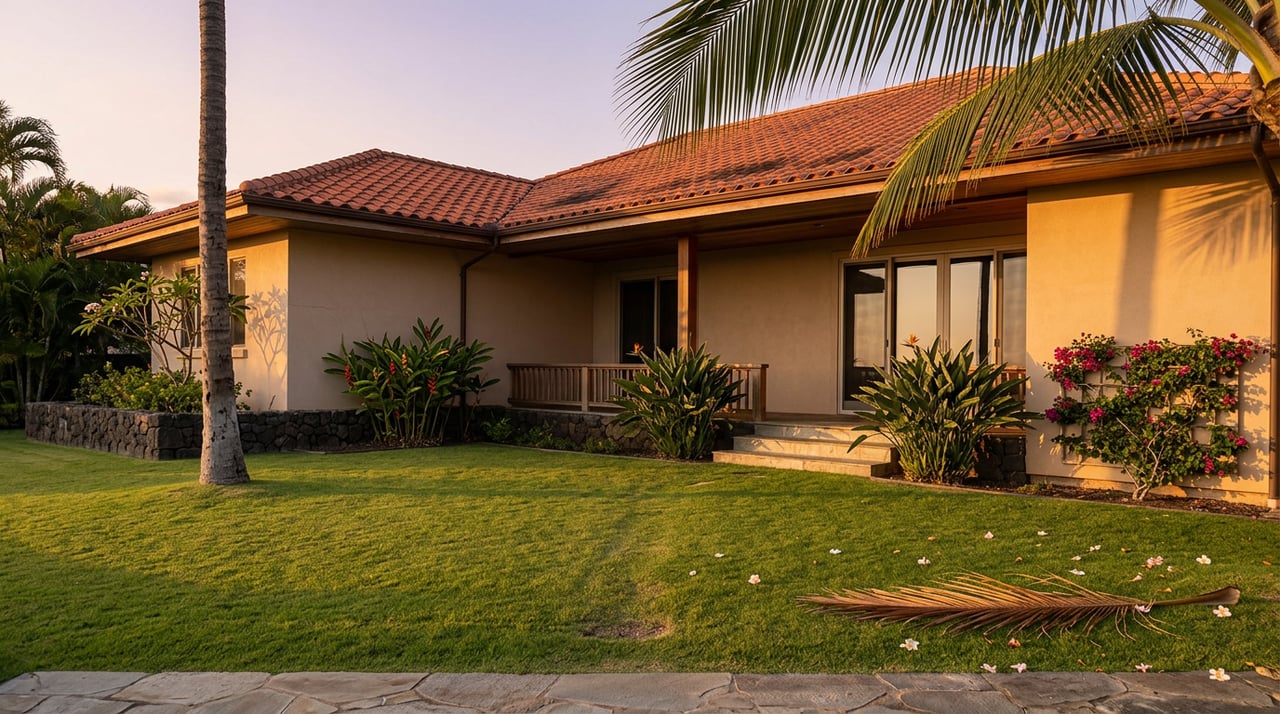
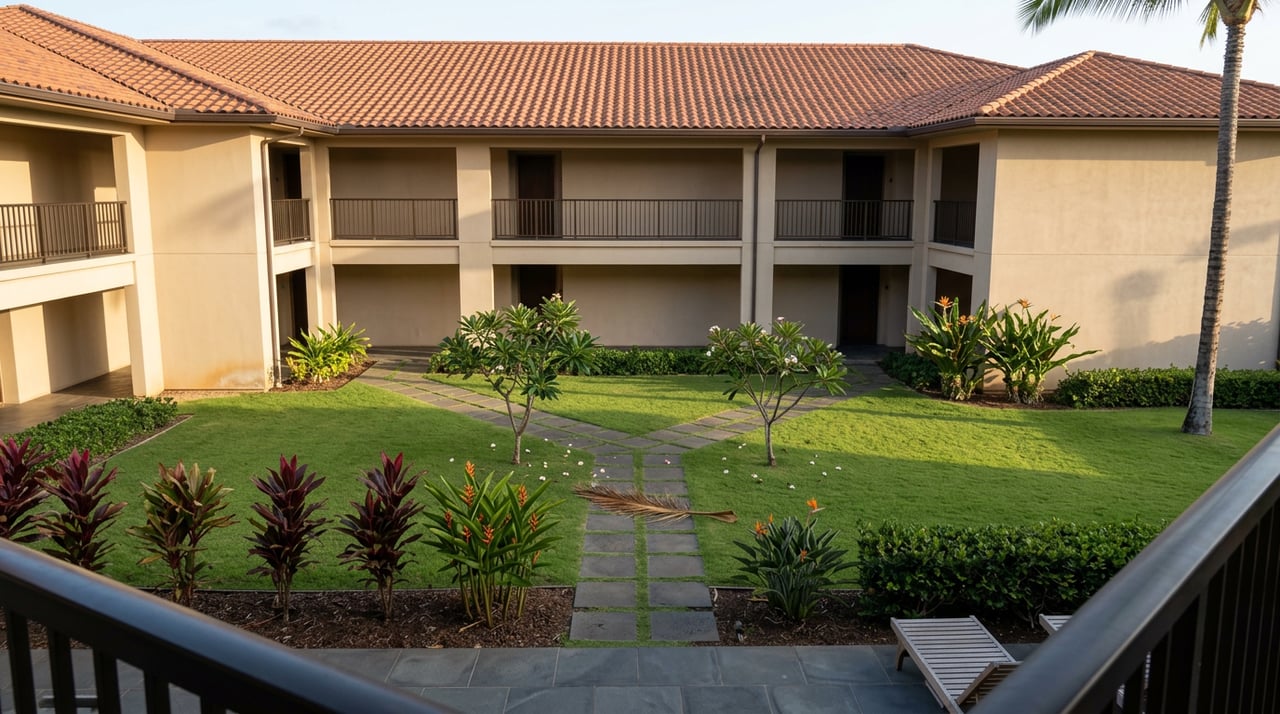
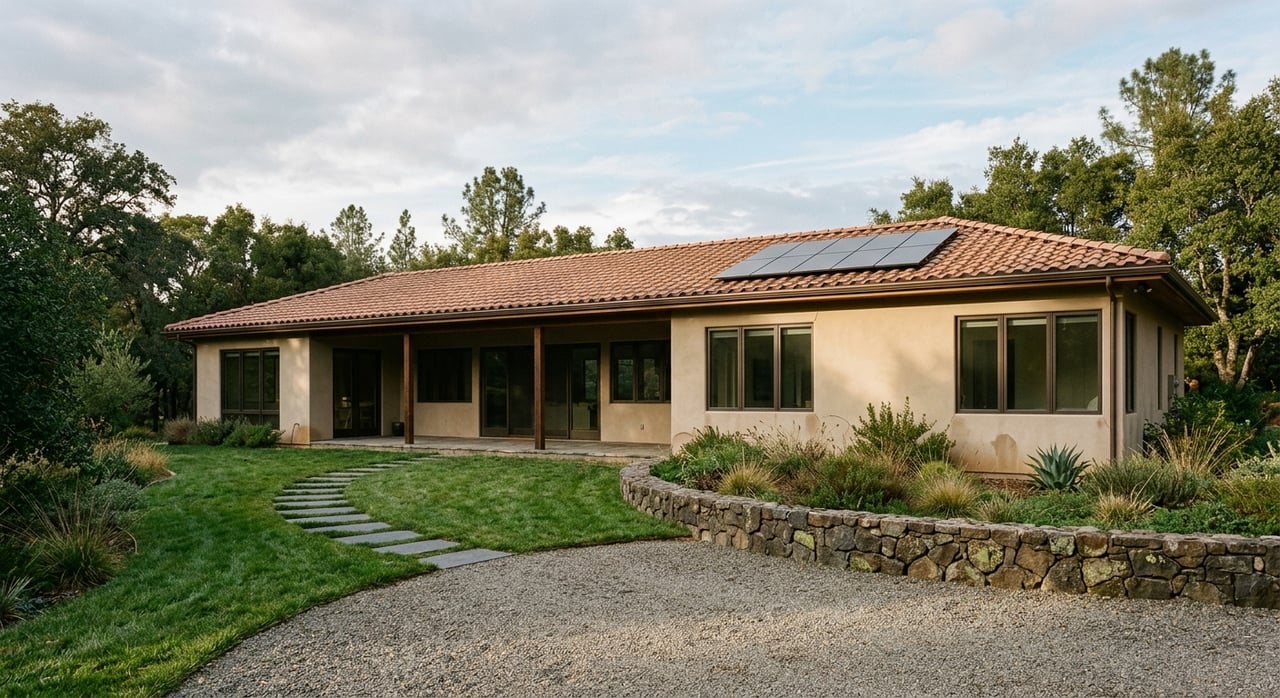
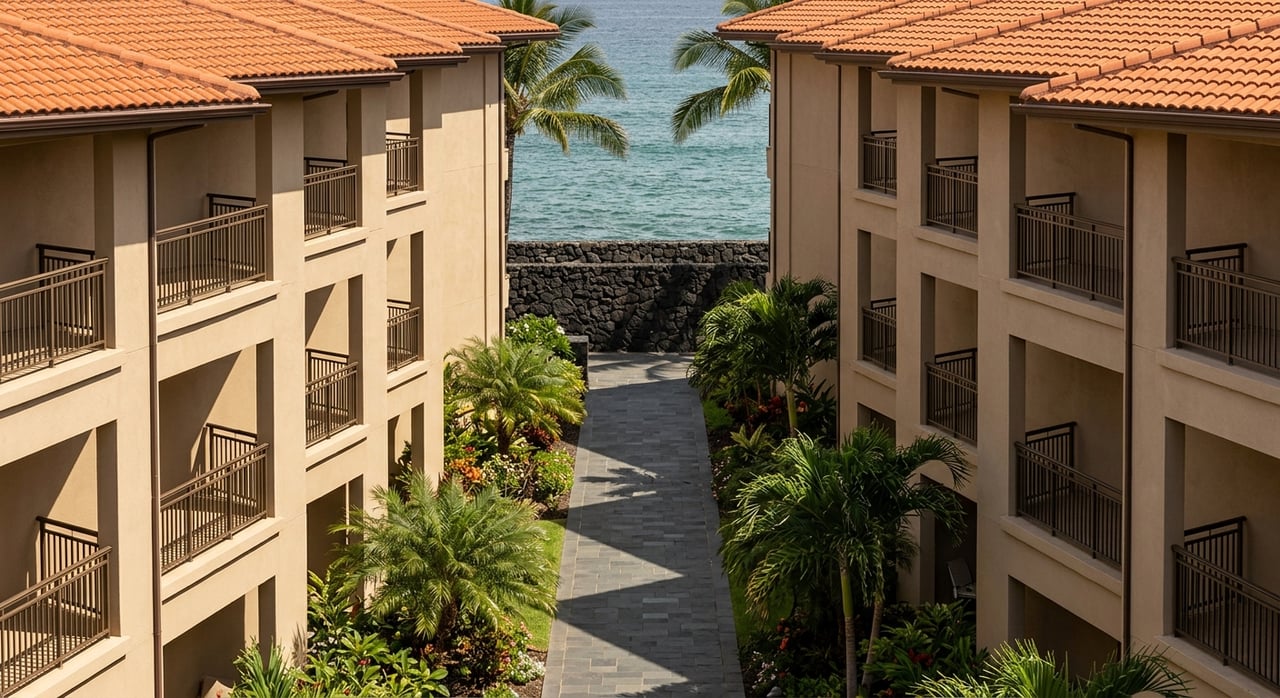
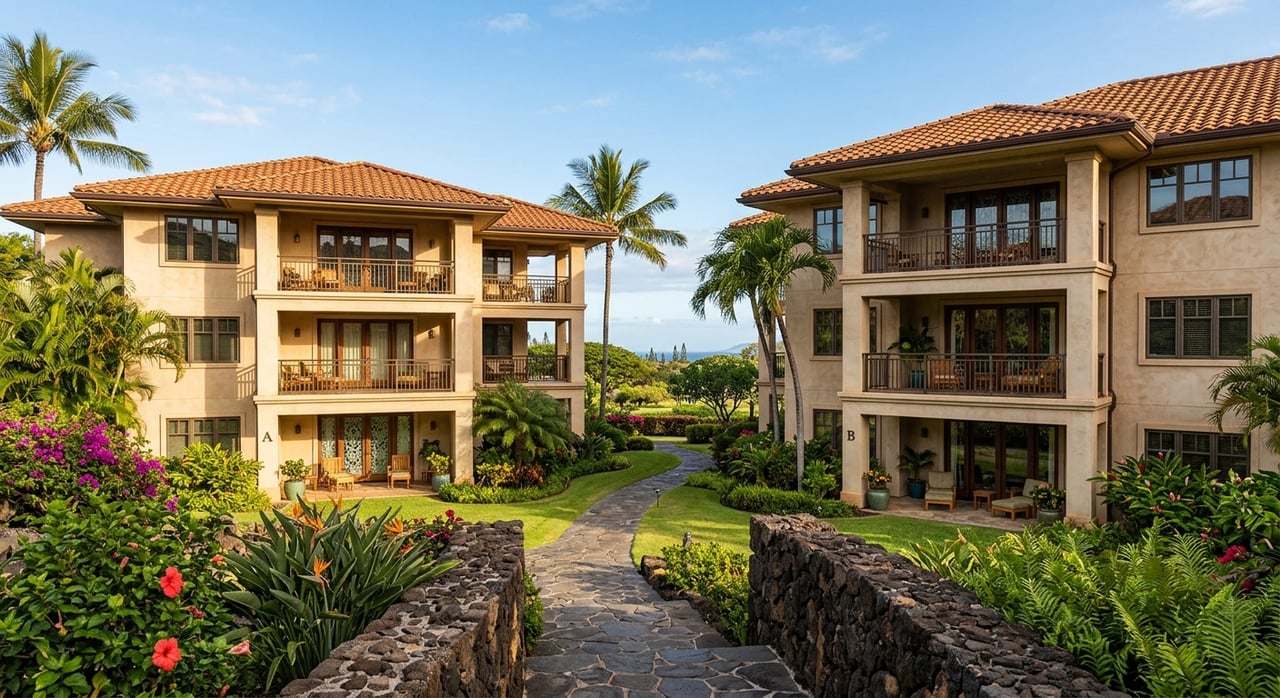
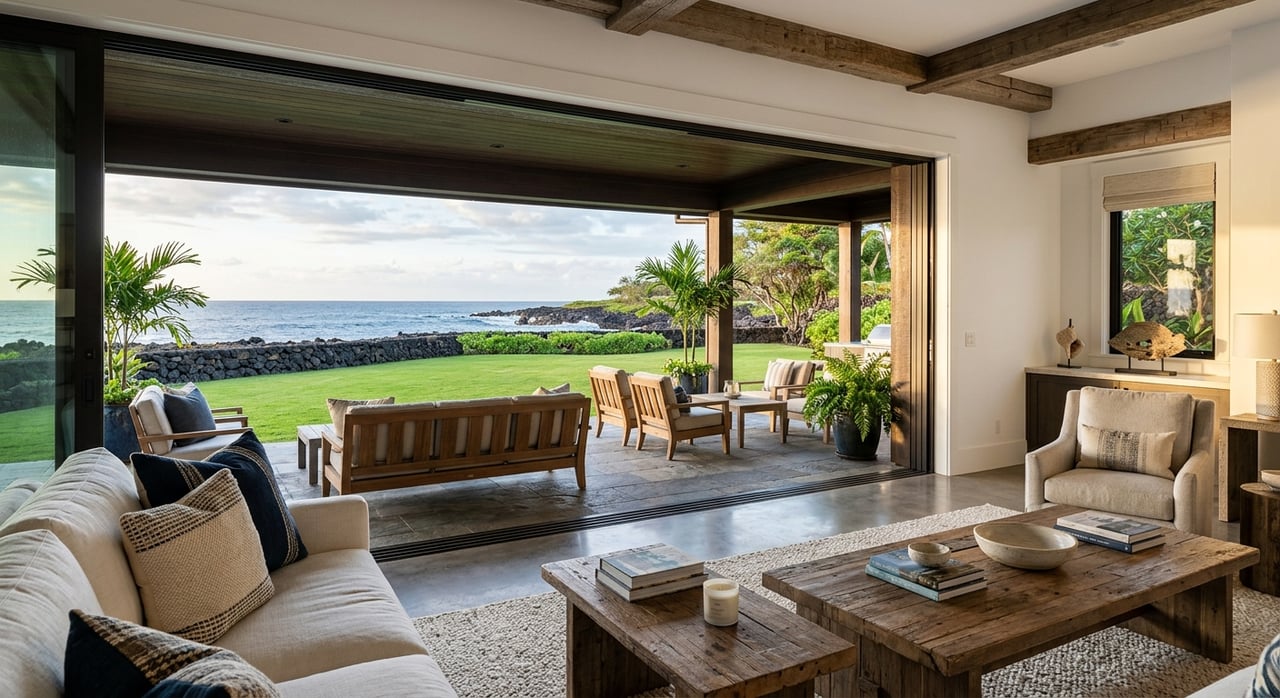
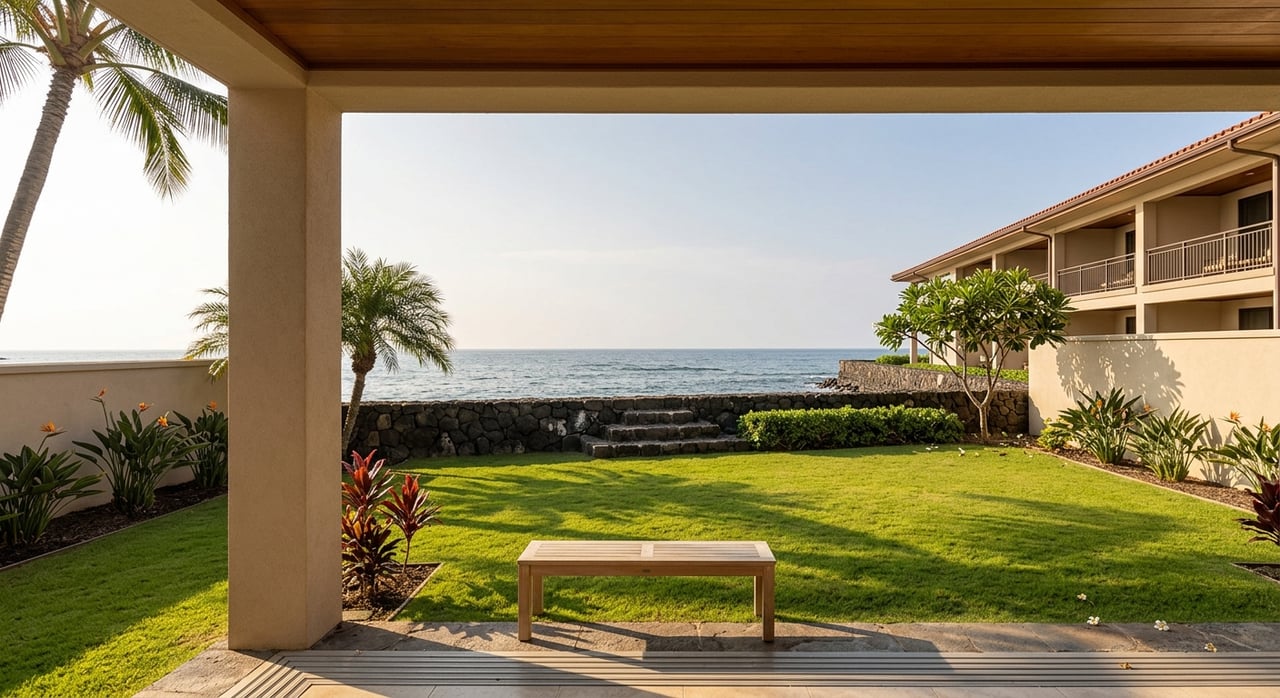
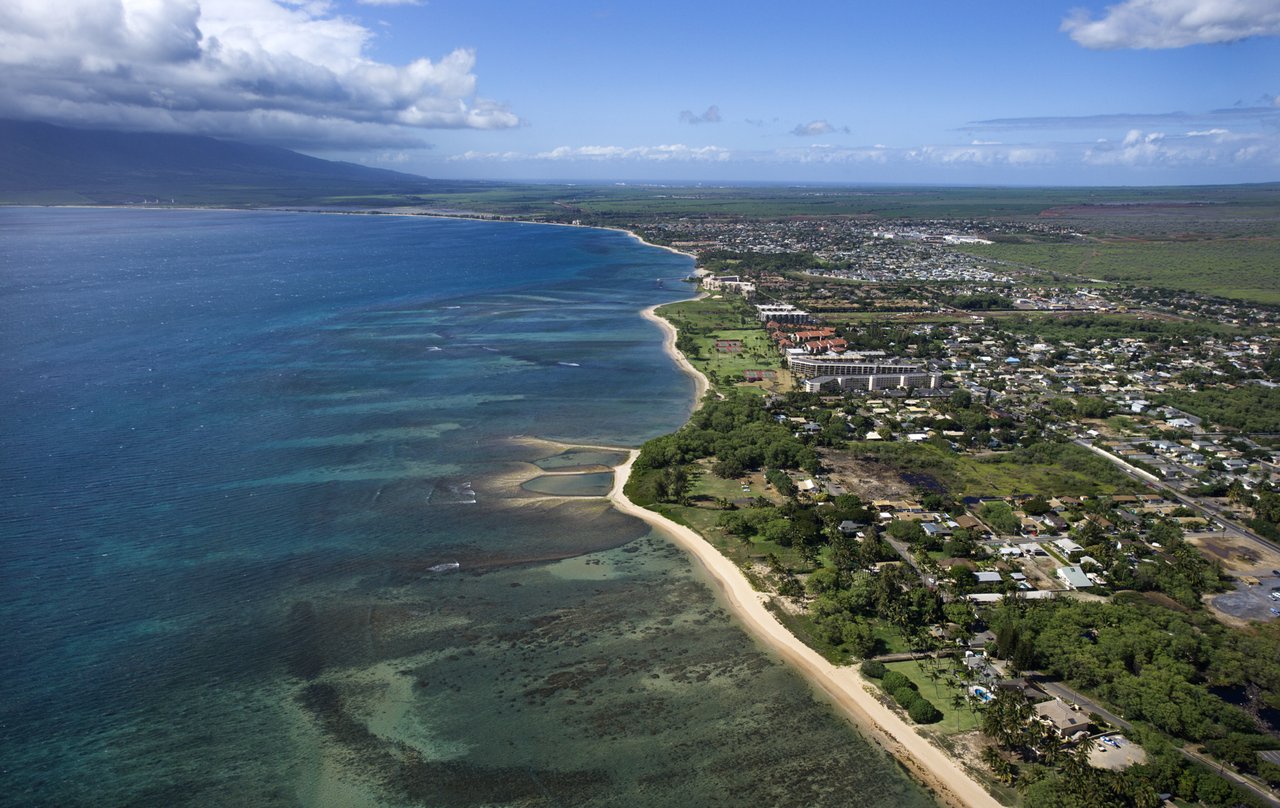
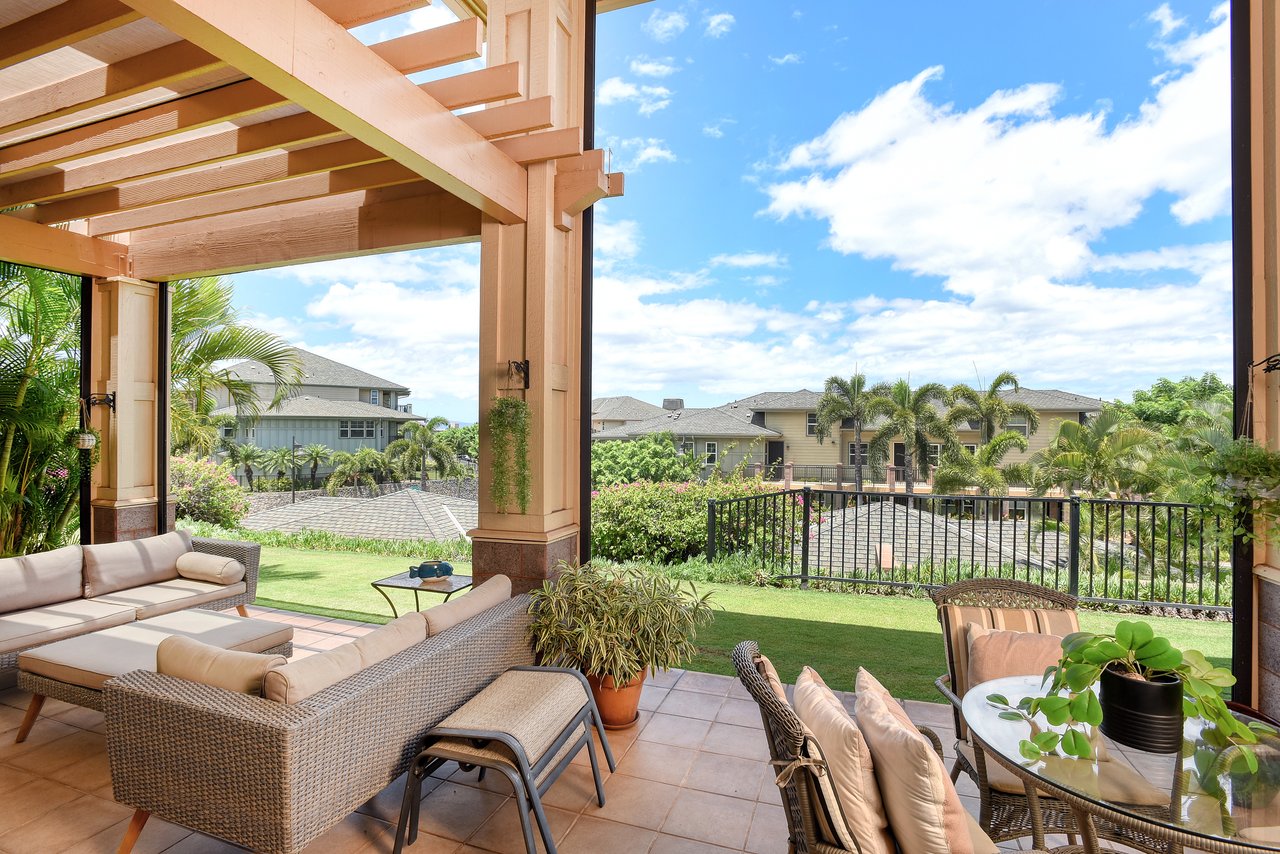
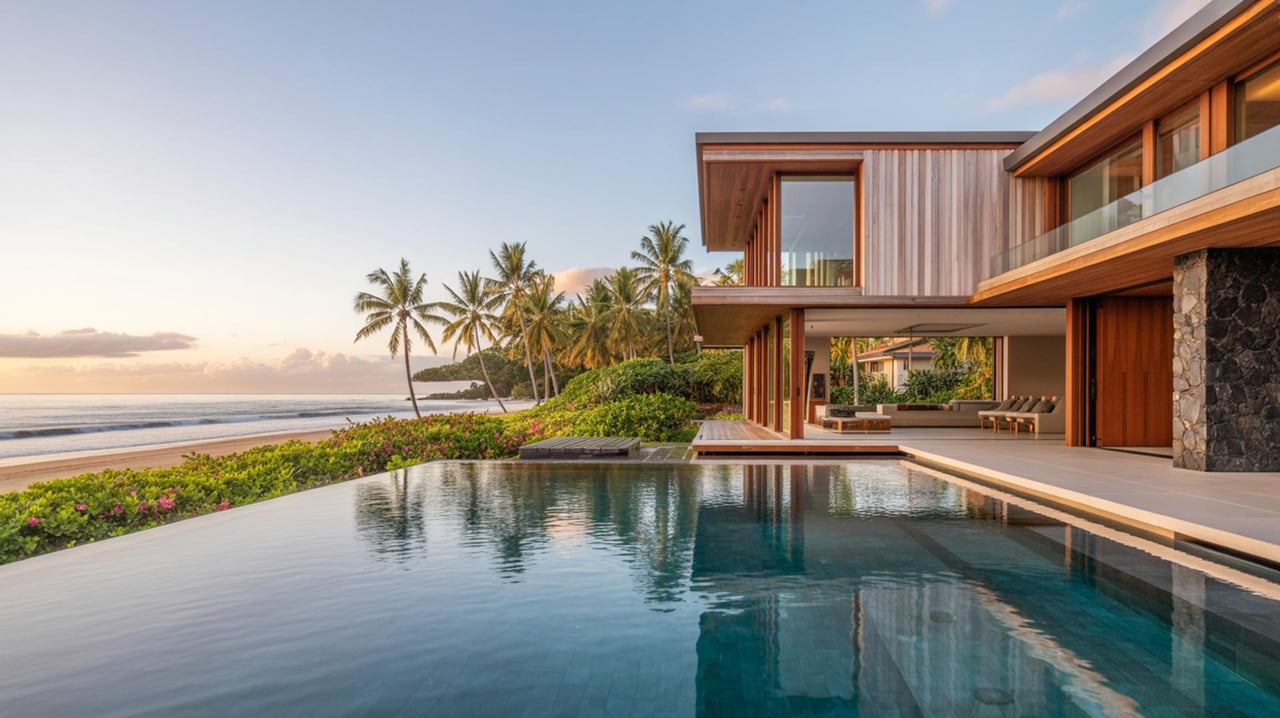
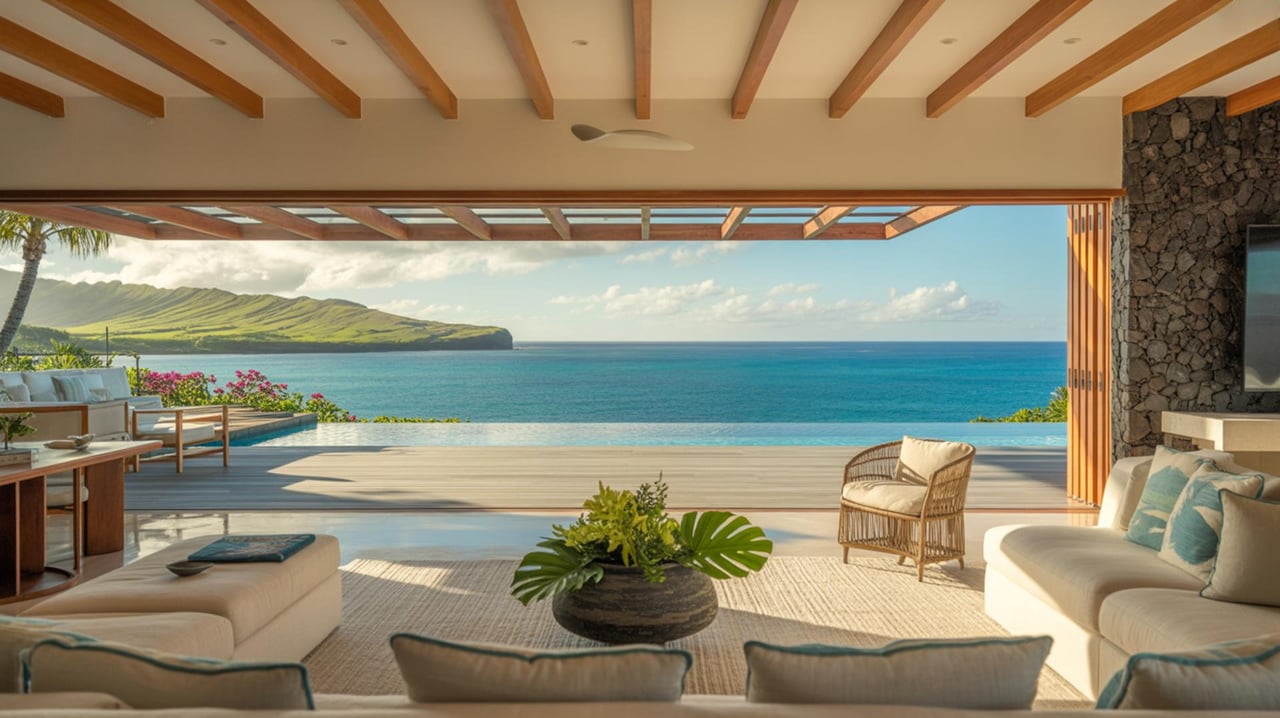
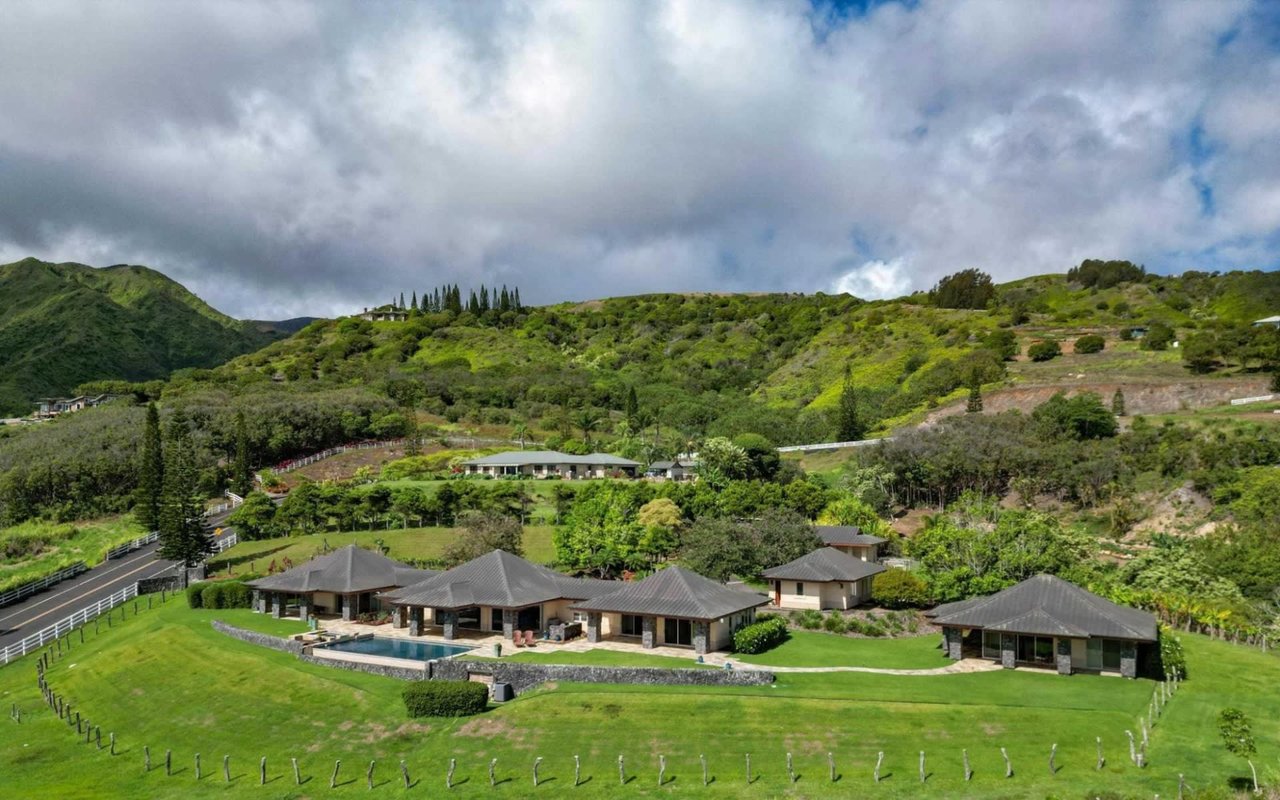
Two condos sit within walking distance of each other in central Kihei. Both are two-bedroom units built around the same era, both a short walk from the sand. One can legally take a booking for next weekend and every weekend after that with no expiration date attached. The other has a hard stop on its rental income, set by county ordinance, arriving in a little over four years.
Nothing on the exterior tells you which is which. The listing photos look the same. The view looks the same. The difference lives in a zoning designation and a legal opinion that's now more than two decades old, and it's currently splitting Kihei's condo market into two markets that happen to share a mailing address.
If you're comparing condos in Kihei this year, that split matters more than square footage.
The list that decided this for you
Back in the late 1980s and early 1990s, a large number of apartment-zoned buildings across Kihei were already renting nightly, years before the zoning code caught up to what was actually happening on the ground. In 2001, a Maui County deputy corporation counsel named Richard Minatoya issued a legal opinion drawing a line: buildings that had a valid building permit, SMA use permit, or planned development approval on the books before April 20, 1989, or that were already operating as transient vacation rentals before March 4, 1991, got to keep renting short-term. Everyone else in apartment-zoned Kihei did not.
That opinion is why real estate people on Maui now talk about "Minatoya List" buildings the way people elsewhere talk about flood zones. It's a status, and it follows the unit, not the neighborhood. County records place the apartment-district occupancy list for Kihei to include buildings like Kihei Cove, Hale Mahialani, Kamaole One, Maui Vista, and Kamaole Sands, one of the larger complexes on the island at 440 units. Nani Kai Hale, a beachfront building on North Kihei's Sugar Beach, is another. Roughly 60 percent of Kihei's vacation-rental condos carry this designation.
A short walk from the Cove, one of South Maui's better-known surf and paddleboard spots, sits Island Surf, a small complex.
The clock that's already running
In December 2025, Maui County stopped treating that grandfathered status as permanent. Ordinance No. 5909, known around the island as Bill 9, was signed into law by Mayor Richard Bissen on December 15, 2025. It phases out short-term rental use in apartment-zoned buildings on a staggered schedule. West Maui properties lose the right first, on January 1, 2029. Everywhere else, including Kihei, the deadline is January 1, 2031.
That date is not a proposal anymore. It's the law as currently written, and enforcement carries teeth.
Bill 9 doesn't touch every rental in Kihei. Hotel and resort-zoned buildings were never part of the Minatoya workaround in the first place, so they're untouched by the phase-out regardless of what happens next. That's the split that matters when you're comparing two units: one category has a countdown clock attached to its rental income, the other doesn't.
What the split does to price
Here's where the median gets misleading. Maui-wide condo prices fell roughly 34 percent from an August 2024 peak near $972,000 down to a low around $642,500 in January 2026. Reported as a single number, that reads like a market cooling off across the board. It isn't. Apartment-zoned Minatoya buildings, the ones with the 2031 clock, have taken the brunt of that correction, with prices down closer to 50 percent from their 2022 to 2023 highs in many complexes. Buildings that were never exposed to Bill 9 in the first place have held their value far better over the same stretch.
Because Kihei has one of the highest concentrations of Minatoya inventory on the island, that gap shows up directly in whatever "median Kihei condo price" a portal hands you. The number combines two different assets: one priced as an income property with a defined runway, one priced as a condo with no such expiration. Comparing your target unit to that blended median tells you almost nothing about what you're actually buying.
| What you're comparing | Zoning basis | Short-term rental status |
|---|---|---|
| Kamaole Sands, Maui Vista, Kihei Cove, Hale Mahialani, Nani Kai Hale | Apartment-zoned, Minatoya List | Legal today, must stop by January 1, 2031 |
| Hotel or resort-zoned buildings island-wide | Hotel/resort district | Never subject to Bill 9 |
What still might change, and why you shouldn't price it in yet
The county has offered affected owners one potential escape hatch. On June 19, 2026, the Maui County Council voted 7-2 to create two new hotel-zoning categories, often referred to locally as Bill 88, that would let individual Minatoya buildings apply to be rezoned as hotel districts and keep their rental rights. It is not automatic. Each building has to apply on its own, go through Planning Commission review, and win County Council approval one at a time. All three of the county's planning commissions had already recommended against the concept before the Council approved it, which tells you the approval process at the building level is likely to be genuinely contested rather than a formality.
The county's working rezoning list, updated July 31, 2026, shows about 4,519 of the roughly 7,167 Minatoya units named in the pursuing-rezoning exhibit, with roughly 3,785 units currently attached to a specific proposed outcome moving through Council resolutions. Kamaole Sands appears in the largest of those buckets, one that proposes hotel zoning for dozens of buildings.
Two lawsuits are also working through 2nd Circuit Court. Owners at Kaanapali Royal filed Malter v. Maui County in December 2025, arguing the phase-out amounts to an unconstitutional taking of a use that's existed for roughly 45 years. A second suit, Lynam v. County of Maui, is seeking class-action status on behalf of Minatoya owners countywide. The 2031 deadline remains legally in effect while both cases are pending. If you're underwriting a purchase around that date, plan for the law as written today, not for a rezoning approval or a favorable ruling that hasn't happened yet.
What this means if you're comparing Kihei condos right now
Location and view are the easy comparisons. The question that actually determines what you're buying is whether the specific unit sits on the Minatoya List, and if so, whether it appears in one of the buildings currently pursuing rezoning. That's a documentable fact, not a guess, and it's worth asking for in writing before you get attached to a listing.
It also affects your exit and your holding costs. St. John Hawaii notes that if a Minatoya unit converts to a long-term rental after 2031 rather than sitting vacant, it can also move into a different, lower property tax classification under the county's current rate structure, which is worth building into your hold-period math alongside the rental income question.
A few questions worth asking before you write an offer
Does this affect condos I already own in Kihei? Only if the building is apartment-zoned and on the Minatoya List. Hotel and resort-zoned buildings, and units with valid B&B or short-term rental home permits, are not part of this phase-out.
Is 2031 a hard date? It's the current law, with active litigation still pending. Treat it as firm until a court says otherwise.
Could my building still get rezoned for hotel use? Possibly, through the H-3/H-4 pathway, but it requires an individual building application and Planning Commission approval that isn't guaranteed. Kamaole Sands is one of the larger Kihei buildings currently in that process.
Buying condo in Kihei this year means underwriting a legal timeline as carefully as you underwrite a view. Riette Jenkins has spent decades tracking exactly this kind of building-by-building distinction across South Maui, and pairs that local read with Coldwell Banker Global Luxury's marketing reach for buyers and sellers navigating it. If you're comparing specific Kihei buildings and want a straight answer on where a unit stands, Contact Riette for a private consultation.
This article is general information, not legal, tax or financial advice. Consult a qualified professional about your situation.