If you are considering a remodel or new build on a Kula acreage property, you already know the appeal goes far beyond the home itself. In Upcountry Maui, the land, the slope, the weather, the water setup, and the permit path can shape your project just as much as your floor plan. A smart start can save you time, money, and frustration later, so let’s walk through what matters most before you build.
Start With the Site
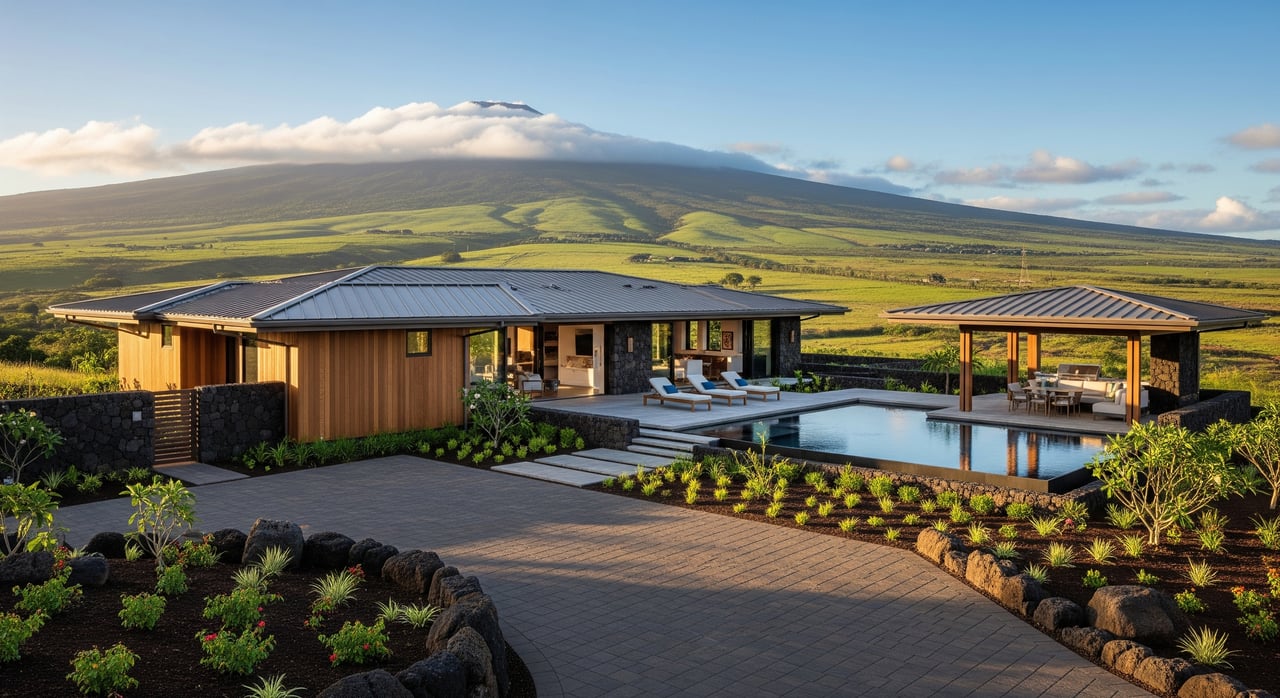
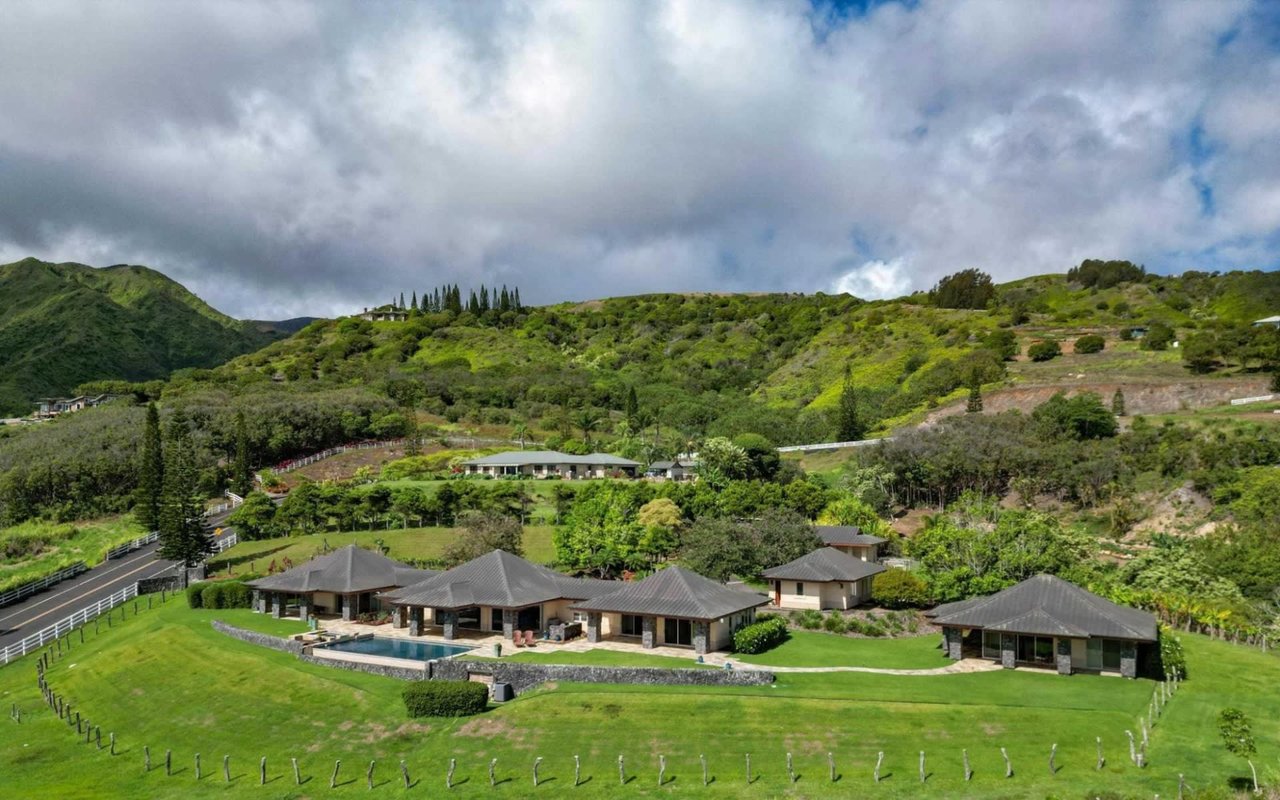
In Kula, acreage planning is rarely just about how many bedrooms or how much square footage you want. The site itself often drives the project. Parcel slope, sun exposure, wind patterns, access, and utility connections can all affect what is practical and what approvals may be required.
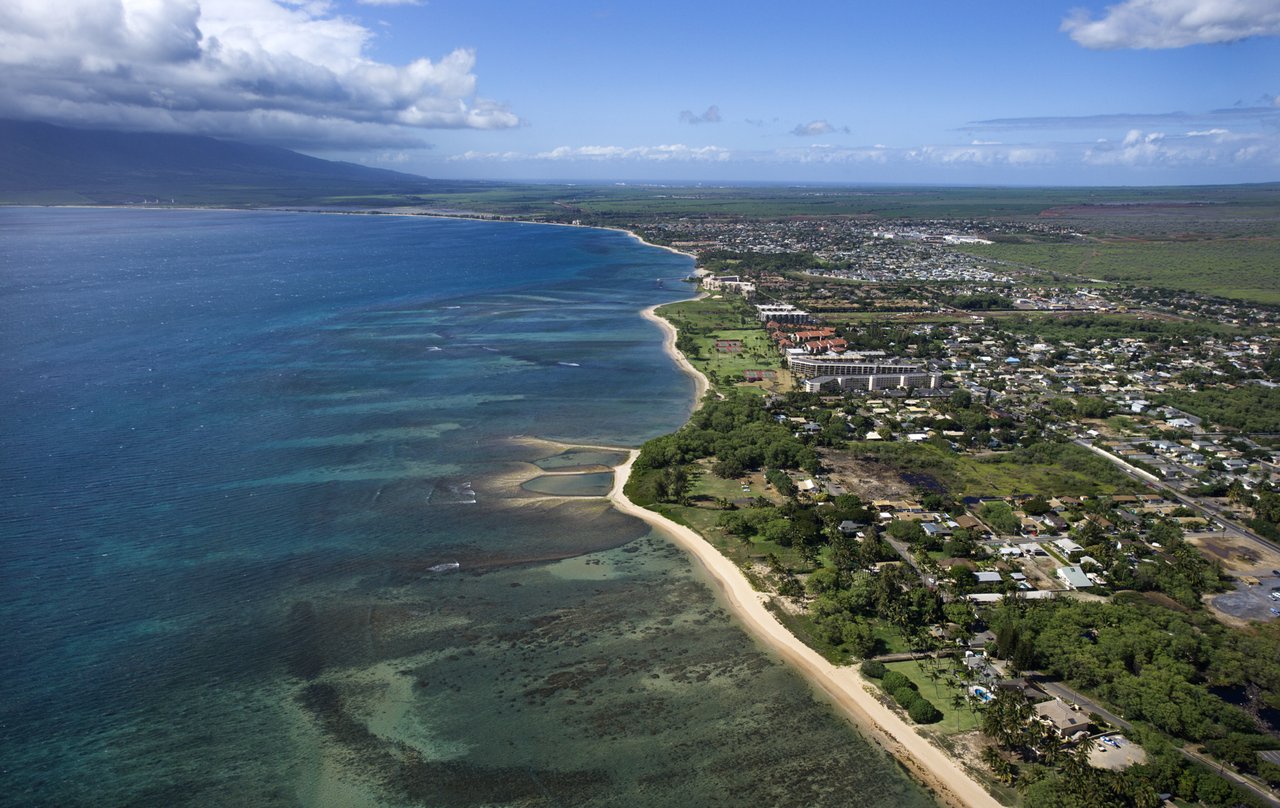
The Makawao-Pukalani-Kula Community Plan reflects Kula’s rural and agricultural character, not an urban pattern of development. That matters because some parcels may fall within land use frameworks that support agricultural uses and rural subdivision standards rather than more conventional suburban expectations. For many owners, this means the first questions should be about the land, not the house.
Kula also has meaningful microclimate shifts. Haleakalā’s elevation changes create noticeable differences in temperature, rainfall, and wind over short distances, so two properties in the same general area may still perform very differently. That is why site-specific planning is essential.
What to assess early
Before you get too far into design ideas, it helps to confirm a few basics:
- Slope and buildable areas
- Sun and wind exposure
- Existing driveway or access conditions
- Water source and service status
- Wastewater setup
- Flood hazard considerations
- Whether grading, grubbing, or other site work may be needed
Understand Kula’s Water Context
Water should be one of your earliest due diligence items on an Upcountry property. Kula is part of Maui County’s Upcountry water service area, and the County tracks that system separately with water-level reports and shortage declarations. Conditions can change based on drought, infrastructure issues, storm damage, mechanical failure, or other events.
A recent County update in March 2026 lifted Upcountry shortages, but it kept an Upper Kula conservation advisory in place because of storm-related damage. The broader lesson is simple: water availability and restrictions can shift, so you will want to verify the current situation for your property and your planned scope of work.
For buyers and owners, that means asking direct questions early. Is the parcel on County water? Are there any current advisories affecting the area? Could your remodel or new construction timeline be influenced by system conditions? These are foundational questions, not minor details.
Check Wastewater Before You Design
Wastewater is another issue that should be addressed before plans are finalized. If a property is not served by sewer, the State Department of Health says it may rely on an onsite wastewater system such as a cesspool. That can affect both your project planning and your long-term improvement strategy.
This matters even more because the State has made clear that all cesspools must be replaced by 2050. The Department of Health also issued guidance in November 2024 for existing cesspool use in residential Kula after the wildfires, which shows how important this topic remains for Upcountry owners.
If you are looking at a Kula acreage property, make sure you understand exactly what system is in place today. A remodel may trigger different considerations than a new build, but either way, wastewater should be part of your initial review team’s conversation.
Expect More Than a Building Permit
One of the biggest misconceptions about acreage projects is that the permit path starts and ends with a building permit. In Maui County, a building permit is required for construction, alteration, moving, demolition, repair, and use of a building or structure. Depending on the scope and location of your project, multiple agencies may review the application.
Those agencies can include Planning, Water Supply, Fire, Environmental Management, and Public Works. On a Kula acreage parcel, separate approvals may also come into play for driveway work, grading and grubbing, plumbing, electrical, fire protection, work on County highways, and subdivision or lot consolidation.
That is why a permit-savvy team matters so much. The process is not always linear, and site work can create review needs that affect timing well before the main structure is underway.
Maui County departments may review
Your project could involve coordination with:
- Planning
- Water Supply
- Fire
- Environmental Management
- Public Works
Separate approvals may be needed
Depending on the parcel and project scope, you may need review for:
- Driveway permits
- Grading and grubbing permits
- Flood Development Permit
- Plumbing and electrical permits
- Fire protection review
- Subdivision applications or lot consolidation
Use MAPPS for County Permitting
Maui County now handles permitting through MAPPS. The County no longer accepts paper applications for new permit and plan-review applications listed on the MAPPS Applications page. For owners planning a remodel or new build, this means your team should be comfortable navigating the County’s current digital process.
The County also lists Design Registration for pre-approval of single-family dwelling plans. In the right situation, that may be relevant for a custom home or a plan that will be reused. Maui County also lists a Building Permit Exemption under HRS 46-88 for certain agriculture-related projects, which may be worth exploring when applicable.
Because acreage properties can involve both residential and land-related components, it is wise to confirm early which submittals apply to your specific parcel. A small misunderstanding at the beginning can create a much larger delay later.
Access, Grading, and Flood Review Matter
On acreage, the house is only part of the project. The route to the house, the amount of site work needed, and the parcel’s physical constraints can all trigger additional review. Maui County lists driveway permits, grading and grubbing permits, flood development permits, and subdivision applications as separate approvals.
If your parcel falls within a FEMA special flood hazard area or another high-risk flood area, a Flood Development Permit may be required. That does not mean every lot has a flood issue, but it does mean flood status should be part of your due diligence checklist.
In practical terms, this is where many project budgets begin to shift. Driveway improvements, slope work, drainage concerns, and other site-related requirements can significantly affect both timeline and cost. That is one more reason to investigate the land thoroughly before finalizing design decisions.
Design for Kula’s Conditions
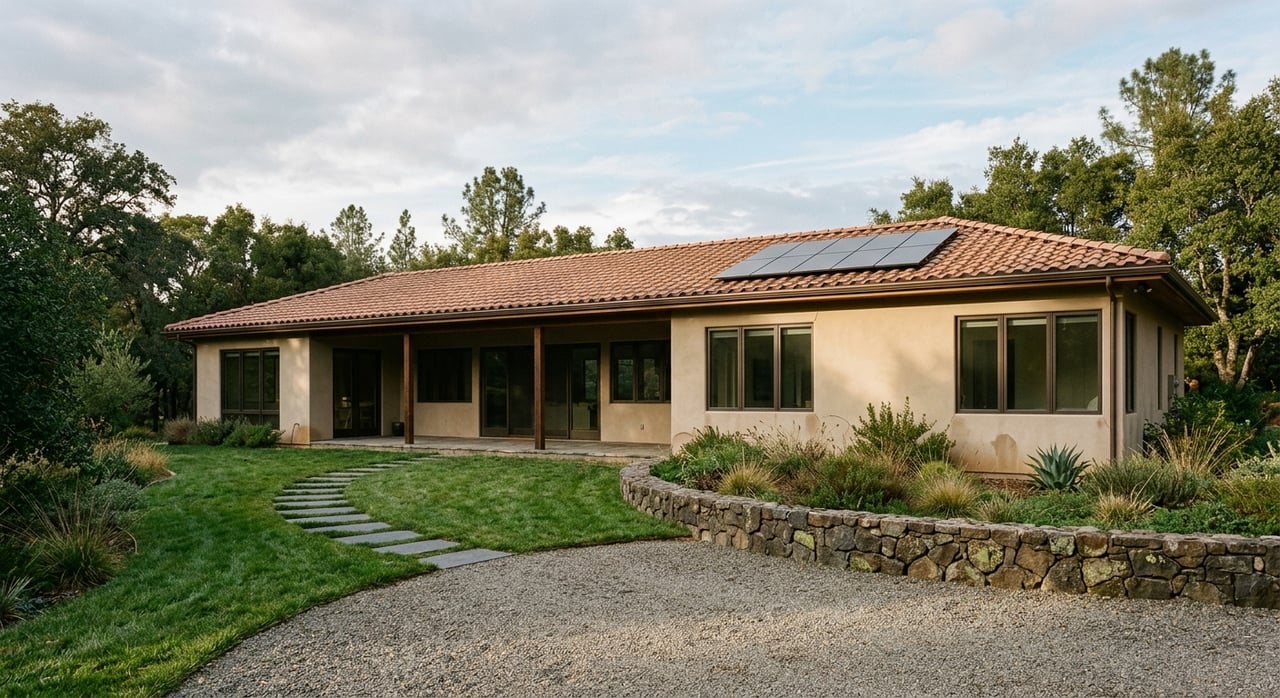
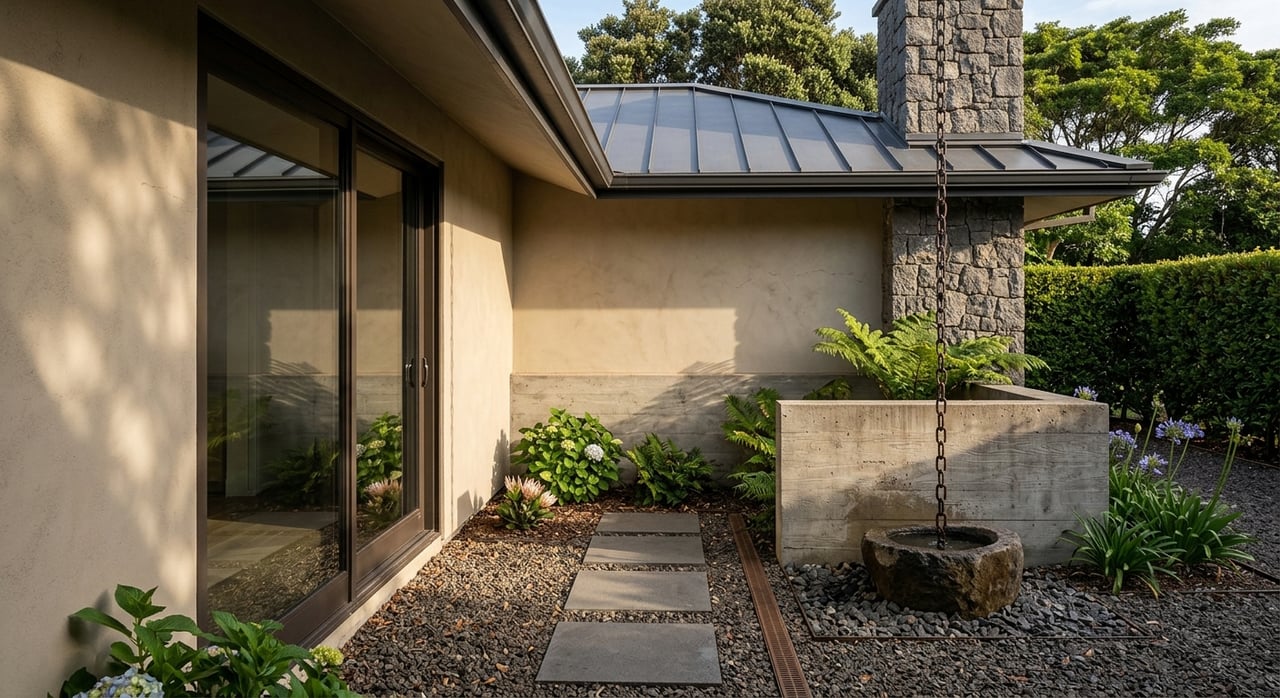
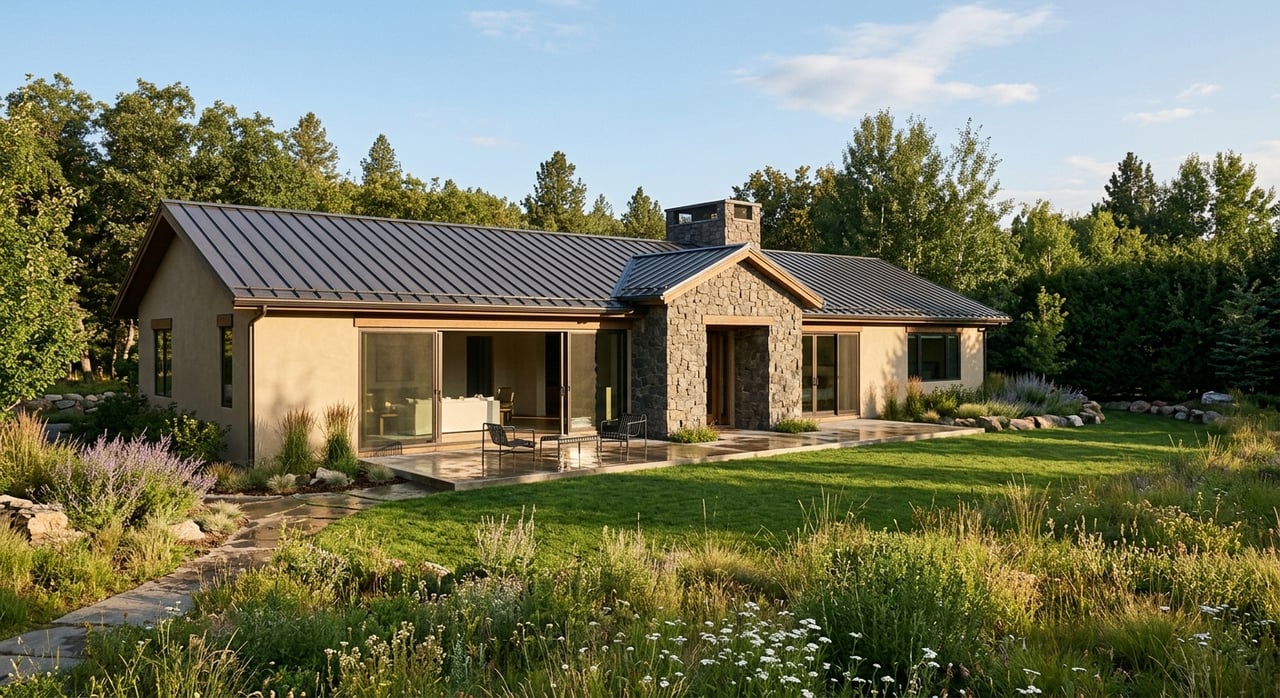
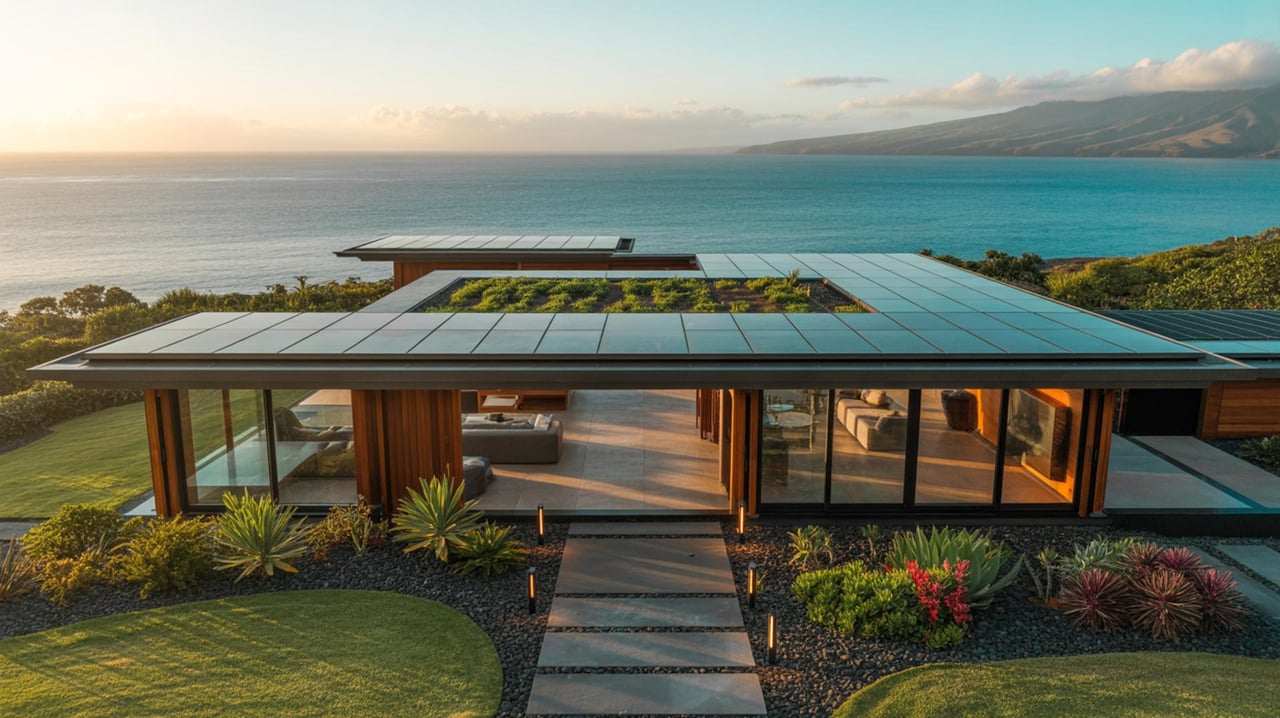
A beautiful Kula home should not simply look good on paper. It should respond to the property’s actual climate and terrain. Because Kula can vary so much by elevation and exposure, orientation and material choices should be based on site conditions, not copied from a coastal layout.
The U.S. Department of Energy notes that climate, orientation, and external shading affect optimal window performance. Lower solar heat-gain products can reduce heat gain in warmer climates, which makes glazing selection a performance decision as much as a style choice.
For view properties, window films may also be useful. The Department of Energy notes that they can reduce solar heat gain and glare while helping preserve views and protect interiors from UV exposure. On a finish-heavy custom home, that can be a meaningful consideration.
Outdoor living should fit the parcel
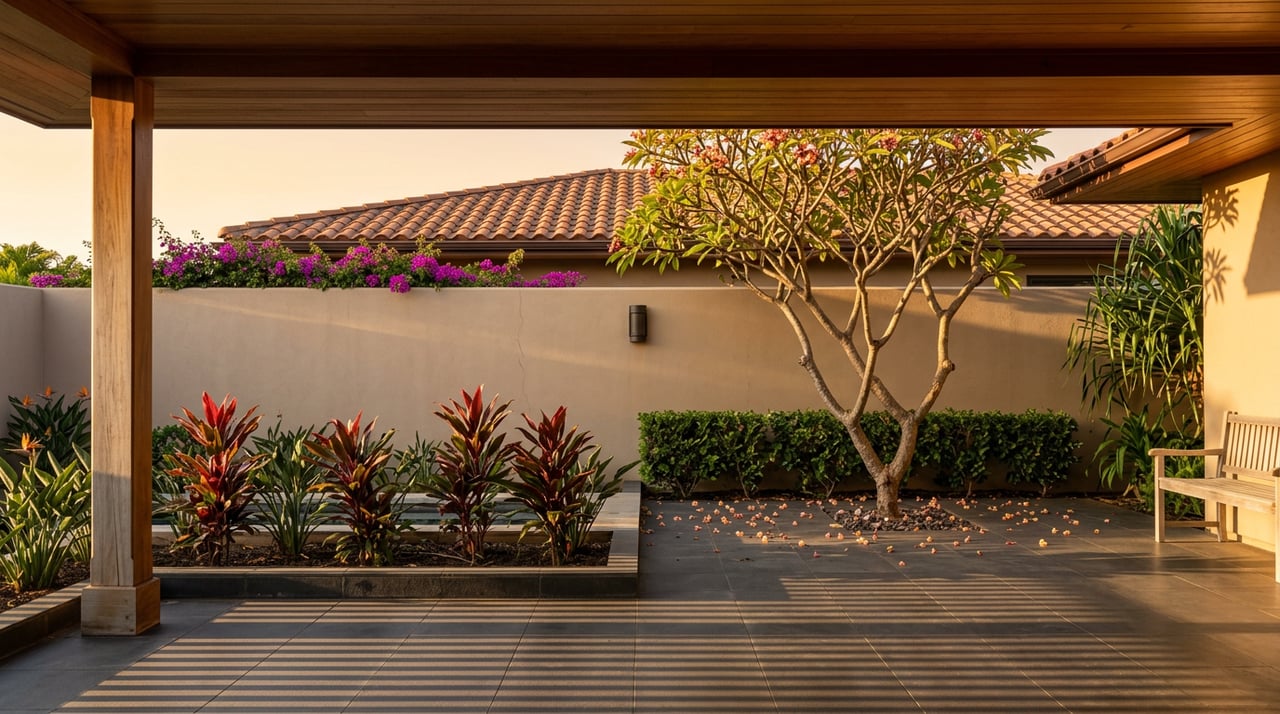
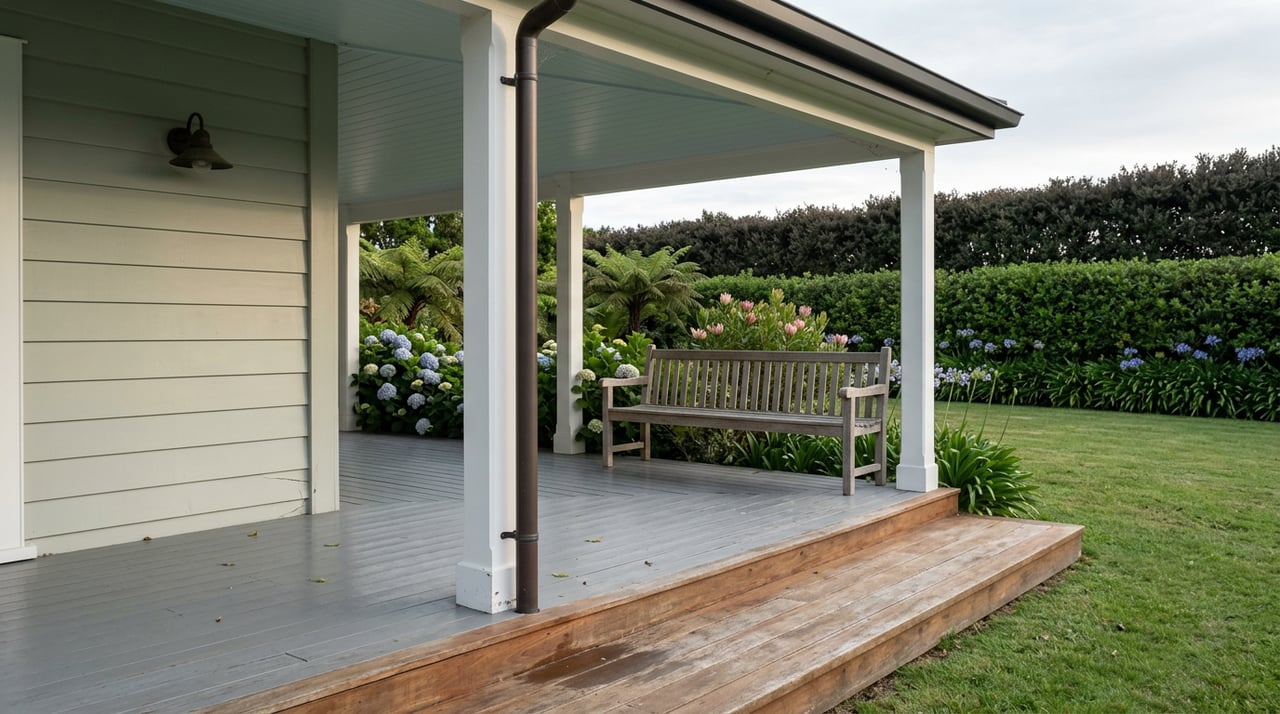
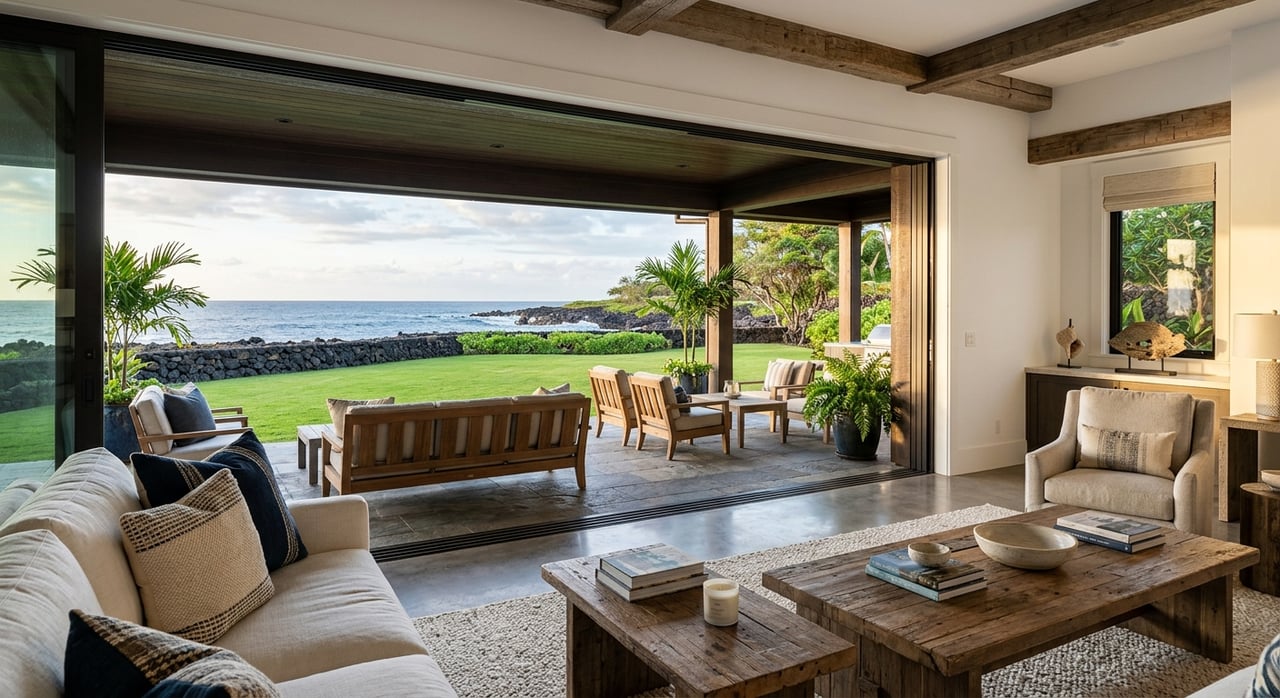
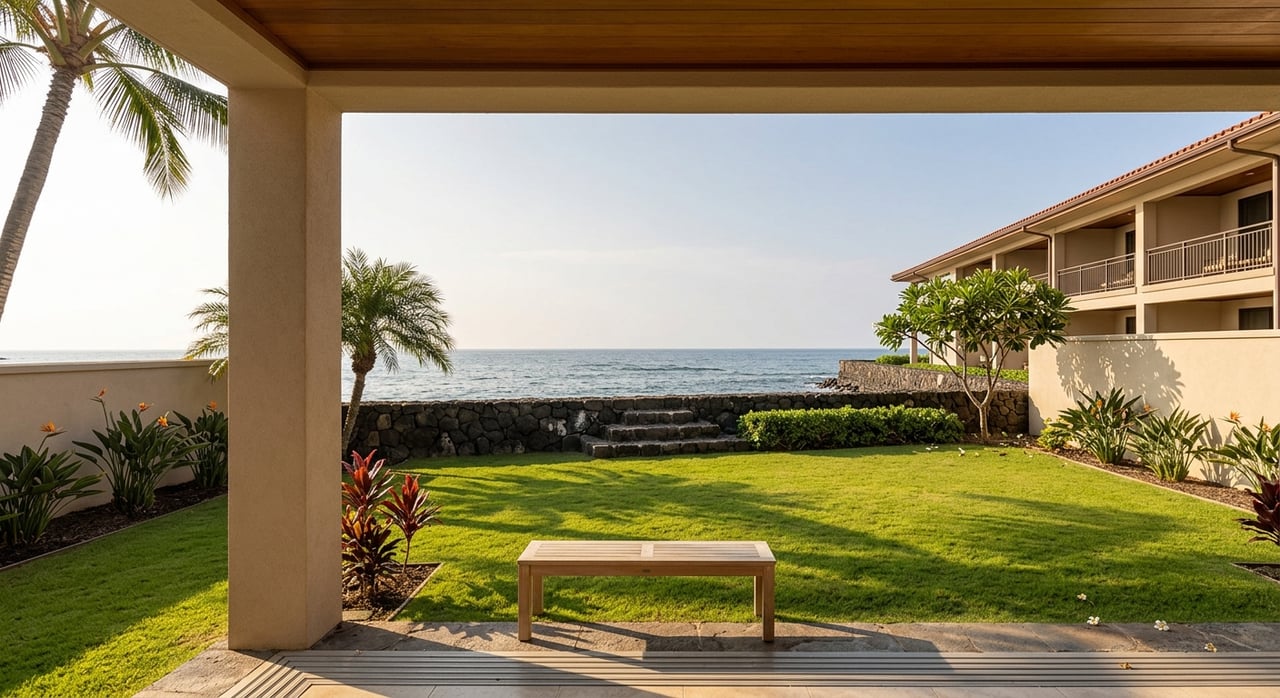
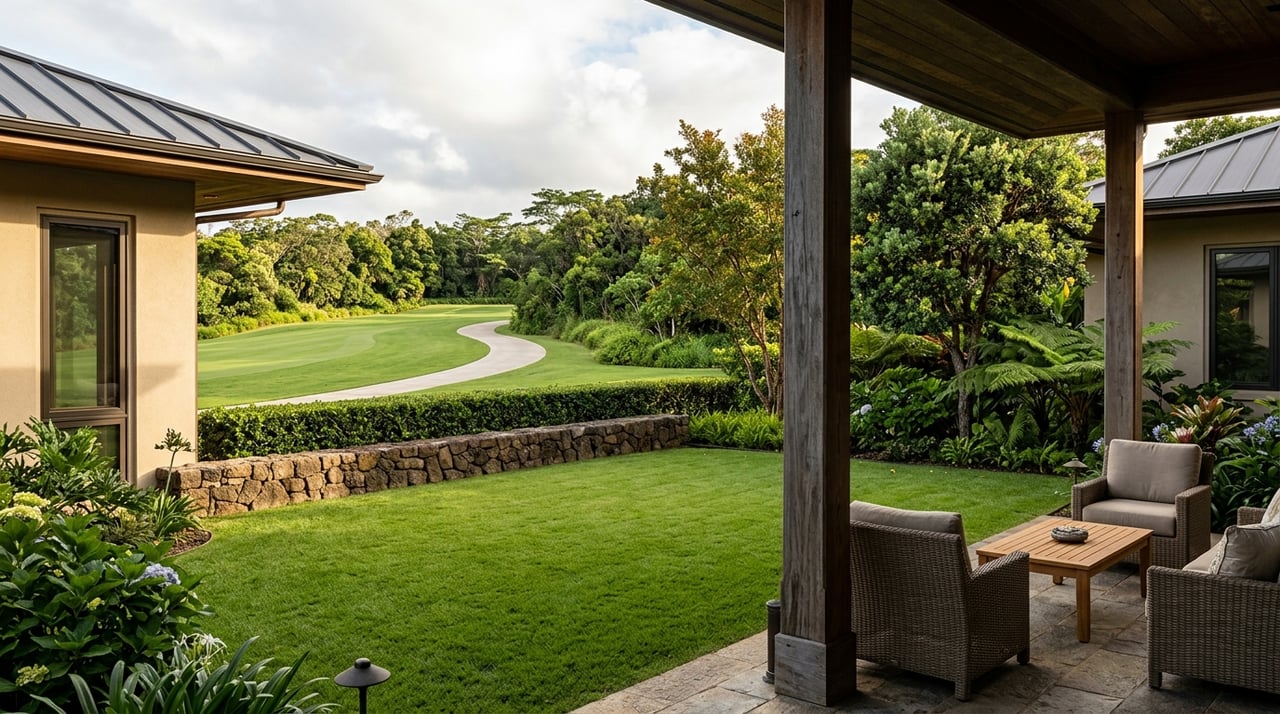
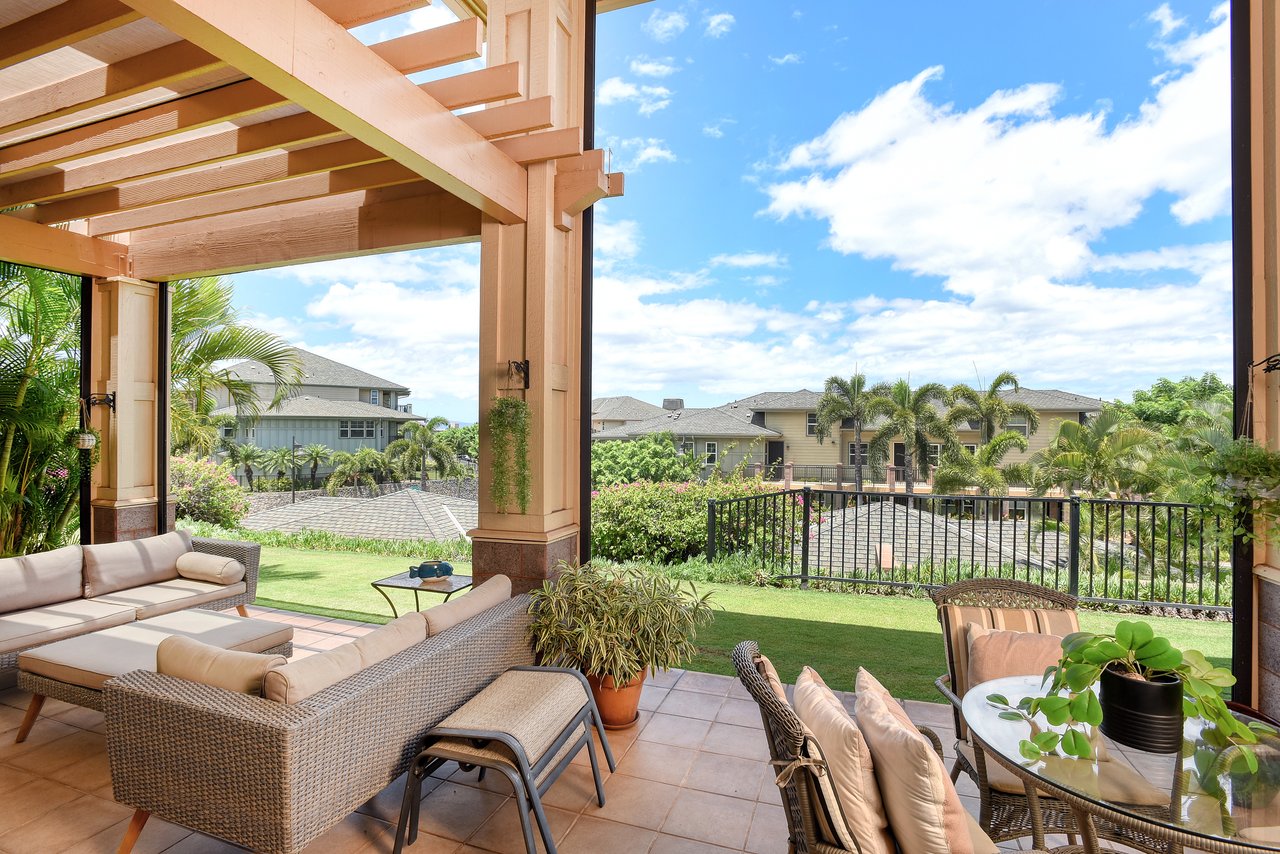
Covered lanais, wind protection, and landscape screening should be planned for the specific site. In Kula, temperature, wind, and rainfall can change enough across elevations that outdoor spaces often need a more tailored approach than a standard island floor plan provides.
Bring Fire Resilience Into Early Planning
Wildfire resilience should be part of the conversation from the beginning, not added at the end. Maui County includes wildfire among the hazards addressed in its hazard mitigation planning, and County emergency preparedness guidance specifically includes wildfires along with hurricanes, tsunamis, and floods.
The Fire Prevention Bureau reviews building plans during the permit process and also conducts preliminary site assessments to help ensure fire-safety standards are being met before construction. Maui County also operates a Wildland Urban Interface program focused on reducing wildfire impacts through community coordination.
For Kula owners, the takeaway is straightforward. Fire safety is not just a code item. It is part of responsible site planning, design, and permitting.
Build Your Team Before Final Plans
The best Kula acreage projects usually begin with the right professionals at the table early. Because Maui County’s process can involve several agencies and separate approvals, it helps to coordinate with a local architect, civil engineer, contractor, and other permit-aware professionals before design choices are locked in.
This approach gives you a clearer picture of what the parcel can support, what infrastructure questions need answers, and where timing risks may exist. It also helps you avoid designing a home around assumptions that later need to change.
If you are buying a Kula acreage property with plans to improve it, real estate guidance matters here too. Understanding the parcel’s water context, wastewater setup, access issues, and development path before you close can shape whether the property fits your goals in the first place.
A thoughtful purchase is often the first step in a successful build. If you want experienced local guidance as you evaluate Kula acreage opportunities or prepare for a remodel or new build, Riette Jenkins offers knowledgeable, concierge-level support grounded in decades of Maui market experience.
FAQs
What should you review first on a Kula acreage property before planning a build?
- Start with the site itself, including slope, exposure, access, water service, wastewater setup, and whether grading, driveway, or flood-related approvals may apply.
How does Maui County handle permits for Kula remodels and new builds?
- Maui County requires building permits for many types of work, and projects may also be reviewed by departments such as Planning, Water Supply, Fire, Environmental Management, and Public Works through the MAPPS system.
Why is water service important for a Kula acreage project?
- Kula is part of the County’s Upcountry water service area, where advisories and shortage conditions can change due to drought, infrastructure issues, storm damage, or other causes.
What wastewater issue should you verify on a Kula property?
- You should confirm whether the property is served by sewer or uses an onsite wastewater system such as a cesspool, since the State says all cesspools must be replaced by 2050.
Can site work on a Kula acreage parcel need separate permits?
- Yes. Depending on the property and scope, separate approvals may be needed for driveway work, grading and grubbing, flood development, and other site-related improvements.
Why should wildfire planning be part of a Kula home design?
- Maui County includes wildfire in its hazard mitigation planning, and the Fire Prevention Bureau reviews plans and conducts site assessments to help ensure fire-safety standards are addressed before construction.