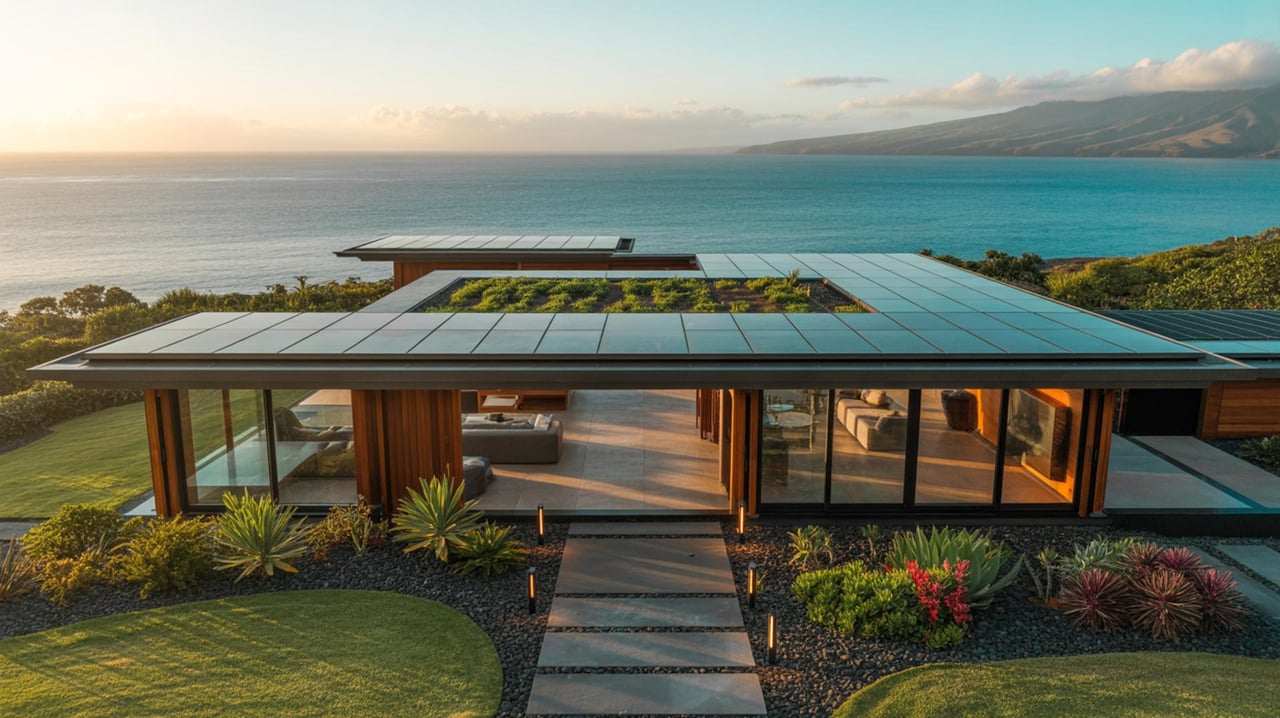
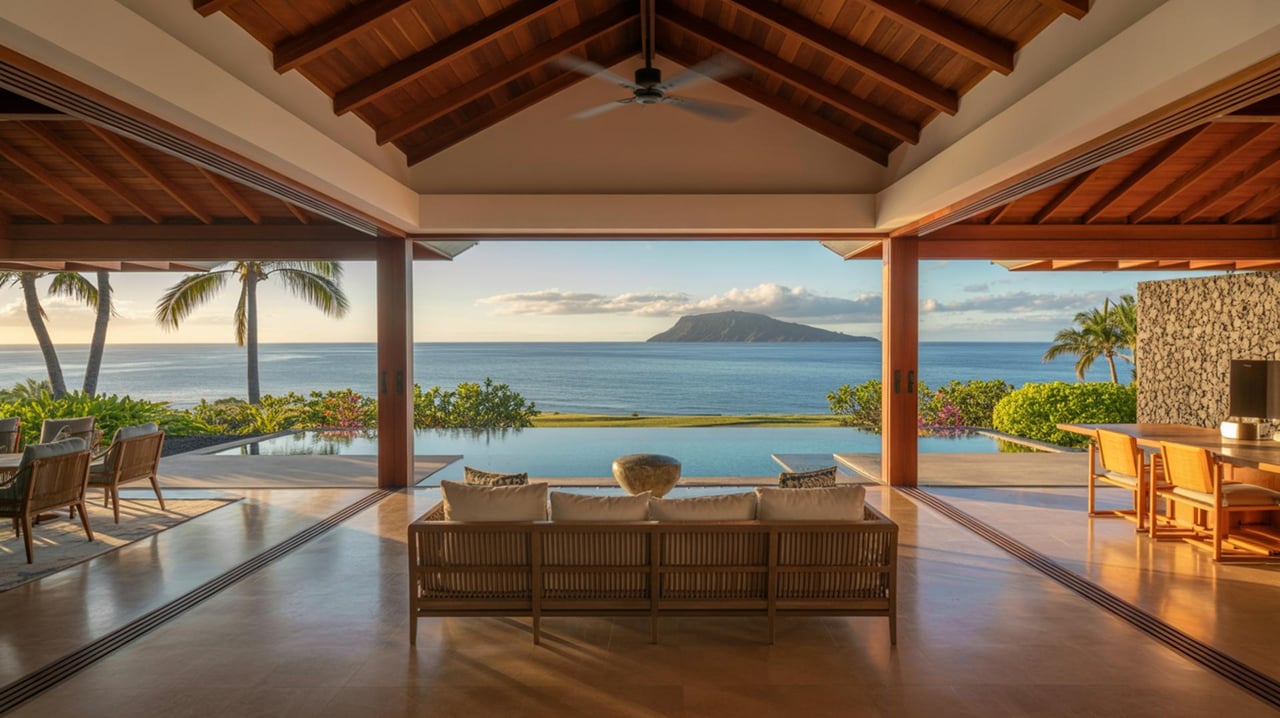
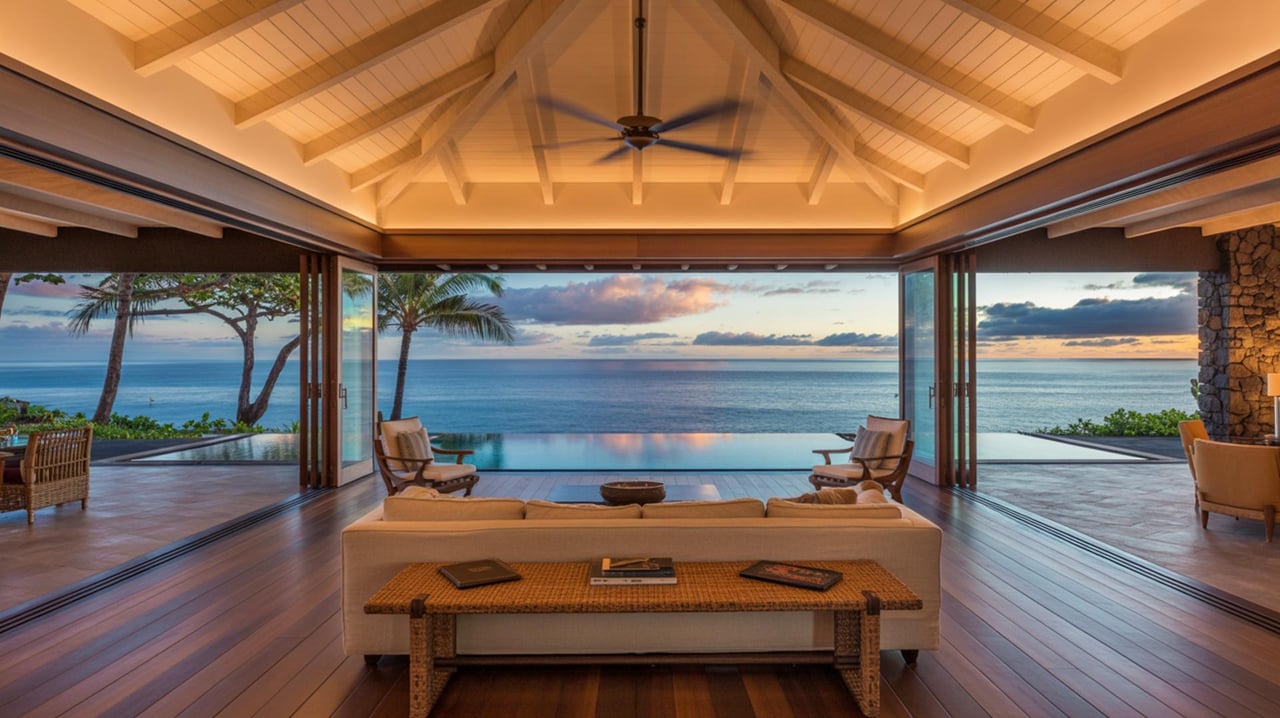
Ever wish you could arrive in Wailea, drop your bags, and slip straight into island time without worrying about upkeep while you are away? If you travel often or split time between homes, that peace of mind matters. Lock-and-leave condos in Wailea are designed for exactly that lifestyle. In this guide, you will learn what lock-and-leave really means here, how services and costs work, and what to check before you buy so you can enjoy worry-free ownership. Let’s dive in.
What lock-and-leave means in Wailea
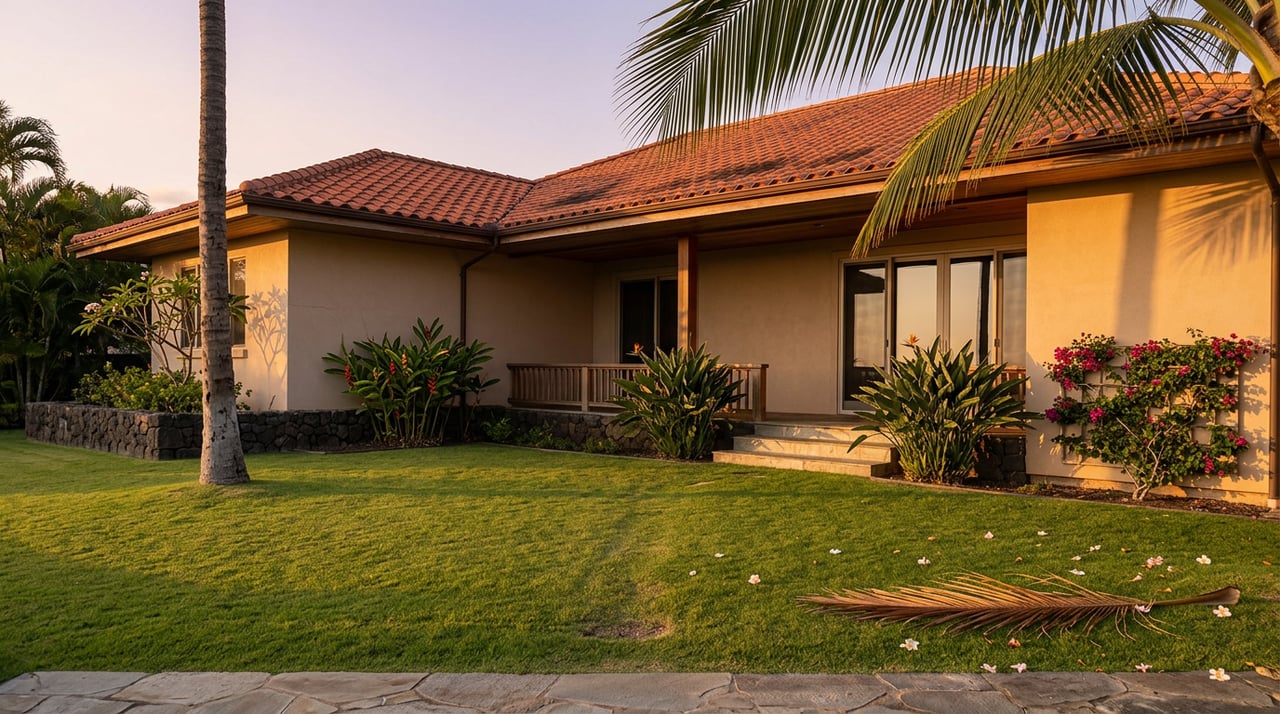
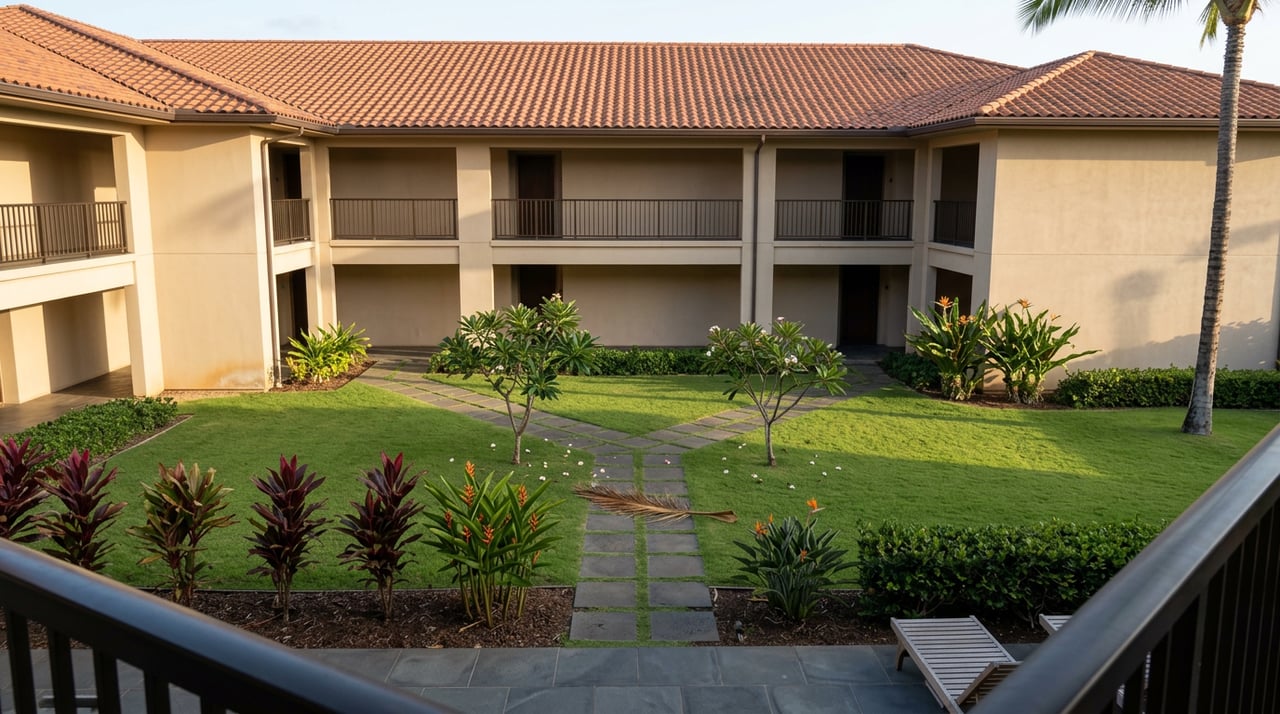
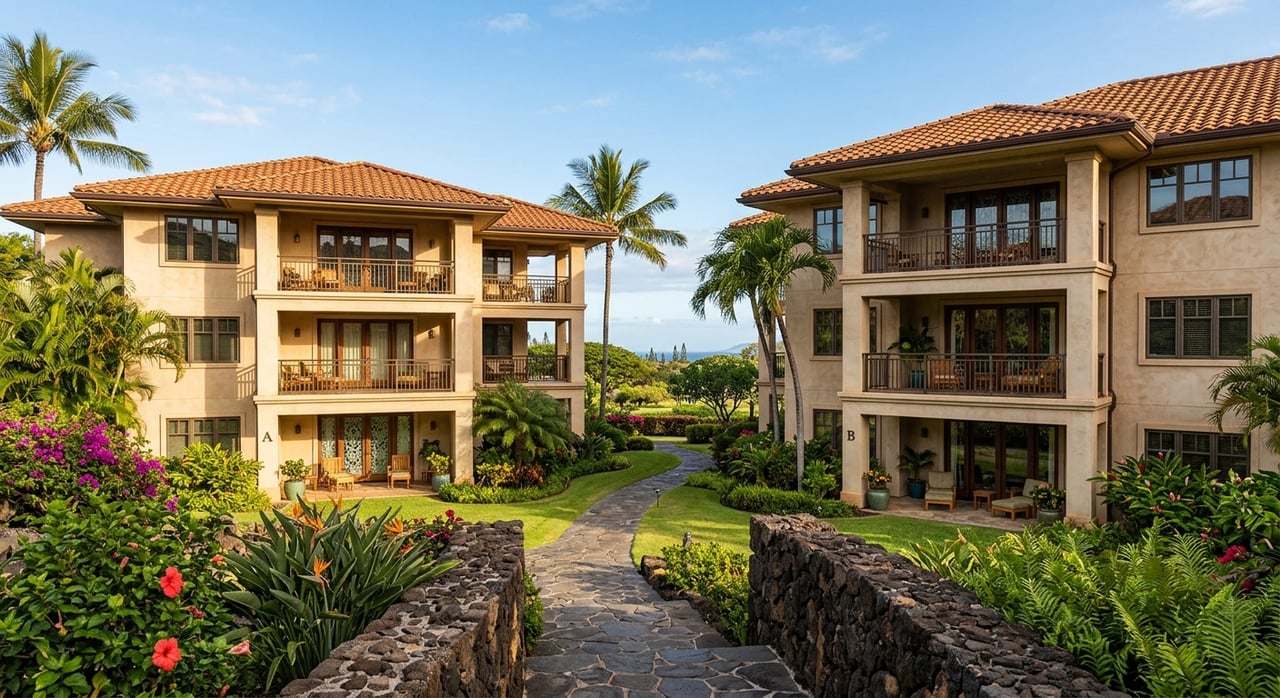
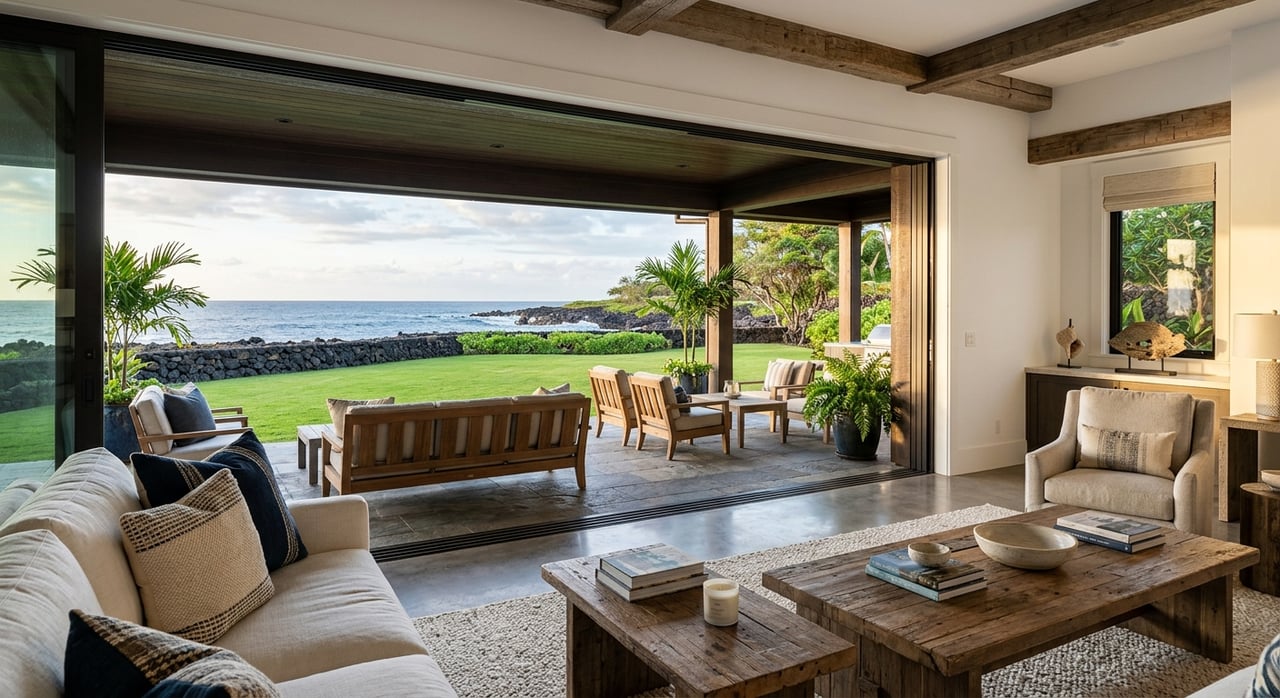
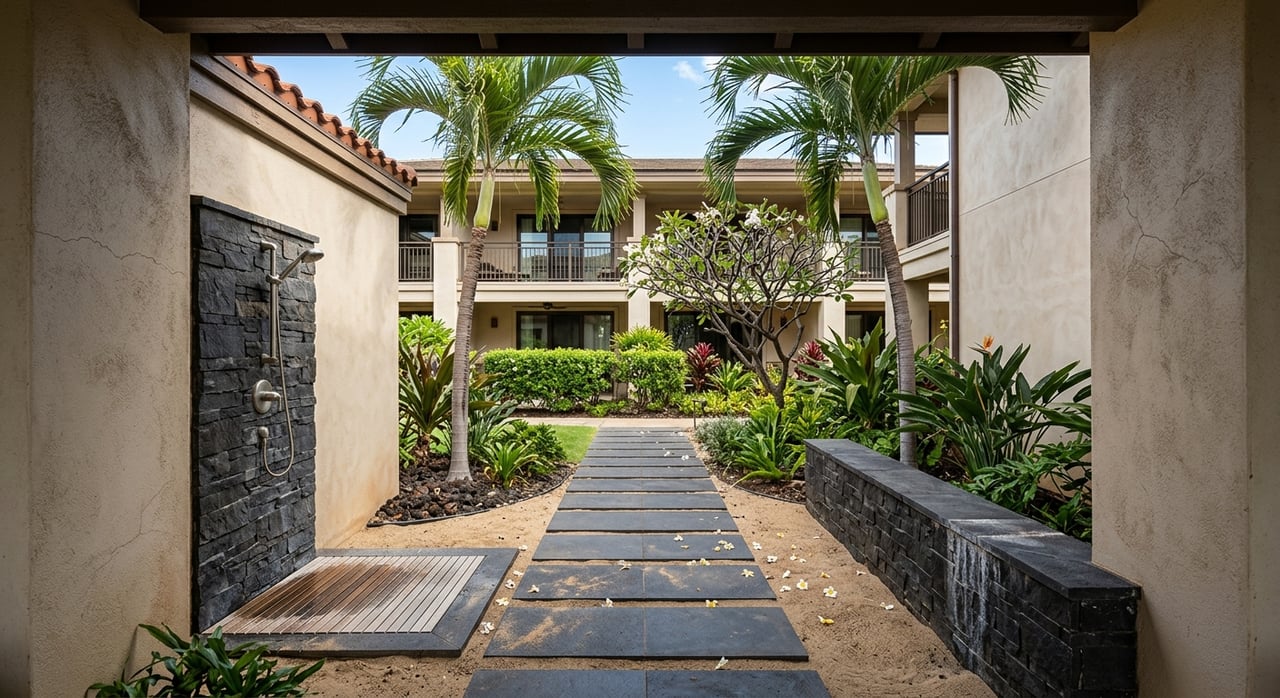
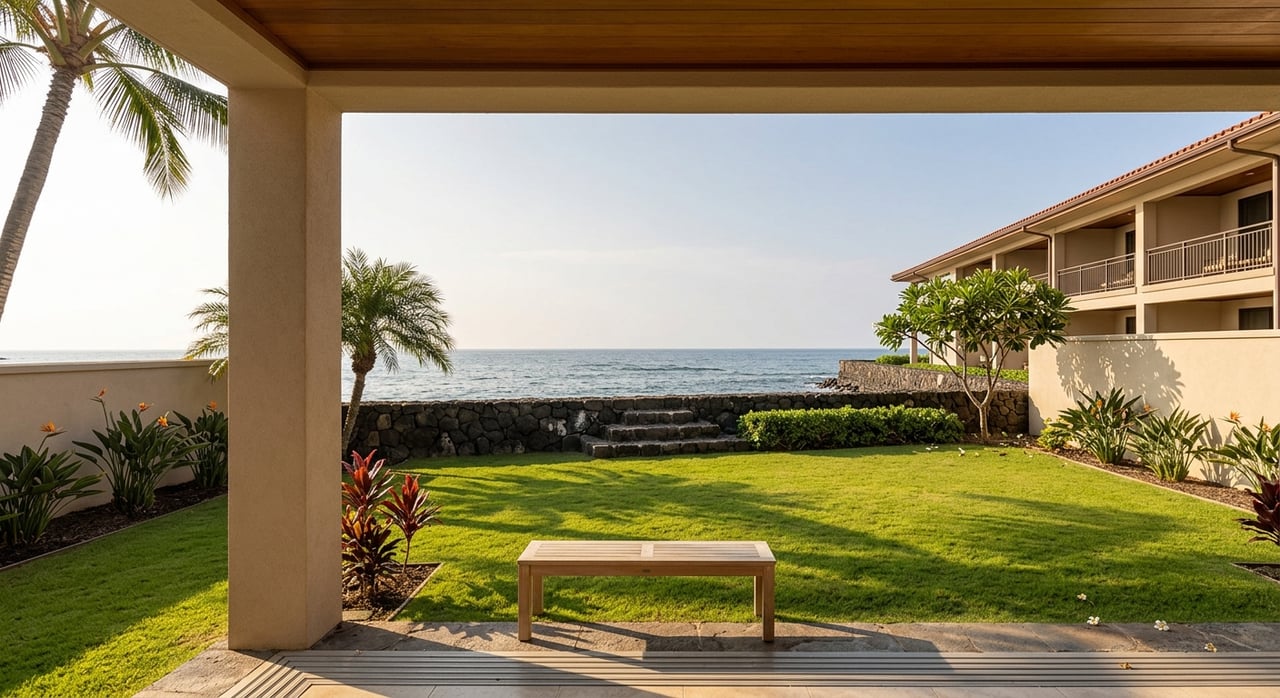
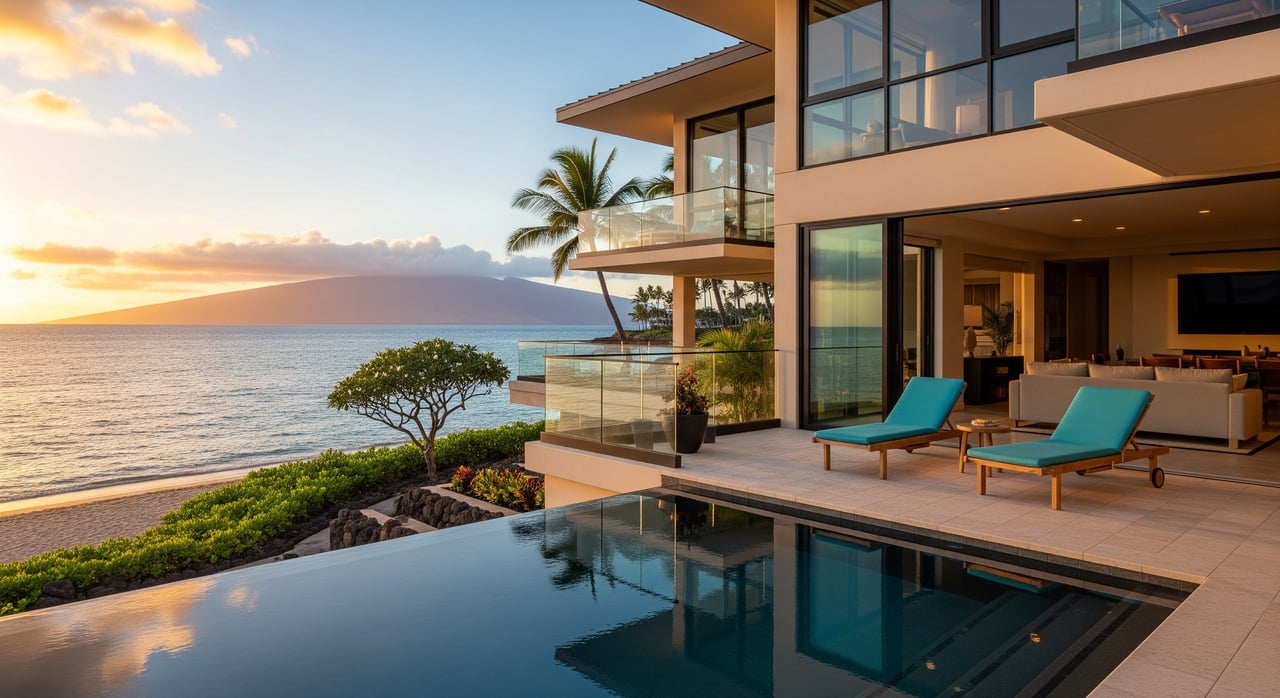
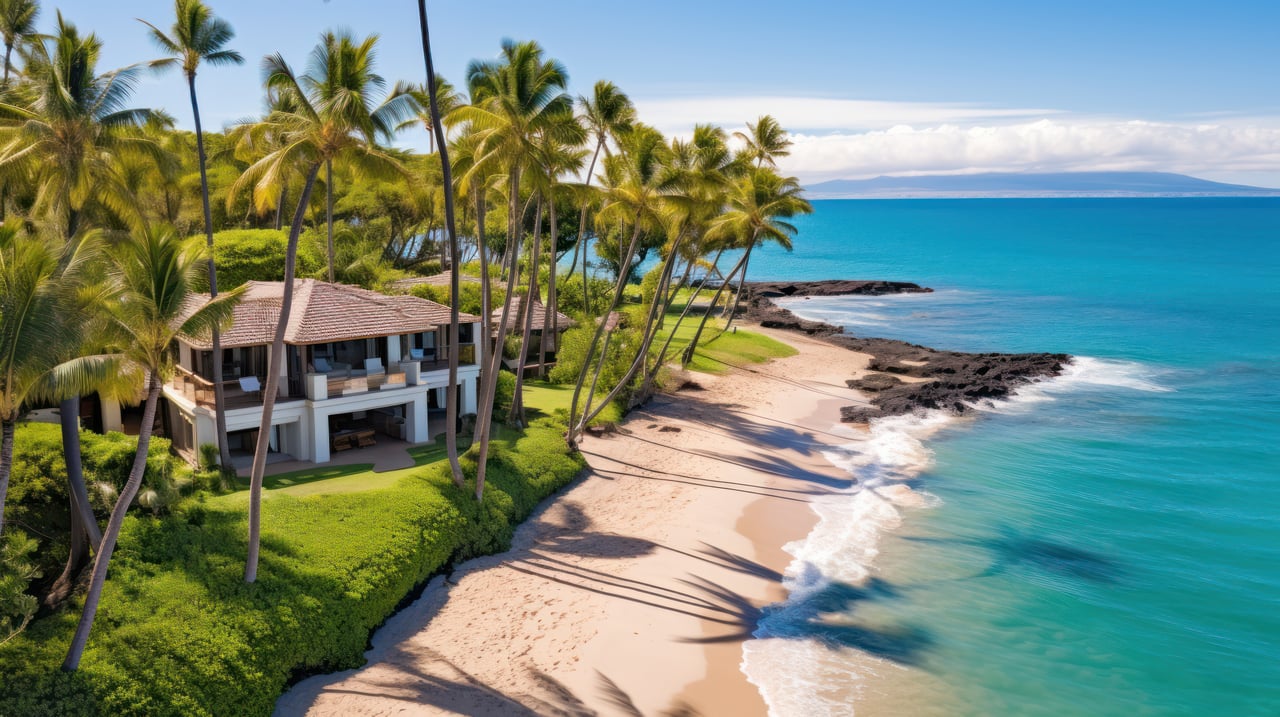
Lock-and-leave describes a property you can secure and leave for weeks or months with minimal on-site responsibilities. In Wailea, these homes appeal to second-home buyers, frequent travelers, and investors who value low-maintenance living with resort amenities. You will find a strong mix of luxury condominium communities, branded residences, and condo-hotels close to beaches, golf, and dining.
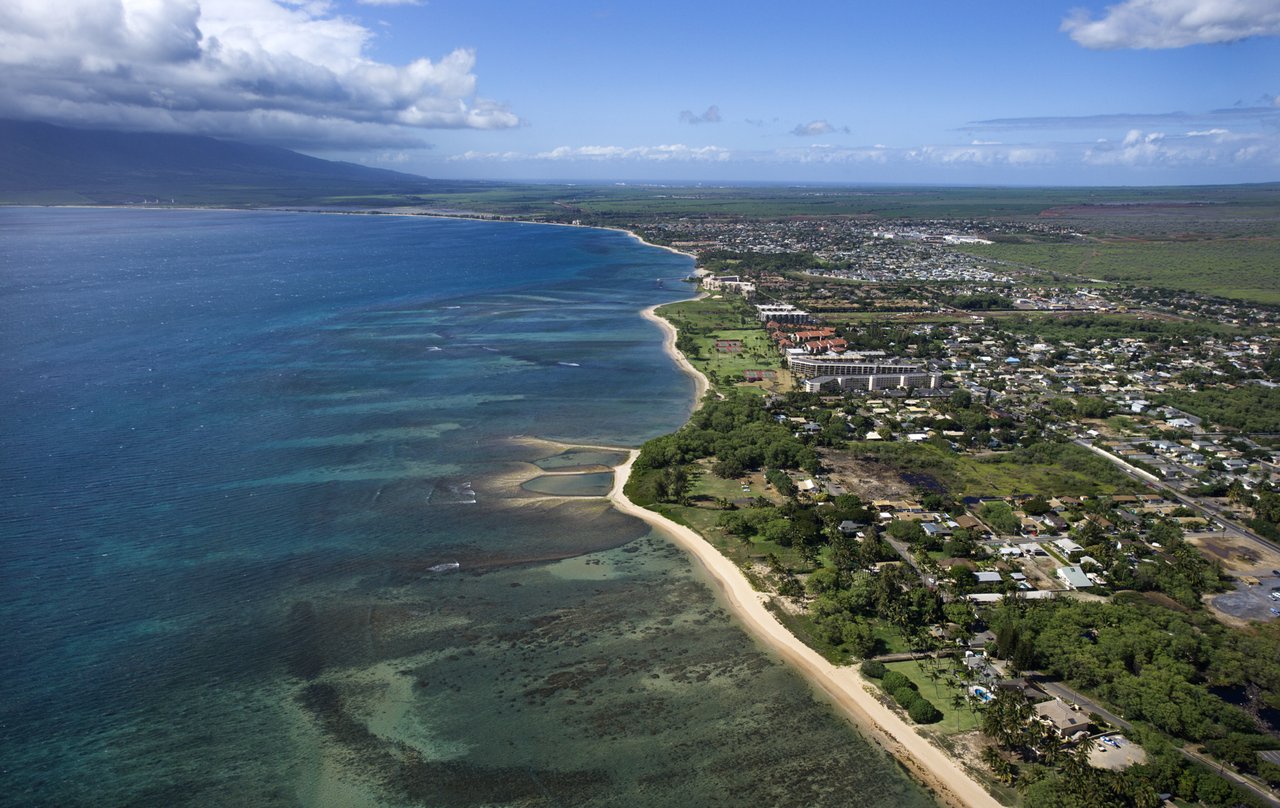
Wailea’s neighbor, Makena, offers a more low-density setting with larger estate properties and fewer multiunit condo options. Many buyers compare the two areas for lifestyle fit and building profiles. From most Wailea addresses, the drive to Kahului Airport typically runs about 25 to 35 minutes depending on traffic and exact location.
Services that make it effortless
On-site and building services
Many luxury buildings offer the services that make lock-and-leave living seamless:
- Concierge and front-desk support for arrivals, reservations, and local recommendations.
- 24/7 security or gated access in many complexes.
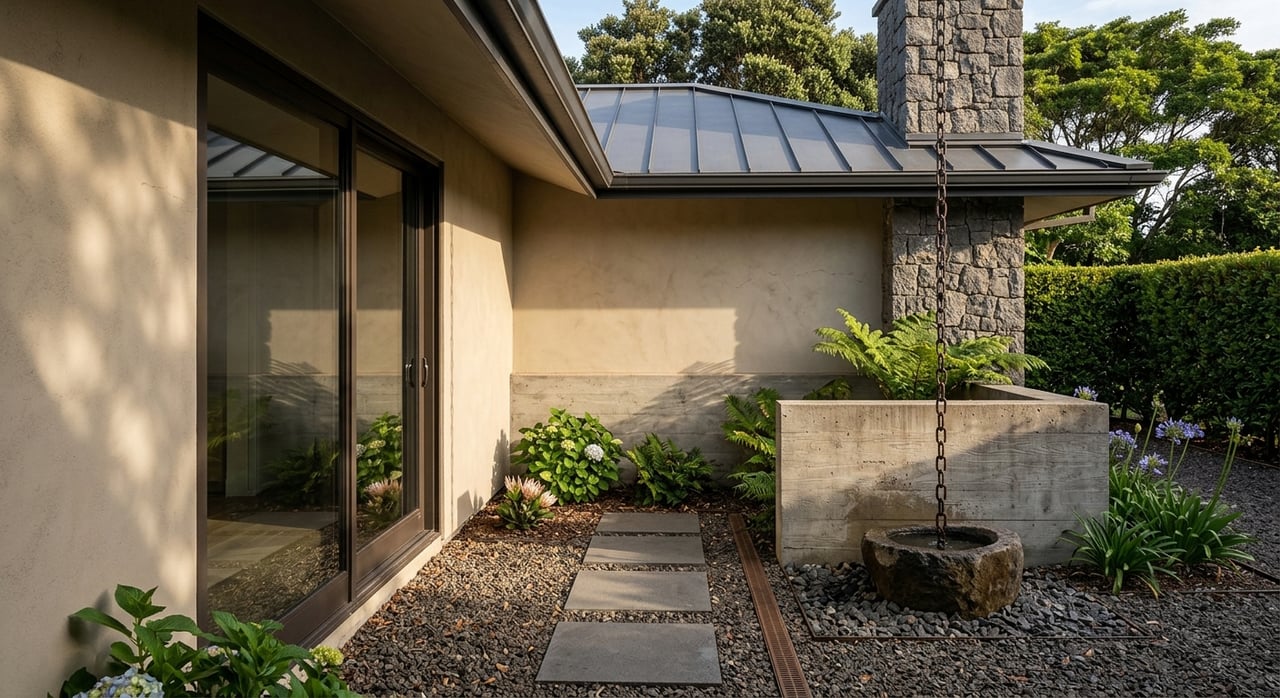
- Landscaping, pool and spa upkeep, and exterior maintenance included in HOA operations.
- On-call maintenance or vetted vendor networks for plumbing, electrical, and appliances.
- Housekeeping and turn-over options, useful for both personal stays and rental operations.
- Package handling and owner storage in select properties.
Property management options
You can tailor management support to your needs:
- On-site resort management that can coordinate maintenance, concierge, and rental operations.
- Independent local property managers who provide keyholding, inspections, cleaning, guest services, and seasonal checks.
- Resort rental programs for condo-hotels or branded residences, often with centralized booking and specified owner usage rules.
Amenities you can expect
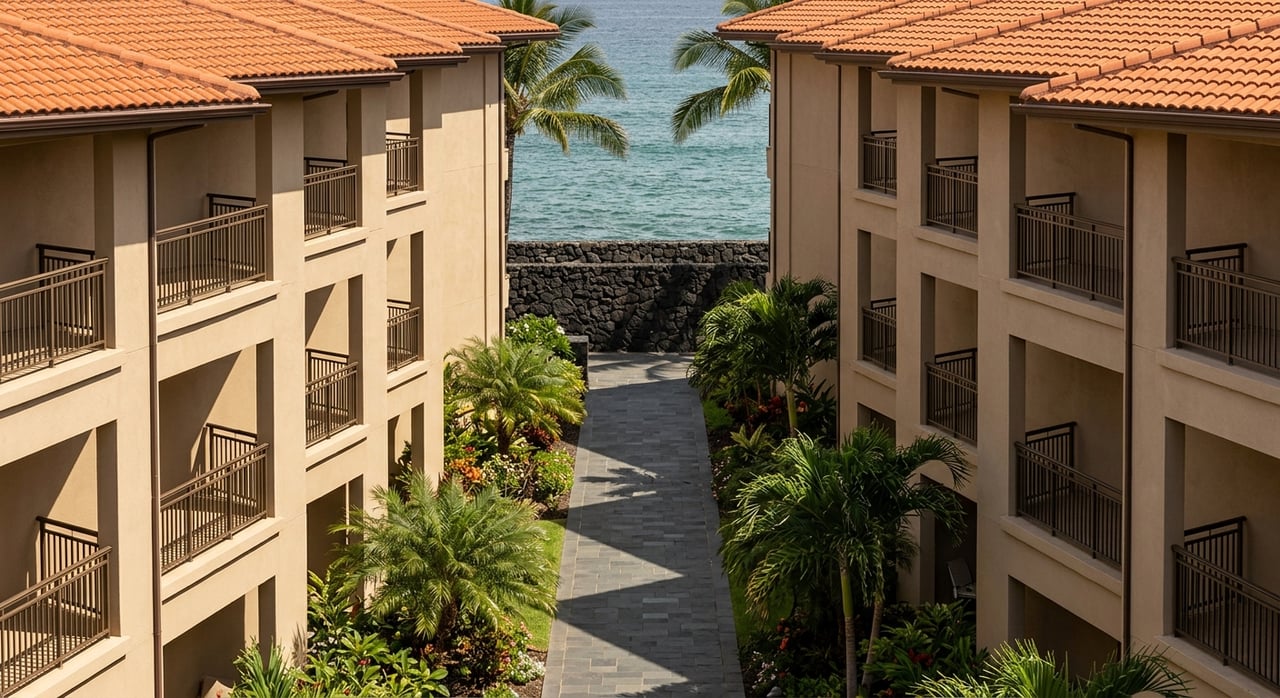
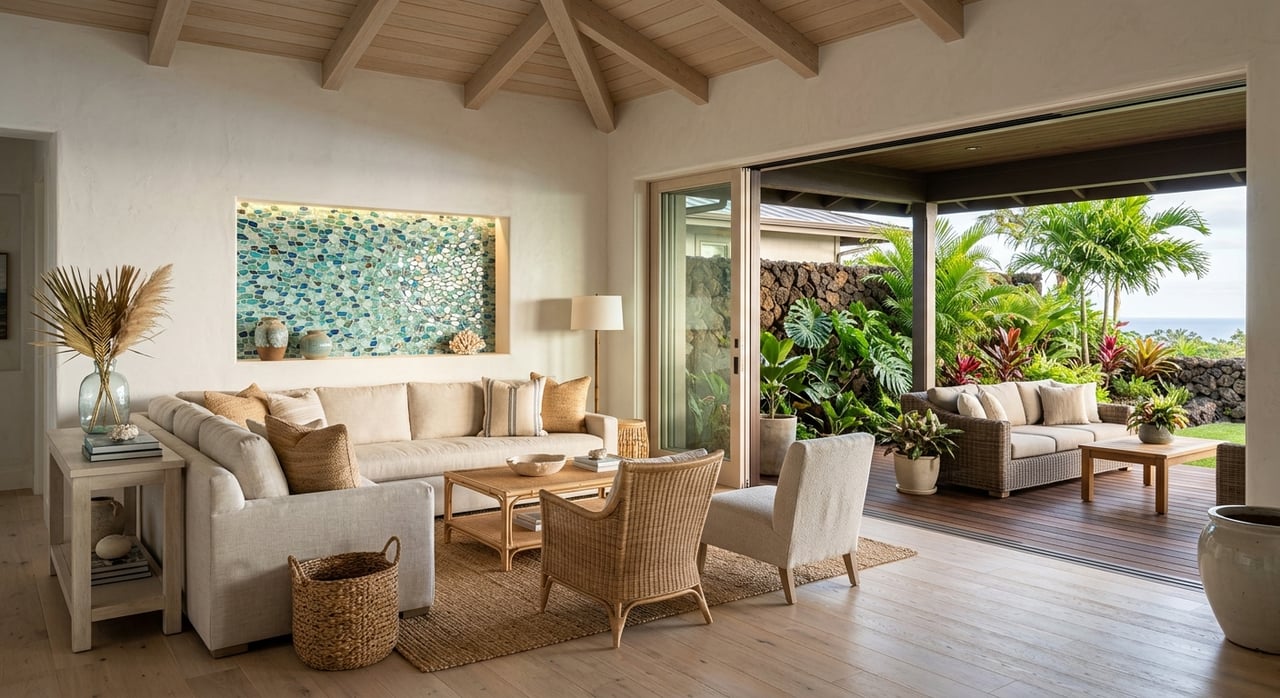
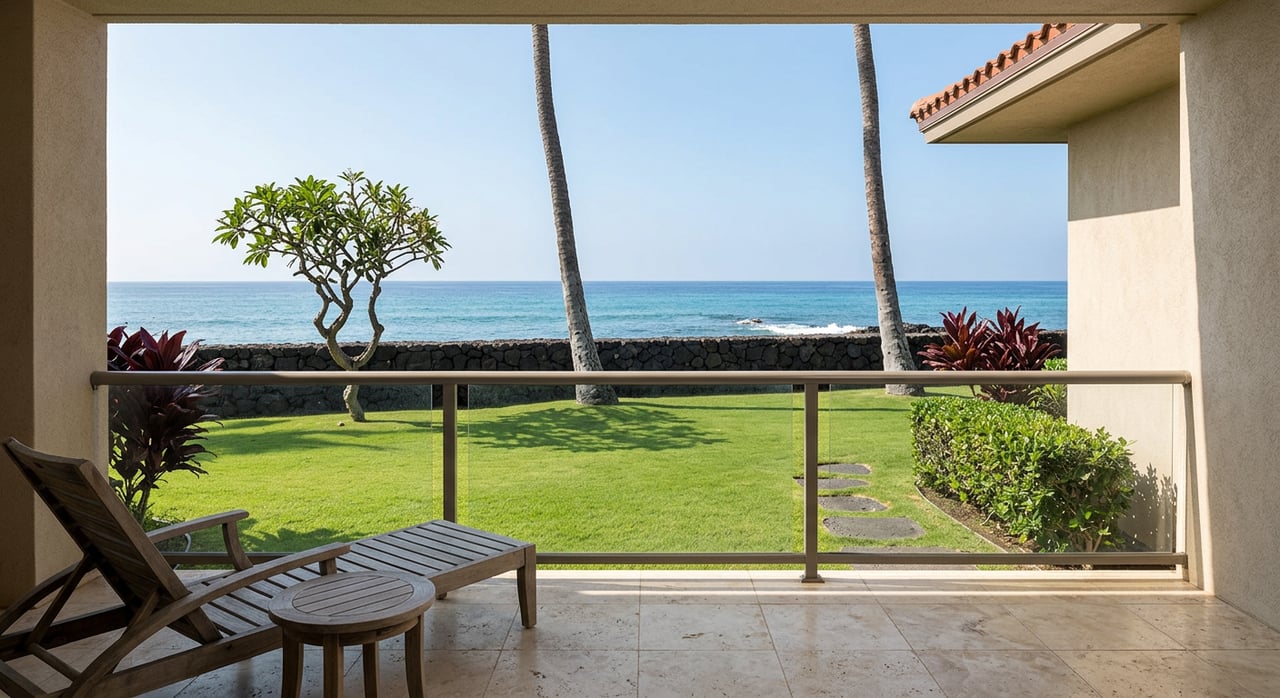
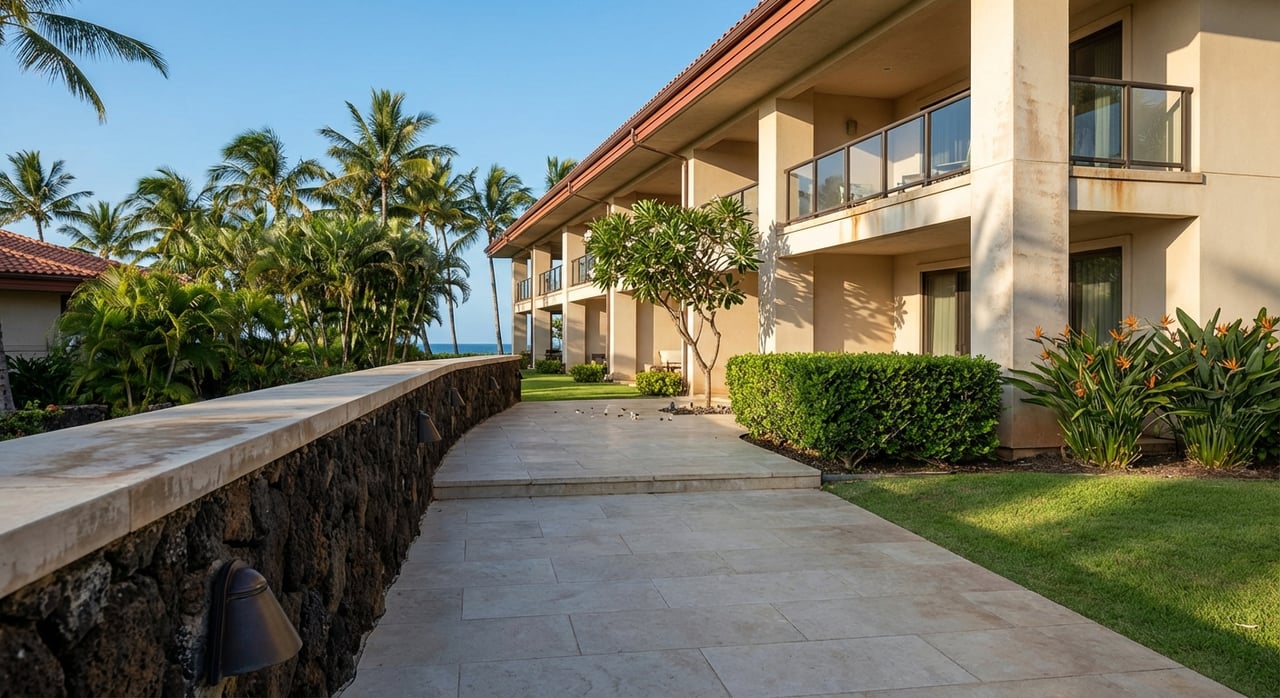
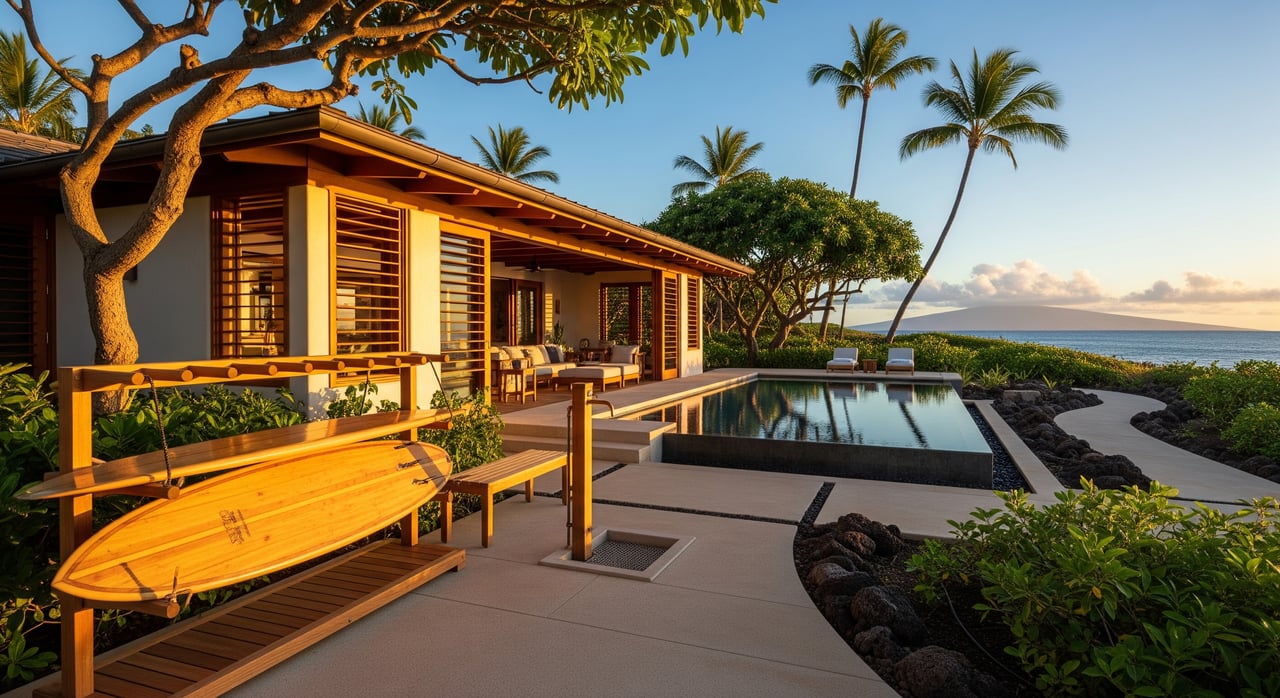
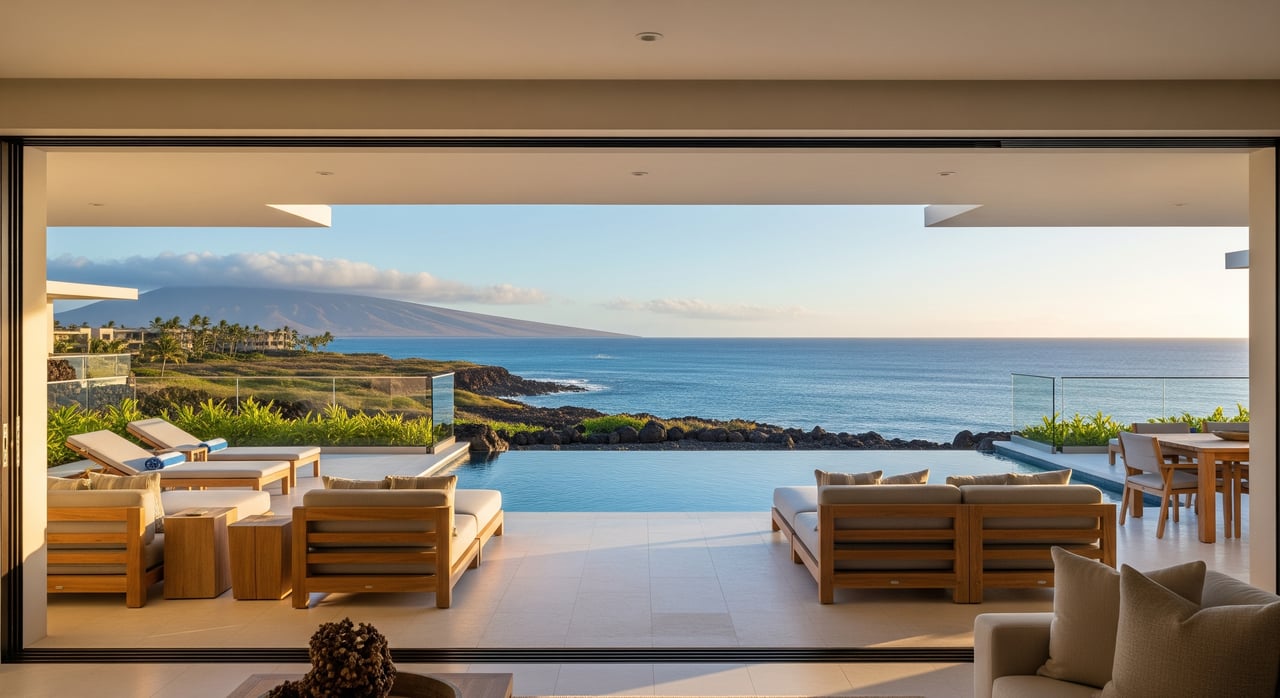
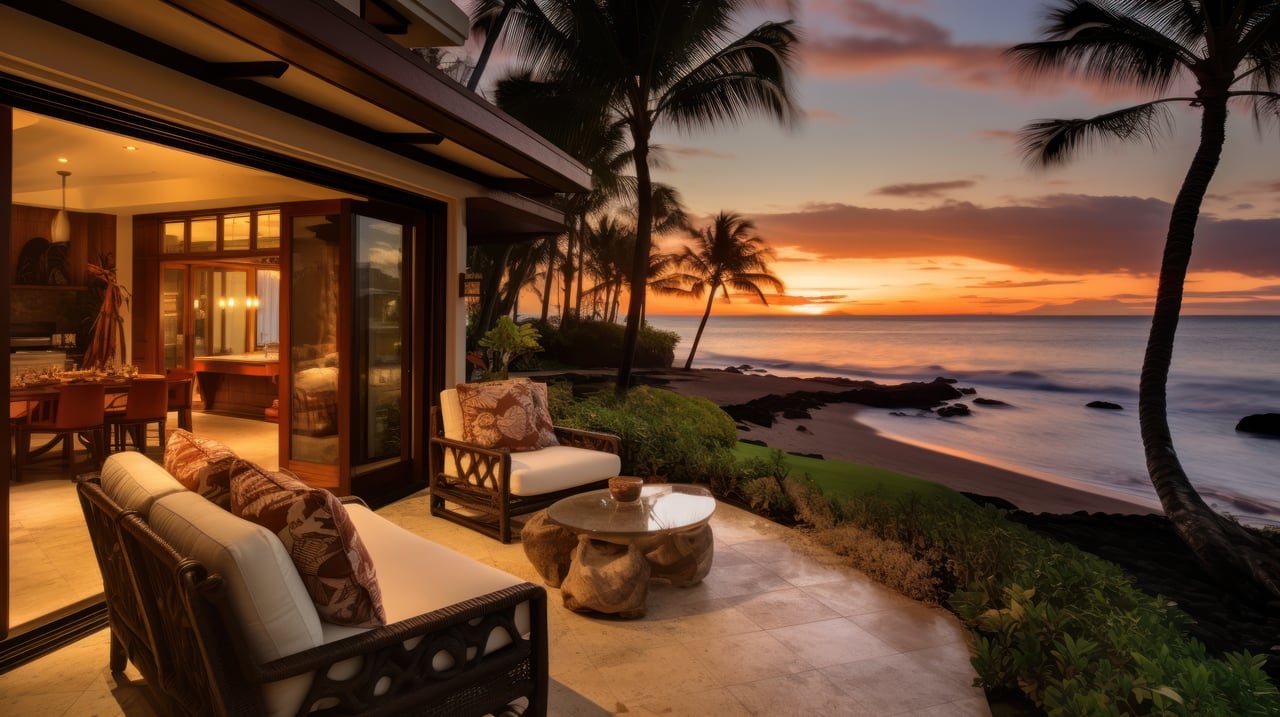
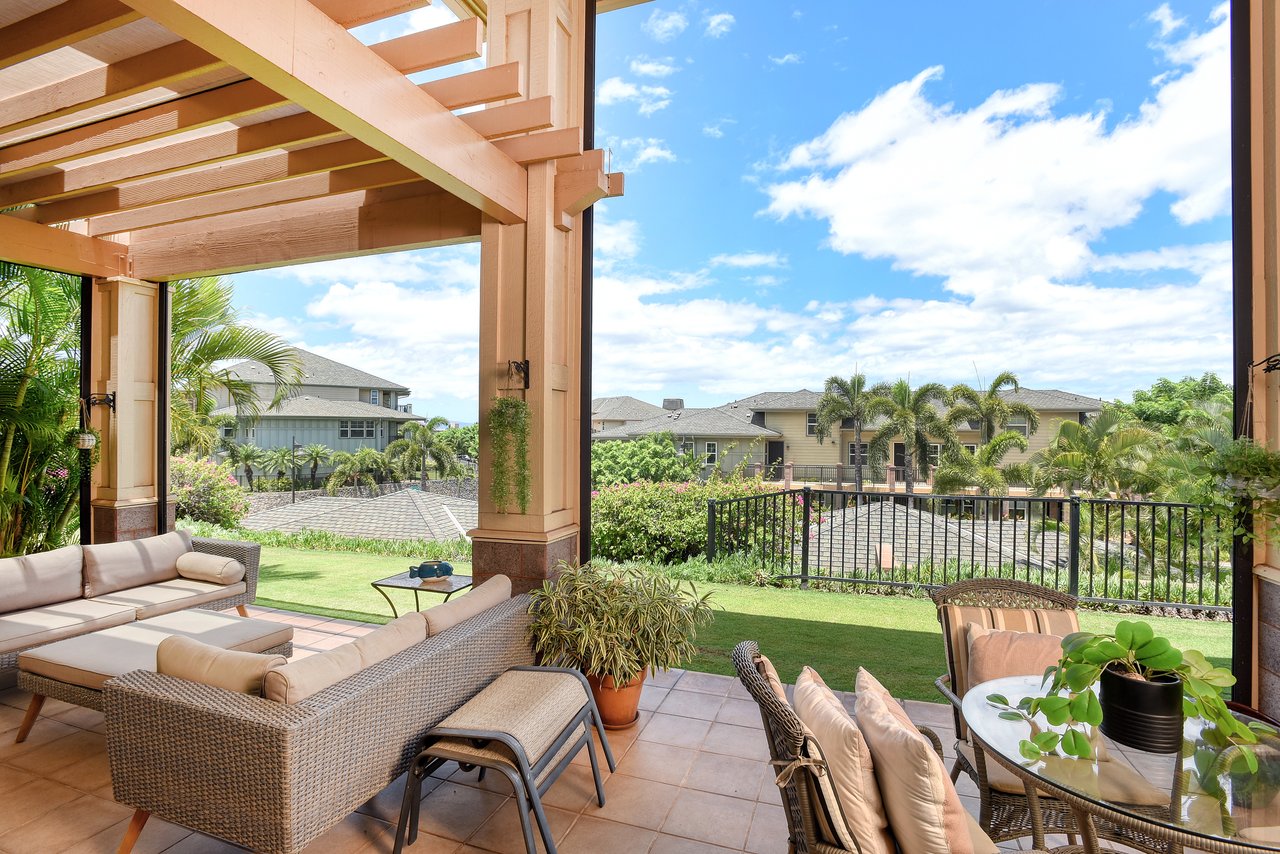
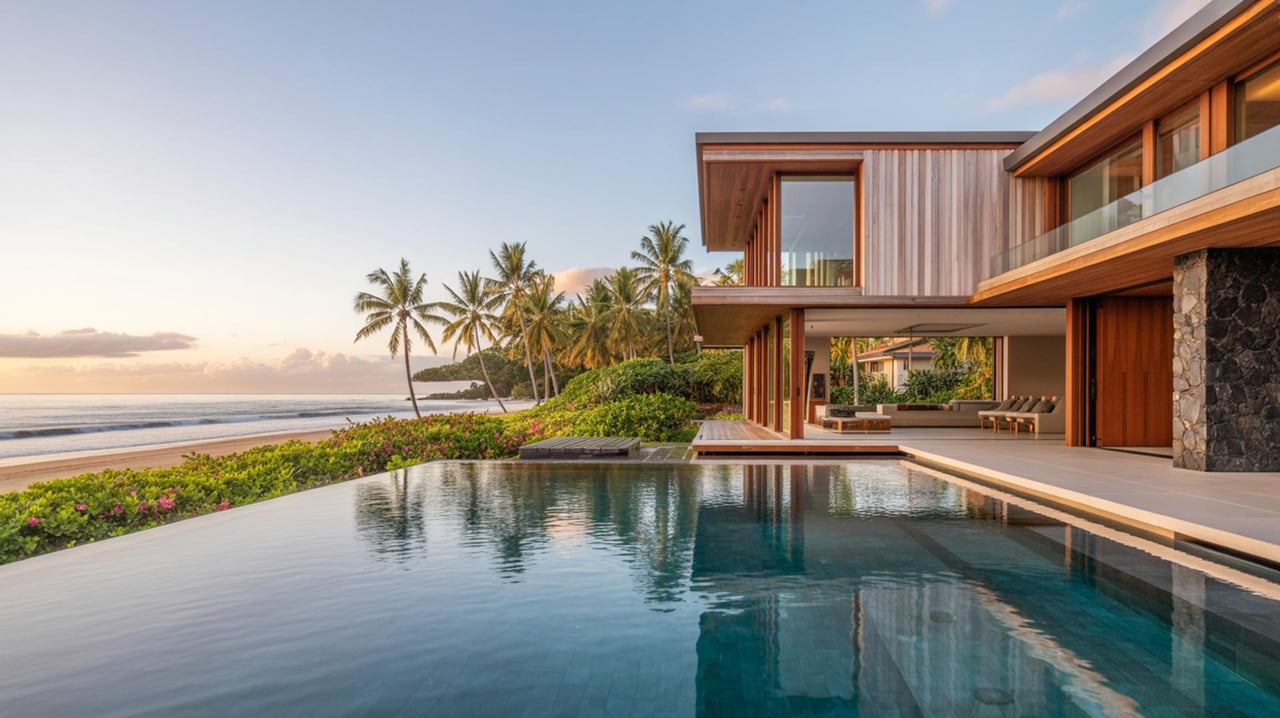
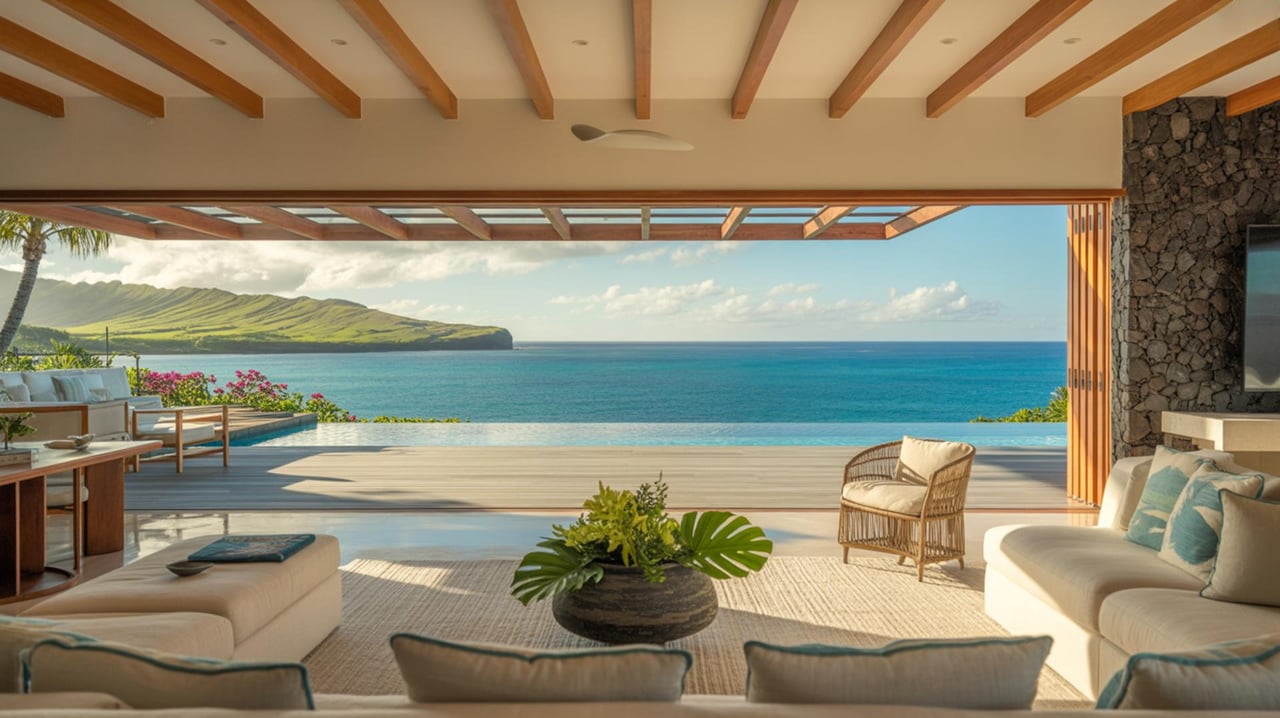
Resort-level amenities are a key part of the Wailea experience. You will commonly see multiple pools and hot tubs, fitness centers, spa services, covered lanais, and ocean-view common areas. Many communities are near beaches or partner with beach clubs, and some are adjacent to Wailea’s championship golf courses. Elevators, climate-controlled common spaces, and high-end finishes are typical in luxury buildings.
What you still handle as an owner
Lock-and-leave does not mean zero responsibility. Associations usually cover the building exterior, roofing, structural elements, common-area systems, and landscaping. Owners are typically responsible for interior finishes, appliances, in-unit pest control, and routine items such as HVAC filter changes. Review the CC&Rs and maintenance schedules for each building so you know exactly what is covered.
Rental potential and rules
Short-term rentals in Maui County are regulated, and each condominium association may have its own rules. Some communities participate in resort rental programs, while others restrict or prohibit short-term rentals. If you plan to rent, verify county requirements and association rules before you purchase. Owners who rent transient lodging must comply with state tax obligations, and rental programs may include management or booking fees.
Costs to budget for
Plan for the full cost picture so there are no surprises:
- HOA fees. Luxury buildings tend to have higher monthly fees that support staffing, common-area insurance, landscaping, pool and spa maintenance, and reserves.
- Utilities. Electric, water, sewer, and trash may be billed separately. Some associations include water or trash.
- Insurance. Expect an owner policy for contents and liability, plus an understanding of the association’s master policy and endorsements. Insurance availability and terms in Hawaii have evolved in recent years, so confirm coverage early.
- Taxes and fees. Maui County property taxes apply, and if you rent short-term, plan for state transient accommodations tax and related filings.
- Rental and housekeeping costs. If you operate as a short-term rental, factor in management, cleaning, and turn-over services.
Due diligence checklist for buyers
Association governance and financial health
- Review CC&Rs, bylaws, rental rules, pet policies, and any pending litigation.
- Request the current budget, reserve study, recent audits or financials, and meeting minutes for the past 12 to 24 months.
- Confirm staffing model, including whether management and concierge teams are on-site.
Operational reliability and service quality
- Ask about staff coverage, vendor contracts, and response times for maintenance requests.
- Define what “lock-and-leave” includes for your unit, such as routine checks and emergency protocols.
- Request sample owner check-in and check-out procedures and typical turn-over timelines.
Physical and technical factors
- Evaluate unit condition, upgrades, appliance ages, HVAC type and service history, and any water intrusion or pest reports.
- Understand building systems, including elevator reliability and any generator backup.
- Confirm deeded parking and secure storage options for personal items.
Rental and resale metrics
- If applicable, request historical occupancy and rental revenue, plus seasonal patterns.
- Review turnover and resale history for the building to understand liquidity.
Neighborhood and lifestyle fit
- Weigh proximity to preferred beaches, golf, dining, and services against potential noise from active resort zones.
- Consider owner and guest parking, transportation options, and how often you plan to be on island.
Daily life and peace of mind when away
A few prepared steps help you leave with confidence:
- Create a departure checklist. Shut off water where appropriate, set water heater and A/C, secure valuables, and notify your manager of your return date and emergency contacts.
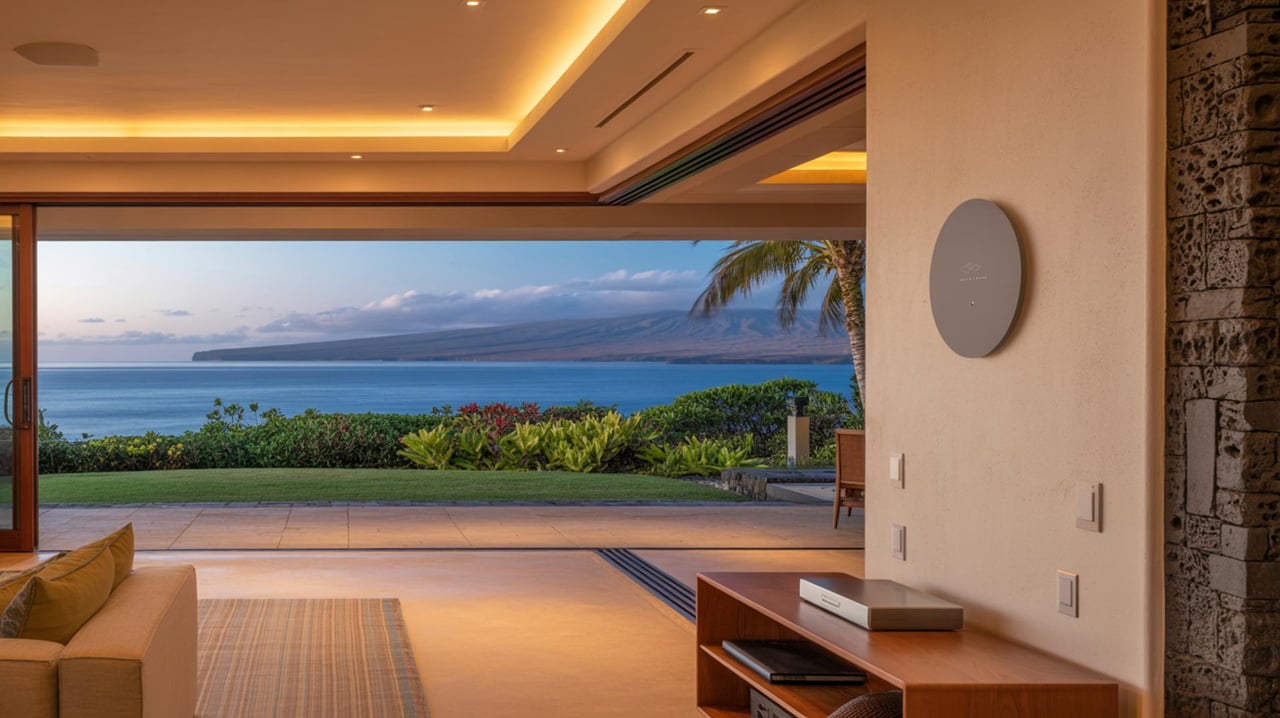
- Use remote monitoring where allowed. Smart thermostats and approved security devices can reduce unnecessary trips while keeping you informed.
- Schedule maintenance during shoulder seasons. Peak demand often aligns with winter holidays, mid-winter, and summer; plan upgrades and deep cleans in off-peak windows.
- Lean on Wailea’s service network. The area supports experienced property managers, housekeepers, and maintenance pros who specialize in resort condos.
Environmental and resilience considerations
Do a location-specific review for flood zones, coastal erosion advisories, slope stability, and wildfire exposure. Ask how the association communicates during emergencies and what backup systems it maintains. For insurance, work with providers familiar with Hawaii to assess wind, hurricane, flood, and liability needs, including loss-of-rent coverage if you plan to operate a rental.
Wailea or Makena: which fits your style
If you prefer a resort community with a wide selection of condominium developments and amenities, Wailea often stands out. If you want a quieter, more low-density environment with larger estates and fewer condo choices, Makena may be a better match. Many buyers explore both to align lifestyle, services, and ownership goals.
Getting here and getting around
From Wailea, you can usually reach Kahului Airport in about 25 to 35 minutes. Daily services, groceries, and medical facilities are convenient for a resort area, although non-resort retail may require a slightly longer drive than urban markets. Consider whether you will keep a car on island, use local rentals, or rely on ride services during shorter stays.
How I help as your local steward
You deserve a buying experience that is as well run as the properties you are considering. With multi-decade local expertise, high-touch guidance, and global marketing resources, I help you evaluate buildings, confirm rules and financials, and coordinate the right on-island professionals. From first tour to remote closing, you get clear communication, thoughtful strategy, and an ownership plan that fits how you live.
Ready to explore the best lock-and-leave condos in Wailea and Makena? Connect with Riette Jenkins for a private consultation.
FAQs
Can I rent my Wailea condo when I am away?
- It depends on Maui County regulations and your building’s CC&Rs; some communities allow short-term rentals, while others limit or prohibit them, so verify rules before you buy.
What do typical Wailea HOA fees cover for condos?
- Fees in luxury buildings usually support operations, reserves, common-area insurance, landscaping, pool and spa maintenance, and on-site staffing; request detailed budgets to know specifics.
What happens if something breaks while I am off island?
- A strong property manager provides routine inspections and 24/7 response, with clear thresholds for when to notify you and authorize repairs.
Are there financing limitations for resort condos in Wailea?
- Some lenders have stricter requirements for resort projects and for nonresident buyers; secure preapproval early and confirm your target building is acceptable to your lender.
Is insurance hard to obtain for Hawaii condos?
- The insurance market has tightened, so get quotes early, understand the association’s master policy, and review options for wind, hurricane, flood, liability, and loss-of-rent coverage.